








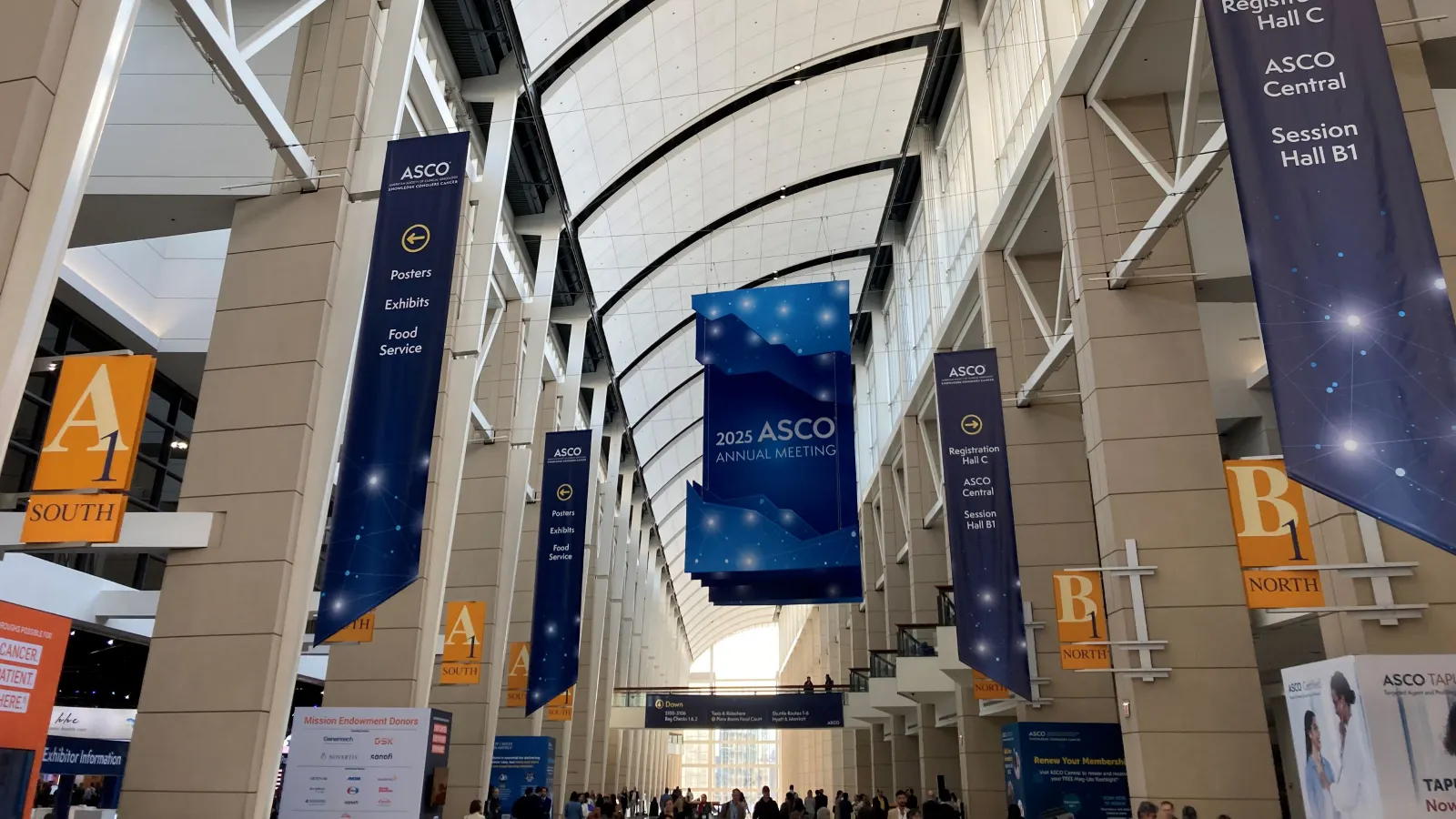
As the global oncology community prepares to descend upon Chicago for the annual meeting of the American Society of Clinical Oncology (ASCO)—running from May 29 to June 2—the release of hundreds of study abstracts has provided a long-awaited preview of the research set to dominate the conversation. While the most consequential "late-breaking" data remain under embargo until their formal presentation, the snapshots released this week have already begun to shift market sentiment and clarify the therapeutic trajectory for some of the world’s most formidable cancers.
This year’s meeting arrives at a critical juncture for biotechnology. The industry is currently grappling with a transition from traditional chemotherapy to increasingly targeted, potent, and sophisticated modalities, including antibody-drug conjugates (ADCs), bispecific antibodies, and personalized mRNA-based cancer vaccines.
The Main Facts: A Shift in the Treatment Paradigm
The pre-meeting data dumps have confirmed that the "ADC era" is not merely a buzzword but a clinical reality. Merck & Co.’s results with its TROP2-targeting ADC, sacituzumab tirumotecan (sac-TMT), have emerged as the standout finding. Simultaneously, the competition in the bispecific antibody space—specifically regarding PD-1/VEGF inhibitors—is intensifying, with players like Akeso, BioNTech, Bristol Myers Squibb, and Pfizer vying for supremacy in the treatment of non-small cell lung cancer (NSCLC).
Perhaps most notably, the long-term follow-up data for the Moderna-Merck mRNA cancer vaccine in melanoma has offered a glimmer of sustained hope, suggesting that the benefits of immunotherapy combinations may be durable over a five-year horizon. These releases have effectively set the stage for a conference that will likely be defined by the race to establish "best-in-class" status for these emerging drug classes.
Chronology: From Early Discovery to Late-Stage Validation
The path to these ASCO findings has been years in the making. To understand the current clinical climate, one must look at the timeline of development for these assets:
- November 2023: Merck and Kelun Biotech announced that their sac-TMT candidate met its primary goal in a Phase 3 trial in China for NSCLC. However, the lack of granular data left analysts speculating on the drug’s true potential.
- December 2024: At the American Society of Hematology (ASH) meeting, Kelonia Therapeutics presented initial, proof-of-concept data for its in vivo CAR-T therapy, KLN-101.
- May 2025 (Thursday): ASCO organizers released the bulk of abstracts, providing the first concrete look at the efficacy and safety profiles of the aforementioned trials, as well as new updates on PD-1/VEGF bispecifics.
- May 29 – June 2, 2025: The ASCO annual meeting, where the "late-breaking" results—including high-profile readouts for Revolution Medicines’ daraxonrasib and the Akeso/Summit Therapeutics ivonescimab data—will be unveiled to the public.
Supporting Data: Dissecting the Findings
The data released this week have provided significant fodder for Wall Street analysts and clinical researchers alike.
The Merck-Kelun ADC Breakthrough
The "OptiTROP-Lung05" trial results for sac-TMT represent a significant proof point for Merck. When combined with the blockbuster immunotherapy Keytruda, sac-TMT demonstrated a 65% reduction in the risk of disease progression compared to Keytruda monotherapy in first-line NSCLC. With a response rate of 70%, compared to 42% for the control arm, the drug is being positioned as a "bio-better chemo." Critically, the discontinuation rates remained manageable, suggesting that the potency of the ADC does not come at the cost of prohibitive toxicity.
The Bispecific Competitive Landscape
The race for PD-1/VEGF inhibitors is accelerating. BioNTech and Bristol Myers Squibb reported on their candidate, pumitamig, in a Phase 2 study. While a 70% response rate in 44 patients is promising, the small sample size has left some analysts, such as Leerink’s Daina Graybosch, cautious regarding its current utility.
Similarly, Pfizer’s data for SSGJ-707—licensed from 3SBio—showed a 68% response rate in a key subgroup, with a progression-free survival (PFS) of 12.4 months. RBC Capital Markets analyst Trung Huynh noted that these results are "in-line" with class expectations, suggesting that the true test for these drugs will come from their performance in global Phase 3 trials when combined with standard chemotherapy.
CAR-T Evolution: The Kelonia Asset
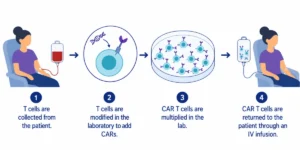
Eli Lilly’s investment in Kelonia continues to look prescient. The in vivo CAR-T therapy KLN-101 is designed to bypass the laborious ex vivo engineering process of traditional CAR-T treatments. Updated data from six patients showed that all achieved "minimal residual disease (MRD) negative" status, a gold standard for assessing depth of response in multiple myeloma. With manageable safety profiles, investigators are optimistic that this could transition CAR-T from an inpatient, hospital-bound procedure to an outpatient reality.
Long-Term mRNA Vaccine Durability
The five-year follow-up data for the Moderna-Merck melanoma vaccine (intismeran) provided a vital long-term perspective. The data showed a 49% reduction in relapse risk and a 53% reduction in the risk of death, with 92% of patients surviving at the five-year mark. This sustained benefit is a significant indicator of success for the ongoing "INTerpath-001" Phase 3 trial.
Official Responses and Analyst Perspectives
The industry reaction to these abstracts has been a mixture of cautious optimism and strategic calculation.
Daina Graybosch of Leerink Partners praised the sac-TMT data as "optically very impressive," noting that it places Merck on "equal footing" with the wave of bispecific antibodies currently flooding the oncology pipeline. Conversely, Stifel analyst Dara Azar urged caution, noting that differences in trial design make direct comparisons between sac-TMT and other agents like ivonescimab difficult. Azar emphasized that the current data set offers "no immediate threat" to the established competitive positioning of other lead bispecifics, reminding stakeholders that data in isolation can be misleading.
Regarding the mRNA vaccine data, William Blair’s Myles Minter highlighted that the consistency between the three-year and five-year follow-up data is the most important takeaway. "It is a sustained, consistent benefit," Minter wrote, suggesting that the clinical threshold for market success has been lowered by the strength of these long-term survival figures.
Implications for the Future of Oncology
The implications of these findings are profound, signaling three major shifts in cancer care:
- De-risking the "Bio-better" Strategy: Merck’s success with sac-TMT validates the strategy of using ADCs to replace or augment standard chemotherapy. If this trend continues, we may see a rapid decline in the use of traditional cytotoxic agents, replaced by more precise antibody-drug conjugates that offer higher efficacy with improved quality-of-life profiles.
- The Decentralization of CAR-T: The progress of KLN-101 suggests that the next generation of cell therapies will focus on accessibility. By moving toward in vivo administration, the cost and logistical burdens of CAR-T could be significantly reduced, allowing a much larger patient population to access these life-saving, one-time treatments.
- Defining the Standard of Care in Melanoma: The Moderna-Merck vaccine data suggests that we are approaching a future where immunotherapy is not just a treatment for advanced disease, but a preventative, adjuvant strategy. If the INTerpath-001 trial confirms these findings, the vaccine could become a cornerstone of adjuvant melanoma treatment, fundamentally changing how patients are managed post-surgery.
As the scientific community prepares for Chicago, the focus will undoubtedly shift from the numbers on the page to the nuances of the clinical experience. While these abstracts have provided a roadmap, the actual presentations—and the subsequent Q&A sessions—will provide the true test for these assets. For investors, clinicians, and, most importantly, patients, the 2025 ASCO meeting promises to be a watershed moment in the ongoing battle against cancer. Whether these drugs will truly revolutionize the standard of care remains to be seen, but the data released this week suggest that we are closer than ever to a new, more effective era of precision oncology.