










In the landscape of modern medicine, few innovations have fundamentally shifted the patient-provider relationship as dramatically as the integration of telehealth. Once considered a niche solution for remote or rural populations, virtual medical consultations—conducted via smartphone, tablet, or computer—have become a cornerstone of contemporary healthcare. For the aging population, this shift is not merely a matter of convenience; it is a vital tool for maintaining independence, managing complex chronic conditions, and ensuring continuity of care without the physical and logistical burdens of traditional office visits.
As we navigate an era where health accessibility is paramount, understanding the mechanics, benefits, and safety protocols of telehealth is essential for older adults and their caregivers.
The Evolution of Virtual Care: Main Facts
Telehealth encompasses a broad spectrum of digital health services. At its core, it leverages telecommunications technology to facilitate clinical health care, patient and professional health-related education, and health administration.
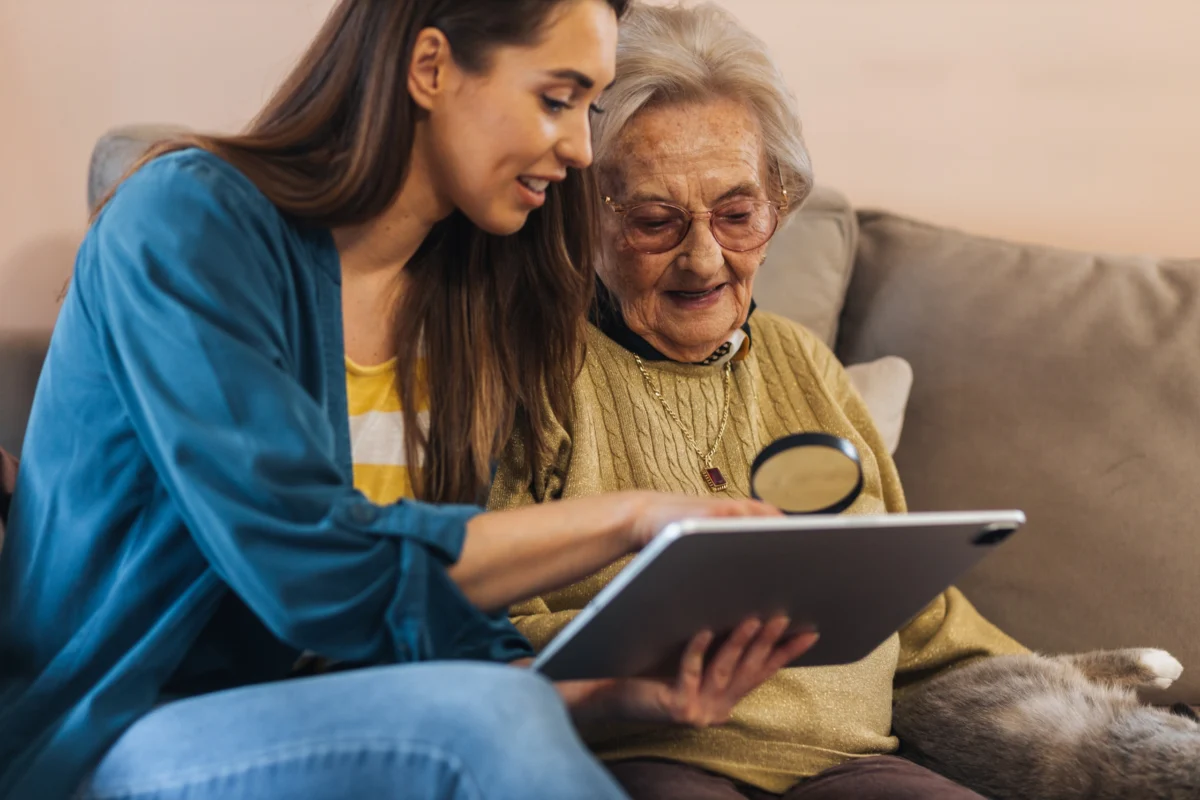
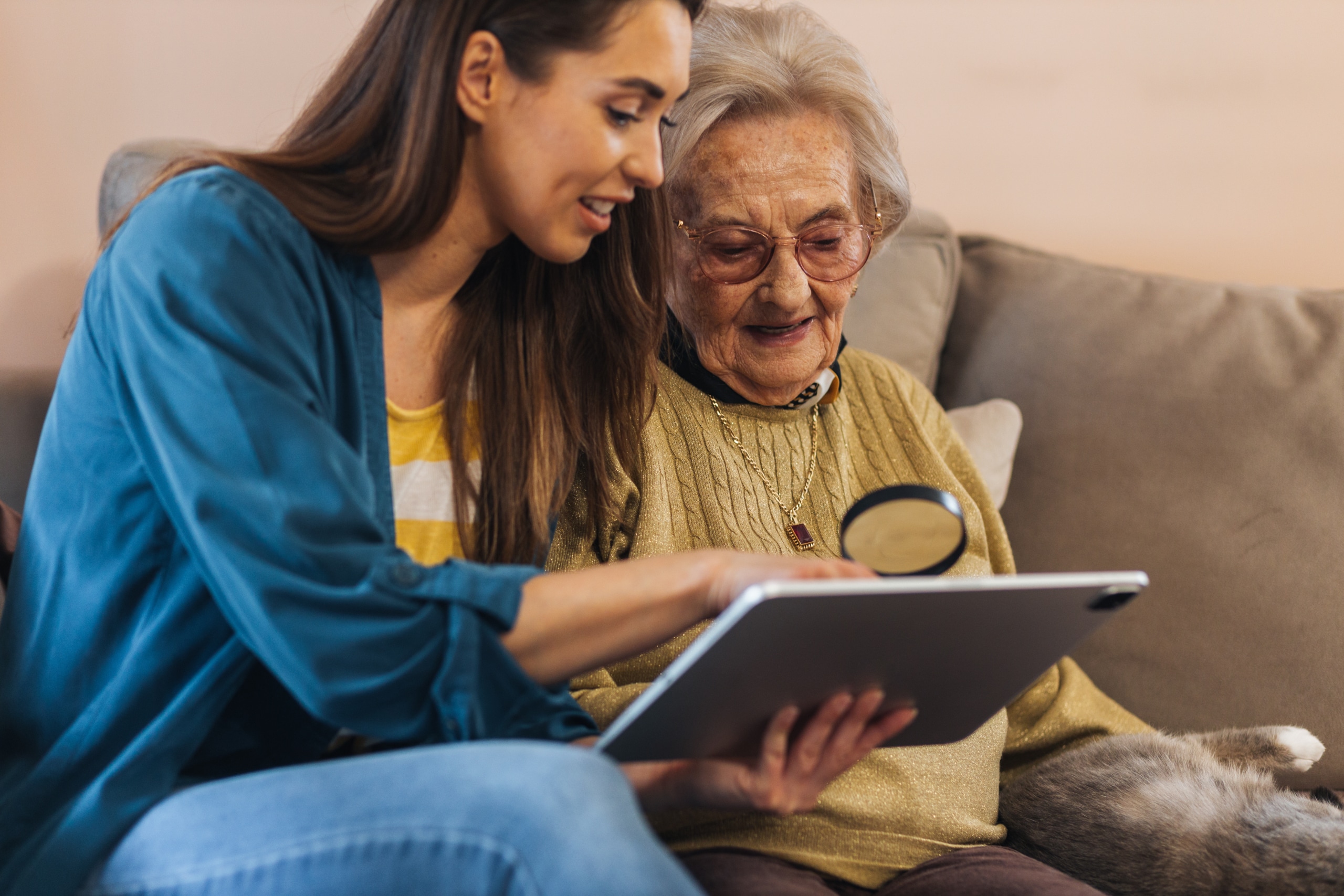
For the average patient, a telehealth appointment functions much like an in-person visit. The patient logs into a secure, encrypted portal or clicks a link provided by their physician, entering a "virtual waiting room." The provider then joins the call, allowing for a face-to-face interaction that can include visual assessments, symptom reviews, and medication management discussions.
The primary objective of this technology is to bridge the gap between patient needs and physician availability. By removing the geographical and physical barriers inherent in traditional medicine, telehealth ensures that routine monitoring—often the most neglected aspect of geriatric care—remains a consistent priority.
Chronology: From Experimental Tool to Standard Practice
The journey of telehealth has been a decades-long progression, accelerated exponentially by global events.
- The Early Concept (1960s–1990s): Telehealth began as an experimental endeavor, primarily used by NASA to monitor astronauts and by specialized hospitals to provide remote consultations to underserved rural areas.
- The Technological Inflection Point (2000s–2019): With the proliferation of high-speed internet and the smartphone revolution, telehealth moved into the consumer space. However, adoption remained slow due to restrictive insurance reimbursement policies and regulatory hurdles.
- The Paradigm Shift (2020–2022): The COVID-19 pandemic acted as a massive catalyst. Social distancing requirements necessitated an immediate pivot to remote care. During this period, regulatory barriers were lowered, and insurance coverage expanded, proving that virtual care was not only feasible but highly effective for non-emergency medical needs.
- The Modern Integration (2023–Present): Today, telehealth is fully integrated into the healthcare ecosystem. It is no longer an "emergency" solution but a standard, preferred modality for chronic disease management, mental health support, and post-operative follow-ups.
Supporting Data: Why Telehealth Matters for Older Adults
The efficacy of telehealth is supported by its specific utility for the demographic most in need of frequent care: older adults. Research consistently highlights several key areas where virtual care outperforms traditional methods:
1. Mitigation of Mobility Challenges
For seniors dealing with arthritis, frailty, or reliance on assistive devices, the physical act of traveling to a medical facility is often the most taxing part of the appointment. Telehealth eliminates the need for navigating parking garages, elevators, and crowded waiting rooms, significantly reducing the risk of falls and physical exhaustion.
2. Immune System Preservation
Waiting rooms are historical hotspots for infectious diseases. For immunocompromised older adults, avoiding physical contact with other patients in enclosed spaces is a significant health advantage. Telehealth acts as a "buffer zone," allowing for high-quality care without the exposure risks associated with seasonal flu, COVID-19, or other respiratory infections.
3. Improved Medication Adherence
One of the most persistent issues in geriatric health is medication non-adherence. Through frequent, short telehealth check-ins, providers can monitor side effects and clarify complex dosage schedules more easily than they could through infrequent, quarterly in-person visits.
4. Psychological Wellbeing
The "loneliness epidemic" among older adults is well-documented. Regular, face-to-face video interactions with a healthcare provider can offer a vital social connection, reducing feelings of isolation and providing a platform for mental health screening, which is often harder to perform in the hurried environment of a physical clinic.
Preparing for Your Digital Appointment: A Practical Guide
While the barrier to entry is low, success depends on proper preparation. To ensure a seamless experience, patients should adhere to a structured setup process:
Essential Hardware Requirements:
- Device: A smartphone with a front-facing camera, a tablet, or a desktop computer with a webcam and microphone.
- Connectivity: A stable high-speed internet connection (Wi-Fi is preferred over cellular data to ensure video quality).
- Environment: A quiet, well-lit room where you can speak privately without interruptions.
The "10-Minute Rule":
Professional healthcare providers recommend logging into your virtual portal at least 10 minutes before the scheduled time. This window is critical for:
- System Updates: Sometimes, your browser or the telehealth app will require a quick update.
- Audio/Video Calibration: Testing your microphone and camera ensures that time isn’t wasted on troubleshooting once the doctor arrives.
- Documentation: Have your current medication list, blood pressure logs, or a list of questions ready on the desk in front of you.
Triage: Telehealth vs. Emergency Services
A common point of confusion for patients is knowing when a virtual visit is sufficient and when a physical trip to the hospital is non-negotiable.
When to Utilize Telehealth:
- Symptom Management: Minor respiratory issues (colds, flu, allergies).
- Dermatological Concerns: Rashes, minor skin irritations, or follow-ups on healing wounds.
- Routine Care: Medication refills, mental health check-ins, and monitoring of stable chronic conditions like hypertension or diabetes.
- Minor Infections: Urinary tract symptoms that do not present with systemic signs of sepsis (e.g., high fever).
When to Seek Emergency Hospital Care (Call 911):
- Cardiac/Respiratory distress: Chest pain, difficulty breathing, or severe palpitations.
- Neurological Indicators: Signs of stroke, such as sudden confusion, facial drooping, slurred speech, or weakness on one side of the body.
- Acute Trauma: Significant injuries, suspected broken bones, or head trauma.
- Severe Systemic Issues: High fevers (above 104°F), uncontrolled bleeding, or sudden, severe abdominal pain.
- Sensory Crisis: Sudden loss of vision or hearing.
Official Responses and Security Considerations
As telehealth usage grows, so too does the sophistication of cyber threats. It is crucial for patients to understand how to distinguish legitimate medical portals from predatory scams.
The Alliance’s Stance on Digital Safety:
According to health experts at the Alliance for Aging Research, the safest route is to operate strictly within the ecosystem of your established healthcare network.
- Verify the Source: Never click on telehealth links provided in unsolicited emails or social media advertisements.
- The Insurance Gatekeeper: If you are unsure if a service is legitimate, call the member services number printed on the back of your insurance card. Your insurer can provide a list of in-network, verified telehealth providers.
- Data Protection: Legitimate providers will never ask for your credit card information, social security number, or bank details via an unencrypted chat or email. All financial transactions should be handled through a secure patient portal or official billing department.
Implications for the Future of Geriatric Health
The normalization of telehealth represents a fundamental restructuring of the "medical home." As we look toward the future, we anticipate the integration of remote patient monitoring (RPM) devices—wearables that track heart rate, glucose levels, and oxygen saturation—directly into the telehealth stream. This will allow doctors to receive real-time data, enabling a proactive approach to care rather than a reactive one.
The implications for older adults are profound. By empowering patients to manage their health from their own homes, we are not just improving health outcomes; we are preserving the dignity and independence of our aging population.
As noted by Katrin Werner-Perez, Director of Health Programs for the Alliance, the digital transformation of medicine is not meant to replace the human touch, but to extend it. By utilizing these tools wisely, older adults can ensure that their health remains a priority, regardless of their physical circumstances.
For more resources on navigating the digital health landscape, or to learn about advocacy efforts, visit the telehealth section of the Alliance’s website.
Disclaimer: This article is intended for educational purposes only. Always consult with your primary care physician before making changes to your health management routine or if you are experiencing a medical emergency.