





For decades, cardiology has been dominated by a "plumbing" model of heart disease. Clinicians have traditionally focused on epicardial coronary arteries—the large vessels visible on an angiogram—treating them like pipes that, when clogged by plaque, require the surgical intervention of a stent or bypass. However, this macro-level focus has left a significant portion of patients—those with persistent chest pain and ischemic symptoms but "clean" or non-obstructive arteries—in a diagnostic limbo.
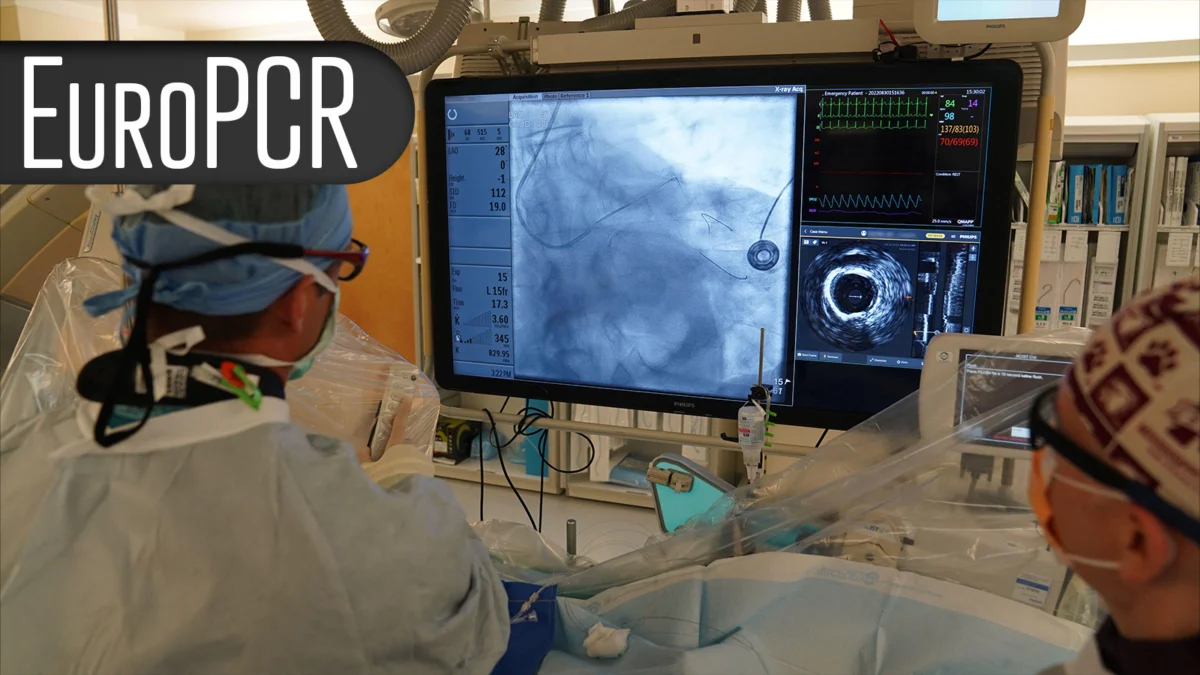
A landmark study presented at the EuroPCR meeting in Paris and simultaneously published in The Lancet has shifted this paradigm. The FLOW-CMD registry, led by Dr. Joo Myung Lee of Samsung Medical Center in Seoul, provides compelling evidence that Coronary Microvascular Dysfunction (CMD) is not merely a secondary phenomenon but an independent, high-risk driver of ischemic heart disease. The study’s findings suggest that for thousands of patients, the danger lies not in the pipes we can see, but in the microscopic network that feeds the heart muscle itself.
Main Facts: The Silent Threat Beneath the Surface
The FLOW-CMD study, a prospective analysis of over 1,000 participants across seven Korean medical centers, set out to clarify the clinical significance of CMD in a real-world population undergoing invasive coronary angiography (ICA).
The primary takeaway is stark: CMD is a potent predictor of poor clinical outcomes. Patients identified with CMD faced a 2-year risk of major adverse cardiovascular events—defined as a composite of all-cause death, myocardial infarction, clinically-driven repeat revascularization, or hospitalization for heart failure—of 18.8%. In contrast, those without CMD faced a risk of only 10.5%.
Perhaps most striking is the discovery that CMD is particularly lethal in patients without obstructive epicardial coronary disease. In this group, the presence of CMD catapulted the risk of adverse outcomes to 31.4%, compared to just 9.0% for those without both obstructive disease and CMD. This data underscores that CMD is not merely a "nuisance" diagnosis; it is a serious pathological state that requires greater clinical attention.
Chronology: A Multi-Year Investigation into Micro-Circulation
The journey toward understanding CMD has been one of gradual realization, punctuated by the formalization of the FLOW-CMD registry.
- 2022–2024 (The Enrollment Phase): Researchers at seven sites in South Korea enrolled 1,003 participants from an initial screening pool of 5,764 individuals referred for clinically indicated ICA. The cohort had a median age of 65, with a male-to-female ratio of 3:1.
- The Assessment Protocol: Unlike standard angiographies that focus only on visual stenosis, the study utilized comprehensive physiologic assessment. Researchers measured coronary flow reserve (CFR) and the index of microcirculatory resistance (IMR). CMD was strictly defined as a CFR <2.0 and an IMR ≥25.
- The Follow-Up: Participants were monitored over a median of 1.9 years, allowing researchers to track the trajectory of their cardiac health following their initial angiography and, in many cases, percutaneous coronary intervention (PCI).
- May 2024 (The Reveal): The results were formally presented at EuroPCR in Paris and published in The Lancet, marking a turning point in how international cardiology societies perceive microvascular health.
Supporting Data: Dissecting the Microvascular Impact
The FLOW-CMD registry provides a granular look at the characteristics of patients with CMD. The data revealed that CMD patients were significantly more likely to undergo invasive procedures. Specifically, 71.8% of patients with CMD underwent PCI, compared to 44.6% of those with preserved microvascular function.
Furthermore, the study illuminated the link between CMD and persistent angina. Even after undergoing PCI, patients with CMD tended toward worse angina profiles than their non-CMD counterparts. While the difference in symptom relief did not reach the threshold of statistical significance in this specific cohort, the trend was clear: fixing the "macro" pipes does not necessarily resolve the symptoms if the "micro" network remains dysfunctional.
The registry’s inclusion criteria—focusing on patients with intermediate coronary artery stenosis (40-90% by visual estimation)—ensured that the study captured the "gray zone" of cardiology. By excluding those with simple, severe, single-vessel stenosis, Dr. Lee’s team was able to isolate the impact of microvascular health from the easier-to-diagnose obstructive plaque.
Official Responses and the "INOCA" Conundrum
The medical community has long used the term "INOCA" (Ischemia with No Obstructive Coronary Artery disease) as an umbrella term for patients whose hearts are starved of oxygen despite open large vessels. Despite the prevalence of INOCA, current clinical guidelines have been hesitant to embrace microvascular testing, offering only a weak Class IIa endorsement, primarily reserved for cases where no obstructive disease is found.
Dr. Lee and his colleagues are advocating for a shift in this stance. In their report, they argue that evaluating coronary microvascular function should be an integral part of the diagnostic workflow for any patient with suspected ischemic heart disease. "Evaluation of coronary microvascular function might help to identify mechanisms underlying patients’ symptoms beyond epicardial coronary artery disease," the group wrote.
However, the response from the broader cardiology community remains cautious due to the lack of "CMD-specific" therapies. During a press conference in Paris, Dr. Lee acknowledged the elephant in the room: there is no pill specifically designed to "cure" CMD. Instead, current management relies on controlling systemic factors, such as aggressive statin therapy to address the underlying atherosclerotic process, even if it is microscopic.
This limitation was highlighted by the recent WARRIOR trial, which attempted to test a strategy of statins combined with ACE inhibitors (lisinopril) or ARBs (losartan) in women with INOCA. The trial failed to show a significant reduction in major adverse cardiovascular events. Critics of the WARRIOR results often point to low medication adherence and the disruptive impact of the COVID-19 pandemic as reasons for the inconclusive data, but the failure nonetheless underscores the urgency for better, more targeted therapeutic trials.
Implications: The Future of Cardiac Care
The implications of the FLOW-CMD registry are far-reaching.
1. Diagnostic Refinement
The study suggests that angiography alone is insufficient for a comprehensive cardiac evaluation. For the 63.3% of patients in the study who presented with typical chest pain, the absence of an obstructive lesion on an angiogram should no longer be viewed as a "clean" result. It should instead be a signal to perform physiologic testing of the microcirculation.
2. A Call for New Pharmacological Frontiers
The inability to effectively treat CMD is a significant gap in modern cardiology. As researchers identify CMD as a primary driver of heart failure and myocardial infarction, the pressure on pharmaceutical companies to develop drugs that specifically target microvascular tone, endothelial function, and the structural integrity of small vessels will intensify.
3. Rethinking "Success" in PCI
The study challenges the notion that successful PCI—opening a large artery—is the end of the treatment road. If a patient continues to experience angina post-procedure, clinicians must now consider that the "micro" component of their disease remains untreated. This shifts the focus from "did we open the artery?" to "is the heart muscle receiving adequate perfusion?"
4. Limitations and Future Research
Dr. Lee and his team are the first to acknowledge the study’s boundaries. The cohort was predominantly male and based in South Korea, raising questions about generalizability to broader global populations or to patients with absolutely normal coronary arteries. Furthermore, because physiological assessments were largely taken from a single vessel rather than across all major coronary territories, there is a risk of misclassification.
Future research must move toward multi-vessel assessment and, crucially, randomized controlled trials that test pharmacological interventions specifically for CMD patients. Until then, the FLOW-CMD registry stands as a vital roadmap, proving that for many patients suffering from heart disease, the most important battle is being fought in the vessels we are only just beginning to see clearly.
The message from Paris is unequivocal: The microcirculation is not a secondary actor in heart disease; it is a major protagonist, and it is time for clinical practice to catch up to the physiology.