In the rolling hills of rural Vermont, far from the sterile corridors of modern psychiatric wards, a quiet revolution is taking place. It is a movement centered on the "resilience of the human spirit" and the controversial, often grueling process of tapering off psychotropic medications. At the heart of this movement is Inner Fire, a residential program that offers a stark alternative to the traditional mental health system.
Founded and directed by Beatrice Birch, a Hauschka Artistic Therapist with decades of experience in Europe and the United States, Inner Fire represents a radical departure from the "reductionist" view of mental health. Here, individuals are not "patients" or "clients"—they are "seekers." They are not defined by their diagnoses of schizophrenia or bipolar disorder, but by their quest to reclaim a life buried under what Birch calls the "blanket" of heavy medication.
Main Facts: A Sanctuary for Tapering and Soul Health
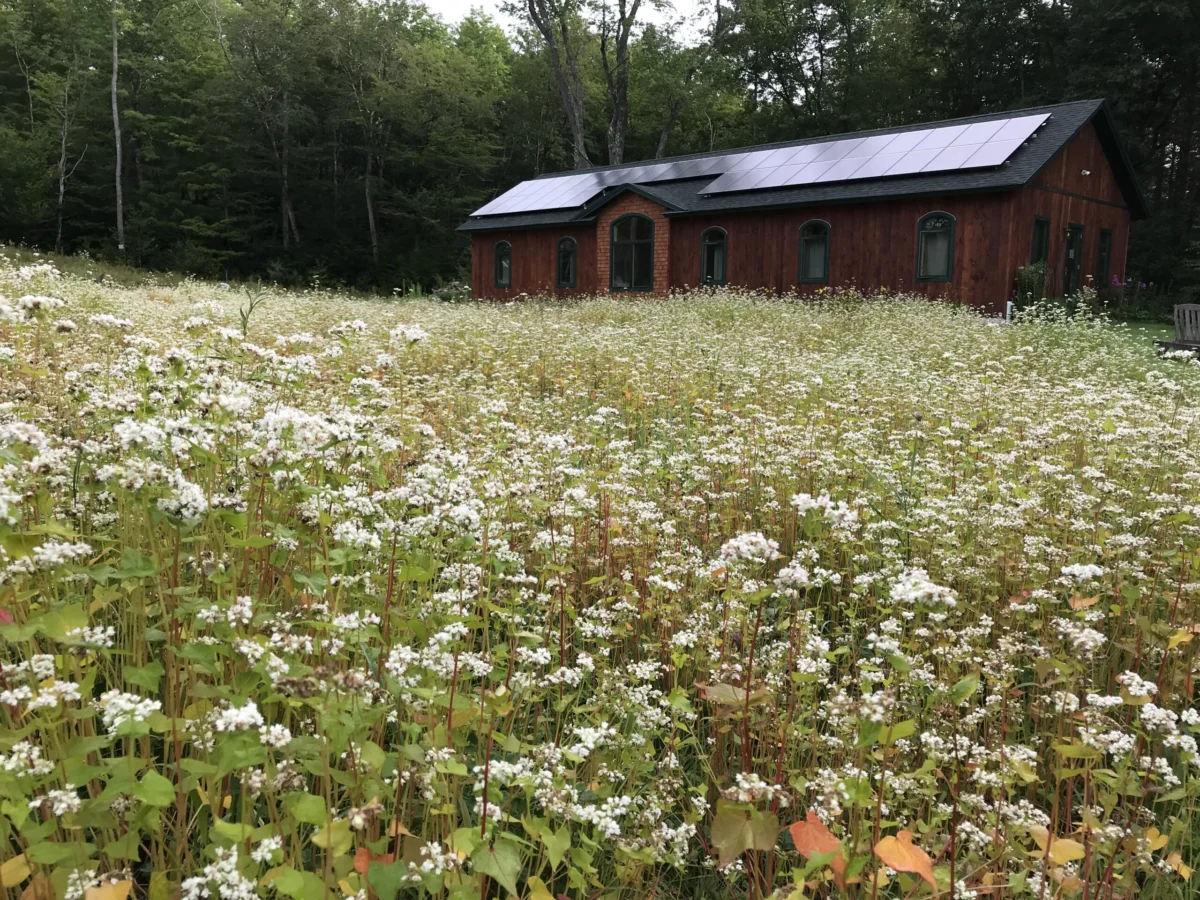
Inner Fire is a 43-acre farmstead in Brookline, Vermont, designed to support individuals who wish to reduce or eliminate their reliance on psychotropic drugs, including antipsychotics, benzodiazepines, and antidepressants. The program is unique in its intensive, year-long residential structure, which combines physical labor, artistic therapy, and a strict nutritional regimen to stabilize the nervous system during the volatile withdrawal process.
The program operates on several core pillars:
- A One-Year Commitment: Birch insists on a full year to allow for both the physical tapering of drugs and the subsequent "soul work" required to address the underlying trauma or issues that led to medication in the first place.
- The Anthroposophical Lens: The program is rooted in anthroposophy—a philosophy that views the human being as a tripartite entity of body, soul, and spirit. Birch argues that "mental health" is often a misnomer for "soul health."
- Grounding Through Labor: Seekers engage in rigorous physical work, from splitting wood and gardening to tending to a herd of 12 goats. This is intended to keep the individual "in their body" as the sensory world becomes sharper and more overwhelming during tapering.
- A Screen-Free Environment: There are no cell phones, computers, or radios for the majority of the stay. This removal of digital noise is intended to force a confrontation with the self and foster genuine community connection.
Chronology: From European Clinics to a Vermont Farmstead
The genesis of Inner Fire was born out of tragedy. Beatrice Birch spent nearly 40 years practicing artistic therapy in England and Europe, primarily within anthroposophical clinics. In these settings, medication was rarely the primary intervention, and Birch witnessed a holistic approach to "soul-rooted" conditions like angina, asthma, and psychosis.
Upon returning to the United States, Birch began working at a traditional rehabilitation center. The contrast was jarring. "A number of the residents realized that I was not really from the system," Birch recalls. "They looked me straight in the eyes and said, ‘I hate being medicated. Is there a choice?’"
The turning point came when, within two years of leaving that facility, six of the twelve residents Birch had worked with chose suicide. This "karmic moment" served as a wake-up call. Birch realized she could no longer "bury her head in the sand" regarding the limitations and potential harms of the prevailing psychiatric model.
In 2014, Birch and her husband, Tom Kavet—an economist for the Vermont State Legislature—embarked on the journey to create Inner Fire. They purchased an abandoned farmstead for $500,000, a price lowered by a seller who believed in the mission. For the first nine years, Birch and Kavet lived in two small rooms within the farmhouse, dedicating every resource to the program. By 2019, they had raised over $1$ million to build the "East Wing," a dormitory that currently houses up to eight seekers.
Supporting Data: The Logistics of a Radical Model
Inner Fire is a small-scale operation by design. The work is too intense, Birch argues, for a large facility. Over the past decade, approximately 65 seekers have moved through the program.
The Cost of Care
One of the most significant hurdles for the program is its cost. A year at Inner Fire costs $237,000. This figure reflects the high ratio of staff to seekers and the intensive nature of the 24/7 residential support. Because the program does not follow standard clinical protocols, it is rarely covered by insurance, though some tenacious families have successfully sought reimbursement.
To bridge the gap, Birch spends a significant portion of her time fundraising. Approximately two-thirds of the seekers receive some form of financial aid. Birch remains critical of the systemic failure that prevents such holistic care from being accessible through state funding or standard healthcare plans.
The Daily Rhythm
The program’s success is attributed to a rigorous schedule that begins at 6:15 AM.
- Morning: Physical labor (woodwork, gardening, cooking) and communal walks with goats.
- Nutrition: A strictly organic, whole-food, gut-friendly diet. Recently, the program transitioned to a ketogenic diet, led by a professional nutritionist and chef, to further support brain health.
- Afternoon: Therapeutic interventions including Eurythmy (a movement art), artistic therapy, Spatial Dynamics, somatic experiencing, and the Alexander Technique.
- Evening: Social integration through creative writing, music, and "sharing circles" where seekers offer mutual appreciation to combat the shame often associated with mental illness.
Challenges and Official Responses: Navigating the Risks of Withdrawal
Tapering off long-term psychotropic medication is not merely a matter of willpower; it is a physiological ordeal. Birch notes that as the "blanket" of medication lifts, colors become brighter and sounds sharper. Without proper grounding, this sensory influx can lead to mania or "slipping up into the head."
Addressing Safety and Violence
A common critique of medication-free or tapering programs is the risk of volatility. Birch is transparent about the challenges: in 11 years, Inner Fire has seen five acts of violence. While Birch notes that this is statistically much lower than the rate of violence in locked psychiatric wards, it highlights the inherent risks.
The program’s response is preventative rather than punitive. Staff—referred to as "guides"—are trained to watch for subtle changes in a seeker’s gait or eye movement. "If someone is tipping into mania, they’re going to walk differently," Birch explains. The intervention might be as simple as vigorous exercise: "We jump rope together. You’ve got all this energy, but you’ve got to be focused. You have to be in your body."
The Role of Medical Professionals
Inner Fire employs a naturopath and a medical doctor who visits three days a week. Unlike the traditional model, where a psychiatrist might see a patient for 15 minutes once a month, the doctor at Inner Fire knows the seekers intimately. This allows for a "very slow, very slow" tapering process that can be adjusted in real-time based on the individual’s daily stability.
Implications: A Global Groundswell for Choice
The existence of Inner Fire points to a growing global dissatisfaction with the "maintenance" model of psychiatry. Birch reports receiving inquiries from Texas, Michigan, the U.K., Africa, and Japan. An email from South Africa summarized the sentiment: "Knowing Inner Fire exists gives us hope."
The implications of Birch’s work challenge the "non-compliant" label often assigned to patients who resist medication. In Birch’s view, these individuals are often listening to their "inner fire"—an innate drive for autonomy and clarity that the current system is ill-equipped to handle.
The Need for Data
While the qualitative success stories—such as a seeker whose auditory hallucinations ceased while splitting wood—are compelling, Robert Whitaker and Birch agree that more formal data is needed. Gathering long-term outcome data on the 65 individuals who have completed the program would provide a much-needed evidence base for this alternative model.
Future Outlook
Birch’s immediate goal is to raise $2.1 million to complete the "West Wing" of the facility, which would bring the total capacity to 12 seekers. However, she has no desire to expand beyond that. Instead, she envisions Inner Fire as a "model project." She invites those interested in starting similar programs elsewhere to live at the Vermont farmstead and "breathe the work" before taking the philosophy back to their own communities.
As the interview concluded, Birch reflected on the "rewarding" nature of the work. Despite the financial struggles and the intensity of the tapering process, she remains in awe of the human spirit. "I’ve always believed in the resilience of the human spirit, and now I see it," she said. "There’s still that inner fire, despite the hell people have gone through."
For the families and seekers who find their way to this corner of Vermont, Inner Fire is more than a rehab center; it is a testament to the idea that there is, indeed, a choice.