










For generations, the progress of human health has been propelled by those who dared to ask “what if?” and possessed the tenacity to pursue the answer, regardless of societal barriers. Throughout history, women in science have frequently operated in the shadows of their male counterparts, yet their contributions have been the bedrock upon which modern medicine is built.
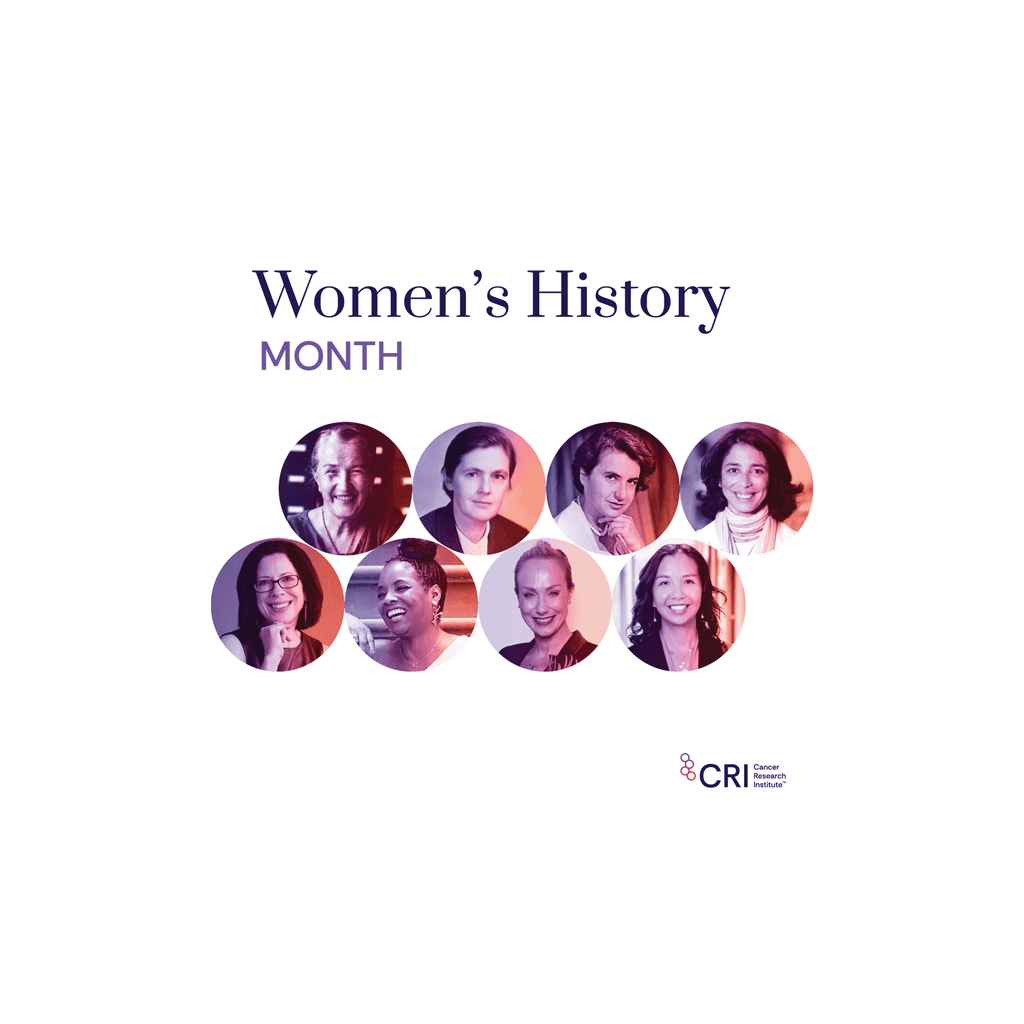
During Women’s History Month, the Cancer Research Institute (CRI) turns its gaze toward the visionaries who disrupted the status quo. From the laboratory bench to the regulatory boardroom, and from the clinic to the patient’s bedside, the following eight women represent a continuum of courage. Their collective work has not only expanded our understanding of human biology but has fundamentally altered how we treat—and survive—disease.
The Chronology of Disruption: A Legacy of Innovation
The history of medical science is not a linear progression; it is a series of breakthroughs punctuated by individuals who refused to accept the limitations of their time.
The Early Foundations: 1950s and 1960s
The mid-20th century was a period of profound scientific upheaval. It was an era defined by the deciphering of the genetic code and the early, tentative explorations into the immune system’s potential to combat malignancy.
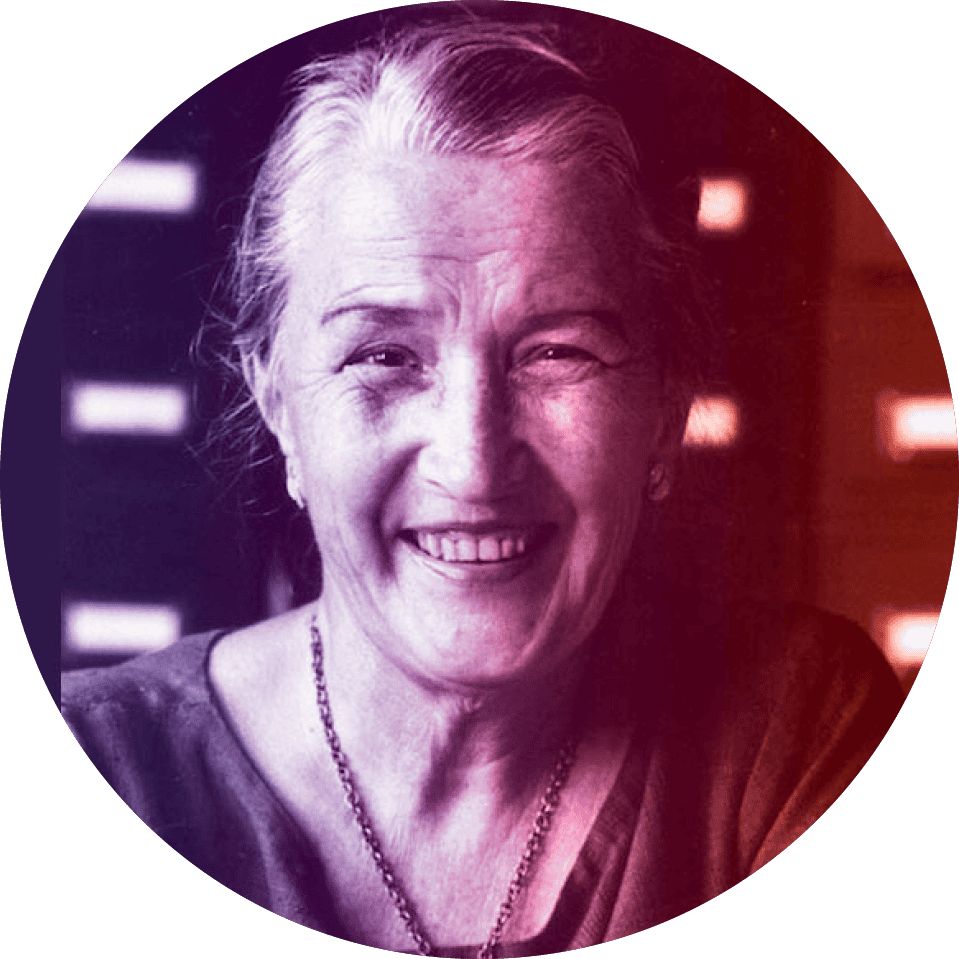
- Helen Coley Nauts (1953): In a field dominated by men, Nauts—a non-scientist—founded the Cancer Research Institute. Driven by her father’s pioneering work with "Coley’s Toxins," she spent decades legitimizing the concept of immunotherapy, a field that was largely ignored by the medical establishment of the time.
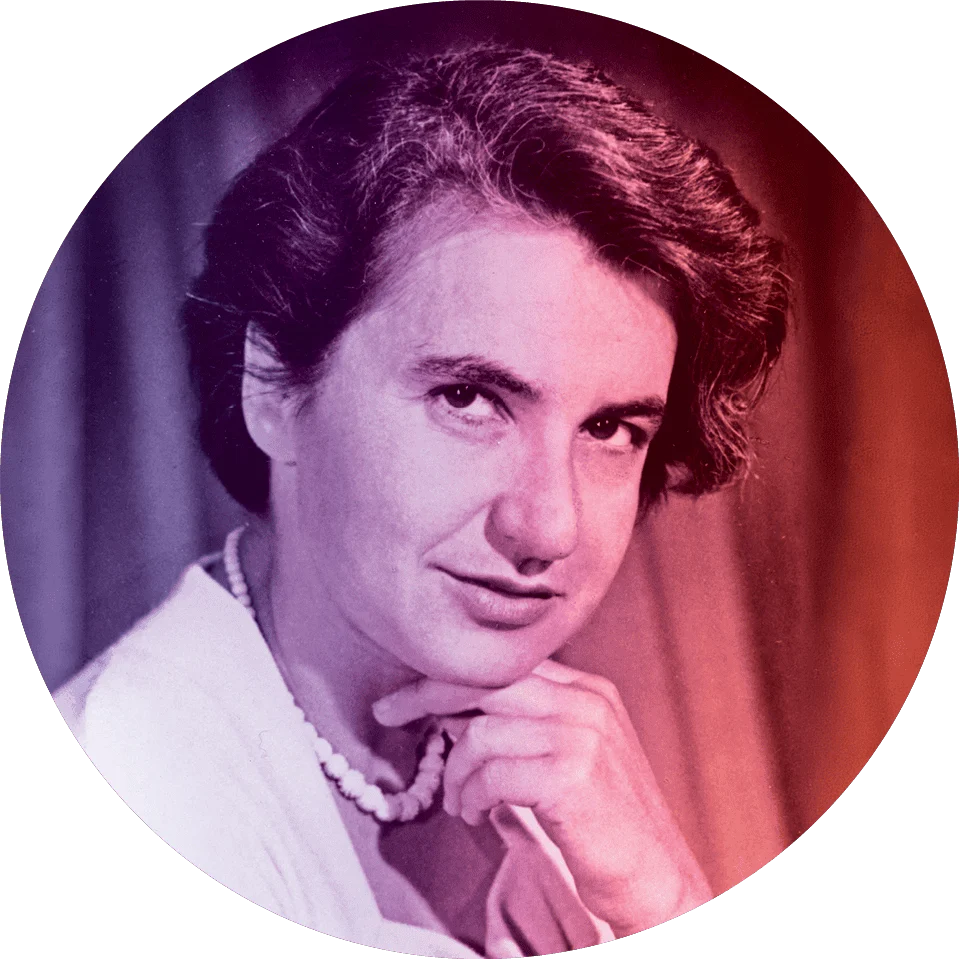
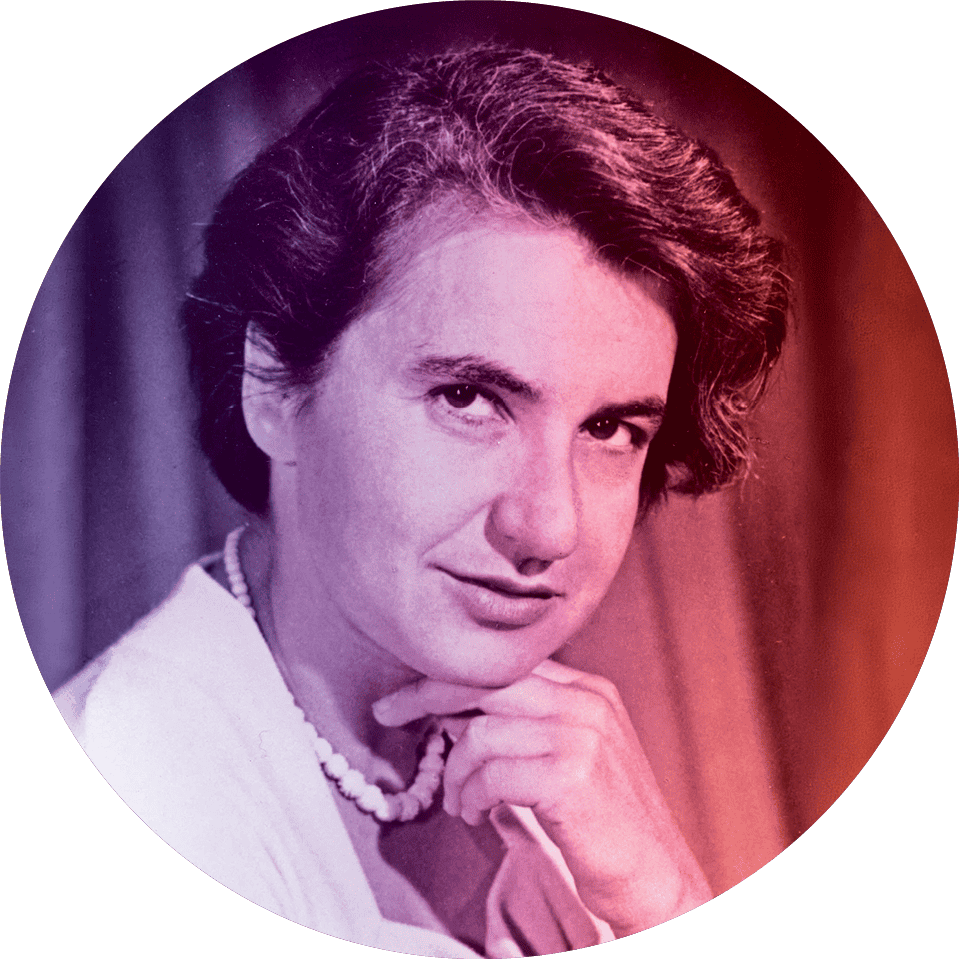
- Rosalind Franklin (1952–1953): Working in the shadow of institutional bias at King’s College, London, Franklin captured "Photograph 51," the definitive X-ray diffraction image that revealed the double-helix structure of DNA. Her work provided the blueprint for modern molecular biology, though it would take decades for her contributions to receive the global recognition they deserved.
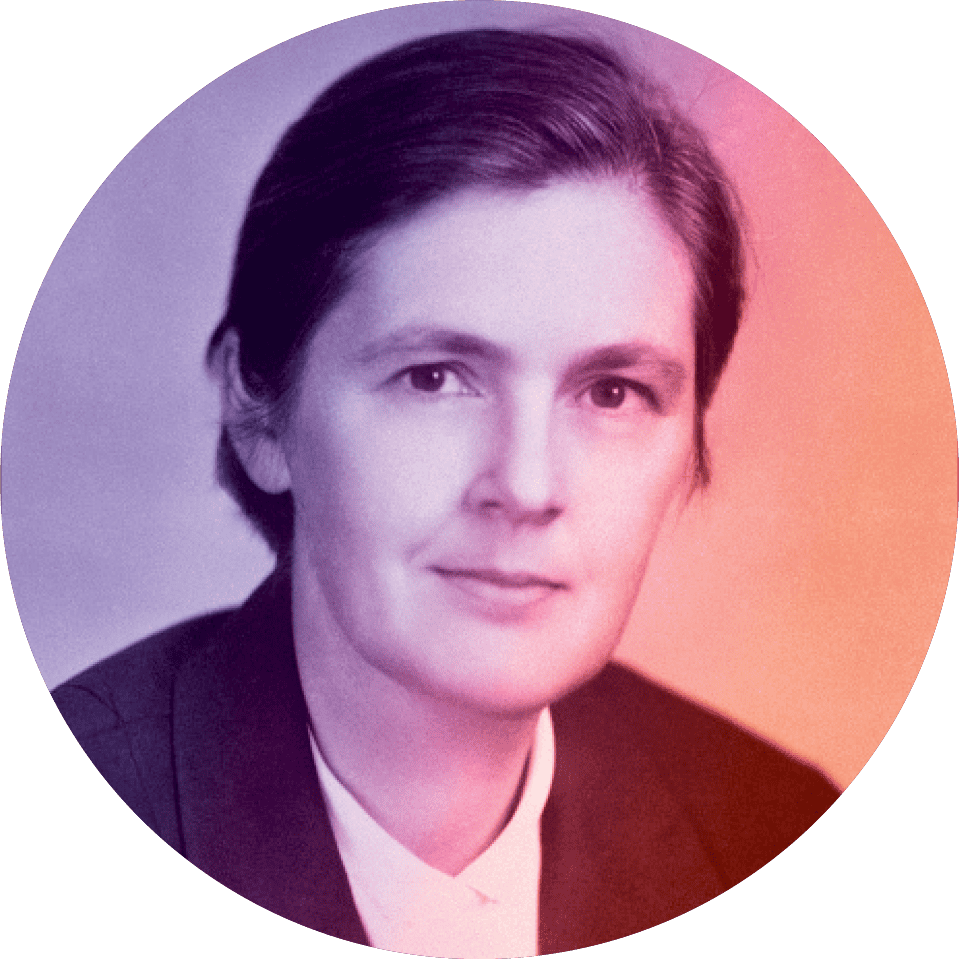
- Dr. Frances Kelsey (1960): At the FDA, Dr. Kelsey stood as a wall of integrity against the pharmaceutical industry. Her refusal to approve thalidomide—despite immense pressure—spared thousands of American families from the birth defects that were ravaging Europe. Her legacy is the modern standard of drug safety and rigorous clinical efficacy.
The Modern Era: Precision and Patient Advocacy
As the 21st century dawned, the focus shifted from foundational discovery to the translation of science into patient-centered care. The rise of immunotherapy has turned stage 4 diagnoses—once considered a death sentence—into stories of survival, led by researchers like Drs. Miriam Merad and Elizabeth Jaffee, and patient-advocates like Karen Peterson and Sharon Belvin.
Supporting Data: The Impact of Immunotherapy
The shift from traditional cytotoxic chemotherapy to immunotherapy represents a seismic change in oncology. Data from the last decade highlights the efficacy of this approach:
- Survival Rates: The introduction of checkpoint inhibitors, such as ipilimumab (the drug that saved Sharon Belvin), has increased the five-year survival rate for metastatic melanoma from less than 10% to over 50% in many cohorts.
- Vaccine Development: Under the guidance of leaders like Dr. Elizabeth Jaffee, research into vaccine-based therapies for pancreatic cancer is moving from speculative science to active clinical trials, aiming to address one of the most lethal malignancies in existence.
- Innate Immune Profiling: Dr. Miriam Merad’s work in mapping the innate immune system has provided the "map" for researchers to understand why some tumors remain "cold" (hidden from the immune system) while others respond to therapy.
Profiles in Leadership: The Women Shaping Tomorrow
Helen Coley Nauts: The Architect of Immunotherapy
Helen Coley Nauts was an unlikely revolutionary. After her father, Dr. William B. Coley, passed away, she discovered his medical records detailing the successful use of bacteria to induce tumor regression. Rather than letting the research fade into obscurity, she spent 20 years meticulously cataloging these findings. Her co-founding of CRI in 1953 ensured that immunotherapy remained a viable, funded field of study, eventually leading to the Nobel Prize-winning breakthroughs of the modern era.
Dr. Frances Kelsey: The Guardian of Integrity
Dr. Kelsey’s tenure at the FDA serves as a masterclass in professional ethics. When she was tasked with reviewing thalidomide, the pressure to "fast-track" the drug was immense. Her insistence on rigorous safety data transformed the regulatory landscape, leading to the Kefauver-Harris Amendment of 1962, which required pharmaceutical companies to prove both safety and effectiveness. Her life remains a testament to the power of the individual voice in government.
Dr. Rosalind Franklin: The Unsung Visionary
Franklin’s expertise in X-ray crystallography allowed her to see what others could only theorize. While her data was utilized by Watson and Crick to secure their place in history, her work stands on its own as the catalyst for the genetic revolution. Today, her legacy is protected by a scientific community that recognizes her as the primary architect of our understanding of DNA.
Dr. Miriam Merad: Mapping the Immune Landscape
As Chair of the Department of Immunology and Immunotherapy at Mount Sinai, Dr. Merad is at the cutting edge of "systems immunology." By studying primary patient samples within the clinical setting, her lab is creating a real-time feedback loop between the bench and the bedside. Her influence extends to the CRI Scientific Advisory Council, where she helps determine the next generation of life-saving research projects.
Dr. Elizabeth Jaffee: Bridging the Gap
Dr. Jaffee has spent her career at Johns Hopkins dismantling the barriers that prevent pancreatic cancer research from reaching the clinic. Her work on vaccine-based approaches is unique in its focus on "immune tolerance," the process by which tumors hide from the body’s defenses. Her role as Associate Director of the CRI Scientific Advisory Council underscores her commitment to mentoring future researchers and maintaining a pipeline of talent.
From Patient to Pioneer: The Power of Advocacy
The story of medicine is incomplete without the voices of the patients who participate in the research.
Karen Peterson and Sharon Belvin are not just survivors; they are the evidence that clinical trials work. Peterson’s experience as a "complete responder" in a phase 1 trial for triple-negative breast cancer and her subsequent founding of Karen’s Club highlight a crucial issue in modern medicine: health equity. She works to ensure that patients of color are empowered to access the clinical trials that could save their lives.
Similarly, Sharon Belvin’s recovery from stage 4 melanoma via the first-ever ipilimumab trial serves as a living proof-of-concept for the entire field of immuno-oncology. Her story serves as a reminder to researchers, donors, and policymakers that every clinical trial participant represents a potential transformation of human life.
Official Perspective: The Path Forward
Dr. Alicia Zhou, CEO of the Cancer Research Institute, represents the next generation of scientific leadership. With a background that bridges high-level scientific research and large-scale public health infrastructure, Dr. Zhou is steering CRI toward a future of global collaboration.

"The history of immunotherapy is a story of persistence," says Dr. Zhou. "My focus at CRI is to ensure that the bridge between basic laboratory discovery and patient application is as short as possible. We are at a moment where we can see the potential to turn cancer into a manageable, or even curable, condition. But this requires us to break down silos, foster global data sharing, and ensure that our clinical trials are accessible to all."
Under her leadership, the organization is investing in the "high-risk, high-reward" research that traditional funding bodies often avoid, ensuring that the next Helen Coley Nauts or Rosalind Franklin has the resources to follow their intuition to its logical—and lifesaving—conclusion.
Implications for the Future of Medicine
The cumulative legacy of these eight women points toward a singular, profound conclusion: Progress is an active process, not a passive one.
The future of medicine relies on:
- Challenging Convention: Much like Nauts, we must continue to question why certain treatments are considered "dead ends."
- Regulatory Vigilance: Dr. Kelsey’s legacy reminds us that safety and efficacy must never be sacrificed for speed.
- Data Transparency: The lessons from Dr. Franklin’s treatment remind the scientific community that progress is only as strong as the integrity of the credit given to those who make it possible.
- Patient Empowerment: The survival stories of Peterson and Belvin demonstrate that an informed, proactive patient is a vital partner in the research process.
As we move further into the 21st century, the field of cancer immunotherapy is rapidly evolving. We are shifting from blunt-force treatments to precision medicine that empowers the body’s own immune system to recognize and destroy malignant cells. This evolution is only possible because of the trailblazers who refused to accept the "status quo."
Their work is far from finished. It continues in the laboratories of Mount Sinai, the halls of Johns Hopkins, and the advocacy groups founded by those who survived against the odds. By honoring these women, we do not just look back at history; we look forward at the blueprint for the next century of medical breakthroughs. The future of science belongs to those who have the courage to disrupt it.