











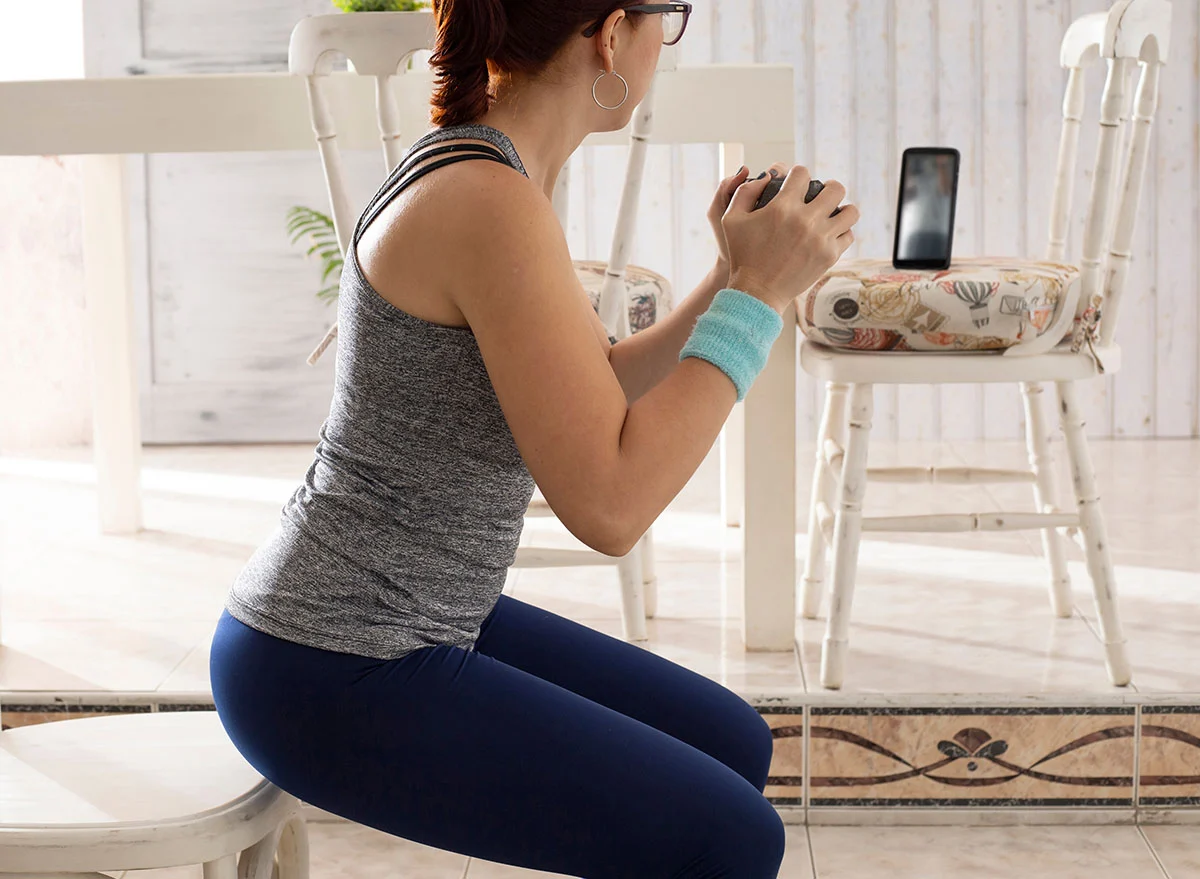
In the landscape of modern fitness, we are often inundated with complex routines, high-tech gym equipment, and extreme interval training. Yet, some of the most profound improvements in physical health come from mastering the most basic, functional human movements. Among these, the "sit-to-stand"—a foundational movement often overlooked in favor of more aesthetic-focused exercises—stands as the gold standard for assessing and building lower-body strength and independence in the later stages of life.
Whether you are struggling to rise from the floor after playing with your grandchildren or simply finding that your daily chores require more effort than they used to, the humble chair squat is the solution. It is not merely an exercise; it is a critical diagnostic tool and a preventative measure against the most common threats to mobility as we age.
The Mechanics of Independence: Understanding the Sit-to-Stand
At its core, the sit-to-stand exercise is the practice of rising from a seated position to a standing position without using your hands for support. It is a movement that requires the synchronized recruitment of the glutes, hamstrings, and quadriceps—the "powerhouse" muscles of the lower body.
When you perform a sit-to-stand, you are forcing your body to lift its own weight against gravity repeatedly. This is a functional movement pattern that mirrors the mechanics of walking, climbing stairs, and entering or exiting a vehicle. By training this movement, you are essentially practicing for the daily activities that keep you mobile, autonomous, and active.
Expert Perspective: Why Stability Starts in the Chair
According to Steven Pungello, a Sports Rehab Chiropractor at Full Stride Spine & Sport, the sit-to-stand movement is not just about muscle building—it is a vital safety intervention. Pungello, who specializes in treating athletes and individuals recovering from injuries, emphasizes that the transition from sitting to standing is one of the most common windows for falls among adults over the age of 60.
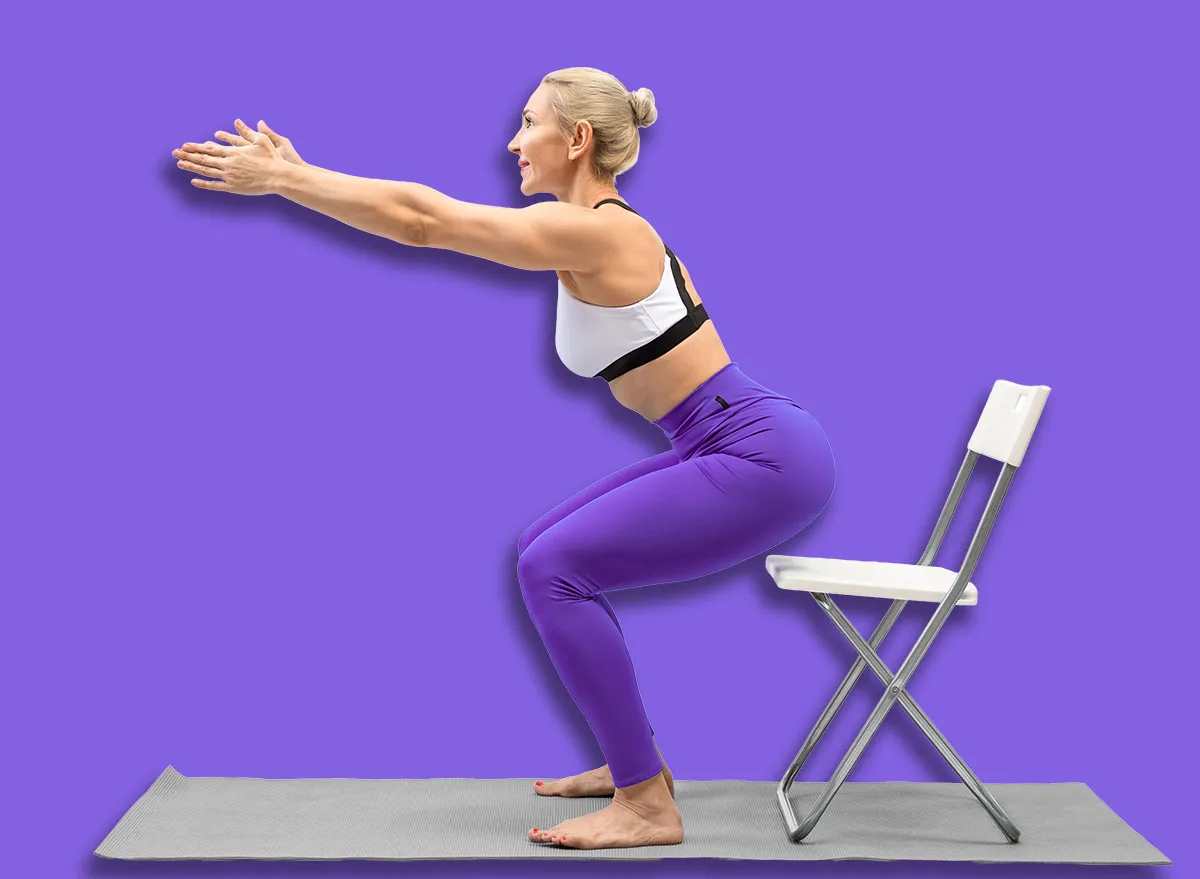
"Training this movement pattern can prevent a fall or a fracture down the road," Pungello explains. "This exercise is fundamentally similar to the squat, in that it trains the glutes, quads, and core muscles simultaneously. For those who have been sedentary, it acts as a perfect, low-impact introduction to more intensive strength training."
When a person loses the ability to stand up without assistance, their world inevitably begins to shrink. The fear of being "stuck" in a chair or on the floor leads to a decrease in physical activity, which in turn leads to muscle atrophy, further reducing the ability to move. It is a downward cycle that the sit-to-stand exercise is specifically designed to break.
Chronology of Mobility: The Importance of Maintenance
The decline in physical mobility does not happen overnight. It is a slow, often unnoticed process that occurs over years of reduced activity.
- The Early Phase (Age 40–50): During this period, most people remain active, but the gradual onset of desk-bound work or sedentary habits begins to weaken the gluteal muscles—a condition often referred to as "gluteal amnesia."
- The Transitional Phase (Age 50–60): As metabolic rates shift and natural muscle mass begins to decline (sarcopenia), the ease with which one rises from a chair may decrease. This is the optimal window to introduce functional strength training.
- The Maintenance Phase (Age 60+): By this stage, the focus must shift toward maintaining the structural integrity of the lower body. Regular, daily practice of the sit-to-stand movement ensures that the neurological pathways and muscular strength required for independent living remain sharp.
The "Elite" Standard: Assessing Your Lower-Body Endurance
How do you know if your lower body is functioning at an optimal level? Pungello suggests a simple yet rigorous test to determine your status.
To perform the "Elite Endurance Test," set a timer for 30 seconds and count how many times you can move from a fully seated position to a full standing position.
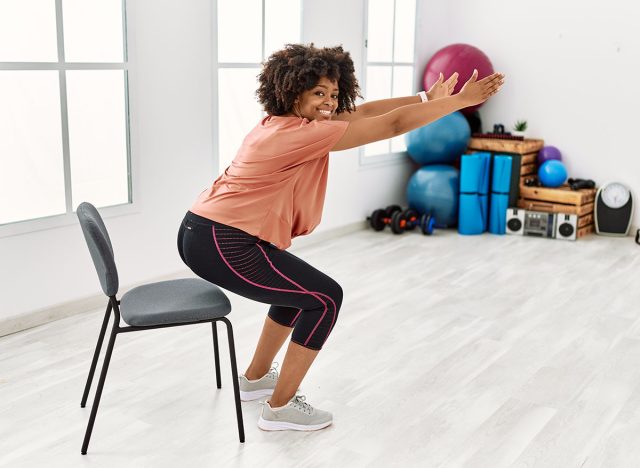
- The Gold Standard: Performing 20 or more sit-to-stands in 30 seconds is considered "elite" for individuals over the age of 60.
- The Healthy Baseline: Completing 12 to 15 repetitions with solid, controlled form is an excellent indicator of functional independence and a significantly reduced fall risk.
It is important to note that if you fall short of these numbers, there is no cause for alarm. The goal of this test is to establish a baseline. By tracking your progress over several weeks, you can witness the rapid adaptation of your muscles and the improvement in your overall stamina.
Beyond the Numbers: Technique and Form
A common error observed by physical therapists and trainers is the reliance on momentum or arm support. Many individuals use their hands to push off their thighs or the armrests of a chair to "launch" themselves upward.
"We want to use this exercise to break that habit," Pungello advises. "The goal is to rely on your legs to generate the force required to stand. By removing the support of the arms, you force the quadriceps and glutes to engage fully, which is where the real strength gains are made."
How to Execute the Perfect Sit-to-Stand:
- Chair Selection: Choose a sturdy chair that does not slide. The seat should be at a height where your knees are at a 90-degree angle when your feet are flat on the floor.
- The Starting Position: Sit toward the edge of the chair with your feet hip-width apart. Keep your chest up and your gaze forward.
- The Movement: Cross your arms over your chest or hold them out in front of you. Lean forward slightly from the hips, engage your core, and press through your heels to stand up until your legs are fully extended.
- The Descent: Slowly and with control, lower yourself back down to the chair. Do not "plop" into the seat; the controlled descent is just as important for muscle development as the rise.
Implications for Longevity and Quality of Life
Why does lower-body endurance matter more as we age? The answer lies in the concept of "functional reserve." Think of your physical strength as a bank account. As we age, we naturally make withdrawals from this account. If you start with a low balance, even a minor illness or a period of recovery from an injury can lead to bankruptcy—or in physical terms, a loss of independence.
"Keeping up with this movement opens the door to doing more activities and exercises," says Pungello. "If you fatigue out too early, you become limited not only in the activities you enjoy, like playing with grandchildren or gardening, but also in the rehab required to recover from future health challenges."

By prioritizing the sit-to-stand, you are investing in your future. You are ensuring that you have the stamina to navigate the world on your own terms. Whether you are aiming for the "elite" 20-rep mark or simply looking to make daily movements easier, the consistency of this exercise is the key to maintaining your quality of life.
Conclusion: Start Where You Are
The beauty of the sit-to-stand is its accessibility. It requires no gym membership, no expensive equipment, and no special athletic attire. It can be performed in the living room, the office, or the park.
If you are just beginning, start with a higher chair or use a pillow on the seat to decrease the depth you need to travel. As your strength grows, remove the aids. Consistency is the primary driver of success here. By dedicating just a few minutes each day to this simple, repetitive motion, you are building a foundation of strength that will support you for years to come.
Remember: the goal is not to be a professional athlete; the goal is to be a healthy, independent human being. Your journey toward elite lower-body endurance starts with the very next time you rise from your seat. Stand tall, stand strong, and keep moving.