







In an era defined by rapid-fire wellness trends—ranging from restrictive juice fasts to high-intensity supplement regimens—the ancient science of Ayurveda offers a counter-narrative. At the heart of this thousands-year-old tradition lies Panchakarma, a sophisticated, multi-stage detoxification process that has recently seen a resurgence as the "gold standard" in holistic health. Unlike modern "quick-fix" detoxes that focus on temporary weight loss or superficial digestive relief, Panchakarma is an intricate, individualized system designed to purge toxins from the deepest tissues of the body, restoring the harmony between mind, body, and spirit.
The Philosophical Foundations of Ayurvedic Healing
To understand the efficacy of Panchakarma, one must first understand the Ayurvedic worldview. As articulated by renowned teacher Vasant Lad, BAM&S, MASc, Ayurveda is not merely a medical system; it is the "science of life" and an art form focused on graceful living in alignment with the macrocosm.
The fundamental axiom of this philosophy is: "You are the world, and the world is you." This implies that every external factor—the food we consume, the quality of the air, our interpersonal relationships, our career stressors, and our circadian rhythms—directly influences our internal health. In Ayurveda, we are defined by our prakruti (our unique, balanced constitution) and our vikruti (our current state of imbalance).
Health is defined as the perfect equilibrium of body, mind, and spirit. When our internal channels are obstructed by environmental and lifestyle stressors, we lose this balance. Consequently, detoxification is not a seasonal luxury; it is a fundamental pillar of preventative maintenance.
The Two Pillars: Shamana vs. Shodhana
Ayurvedic practitioners categorize therapeutic interventions into two primary branches:
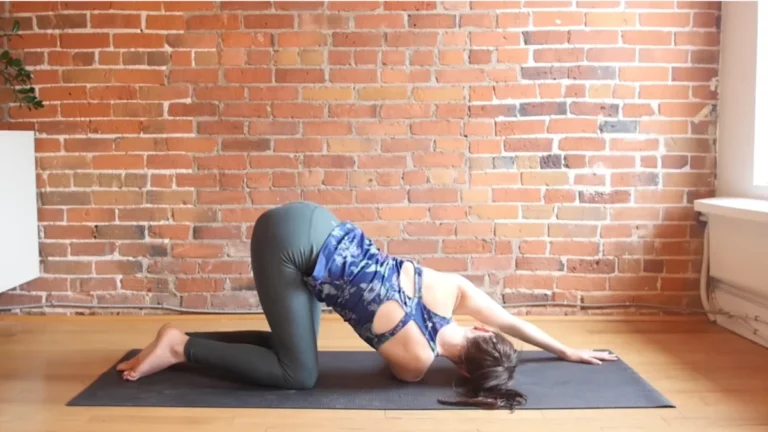
- Shamana (Palliative Support): This involves the management of the doshas (biological energies) through lifestyle modifications. This includes personalized dietary plans, daily routines (dinacharya), yoga, pranayama (breathwork), and quality sleep. It is the steady, ongoing work of maintaining harmony.
- Shodhana (Cleansing): This is the domain of Panchakarma. It is the deep-tissue cleansing process designed to clear obstructions in the srotas (channels) of the body. By removing these blockages, the body can restore the free flow of prana—the vital life force.
The Chronology of the Detox: From Tissue to Transformation
Unlike a standard three-day juice cleanse, which typically only affects the gastrointestinal tract, Panchakarma is a multi-week, multi-phasic process.
Phase 1: Preparation (Purvakarma)
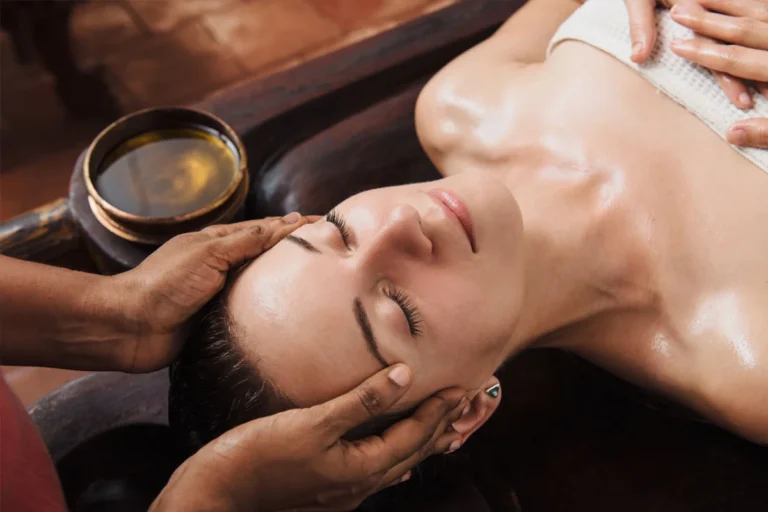
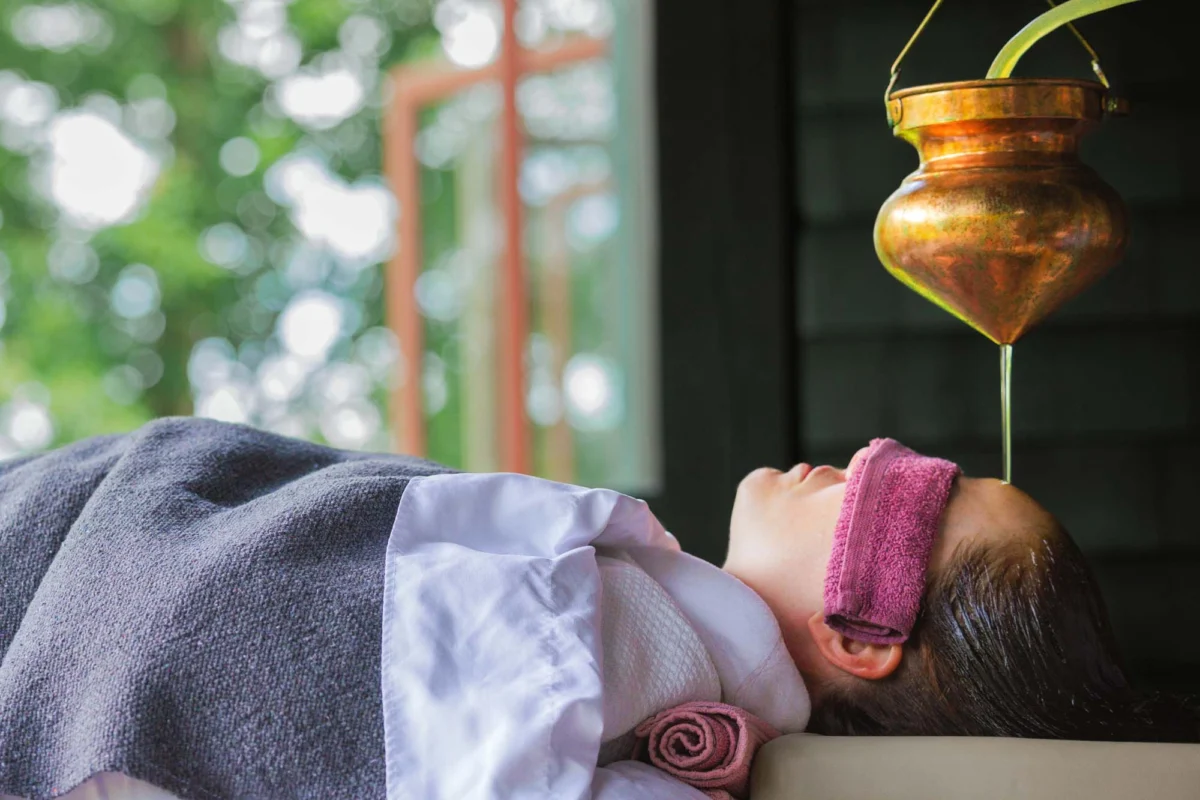
Before any detoxification begins, the body must be prepared. This is critical because if the body is too weak, the process of pulling toxins out can be counterproductive. This phase involves internal and external oleation—consuming specific fats and undergoing specialized oil massages (abhyanga)—to loosen the ama (metabolic toxins) embedded in the deep tissues.
Phase 2: Active Elimination (Pradhana Karma)
Once the toxins are loosened and mobilized, they are moved toward the digestive tract to be eliminated. This phase is highly personalized. Depending on the individual’s vikruti, the practitioner may use specific herbal enemas (bastis), nasal administration of oils (nasya), or other targeted treatments to physically remove the ama.
Phase 3: Post-Cleansing Rejuvenation (Paschat Karma)
The final stage is perhaps the most overlooked in modern wellness. After the body has been "emptied" of toxins, it is vulnerable. This phase focuses on Rasayana (rejuvenation), where the diet is slowly reintroduced, and specific herbs are used to rebuild the digestive fire (agni) and restore vitality to the tissues.
Supporting Data: Why "Quick Fixes" Fall Short
The modern wellness market is saturated with over 25 different types of detox protocols. While many of these—such as water or fruit fasts—provide a sense of "lightness," they are often limited in scope.
The primary difference lies in the concept of ama. In modern diets, processed foods and stress create toxins that reside not just in the gut, but in the fatty tissues, joints, and organs. A juice cleanse may provide a temporary break for the digestive system, allowing for a fleeting sense of clarity. However, it fails to mobilize the deep-seated toxins residing in the peripheral tissues.
Panchakarma is unique because it utilizes the body’s own lipid-based transport system. By saturating the body with therapeutic oils, Ayurvedic practitioners draw these deep-seated toxins into the GI tract, where they can be systematically eliminated. This process ensures that the "lightness" felt by the client is not just a result of a caloric deficit, but a systemic removal of biological and energetic debris.
Official Perspectives: The Role of the Practitioner
The complexity of Panchakarma necessitates expert supervision. It is not a "do-it-yourself" process. An Ayurvedic practitioner must monitor the client daily to observe how the body is responding to the mobilization of toxins.
The Practitioner’s Responsibility
At institutions like The Ayurvedic Institute, students learn that the efficacy of the cleanse is tied to the practitioner’s presence. As Vasant Lad teaches, the practitioner must ask, "How are we holding the client in our awareness?"
This requires a shift from viewing the client as a patient to viewing them as a human being in a state of transition. Practitioners are trained to:
- Observe: Watch for signs of detoxification stress (fatigue, emotional release, or physical symptoms).
- Adapt: Modify the herbal protocol or the frequency of treatments based on the client’s real-time feedback.
- Support: Provide the compassionate, graceful environment necessary for the "inner alchemy" of the process to occur.
Implications for Modern Health
Why should a modern, busy professional invest the time and resources into a full Panchakarma retreat? The implications for long-term health are profound.
1. Seasonal Resilience
Ayurveda suggests that individuals should cleanse at the turn of each season. By doing so, the body is primed to adapt to the changing external environment, significantly reducing the likelihood of seasonal illnesses and chronic imbalances.
2. Digestive Efficiency
Because the process resets the agni (digestive fire), many clients report a permanent shift in their relationship with food. The body becomes more efficient at extracting nutrients and eliminating waste, leading to increased energy levels long after the retreat ends.
3. Psychological Clarity
The connection between the gut and the brain is well-documented in modern science, but Ayurveda has practiced this connection for millennia. By clearing the srotas of the body, the mind often experiences a corresponding clearing of mental fog, anxiety, and repetitive stress patterns.
4. Holistic Integration
Panchakarma is not just about "getting clean." It is an opportunity to disconnect from the bombardment of modern sensory stimulation. By retreating into a space where the rhythm of life is aligned with nature, the client learns the art of living—a skill that remains long after the treatments are complete.
Conclusion
Panchakarma stands as a testament to the sophistication of ancient healing. In a world that often demands we move faster, consume more, and sacrifice our peace for productivity, this Ayurvedic process serves as a necessary intervention. It is a reminder that health is not a static destination, but a fluid, evolving dialogue with our environment.
Whether one is seeking to address a specific health concern or simply desires to recalibrate their internal state, the path of the Panchakarma retreat offers a grounded, evidence-based, and deeply compassionate way forward. By engaging in this ancient practice under the guidance of a skilled practitioner, one does not just "detox"—one returns to the source of their own vitality.
To explore the transformative potential of your own journey, or to learn more about the rigorous training programs that prepare the next generation of practitioners, visit the resources at The Ayurvedic Institute or the SoHum Mountain Healing Resort.