










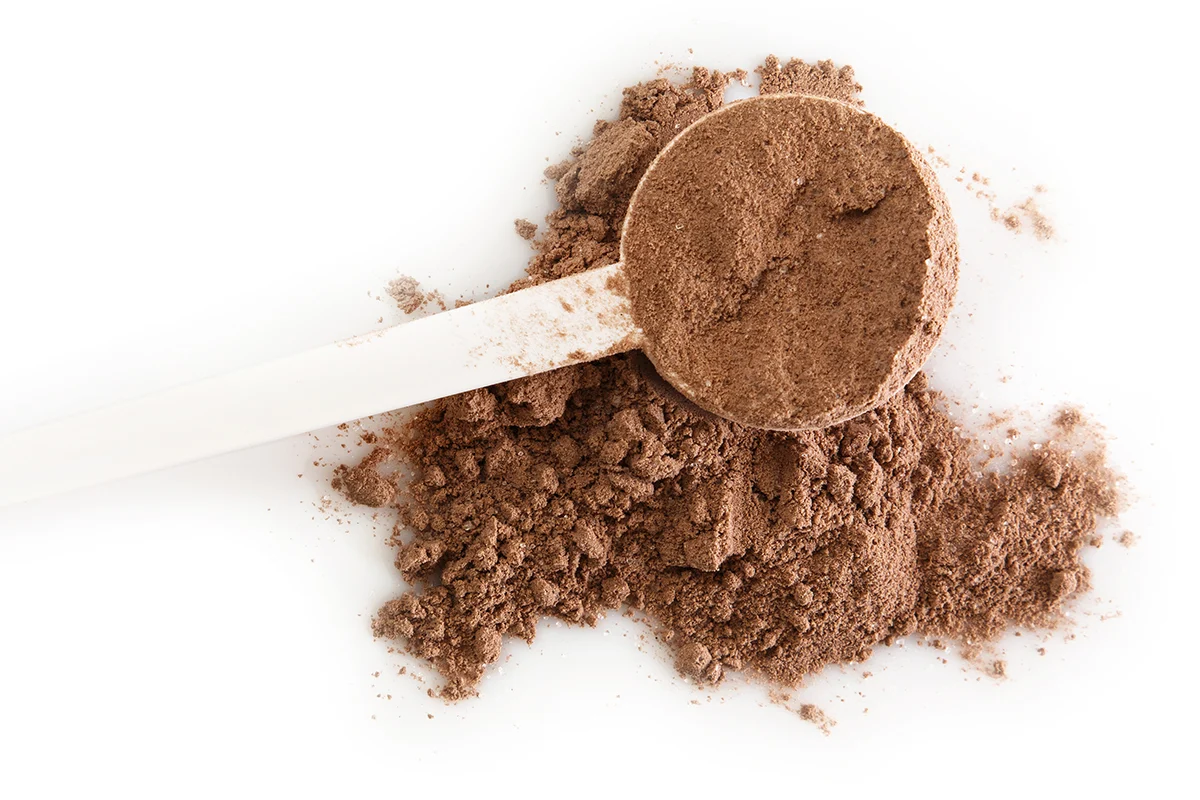
For decades, the mention of creatine monohydrate has been synonymous with the rhythmic clatter of iron plates and the pursuit of maximal strength. It has long been the gold standard for powerlifters, bodybuilders, and collegiate athletes looking to squeeze an extra repetition out of a grueling training session. However, as sports science enters a new era of metabolic and neurological investigation, the narrative surrounding this ubiquitous supplement is undergoing a profound shift.
Emerging research suggests that creatine is far more than a muscle-volumizing tool. It is increasingly being viewed as a fundamental metabolic mediator with the potential to influence cognitive acuity, accelerate systemic recovery, and modulate mood. As these findings move from the periphery of laboratory journals into the mainstream of clinical practice, the fitness industry faces a paradigm shift: is it time to stop viewing creatine as a performance enhancer and start viewing it as a foundational wellness intervention?
Main Facts: The Biochemistry of Versatility
Creatine is a nitrogenous organic acid that naturally occurs in vertebrates. While the body synthesizes it in the liver, kidneys, and pancreas, the vast majority—roughly 95%—is stored within skeletal muscle. Its primary function is to facilitate the rapid regeneration of adenosine triphosphate (ATP), the "energy currency" of the cell. By donating a phosphate group to adenosine diphosphate (ADP), creatine allows for high-intensity, short-duration muscle contractions.
However, the body’s reliance on ATP extends well beyond the gym floor. The brain, which accounts for approximately 2% of body weight but consumes 20% of the body’s energy, is a voracious user of ATP. Recent studies have highlighted that when the brain is under metabolic stress—such as sleep deprivation, mental fatigue, or hypoxic conditions—supplemental creatine can provide a critical buffer, maintaining cognitive efficiency when it would otherwise decline. This has sparked interest in its application for aging populations, students, and professionals in high-stress environments.
A Chronological Evolution of Creatine Research
To understand where we are, we must look at how far the science of creatine has traveled.
The Foundation (1990s – Early 2000s)
The 1990s marked the "Golden Age" of creatine popularity. Researchers established the efficacy of creatine monohydrate for increasing intramuscular phosphocreatine stores, leading to improved performance in high-intensity exercise. During this period, the focus was strictly on muscle hypertrophy and anaerobic power.
The Clinical Shift (2010 – 2020)
As the supplement gained safety data, researchers began looking at its systemic effects. Clinical trials began to investigate creatine’s role in neuroprotection. Studies, such as the landmark 2018 review by Avgerinos et al. published in Psychopharmacology, began to draw statistical correlations between creatine supplementation and improved working memory and processing speed, particularly in populations with lower baseline levels (such as vegetarians or the elderly).
The Modern Frontier (2020 – 2026)
We are currently in an era of nuanced application. Current research is moving away from the "more is better" mantra, focusing instead on individualized dosages, the impact of circadian rhythms on absorption, and the potential for creatine to act as an antidepressant adjunct. The focus has transitioned from "How much can I lift?" to "How can I optimize my neurological and metabolic health?"
Supporting Data: What the Science Tells Us
The evidence supporting creatine’s reach beyond performance is multifaceted.
- Cognitive Resilience: A systematic review of creatine supplementation and brain function has indicated that creatine can mitigate the cognitive impairment typically seen after sleep deprivation. In tests involving complex logic and rapid recall, supplemented groups demonstrated a significantly lower rate of decline compared to placebo groups.
- Recovery and Inflammation: Beyond muscle power, creatine appears to reduce markers of cellular damage following strenuous exercise. By stabilizing cell membranes and reducing oxidative stress, creatine acts as a "cellular stabilizer," which may explain its emerging use in rehabilitation protocols for injury recovery.
- Mood Modulation: While still in its relative infancy, studies investigating the use of creatine alongside SSRIs for clinical depression have shown promising results. The theory suggests that by improving brain energy metabolism, creatine may support the neuroplasticity required for effective emotional regulation.
Data Table: Potential Applications vs. Strength Gains
| Application | Primary Mechanism | Evidence Strength |
|---|---|---|
| Strength/Power | ATP Regeneration | Very High |
| Cognitive Fatigue | Brain Energy Buffering | Moderate |
| Recovery | Reduced Cell Damage | Moderate |
| Mood Support | Improved Neuroenergetics | Emerging |
Official Responses and Clinical Perspectives
The professional consensus is shifting, though it remains cautious. The International Society of Sports Nutrition (ISSN) continues to lead the discourse, advocating for creatine as one of the safest and most effective ergogenic aids available.
However, leading experts warn against "supplemental overreach." Dr. Konstantinos Avgerinos and colleagues have noted in their peer-reviewed work that while the neuro-benefits are statistically significant, they are highly context-dependent. "Creatine is not a panacea," says one clinical researcher involved in the 2026 Fitness Journal review. "It works best where there is a deficiency or an acute metabolic demand. Simply taking it without a structured lifestyle or training program will not yield the cognitive ‘superpowers’ that some marketing campaigns might suggest."
Furthermore, the medical community emphasizes that dosage must be personalized. While 3–5 grams is standard for athletic maintenance, the protocol for cognitive or therapeutic applications may differ, necessitating a conversation between the client and a healthcare provider or a highly credentialed performance coach.
Implications: The Role of the Modern Coach
For the modern fitness professional, the discovery of creatine’s broader applications changes the nature of the consultation. It is no longer just about building a physique; it is about managing the human system.
1. The Holistic Audit
Coaches must begin to view creatine as a tool for the "whole client." An office worker who reports midday "brain fog" or a client recovering from a long-term injury may be a better candidate for creatine than a young athlete looking for vanity gains. Coaches should evaluate a client’s nutritional baseline—noting that vegetarians and vegans often see the most dramatic cognitive benefits due to their lack of dietary creatine sources.
2. Context-Specific Programming
When incorporating creatine, coaches should consider the client’s total metabolic load. Is the client under chronic stress? Are they sleeping poorly? These are the windows where creatine supplementation provides the highest return on investment. The coach’s role is to identify these windows, rather than simply recommending a "one-size-fits-all" scoop.
3. Ethical and Educational Responsibility
As creatine becomes associated with cognitive and mental health benefits, coaches must stay within their scope of practice. It is essential to provide evidence-based literature—such as the work published in the Fitness Journal, 2026, Issue 5—rather than anecdotal advice. The goal is to empower the client with information, allowing them to make informed decisions about their own supplementation.
The Path Forward
The future of creatine is bright, but it requires a disciplined approach to research and implementation. As we continue to uncover the complexities of its interaction with the central nervous system, the fitness industry must lead the charge in professionalizing its use.
We are moving away from the era of "gym-bro science" and into an age of integrated metabolic optimization. Whether it is improving the output of a professional athlete or supporting the cognitive clarity of a busy professional, creatine stands at the intersection of performance and longevity.
As coaches, trainers, and athletes, the mission for the next decade is clear: to look beyond the iron and embrace the wider potential of one of the most studied, yet still mysterious, supplements in the human arsenal. By applying the right dosage, in the right context, to the right population, we can unlock a level of health that transcends the physical—creating a more resilient, sharper, and more capable version of ourselves.
References
Avgerinos, Konstantinos I., et al. "Effects of Creatine Supplementation on Cognitive Function." Psychopharmacology, vol. 235, no. 3, 2018.
Fitness Journal – 2026, Issue 5.