


For millennia, the human gut was a bustling, crowded ecosystem. We co-evolved with a diverse array of microorganisms and multicellular parasites, a biological "old friends" arrangement that helped calibrate our immune systems. However, in the blink of an evolutionary eye, the advent of modern hygiene, sanitation, and medical intervention has largely purged these parasites from the industrialized world. Coinciding with this rapid disappearance is a staggering, parallel rise in autoimmune disorders, allergies, and chronic inflammatory bowel diseases (IBD).
Now, groundbreaking research from the Biology Centre of the Czech Academy of Sciences has unveiled a missing link in this evolutionary puzzle. It appears that the therapeutic potential of intestinal worms—long touted as a possible cure for inflammatory conditions—is not an innate property of the parasite alone. Instead, it is a symbiotic performance that requires a specific fuel source: dietary fiber.
The Main Facts: A Symbiotic Dependency
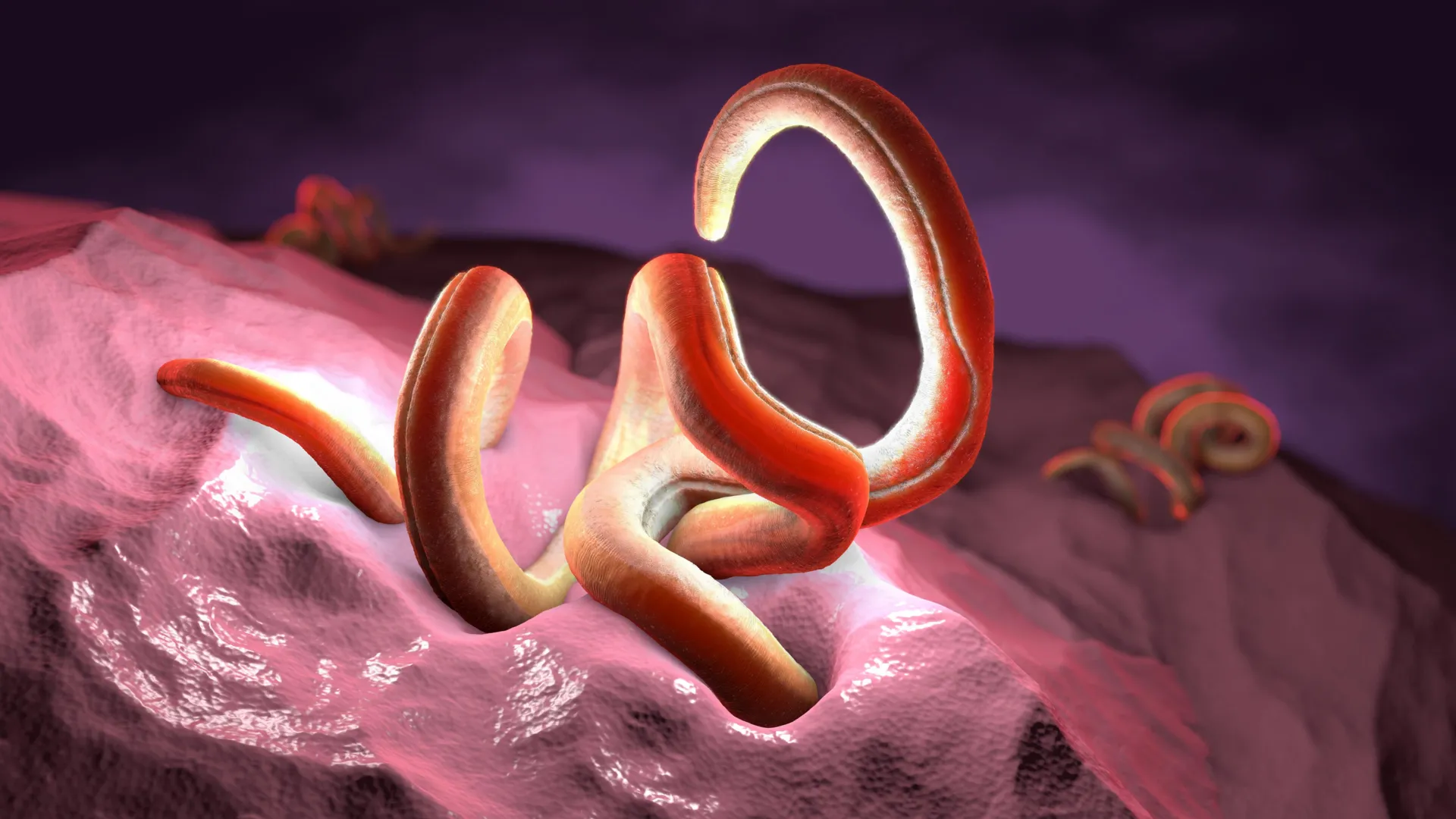
The study, published in the journal Nature Communications, fundamentally shifts our understanding of helminth therapy. Researchers discovered that intestinal worms, such as the rat tapeworm Hymenolepis diminuta, act as "anti-inflammatory agents" only when their host provides them with a high-fiber environment.
Without adequate fiber, these organisms do not simply continue their work; they enter a state of metabolic stasis, essentially hibernating to survive. In this dormant phase, their ability to modulate the host’s immune system evaporates. This finding provides a compelling explanation for the inconsistent results seen in decades of clinical trials regarding helminth therapy. The success of the treatment, it seems, is less about the worm and more about the "dinner" the host is serving.
Chronology: Two Decades of Scientific Pursuit
The path to this discovery began roughly twenty years ago, when immunologists and parasitologists began questioning the "Hygiene Hypothesis." The premise was simple: as we sterilized our environments, our immune systems—no longer challenged by parasites—began to turn on our own tissues, leading to the explosion of autoimmune conditions seen today.
The Rise of Helminth Therapy
In the early 2000s, the scientific community began testing the "Old Friends" hypothesis. Small-scale human trials were launched, involving the deliberate ingestion of parasitic eggs (such as whipworm) to treat conditions like ulcerative colitis and Crohn’s disease. While some patients experienced near-miraculous recoveries, others saw no benefit at all.
The Search for Variables
For years, researchers were puzzled by these divergent outcomes. Why would the same therapy cure one patient while leaving another unaffected? Parasitologists at the Biology Centre of the Czech Academy of Sciences decided to stop looking at the parasites in isolation. They began to investigate the "gut environment"—the complex interplay between the host diet, the microbial community, and the parasite itself.
The Experimental Pivot
In recent years, the team utilized Hymenolepis diminuta as a model organism. By subjecting hosts to varying dietary regimens—ranging from fiber-deficient "Western" diets to high-fiber, plant-rich diets—the team observed a marked, consistent shift in the parasite’s physiological state. They mapped the genetic, metabolic, and behavioral changes of the worms, creating a clear timeline of how fiber deprivation leads to the loss of anti-inflammatory efficacy.
Supporting Data: The Mechanics of Hibernation
The data collected by the Czech team provides a startling look at the biological cost of a low-fiber diet.
Morphological and Reproductive Stunting
When the host consumed a low-fiber diet, the tapeworms displayed clear signs of biological distress. They were significantly smaller in size compared to their counterparts in high-fiber environments. More importantly, they failed to reach sexual maturity and, consequently, produced no eggs. This suggests that the parasite requires the metabolic byproducts of fiber fermentation to fuel its own life cycle.
Genetic Expression Shifts
Genetic testing performed during the study revealed widespread "re-wiring" within the worms. Under low-fiber conditions, the parasites underwent a shift in gene expression that suppressed metabolic activity and halted development. Essentially, the worms prioritize basic survival over the complex metabolic processes required to interact with and calm the host’s immune system.
The Microbiome Connection
The research also confirmed that fiber acts as a foundational pillar for the entire gut ecosystem. A fiber-rich diet supported a diverse, healthy bacterial population. Conversely, the low-fiber diet caused "dysbiosis"—an imbalance in gut bacteria that is known to trigger inflammation. Thus, the parasite loses its "team" (the healthy microbiome) and its "fuel" (the fiber) simultaneously, rendering it ineffective as a therapeutic agent.
Official Perspectives: Expert Commentary
"The results of helminth therapy have been inconsistent—sometimes the worms suppress inflammation, sometimes they do not," says Kateřina Jirků from the Institute of Parasitology, Biology Centre CAS. "That is why we focused on factors that may influence their effects in the gut. We found that when the diet contains a high proportion of structural fiber, the tapeworm is not only in excellent condition but is also able to induce an anti-inflammatory response in the host."
The research team emphasizes that this is not merely a quirk of biology, but a signal of how deeply the "Western" lifestyle has fractured the internal human environment. By changing our diet, we have effectively changed the biological context in which our internal residents live, turning potential allies into neutral or even detrimental passengers.
Implications for Public Health
The implications of this study reach far beyond the niche field of parasitology. They touch upon the core of modern nutritional science and the global health crisis regarding non-communicable diseases.
Reevaluating the Fiber Gap
The average adult in many Western countries consumes roughly 15 to 20 grams of fiber daily. Health organizations often set the bar at 25 to 30 grams. However, this study hints that these recommendations might be significantly lower than what our evolutionary biology "expects." Traditional populations, who remain largely free of many modern inflammatory diseases, consume between 80 and 120 grams of fiber per day.
The Microbiome and Chronic Disease
The study highlights that fiber is not just "roughage" to keep digestion moving; it is the primary substrate for the gut microbiome. A starved microbiome leads to systemic inflammation, which is now being linked to a widening array of health issues:
- Neurodegenerative Diseases: Chronic inflammation has been associated with the progression of Alzheimer’s and Parkinson’s.
- Mental Well-being: The "gut-brain axis" means that a lack of fiber-derived metabolites can influence mood, anxiety, and depression.
- Immune Regulation: Without the feedback loop provided by fiber, the microbiome, and the presence of symbiotic organisms, the immune system often becomes hyper-reactive, leading to the prevalence of modern allergies.
Future Therapeutic Directions
Does this mean we should all re-introduce parasites into our guts? Not necessarily. The researchers suggest that the primary takeaway is the importance of restoring the conditions that allow for a healthy gut ecosystem. If one were to pursue helminth therapy in the future, it would likely need to be paired with a rigorous, high-fiber dietary protocol to ensure the therapy actually functions.
Furthermore, this study provides a new framework for pharmaceutical research. If we can identify the specific metabolites produced by the parasite in a high-fiber environment, we might be able to create "post-biotic" therapies—drugs that mimic the anti-inflammatory effects of the worm without the need for the parasite itself.
Conclusion: A Call for Dietary Reform
The research from the Biology Centre of the Czech Academy of Sciences serves as a profound reminder that we are not solitary individuals, but walking ecosystems. Our health is inextricably linked to the trillions of organisms we host and the food we provide them.
The Western diet, characterized by processed foods and extreme fiber deficiency, has essentially "deactivated" the sophisticated regulatory mechanisms that our ancestors relied upon for thousands of years. As we continue to battle an epidemic of inflammatory disease, the solution may not be found in a new, high-tech pharmaceutical, but in the return to a diet that nourishes the entirety of our biological collective. Whether or not we choose to embrace the "worm," we must certainly embrace the fiber.