











Each year, as the calendar turns from December to January, millions of individuals participate in a time-honored, albeit often futile, tradition: the New Year’s Resolution. Fueled by the indulgence of the holiday season—champagne, rich foods, and festive gatherings—we enter January with high-octane ambition. We resolve to overhaul our diets, transform our fitness routines, and reorganize our financial lives overnight. Yet, data consistently tells a sobering story. By the second week of February, an estimated 80% of those well-intended plans have been abandoned, leading to a cycle of guilt and resignation.
For the nation’s 65 million family caregivers—a demographic often stretched to the breaking point by the demands of the "Sandwich Generation"—these rigid resolutions are not just difficult; they are often impossible. When your life is dictated by the medical and emotional needs of children and aging parents, the "new year, new me" mentality often crashes against the immovable wall of daily caregiving reality.
However, a new movement is shifting the focus from failing resolutions to sustainable routines. Enter "Me Time Monday" (MTM), a structured program designed to provide caregivers with the balance, joy, and agency they so desperately need without the burden of impossible expectations.
The Failure of the Traditional Resolution
The cultural phenomenon of the New Year’s Resolution (NYR) is predicated on the idea of a "fresh start." However, as psychologist and author Sherri Snelling points out, the challenges of life do not disappear on January 1st. For the caregiver, whose schedule is often held hostage by external demands, the traditional NYR model creates a classic "external locus of control." When a caregiver sets a resolution that requires a consistent two-hour gym block or a strict, expensive meal-prep schedule, they are setting themselves up for failure.

Studies suggest that the failure of these resolutions is less about a lack of willpower and more about the lack of a sustainable system. By mid-January, the reality of caregiving responsibilities—doctor appointments, medication management, and emotional labor—reclaims the time the individual had carved out for themselves. This leads to what is colloquially known as "Ditch Your Resolution Day" on January 17th, a date that serves as a grim marker for when most people officially concede defeat.
The MTM Philosophy: A New Framework for Wellness
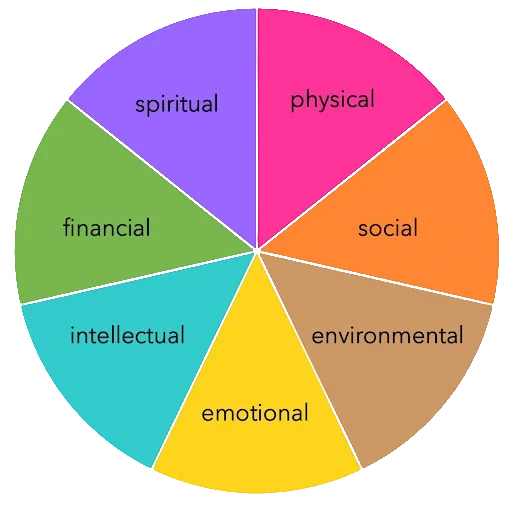
Rather than viewing self-care as a luxury to be squeezed into a busy schedule, the Me Time Monday (MTM) program redefines it as a non-negotiable, foundational element of long-term health. The program is built on three distinct steps—ME, TIME, and MONDAY—and is anchored by seven essential elements of wellness: Physical, Emotional, Social, Intellectual, Environmental, Financial, and Spiritual.
By looking at life holistically, caregivers are encouraged to assess where they are depleted. If your focus has been solely on the medical needs of a parent, your "Social" or "Emotional" wellness might be atrophied. MTM provides a menu of options, allowing the individual to cross-train their self-care habits across these seven pillars, ensuring that wellness isn’t just about the body, but about the spirit and the mind as well.
Step 1: Defining the "ME"
The first step of the program is an exercise in self-awareness. It requires the caregiver to move beyond the identity of "provider" and reconnect with their own "ikigai"—a Japanese concept representing one’s "reason for being."

Often, caregivers feel that carving out time for themselves is selfish. The MTM framework flips this narrative: it is not selfish; it is "self-full." By reclaiming a small portion of the day, caregivers take back their internal locus of control. This shift is crucial for preventing burnout, as it reinforces the reality that the caregiver is a whole human being with needs that are independent of their role as a provider.
Step 2: The Power of "TIME" and Microflows
The most common barrier to self-care is "time poverty." Caregivers often feel that if they cannot find an hour for themselves, then any effort is wasted. The MTM program dismantles this "all or nothing" approach by advocating for "Microflows"—small, manageable steps that take only seven minutes.
The "Power of 7" is central to the program: seven days in a week, seven colors in a rainbow, and seven minutes a day. By focusing on seven-minute increments, the barrier to entry is lowered significantly. Whether it is a seven-minute walk, a seven-minute meditation, or seven minutes of reading, the goal is consistency rather than intensity.
To make this sustainable, the program promotes "habit stacking." This technique, supported by behavioral scientists, involves attaching a new, positive habit to an existing, automatic routine. For example, practicing gratitude while in the shower, or performing leg lunges while waiting for the coffee to brew. This ensures that self-care is integrated into the fabric of the day rather than competing for a slot in an already overflowing calendar.

Step 3: Why MONDAY is the Secret Sauce
The final piece of the puzzle is the choice of day. While many people dread Mondays as the start of the "grind," MTM frames it as the "reset" button. Research from Johns Hopkins University supports the efficacy of Monday as a "cues-based" anchor for health behaviors.
Because there are 52 Mondays in a year, the MTM program allows for 52 opportunities to restart, adjust, or refine one’s routine. If a caregiver experiences a particularly difficult week where self-care was neglected, they do not need to wait until the next New Year to try again. They simply have to wait until the following Monday. This removes the shame associated with failure and replaces it with a perpetual, forgiving cycle of renewal.
Implications for the Sandwich Generation
For those caught in the middle—caring for children and parents simultaneously—the implications of this program are significant. The "Sandwich Generation" faces unique stressors, including financial strain and chronic sleep deprivation. By applying the MTM principles, caregivers can create a "joyconomy," a personal reserve of positive experiences that acts as a buffer against the inevitable stressors of their roles.
"When you invest in your wellness," Snelling notes, "you are creating your own personal joyconomy." By mixing up the seven elements of wellness—much like a bartender uses different ingredients to create a cocktail—caregivers can prevent the boredom that leads to the abandonment of traditional fitness or diet regimes.

Data and Expert Perspectives
Behavioral experts emphasize that the success of any wellness program lies in the ability to maintain the behavior over time. The "Healthy Monday" campaigns have produced data indicating that individuals who begin their week with a positive, proactive frame of mind are 64% more likely to maintain that positivity throughout the remainder of the week.
This is not merely about mood; it is about physiological health. Chronic stress, common in caregivers, leads to elevated cortisol levels, which in turn impact heart health, immune function, and cognitive clarity. By incorporating even seven minutes of intentional "me time," individuals can signal to their nervous system that they are safe, potentially lowering their overall stress load.
Conclusion: A Shift Toward Sustainable Joy
The transition from New Year’s Resolutions to the Me Time Monday program represents a broader shift in how society approaches self-care. We are moving away from the "hustle culture" that demands perfection and toward a model that values consistency and self-compassion.
For the millions of family caregivers who often feel like they are fading into the background of their own lives, MTM offers a life raft. It is not about adding more to an already burdened to-do list; it is about finding the small, seven-minute pockets of life that belong solely to you. As the program suggests, when we treat our own wellness as a daily, weekly, and perpetual commitment, we don’t just survive the challenges of caregiving—we find a way to thrive within them.

Routines, it turns out, beat resolutions every time. By making Monday your anchor, you ensure that your journey toward wellness is not a race to a finish line, but a sustainable walk toward a more balanced and joyful existence.