






For decades, the fitness industry has obsessed over the "six-pack"—a visual marker of abdominal strength that, for most, was built through repetitive, high-volume crunches and sit-ups. However, for those navigating their sixties and beyond, the goal of physical training should shift from aesthetics to longevity, stability, and functional independence.
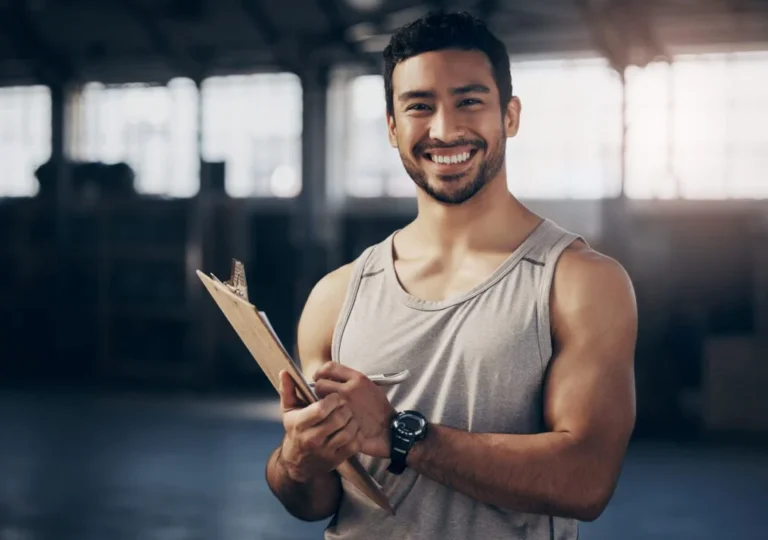
As a certified personal trainer with 15 years of experience in human performance, I have seen a persistent myth among my clients: the belief that the only way to "tighten" the core is to strain the neck and lower back with hundreds of sit-ups. In reality, modern sports science suggests that the core—a complex network involving the pelvic floor, the transverse abdominis, the multifidus, and the obliques—functions best not as a hinge that bends the spine, but as a rigid pillar that stabilizes it.
After age 60, your core is your body’s primary defense system against injury. It dictates your gait, your ability to lift a bag of groceries, and, most importantly, your balance. Strengthening it requires a transition away from repetitive flexion toward movements that prioritize stability, anti-rotation, and coordination.
The Anatomy of Stability: Why Traditional Crunches Fail
To understand why we must pivot our approach to core training, we must first look at how the spine ages. The discs between our vertebrae become less hydrated and more susceptible to stress over time. Repetitive spinal flexion—the motion used in a traditional sit-up—subjects these discs to shearing forces that can exacerbate existing back pain.
When we focus on "anti-movement" training, we teach the deep abdominal muscles to brace the spine. This creates a "natural corset" that protects your internal organs and skeletal structure. By training the core to resist force rather than initiate it, we build a foundation that translates into improved posture, a reduced risk of falls, and a newfound confidence in daily activities.
Chronology of Core Training: From Aesthetics to Longevity
The evolution of core fitness has been significant. In the 1980s and 90s, the "ab-blasting" craze focused on high-repetition isolation exercises. It wasn’t until the early 2000s that the medical and fitness communities began to embrace "functional training"—a philosophy that prioritizes how the body moves in real-world environments.
For the aging athlete or the active senior, this chronological shift is critical. Research published by organizations like the American Council on Exercise (ACE) indicates that functional stability training reduces the incidence of lower back pain by up to 40% in adults over 55. By prioritizing neuromuscular control over muscle hypertrophy, we aren’t just building "abs"—we are building a body that can navigate a flight of stairs or a bumpy sidewalk without hesitation.
The Six Pillars of Functional Core Strength
The following six exercises form a comprehensive program designed to challenge your midsection from every necessary angle. They are low-impact, equipment-light, and highly effective for the over-60 demographic.
1. The Bird Dog: Master of Alignment
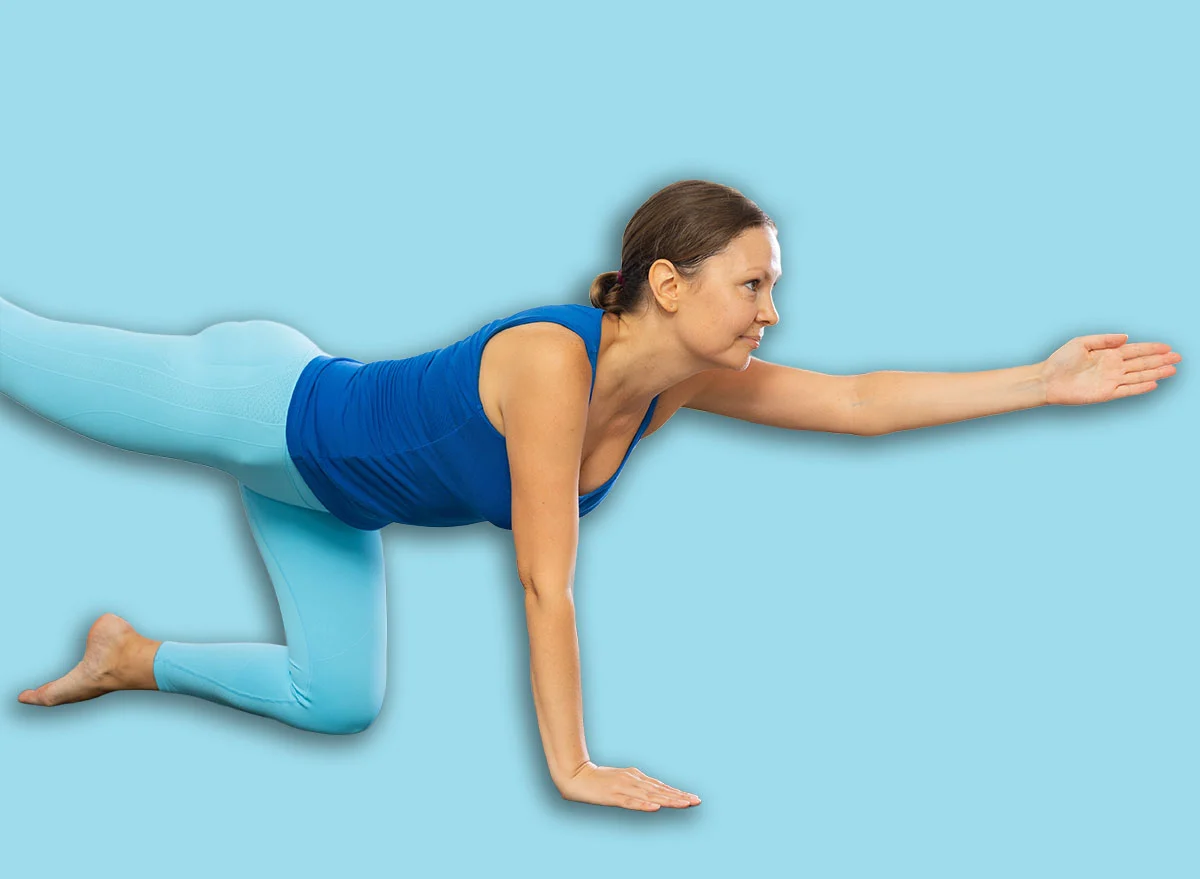
The Bird Dog is a staple for spinal health. It requires the simultaneous coordination of the opposite arm and leg, which forces the transverse abdominis to engage to prevent the torso from wobbling.
- The Strategy: Start on your hands and knees in a tabletop position. Keep your spine in a neutral, flat line. Slowly reach your right arm forward and your left leg backward, keeping your hips square to the floor. Pause, feel the tension in your lower back and core, and return to center.
- The Benefit: It builds cross-body stability, essential for the rhythmic, alternating movement of walking.
2. The Dead Bug: The Gold Standard for Spine Protection
If you have ever been told to "keep your back flat" during exercise, the Dead Bug is the ultimate teacher. By lying on your back, you provide external feedback to the spine, ensuring you aren’t arching while you move your limbs.
- The Strategy: Lie on your back with arms extended toward the ceiling and knees at 90 degrees. Lower your right arm behind your head and extend your left leg forward, hovering them just above the floor. Return to start and repeat with the opposite pair.
- The Benefit: It teaches the core to remain rigid while the extremities are in motion, mirroring the mechanics of climbing stairs or stepping over an obstacle.
3. The Glute Bridge: The Posterior Foundation
A weak core is often just a symptom of weak glutes. The glute bridge targets the "posterior chain"—the muscles on the backside of your body—which provides the power for standing and lifting.
- The Strategy: Lie on your back with knees bent and feet flat. Squeeze your glutes to lift your hips toward the ceiling until your body forms a straight line from knees to shoulders. Hold at the top for three seconds, then lower slowly.
- The Benefit: Strong glutes take the pressure off your lumbar spine, effectively acting as the "base" of your core.
4. The Bear Plank: Stability Under Tension
Traditional planks can sometimes lead to shoulder strain or a sagging lower back. The Bear Plank, performed on hands and knees with the knees hovering just an inch off the ground, is a more precise tool.
- The Strategy: Assume a tabletop position. Tuck your toes and lift your knees just one inch off the floor. Keep your back flat and breathe deeply.
- The Benefit: This isometric hold forces the deep stabilizers to work harder in a shorter amount of time, making it highly efficient for busy schedules.
5. The Standing Pallof Press: Anti-Rotation Power
We rarely move in a perfectly straight line. We twist to reach for a seatbelt, pivot to grab a door handle, and turn to look behind us. The Pallof Press is the premier exercise for managing these rotational forces.
- The Strategy: Using a resistance band anchored at chest height, stand sideways to the anchor. Hold the band with both hands at your chest. Press your hands straight out, resisting the band’s pull, and hold for two seconds before returning to the chest.
- The Benefit: It trains the obliques to prevent unwanted movement, which is the primary way we protect our spine during daily life.
6. The Farmer’s Carry: Functional Endurance
The simplest exercise is often the most effective. The Farmer’s Carry involves walking while holding weights, which forces your entire core to "brace" to keep you upright.
- The Strategy: Hold a heavy object (a dumbbell, a kettlebell, or even a gallon of water) in one hand. Walk in a straight line for 30–60 seconds, maintaining perfect posture. Ensure your shoulders stay level and you do not lean to one side.
- The Benefit: This is real-world strength. It improves grip, posture, and core endurance simultaneously.
Implications for Longevity
The shift from "gym-based aesthetics" to "functional longevity" is the single most important change you can make for your health after 60. When we talk about core strength, we are really talking about independence.
According to data from the National Institute on Aging, physical activity that focuses on core stability and balance is the most effective deterrent against the "frailty cycle." By dedicating just 15 to 20 minutes, three times a week, to these movements, you are doing more than just "working out." You are investing in your ability to remain mobile, active, and injury-free for decades to come.
As a trainer, my advice is simple: discard the notion that pain equals gain. Focus on the quality of your movement, the stability of your spine, and the consistency of your practice. Your core is the center of your world—keep it strong, keep it stable, and move with confidence.
Disclaimer: Before beginning any new exercise regimen, especially if you have pre-existing back or joint conditions, please consult with your physician or a qualified physical therapist to ensure these movements are safe for your individual needs.