










Reviewed by Brian St. Pierre, MS, RD, and Helen Kollias, PhD
For many women in their late 40s and early 50s, the cognitive experience of daily life can begin to feel like wading through deep sludge. Simple tasks—recalling the name of a favorite restaurant, focusing on a work document, or even finishing a coherent sentence—suddenly require an exhausting amount of mental labor. For years, this "brain fog" was dismissed by both patients and clinicians as a natural byproduct of aging or an inevitable symptom of midlife stress.
However, emerging research and clinical experience suggest that this cognitive decline is not merely a "typical" sign of getting older. Instead, it is often a profound, physiological symptom of the menopausal transition, frequently exacerbated by the under-recognized impact of vasomotor symptoms—the medical term for hot flashes and night sweats.
The Chronology of a Misdiagnosis: From Sludge to Solution
The journey of the average woman experiencing these symptoms is often marked by a frustrating odyssey through the medical system. Many women, feeling as though their mental bandwidth has been shredded, seek help from primary care physicians or psychiatrists.
In the author’s case, the path to clarity took two years of trial and error. The initial consultation led to a diagnosis of depression, resulting in a series of antidepressant prescriptions that left the patient feeling like a "zombie." Subsequent tests for thyroid function and anemia came back normal, and a carousel of supplements promising "cognitive enhancement" yielded zero results.
The turning point occurred during a routine gynecological exam. When the patient mentioned a secondary symptom—vaginal dryness—the physician immediately pivoted. She began a targeted inquiry into sleep quality, mood, energy levels, and the presence of hot flashes. Within minutes, the patient realized she had not been suffering from clinical depression at all; she was in the throes of perimenopause. Upon starting hormone therapy (estradiol and progesterone), the "fog" lifted within days. She regained the ability to focus, work effectively, and sleep through the night, underscoring a critical gap in general medical training regarding menopause.
The Physiology of the Transition: Why the Brain Fogs
Menopause is not a disease; it is a profound biological life stage, much like puberty. It marks the point 12 months after a woman’s final menstrual period. However, the years leading up to this—the perimenopausal transition—are characterized by significant fluctuations in hormones like estrogen.
The Role of Vasomotor Symptoms
For decades, hot flashes were viewed as an annoyance. Today, medical experts increasingly categorize them as a legitimate medical condition with systemic implications. During a hot flash, norepinephrine and cortisol levels spike, heart rate increases, and blood vessels dilate to shed heat.
This is not just an uncomfortable skin reaction; it is a neurological event. Research now suggests that these events can impact the brain’s white matter. MRI studies have revealed that women experiencing frequent, severe hot flashes show a higher prevalence of "white matter intensities"—patchy areas in the brain that are predictive of future cognitive decline and increased risk of stroke or dementia.
The Sleep-Brain Connection
Perhaps the most damaging aspect of vasomotor symptoms is their interference with sleep. Many women suffer from night sweats that do not result in visible moisture but rather a surge of stress hormones that jolt the brain awake. These frequent, often unconscious, awakenings prevent the brain from performing vital overnight maintenance: consolidating memories, clearing out toxins, and regulating emotions. Consequently, the hippocampus—the seat of memory—and the amygdala—the seat of emotion—begin to struggle, leading to increased anxiety, irritability, and cognitive impairment.
Supporting Data: The Hidden Vulnerability
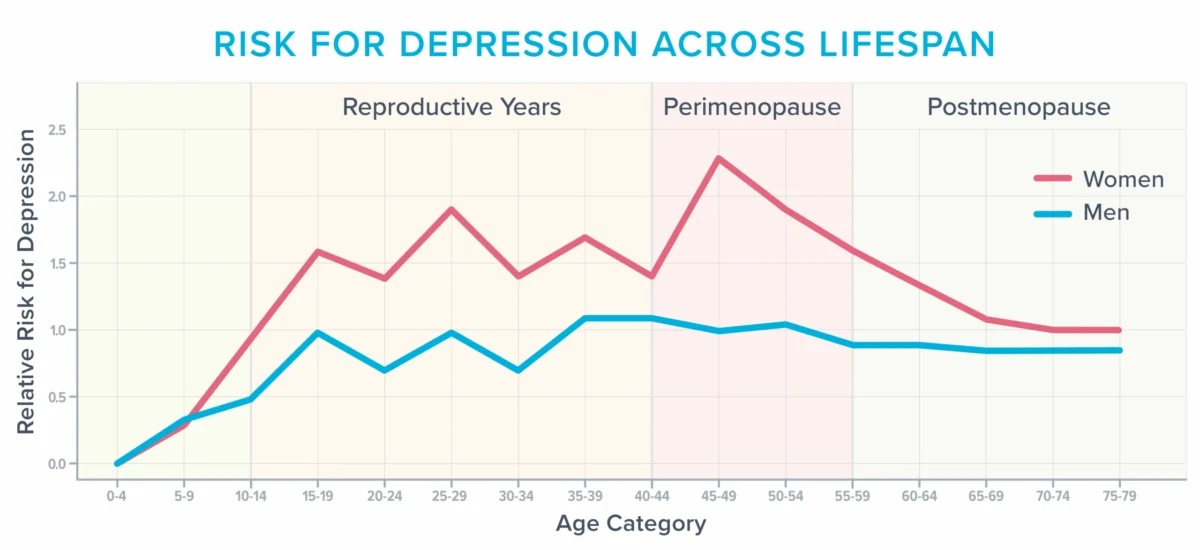
The American College of Obstetricians and Gynecologists (ACOG) notes that approximately 40 percent of women report significant mood swings, fatigue, and difficulty concentrating during the menopausal transition. Data also shows that this window of time represents one of the most vulnerable periods in a woman’s life for the onset of clinical depression, particularly for those with a prior history.

The "defensive medicine" practiced by many clinicians—who often shy away from Hormone Therapy (HT) due to outdated fears regarding breast cancer and stroke risk—further complicates the situation. Recent, nuanced research clarifies that for women under the age of 60 who are within 10 years of menopause onset, the benefits of hormone therapy—including the reduction of osteoporosis risk and cardiovascular protection—far outweigh the potential risks.
Navigating the Healthcare System: Advocacy and Action
To secure proper care, women must become their own best advocates. This involves moving beyond vague complaints of "feeling tired" and providing data-driven evidence to clinicians.
- Seek Specialized Care: Look for practitioners certified by The Menopause Society. General practitioners often lack the specific training required to navigate complex hormonal transitions.
- Document Everything: Track your sleep, the frequency and intensity of your hot flashes, and your mood fluctuations. A digital log or a dedicated notebook is an essential tool to present to your doctor.
- Engage in Shared Decision-Making: Instead of accepting a "one-size-fits-all" approach, ask your doctor for a breakdown of the pros and cons of hormone therapy tailored to your specific medical history. If a clinician remains hesitant, seek a second opinion from a menopause-trained specialist.
Lifestyle Strategies: A Holistic Approach
While hormone therapy can be a game-changer, integrating fundamental health habits is crucial for maintaining long-term cognitive and emotional health.
1. The Power of Fundamentals
Nutrition, sleep, stress management, and physical activity remain the pillars of health. During menopause, it is vital to audit these areas. If your diet is high in processed foods or your sleep hygiene is poor, no amount of medical intervention will fully restore your sense of well-being.
2. Strategic Supplementation: Creatine
Emerging research suggests that 5 to 7 grams of creatine monohydrate daily can help mitigate the brain fog associated with hormone-related sleep deprivation. It supports energy metabolism in the brain and can bolster mood and cognitive stamina.
3. Light Exposure and Circadian Health
Sunlight exposure—particularly in the morning—is essential for resetting the brain’s internal clock. Consistent morning light helps regulate the sleep-wake cycle, which is frequently disrupted during the menopausal years.
4. Adjusting Exercise Intensity
Midlife requires a shift in how one approaches the gym. Chronic, high-intensity exercise can exacerbate the body’s stress response and lead to injury. Incorporating more recovery, focusing on Zone 2 training, and prioritizing mobility can prevent the systemic inflammation that often accompanies overtraining in this life stage.
5. Cognitive Behavioral Therapy for Insomnia (CBT-I)
CBT-I is the gold-standard psychological treatment for sleep issues. It provides structured techniques to improve sleep efficiency and reframe the psychological stress associated with not being able to sleep.
Implications: A New Season of Life
The "sludge" of menopause is a signal, not a failure. It is an invitation to re-evaluate one’s boundaries and priorities. For many, the transition forces a necessary reduction in the "do-it-all" mentality that defines early adulthood.
By addressing the underlying hormonal and physiological drivers, women can move through this transition with clarity. The goal is not merely to "get through" menopause but to emerge with a renewed sense of agency. Once the fog clears, many find that the ability to say "no" to non-essentials and "yes" to what truly matters is the greatest gift this transition offers. Through informed medical advocacy and sustainable lifestyle shifts, this life stage can be defined by empowerment rather than depletion.