










Post-Traumatic Stress Disorder (PTSD) remains one of the most complex and debilitating mental health challenges in modern medicine. Unlike other psychiatric conditions, PTSD is unique in its requirement of an external catalyst—a specific, often life-altering traumatic event—to trigger the onset of the disorder. While the prevalence of violence in metropolitan areas ensures that a significant portion of the population will encounter trauma at some point in their lives, the clinical outcomes are far from uniform.
For decades, clinicians have been puzzled by a persistent discrepancy: why do some individuals emerge from the depths of profound horror relatively unscathed, while others spiral into a chronic state of psychological paralysis? The answer, according to groundbreaking research from the Grady Trauma Project, lies at the intersection of nature and nurture.
The Landscape of Trauma: Understanding the Disorder
PTSD is characterized by a persistent state of hyper-arousal, intrusive thoughts, and emotional avoidance. When the symptoms become severe, they dismantle the architecture of a person’s life, sabotaging their ability to maintain employment, academic performance, and interpersonal relationships.
Current statistical models suggest that approximately 10 percent of the general population will experience PTSD. Perhaps more significantly, this indicates that 90 percent of people who encounter terrifying situations possess an inherent capacity for recovery. This 90-percent threshold suggests that human beings are fundamentally wired for resilience, and that PTSD is, in many ways, an exception to the brain’s standard healing process.
Chronology of Discovery: From Observation to Genetic Mapping
For years, the scientific community relied on twin studies to demonstrate that PTSD was heritable. These early observations confirmed that trauma response is not solely environmental. However, identifying the specific "risk genotypes" proved to be an immense logistical hurdle. Mapping the human genome requires expansive data sets; to find needles of genetic risk in a haystack of biological noise, researchers needed DNA samples from thousands of participants.
The Grady Trauma Project, based in the inner-city neighborhoods of Atlanta, stepped into this gap. By interviewing and collecting saliva samples from a massive, diverse population, researchers began to isolate specific genetic markers. This longitudinal effort transformed the study of PTSD from a strictly psychological endeavor into a rigorous genetic investigation.
The Role of FKBP5 and ADCYAP1R1
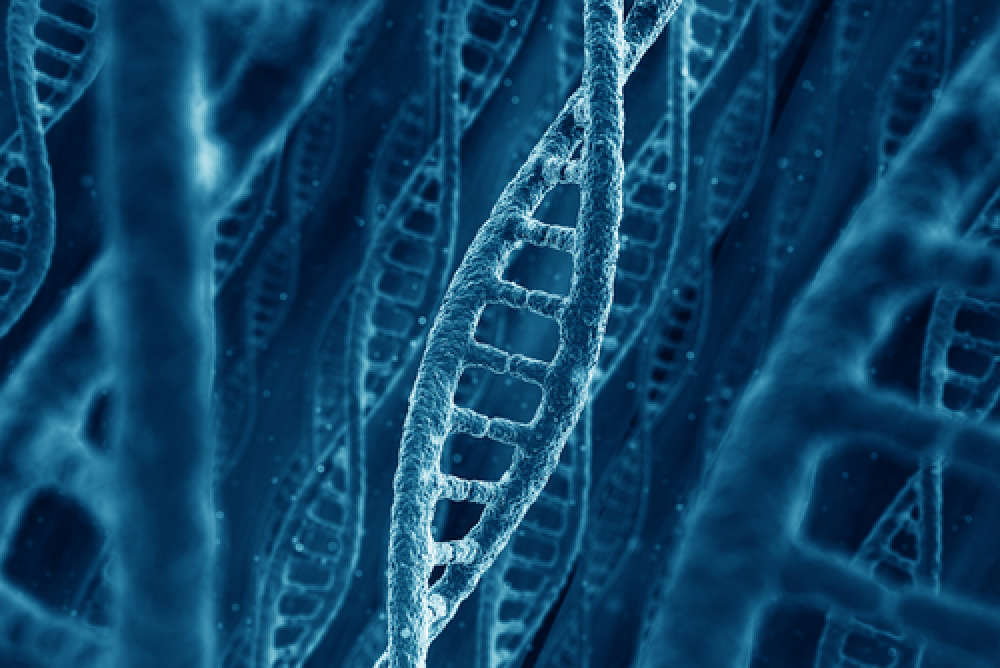
The research has highlighted two specific genes—FKBP5 and ADCYAP1R1—as critical players in the hormonal stress response. These genes are intrinsically linked to the brain’s ability to regulate fear.
- FKBP5: This gene acts as a molecular "thermostat" for the stress response. The Grady Trauma Project identified a specific polymorphism (a genetic variation) within this gene that dictates whether an individual is prone to chronic PTSD or exhibits resilience. Remarkably, individuals carrying the "resilient" genotype showed no significant increase in PTSD symptoms, even when they had a history of multiple childhood traumas.
- ADCYAP1R1: This gene appears to function as a gender-specific risk factor. Researchers found that variations in ADCYAP1R1 significantly increase the risk of PTSD in women, but not in men. Because this gene is responsive to estrogen, the hormonal fluctuations occurring between puberty and menopause create a specific window of heightened vulnerability for women. This finding helps explain the long-standing clinical observation that women are twice as likely to develop PTSD as men.
Supporting Data: The Nature vs. Nurture Paradigm
The Grady Trauma Project provides perhaps the most robust evidence to date for the nature-versus-nurture debate. By analyzing the interaction between extreme environmental impacts (violence, poverty, abuse) and internal biological architecture (genetics), the team has moved beyond the simplistic view that trauma is solely a result of experience.
The data underscores that while trauma is the "seed" for PTSD, the "soil"—the individual’s genetic makeup—determines whether that seed will germinate. This does not mean that one’s genotype is a death sentence. Instead, it suggests that genetics create a range of possibilities, a landscape of susceptibility that clinicians can eventually navigate with more precision.
Official Responses and Clinical Perspectives
Dr. Tanja Jovanovic, an Associate Professor at Emory University and a key figure in the Grady Trauma Project, has been at the forefront of this research. Her work emphasizes that psychiatry is moving toward a model of "precision medicine."
"Understanding the genetic and biological foundations of vulnerability will enable better medical procedures in the future," Dr. Jovanovic notes. She suggests that in the near future, the standard "one-size-fits-all" approach to psychotherapy and pharmacological intervention may be replaced by targeted treatments. If a patient’s genetic profile indicates a heightened sensitivity to certain hormonal triggers, clinicians might opt for specific medications or specialized trauma-informed therapies that bypass the traditional, broad-spectrum methods.
However, Dr. Jovanovic and her colleagues are careful to state that genes are not destiny. The presence of a risk gene does not guarantee that an individual will develop the disorder.
Implications: Building Resilience in the Shadow of Trauma
The most profound implication of this research is the power of environmental buffers. Even if an individual is genetically predisposed to PTSD, the development of the disorder can be mitigated by external protective factors.
The Social Buffer
A supportive social network remains one of the most effective treatments for trauma. When survivors are surrounded by family, friends, or a community that provides consistent emotional and physical support, the neurological impacts of the traumatic event are significantly dampened. This "social buffering" can essentially provide the stability that the brain’s hormonal stress system is struggling to regulate.
The Power of Cognitive Reframing
Beyond social support, psychological traits like optimism and humor are critical tools in the resilience arsenal. Finding a "silver lining" or maintaining a sense of perspective after a harrowing event is not merely a philosophical exercise; it is a physiological one. The ability to find meaning or humor in the aftermath of a disaster can rewire the brain’s response, effectively overriding the genetic risk markers that might otherwise lead to a diagnosis of PTSD.
Future Directions: A New Era of Treatment
As the Grady Trauma Project continues to refine its findings, the implications for the future are clear. We are entering an era where we can identify those at the highest risk before they even encounter trauma, or immediately after an event occurs. This could revolutionize emergency response. For instance, individuals identified with high-risk genetic markers following a violent event could be prioritized for early, intensive psychological intervention, potentially preventing the chronic consolidation of the disorder.
Furthermore, the research underscores the necessity of addressing the systemic environment. If we know that certain populations—due to their genetic makeup or environmental history—are more susceptible to the long-term impacts of violence, then violence prevention becomes a direct public health mandate.
In conclusion, while PTSD remains a devastating condition, it is no longer an insurmountable mystery. By mapping the genetic landscape and understanding the critical role of social and psychological resilience, the medical community is moving closer to a future where trauma does not have to result in a life of disorder. We are learning that while we cannot always control the events that happen to us, we can better understand—and eventually bolster—the biological and social defenses that keep us whole.