









In a landmark discovery that bridges the gap between basic nutritional science and oncology, researchers at the Massachusetts Institute of Technology (MIT) have identified a naturally occurring amino acid that acts as a potent catalyst for intestinal repair. The study, published in the journal Nature, reveals that cysteine—a common building block of proteins found in everyday foods—serves as a critical trigger for the body’s internal regeneration system. By activating specific immune cells in the gut lining, this simple nutrient offers a potential lifeline for cancer patients suffering from the debilitating side effects of chemotherapy and radiation.
The Science of Stem Cell Regeneration
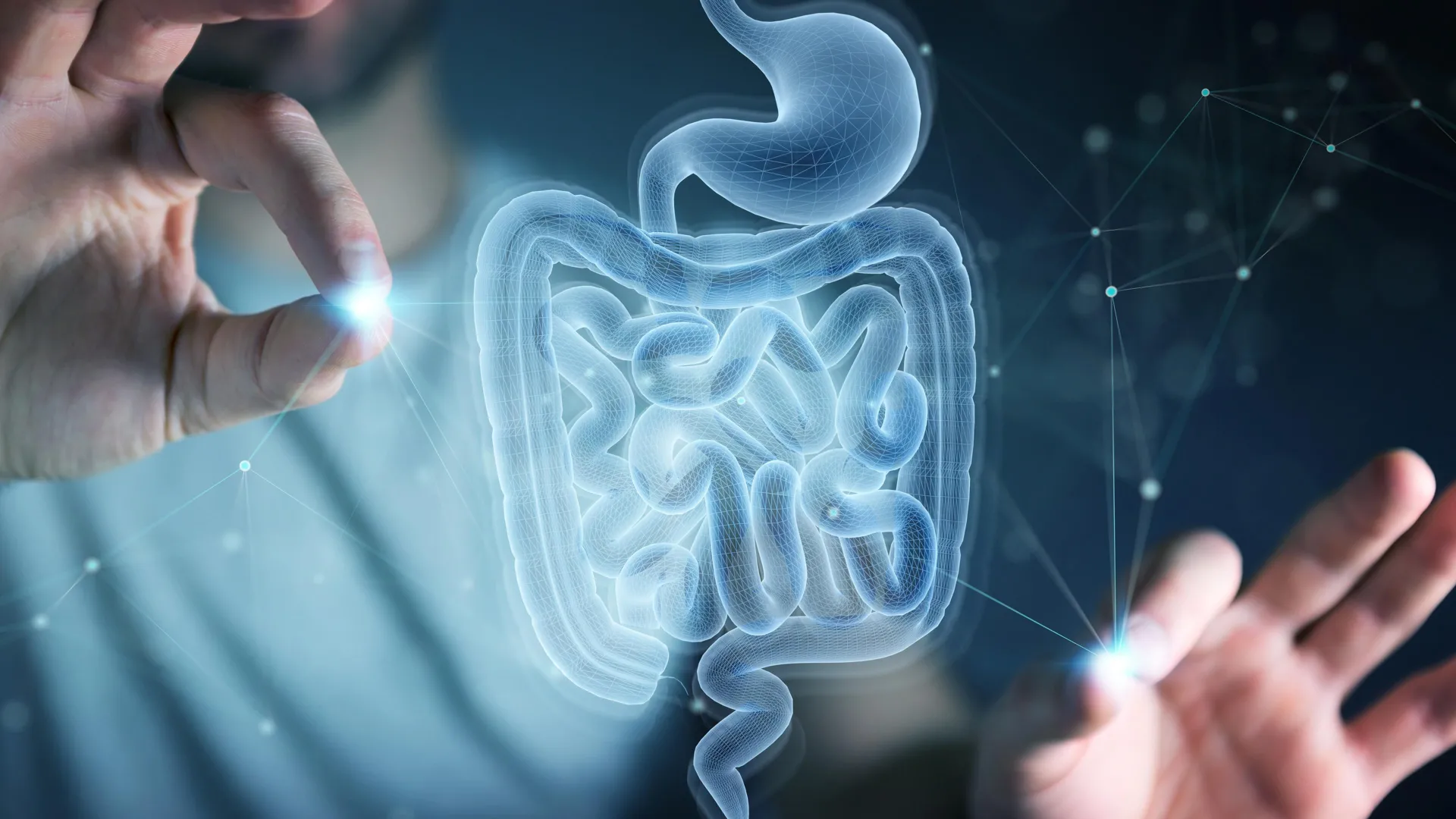
The human intestine is a masterpiece of biological resilience. Its lining is renewed entirely every few days, a process powered by a small population of intestinal stem cells. However, this high rate of turnover makes the gut uniquely vulnerable to therapies that target rapidly dividing cells, such as radiation and toxic chemotherapy drugs. When these treatments damage the intestinal lining, patients often face severe gastrointestinal distress, malnutrition, and prolonged recovery times.
For years, the scientific community has looked for ways to shield healthy tissue from these side effects. While studies on fasting and calorie restriction have previously demonstrated an ability to nudge stem cells into a regenerative state, those findings were broad, failing to isolate a single, actionable component. The MIT study changes this paradigm. By systematically testing how each of the 20 amino acids influences intestinal stem cells, the team has finally identified a "master switch" for gut repair.
Chronology of Discovery: From Screening to Breakthrough
The research journey began with a rigorous screening process. Led by Omer Yilmaz, director of the MIT Stem Cell Initiative and a member of the Koch Institute for Integrative Cancer Research, the team fed mice diets supplemented with various individual amino acids to monitor the regenerative response in their small intestines.
The results were immediate and striking. Among the amino acids tested, cysteine emerged as the undisputed frontrunner. It didn’t just support cell health; it actively drove the proliferation of both stem cells and progenitor cells—the "workhorse" cells that mature into the specialized tissues of the intestinal wall.
The Biological Chain Reaction
Once the researchers identified cysteine as the key player, they turned their attention to the mechanism: How does a simple amino acid translate into tissue regeneration?
The answer lies in a complex, multi-step biological relay:
- Absorption: When dietary cysteine is ingested, it is absorbed directly into the cells of the intestinal lining.
- Conversion: Inside these cells, cysteine is metabolized into Coenzyme A (CoA).
- Immune Signaling: This CoA molecule is subsequently released into the local environment, where it is captured by CD8 T cells—immune cells usually tasked with fighting pathogens.
- Cytokine Activation: Once the CD8 T cells take up the CoA, they are stimulated to produce a signaling protein called IL-22.
- Regeneration: IL-22 acts as a biochemical "go" signal, binding to receptors on intestinal stem cells and triggering them to divide and repair damaged tissue.
This discovery is transformative because it redefines the role of CD8 T cells. Traditionally, these cells were understood in the context of immune surveillance, not as primary regulators of tissue stemness or repair.
Supporting Data and Experimental Findings
The team’s evidence is robust, supported by both controlled diet trials and stress-test scenarios. In mice subjected to high-dose radiation—a standard model for simulating the damage seen in human radiotherapy—those fed a cysteine-enriched diet showed significantly faster recovery of their intestinal architecture compared to control groups.
Furthermore, unpublished data from the lab suggests that this protective effect holds true against 5-fluorouracil, a common chemotherapy agent. Because the small intestine is the primary site of protein absorption, the high concentration of cysteine delivered via the diet hits the gut before the rest of the body receives it. This "first-pass" advantage makes the gut uniquely sensitive to the regenerative power of this amino acid, positioning it as an ideal target for nutritional intervention in oncology.
Official Perspectives: Harnessing Natural Compounds
The implications of the study are centered on the shift toward "nutritional pharmacology." Unlike synthetic drugs that often come with a laundry list of adverse interactions, cysteine is a safe, naturally occurring compound.
"The study suggests that if we give these patients a cysteine-rich diet or cysteine supplementation, perhaps we can dampen some of the chemotherapy or radiation-induced injury," says Dr. Omer Yilmaz. "The beauty here is we’re not using a synthetic molecule; we’re exploiting a natural dietary compound."
Dr. Yilmaz’s colleague, the study’s lead researcher, emphasizes the strategic advantage of the gut’s anatomy. "With our high-cysteine diet, the gut is the first place that sees a high amount of cysteine," explains Chi, a researcher on the project. By focusing on the local environment of the intestine, the researchers hope to avoid the systemic side effects often associated with more aggressive pharmaceutical interventions.
Clinical and Therapeutic Implications
The potential for clinical application is vast. If human trials mirror the success seen in murine models, oncologists could integrate cysteine-rich nutritional protocols into standard cancer care. This could take the form of specialized medical foods or targeted supplements administered in the days surrounding chemotherapy sessions, potentially allowing patients to tolerate higher doses of medication or, at the very least, suffer from fewer gastrointestinal complications.
Beyond oncology, the findings open doors for treating chronic inflammatory conditions. Diseases like Crohn’s disease and ulcerative colitis are characterized by the chronic breakdown of the intestinal lining. If cysteine can boost the regenerative capacity of the gut, it might provide a non-invasive way to manage flare-ups and promote mucosal healing in patients with inflammatory bowel disease (IBD).
Looking Ahead: The Future of Regenerative Nutrition
The MIT team is not stopping at the gut. Given the success of the current study, they are already exploring whether cysteine—or other amino acids identified in their initial screen—can stimulate repair in other tissues.
One of the most intriguing ongoing projects involves hair follicles. Similar to the intestinal lining, hair follicles rely on stem cell populations that are frequently damaged by chemotherapy, leading to the well-known side effect of hair loss. If researchers can prove that cysteine can signal hair stem cells in the same way it signals gut stem cells, the findings could lead to new therapies for hair loss related to both medical treatments and aging.
Furthermore, the study has set a new methodology for nutritional research. By breaking down the diet into its constituent amino acids and tracking their impact on specific stem cell populations, the researchers have provided a blueprint for future discoveries. "I think we’re going to uncover multiple new mechanisms for how these amino acids regulate cell fate decisions and gut health in the small intestine and colon," says Yilmaz.
Conclusion
As the fields of medicine and nutrition continue to converge, the MIT research highlights a profound reality: the fuel we provide our bodies is more than just energy; it is a complex language of signals that dictate how our tissues survive, thrive, and heal. By decoding how cysteine communicates with the immune system to facilitate repair, the researchers have opened a new chapter in regenerative medicine—one that suggests the keys to recovery may have been in our kitchens all along.
Funding Disclosure: This research was supported in part by the National Institutes of Health, the V Foundation, the Kathy and Curt Marble Cancer Research Award, the Koch Institute-Dana-Farber/Harvard Cancer Center Bridge Project, the American Federation for Aging Research, the MIT Stem Cell Initiative, and the Koch Institute Support (core) Grant from the National Cancer Institute.