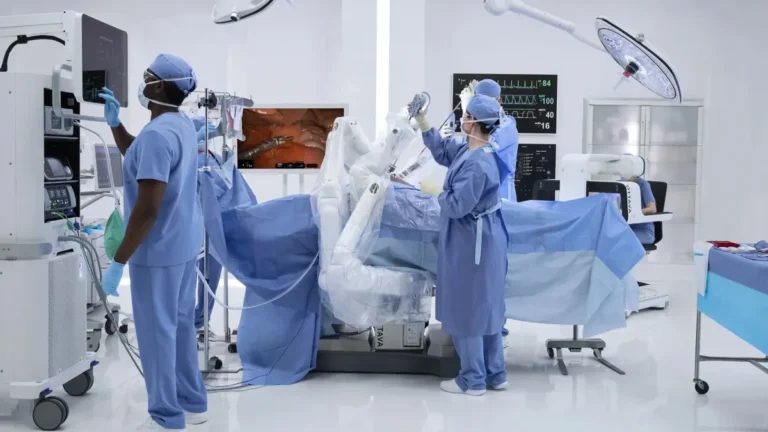










In a move set to reshape the landscape of orthopedic surgery, DePuy Synthes—the orthopedics powerhouse under the Johnson & Johnson umbrella—has announced the acquisition of cutting-edge radiofrequency (RF) miniature tracker technology. This strategic investment is designed to enhance the company’s flagship Velys digital surgery platform, promising to overcome the long-standing technical hurdles associated with traditional image-guided and robotic-assisted joint procedures.
By integrating this new technology across its comprehensive portfolio of shoulder, hip, and knee reconstruction solutions, DePuy Synthes aims to become the first market participant to commercialize radiofrequency miniature tracking for joint surgery. This acquisition marks a significant milestone in the company’s efforts to modernize the operating room, replacing outdated, cumbersome hardware with seamless, real-time navigation.
The Technological Leap: Beyond Line-of-Sight
For decades, image-guided surgery has relied on infrared cameras and optical tracking systems. While effective, these systems suffer from a significant operational limitation: the requirement for a clear, direct "line-of-sight." In a busy operating room, this often leads to interruptions, as surgeons or staff can inadvertently block the camera’s view, forcing the system to recalibrate.
Furthermore, current standard-of-care systems often require the use of invasive pins or bulky, external arrays attached to the patient’s anatomy, which can increase the risk of surgical site complications and prolong preparation time.
The newly acquired radiofrequency miniature tracker technology offers a departure from these constraints. Because it does not rely on optical sensors, it provides continuous, uninterrupted, and highly accurate real-time tracking of surgical instruments and implants. By removing the need for line-of-sight, DePuy Synthes envisions a more fluid surgical workflow that minimizes OR disruption, reduces the physical footprint of tracking hardware, and potentially lowers the invasiveness of joint reconstruction procedures.

A Strategic Partnership: The Lavallée Connection
This acquisition is not an isolated event; it represents the latest chapter in a long-standing, fruitful collaboration between DePuy Synthes and the serial entrepreneur Stéphane Lavallée. A veteran innovator in the surgical robotics space, Lavallée has become a cornerstone of the company’s external innovation strategy.
Chronology of Collaboration
- 2018: DePuy Synthes made a major splash in the robotics market by acquiring Orthotaxy, a French startup founded by Lavallée. Orthotaxy provided the foundational robotic-assisted surgery platform that would later evolve into the Velys system.
- Ongoing Integration: Following the Orthotaxy acquisition, DePuy Synthes continued to leverage Lavallée’s network and expertise to build out its ecosystem.
- 2024 (Spine Focus): Collaborations involving eCential Robotics, another company associated with Lavallée, played a pivotal role in the development of the Velys Spine surgical robot and navigation platform, further signaling J&J’s commitment to digitizing the orthopedic surgical experience.
- The Current Deal: The latest acquisition of RF tracking technology solidifies the relationship, signaling that DePuy Synthes views Lavallée’s approach to surgical miniaturization as the blueprint for its future product roadmap.
Implications for the Velys Platform
The integration of this RF technology into the Velys digital surgery ecosystem is intended to create a new "gold standard" for integrated surgical planning and execution. The Velys platform is already recognized for its versatility in helping surgeons balance soft tissue and optimize implant positioning. However, the addition of high-fidelity, non-optical tracking could allow for a more compact and cost-effective robotic system.
Industry analysts suggest that by embedding this tracking capability directly into the surgical tools, DePuy Synthes can reduce the complexity of its Velys setup. A smaller footprint in the OR is a significant selling point for hospitals looking to optimize their space and surgical efficiency.
The Impending Spin-off: A New Era of Autonomy
The acquisition comes at a critical juncture for the organization. In October, Johnson & Johnson confirmed its intent to spin out its orthopedics business into an independent, publicly traded entity. This separation is widely seen by market experts, including those at Edward Jones, as a catalyst for growth.
Under the J&J corporate structure, the orthopedics business occasionally competed for resources with the firm’s massive pharmaceutical and medical technology divisions. As a standalone company, DePuy Synthes (or its successor entity) will likely have the agility to pursue innovation at a faster clip. The ability to acquire niche, high-value technologies—like the RF tracking assets—without the red tape of a large conglomerate structure is a major competitive advantage.

Analysts have noted that the independence of the orthopedics unit will allow the company to focus exclusively on the "orthopedic continuum of care," from digital planning to postoperative recovery. This acquisition is a clear signal that the company’s leadership intends to lead through technological disruption rather than simply playing catch-up with market incumbents.
Supporting Data and Market Outlook
The global orthopedic robotics market is expected to continue its double-digit growth trajectory through the end of the decade. As patient populations age and demand for total joint arthroplasty (TJA) rises, the pressure on hospitals to improve efficiency and reduce revision rates has never been greater.
- Efficiency Gains: Studies have shown that robotic-assisted surgery, when optimized, can lead to shorter hospital stays and faster patient recovery times.
- Competitive Landscape: DePuy Synthes faces stiff competition from major players like Stryker (the Mako system) and Zimmer Biomet (the ROSA system). While these companies have established footholds in the robotic-assisted space, the shift toward RF tracking could leapfrog current optical-based systems if executed correctly.
- Regulatory Path: While DePuy Synthes has not yet provided a concrete release date, the company is expected to navigate the FDA’s 510(k) or De Novo pathways, depending on the specific device classification of the new RF trackers.
Official Perspectives and Future Milestones
DePuy Synthes remains tight-lipped regarding the specific financial terms of the deal and the exact timeline for market entry. A spokesperson for the company stated that they are committed to a "phased development approach," where milestones will be shared as the regulatory and validation processes move forward.
The emphasis remains on the "integrated" nature of the solution. Unlike "add-on" robotic systems that may feel disconnected from the surgeon’s manual technique, the company aims to make the RF tracking feel native to the Velys workflow.
What to Watch for in 2025:
- Clinical Trials: Look for the commencement of pilot studies using the RF technology in clinical settings to validate accuracy against traditional infrared benchmarks.
- Regulatory Filings: Announcements regarding FDA or CE Mark submissions will be the primary indicator of how close the technology is to a commercial launch.
- Spin-off Progress: As the separation from Johnson & Johnson proceeds, investors will be monitoring how the new leadership team allocates capital between sustaining existing product lines and accelerating these high-tech acquisitions.
Conclusion
The acquisition of radiofrequency miniature tracker technology marks a calculated, high-stakes pivot for DePuy Synthes. By leaning into the expertise of Stéphane Lavallée and focusing on the limitations of current optical tracking systems, the company is positioning itself to define the next generation of robotic surgery. As the unit prepares for its independence from J&J, this deal stands as a testament to its strategy: betting on agility, digital integration, and the relentless pursuit of surgical precision. If successful, the deployment of this technology could make the "bulky, line-of-sight" operating room of today look like a relic of the past.