








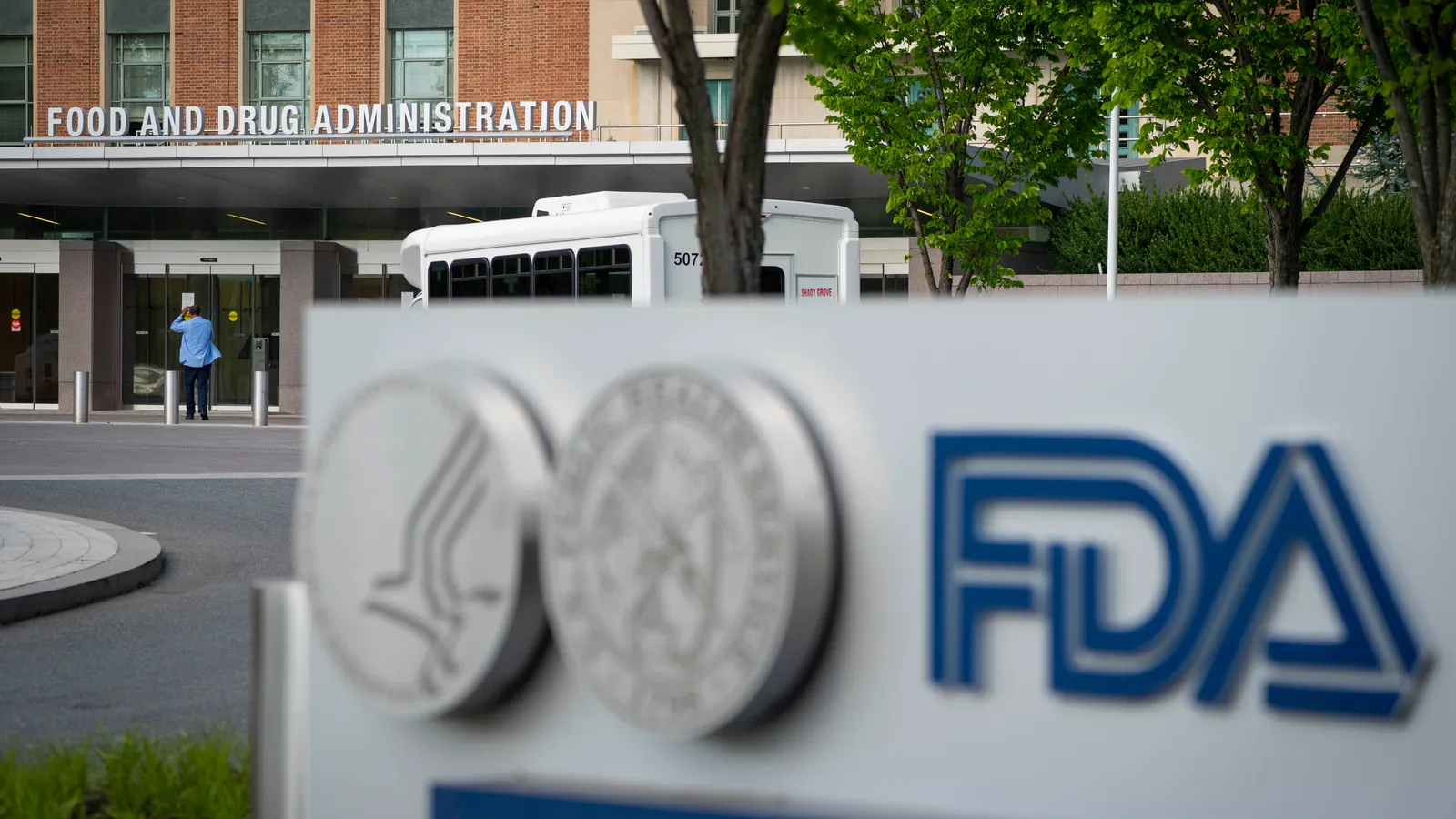
In a dramatic turn of events that has sent shockwaves through the biotechnology sector, Massachusetts-based Replimune has announced a third attempt to secure regulatory approval for its experimental cancer therapy, RP1. The company confirmed on Friday that it has reached a "productive" consensus with the U.S. Food and Drug Administration (FDA) regarding the path forward for its drug candidate, which is designed to be used in combination with Bristol Myers Squibb’s blockbuster immunotherapy, Opdivo, for the treatment of advanced skin cancer.
This development marks a potential turning point in what has been a tumultuous and highly scrutinized journey for the company. Replimune’s leadership expressed optimism, stating that the agency intends to prioritize the review of the upcoming filing, viewing the case as a matter of clinical urgency. As news of the potential regulatory thaw broke, shares of Replimune surged nearly 80% on Friday morning, signaling a profound shift in investor sentiment regarding the company’s prospects.
The Path to RP1: A Chronology of Clinical and Regulatory Hurdles
The story of RP1 is inextricably linked to the "IGNYTE" clinical trial, a mid-stage study that initially provided the bedrock for Replimune’s optimism. The trial, which enrolled 140 patients suffering from advanced melanoma, focused on individuals whose disease had progressed despite treatment with standard-of-care PD-1 inhibitors.
The results were compelling: when RP1 was administered in tandem with Opdivo, the therapy successfully shrank tumors in approximately one-third of the participants. More strikingly, 15% of patients experienced a complete response, meaning all visible signs of the cancer were eradicated. Based on this efficacy data, Replimune initiated its first Biologics License Application (BLA) in late 2024.
The Cycle of Rejection
Despite the encouraging data and a history of routine engagement with the FDA throughout the development phase, the initial submission was met with a surprising rejection in July 2025. In its response, the FDA cited concerns that the IGNYTE trial did not provide sufficient evidence of the drug’s effectiveness—a critique that caught Replimune’s executive team off guard, as they maintained that such concerns had not been raised in earlier, collaborative meetings.
Following the initial setback, Replimune worked to bolster its clinical evidence, conducting additional analyses and gathering supplemental data to address the agency’s specific concerns. A second BLA was submitted in October 2025. However, the agency remained unconvinced, issuing a second rejection in April 2026. This second refusal left investors reeling and placed Replimune at the center of a growing industry debate regarding the predictability of FDA decision-making.
Decoding the Data: The Science Behind RP1
The core of RP1’s mechanism is its ability to serve as an "oncolytic immunotherapy." By modifying a virus to selectively infect and destroy tumor cells, the therapy also triggers a systemic immune response. When combined with a PD-1 blocker like Opdivo—which essentially "takes the brakes off" the immune system—the theory is that the immune system can more effectively identify and attack metastatic melanoma.
The 15% complete response rate observed in the IGNYTE trial is particularly significant in the context of refractory melanoma, where options are historically limited. By proving that the therapy can achieve durable responses in patients who have failed prior immune-checkpoint therapy, Replimune positioned RP1 as a critical next-generation intervention. However, the FDA’s hesitation stemmed from technical questions regarding the statistical robustness of the trial design and the interpretation of the combination benefit, illustrating the gap that often exists between clinical hope and regulatory requirements.
Official Responses and the Corporate Outlook
"We are grateful to the FDA leadership for their willingness to engage in a collaborative dialogue towards finding a meaningful path forward for RP1," said Replimune CEO Sushil Patel in a statement released Friday.
The sentiment from the company is one of cautious relief. After two years of regulatory friction, the alignment on a path forward—which the company plans to formalize with a third submission "in the coming days"—suggests that the FDA may have been persuaded by the supplemental data or a shift in the internal assessment of the therapy’s risk-benefit profile.
This collaborative tone is a stark contrast to the adversarial atmosphere that characterized the previous two rejections. The company’s announcement specifically highlighted the FDA’s intent to prioritize the review, a move that suggests the agency recognizes the unmet medical need for patients who have run out of therapeutic options.
The Regulatory Rift: Implications for the Biotech Industry
The saga of RP1 has served as a primary case study for a broader, industry-wide crisis of confidence. Over the past two years, the FDA has been criticized for being "mercurial," with drug developers across the spectrum—from major players like Moderna to smaller firms like UniQure and Regenxbio—reporting conflicting or "moving goalpost" feedback.
The "Biggest Headwind"
By late 2025, the volatility of the regulatory environment had become the dominant concern for biotech investors. An RBC Capital Markets survey revealed that nearly 50% of respondents viewed FDA unpredictability as the "biggest headwind" facing the industry. This lack of clarity has led to capital flight and a general "de-risking" of portfolios, as analysts struggle to price in the probability of success for late-stage therapies.
Stifel analyst Paul Matteis summarized the frustration in a note following the rejection of UniQure’s Huntington’s disease therapy, stating that the industry’s ability to predict the FDA was at its lowest point in at least a decade. The disconnect, according to analysts at Cantor Fitzgerald, was a clear sign that companies were getting caught in a rapidly changing regulatory landscape, exacerbated by high turnover within the agency’s leadership and ongoing staffing shortages.
A New Chapter? Shifting Sands at the FDA
The recent churn of high-level personnel within the FDA, including the departures of figures like Marty Makary, Vinay Prasad, and Tracy Beth Høeg, has sparked speculation about a potential ideological pivot within the agency. Some industry observers suggest that these exits signal a transition toward a more industry-friendly, or at least more predictable, regulatory framework.
For companies like Replimune, Biohaven, and UniQure, the recent positive momentum in the stock market suggests that investors are banking on this shift. If the FDA does indeed move toward a more consistent, transparent, and collaborative review process, it could provide a massive tailwind for the entire biotech sector, allowing for a more efficient path to commercialization for novel therapies.
Lessons Learned
The Replimune story offers several vital lessons for the biopharmaceutical industry:
- The Importance of Dialogue: Even with "productive" meetings, the regulatory goalposts can shift. Companies must build significant cushions into their development timelines.
- Data Robustness is Non-Negotiable: In an era of regulatory uncertainty, the quality and statistical rigor of trial data are the only real defenses against rejection.
- The Macro Matters: Drug development does not occur in a vacuum. Political and administrative shifts at the FDA are just as impactful to a company’s bottom line as the clinical trial results themselves.
Conclusion: What Comes Next?
As Replimune prepares to submit its third application, the eyes of the biotech world will be fixed on Washington. The outcome of this review will serve as a bellwether for whether the FDA has truly entered a new era of "collaborative dialogue" or if the current optimism is merely a temporary reprieve.
For the patients represented in the IGNYTE trial, the stakes remain the same: the potential for a breakthrough treatment that could extend or save their lives. For Replimune, the upcoming review is the ultimate test of their resilience and their ability to navigate the complex, often unpredictable machinery of federal regulation. Regardless of the outcome, the RP1 saga has permanently altered the industry’s understanding of the regulatory landscape, proving that in the race for innovation, the path to the finish line is rarely a straight line.