



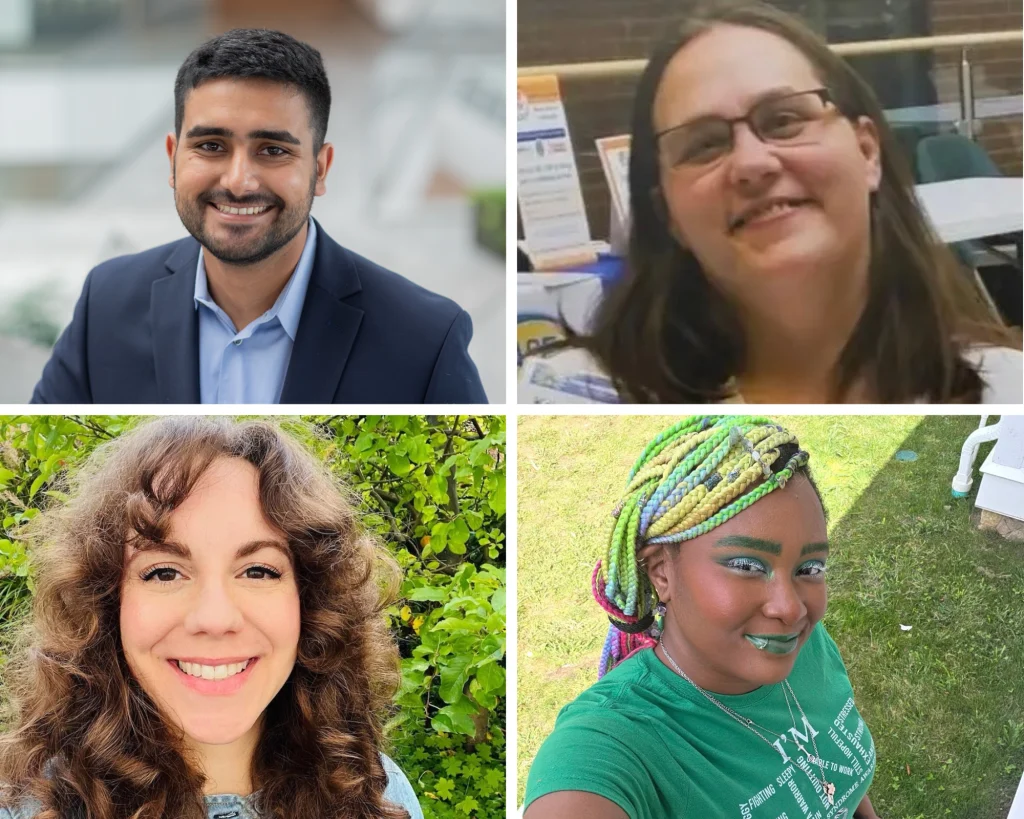
As Ehlers-Danlos Syndrome (EDS) Awareness Month draws to a close, the focus shifts from general education to the raw, lived reality of those navigating life with connective tissue disorders. Ehlers-Danlos Syndrome (EDS) and Hypermobility Spectrum Disorder (HSD) are frequently misunderstood, misdiagnosed, and minimized by both the general public and the medical community. To bridge this gap, we spotlight four individuals—Jeevan Mann, Kaleena Deshawn, Krista Brack, and Jacqueline Teti—whose experiences dismantle the pervasive myths that continue to stigmatize these conditions.
The Invisible Weight: Understanding EDS and HSD
EDS is a group of rare, hereditary connective tissue disorders characterized by joint hypermobility, skin hyperextensibility, and tissue fragility. HSD, while distinct, presents with similar symptoms of joint instability and chronic pain. Despite the prevalence of these conditions, the path to a diagnosis is often grueling, frequently spanning decades.
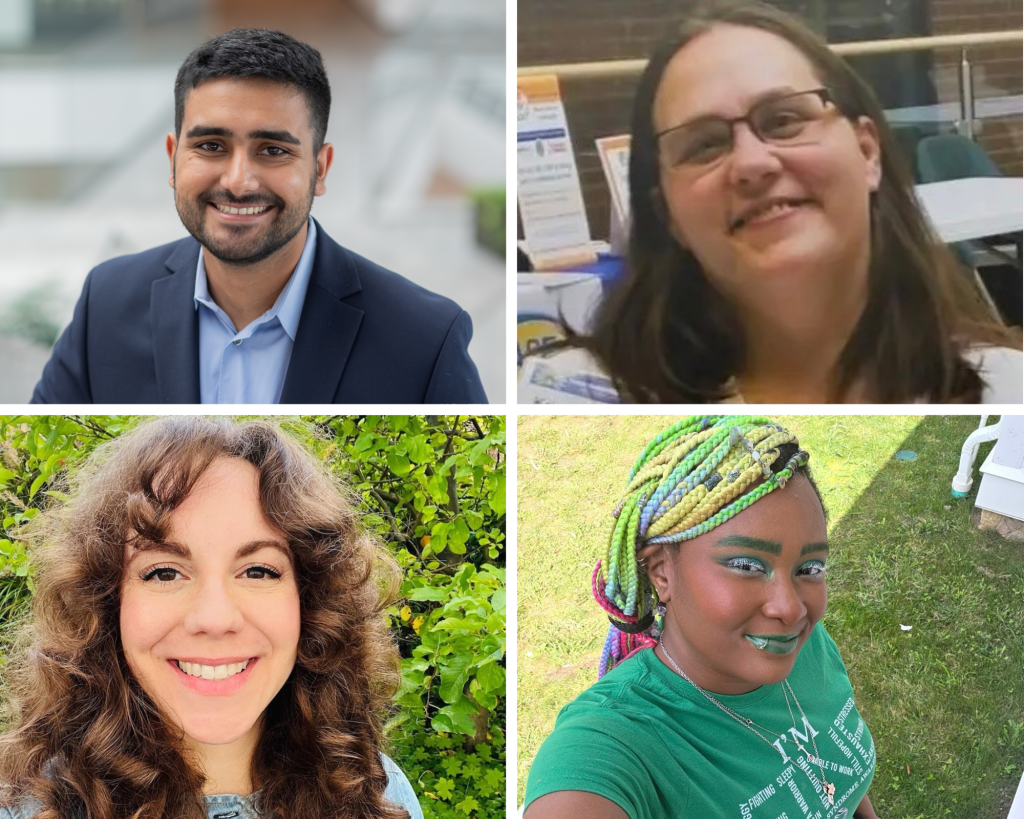
For those living with these disorders, the "invisible" nature of the illness creates a paradox: patients are often perceived as healthy, yet they are managing a multi-systemic disease that affects everything from cardiovascular health to neurological function. The following profiles reveal that for many, life is a delicate, calculated, and exhausting balancing act.
Challenging the Myths: A Four-Person Perspective
Myth: “Men Can’t Have EDS”
The Reality: Jeevan Mann
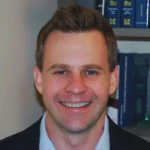
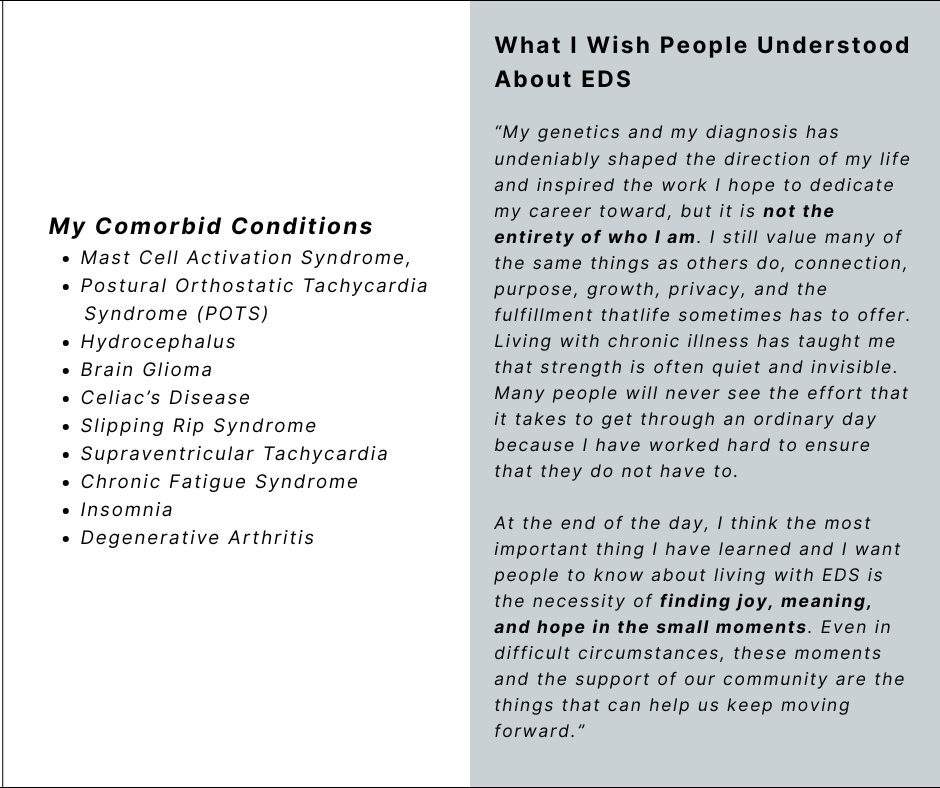
A common misconception is that EDS is exclusively a "women’s condition." Jeevan Mann, a biomedical researcher and EDS advocate living with Classical-Like Ehlers-Danlos Syndrome Type 2, proves otherwise. After 19 years of searching for answers—symptoms having begun at age five—Jeevan was finally diagnosed.
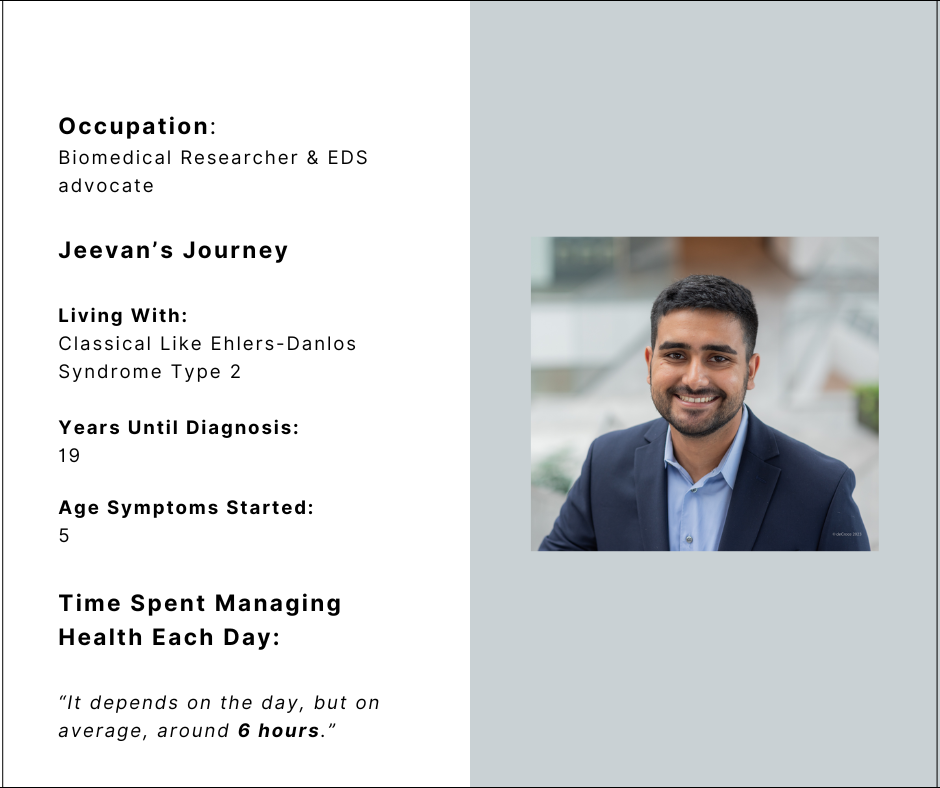
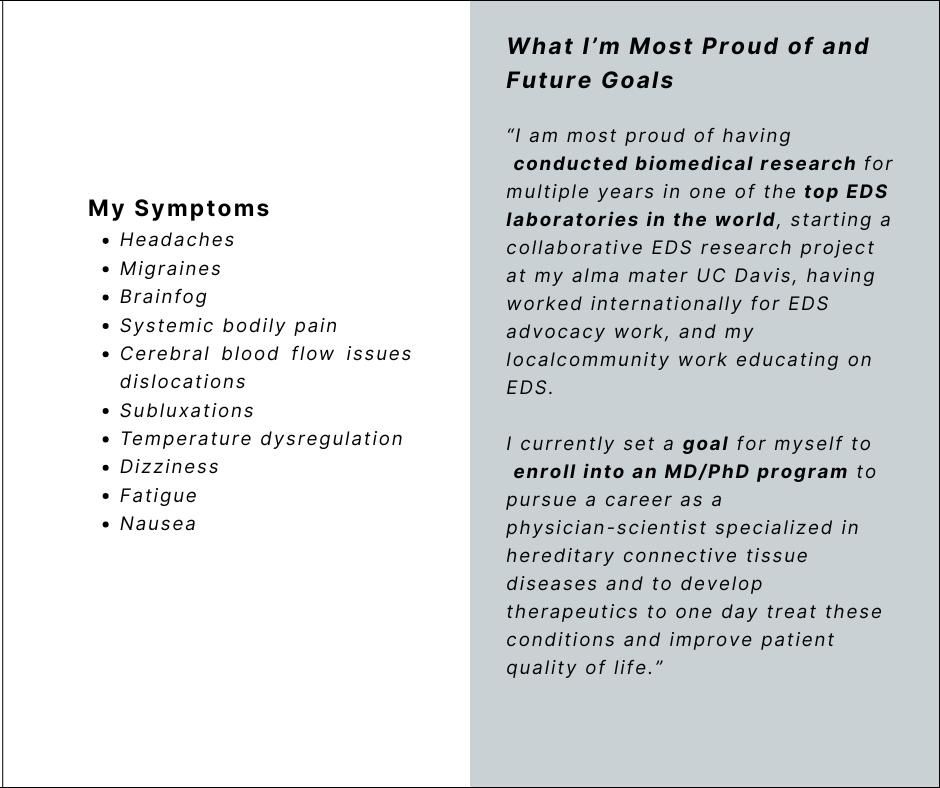
His daily life is a testament to the unseen labor of chronic illness. On average, he spends six hours a day managing his symptoms and a complex list of comorbidities, including Mast Cell Activation Syndrome (MCAS), Postural Orthostatic Tachycardia Syndrome (POTS), and chronic fatigue. Despite these hurdles, Jeevan has dedicated his life to science, working in top-tier laboratories to advance our understanding of connective tissue disorders. His goal: to become a physician-scientist who develops therapeutics to change the prognosis for others.
Myth: “EDS Doesn’t Affect People From All Backgrounds”
The Reality: Kaleena Deshawn
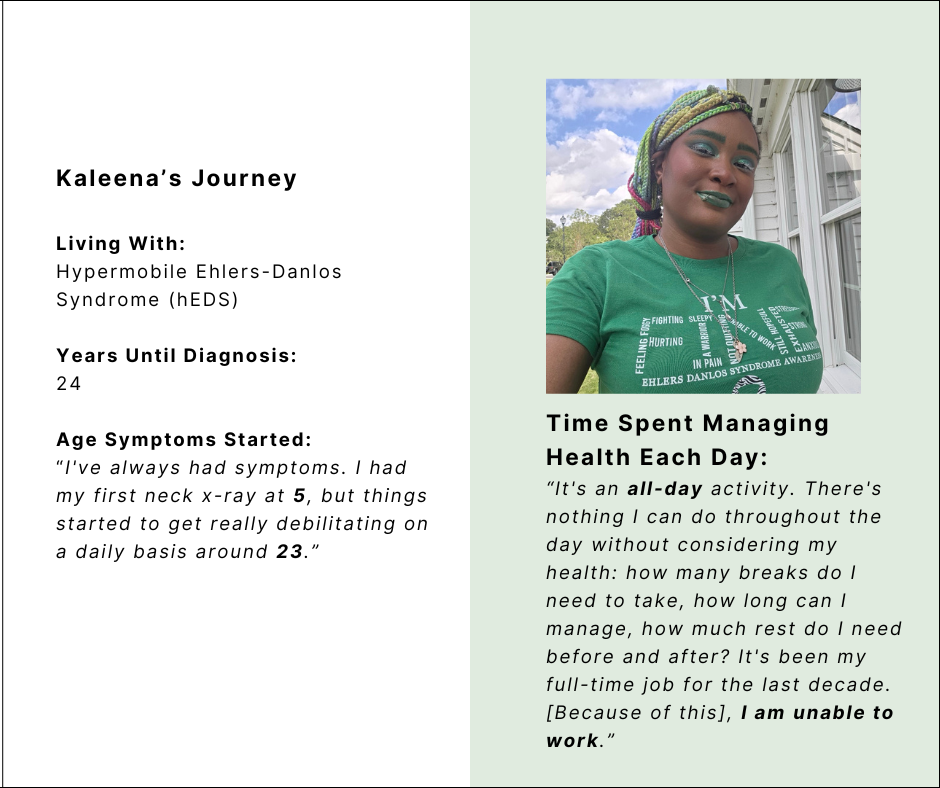
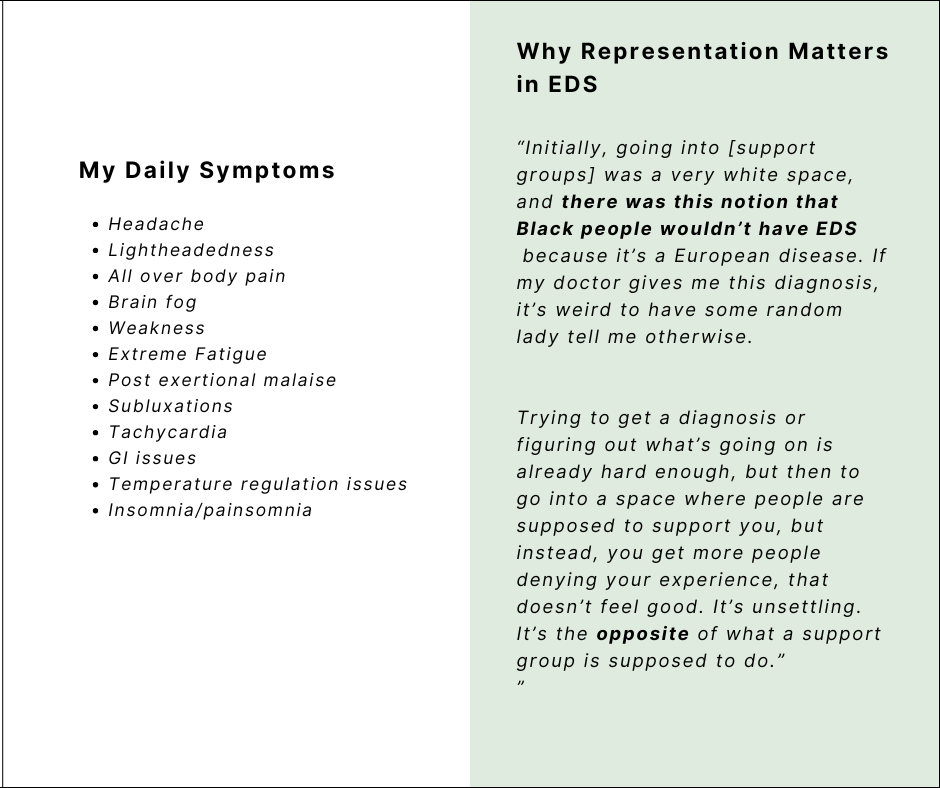
Systemic bias in medicine often leads to the dangerous assumption that EDS is a "European" or "white" disease. Kaleena Deshawn, who lives with Hypermobile EDS (hEDS), experienced this firsthand within the support systems designed to help her. "Initially, going into support groups was a very white space," she explains. "There was this notion that Black people wouldn’t have EDS because it’s a European disease."
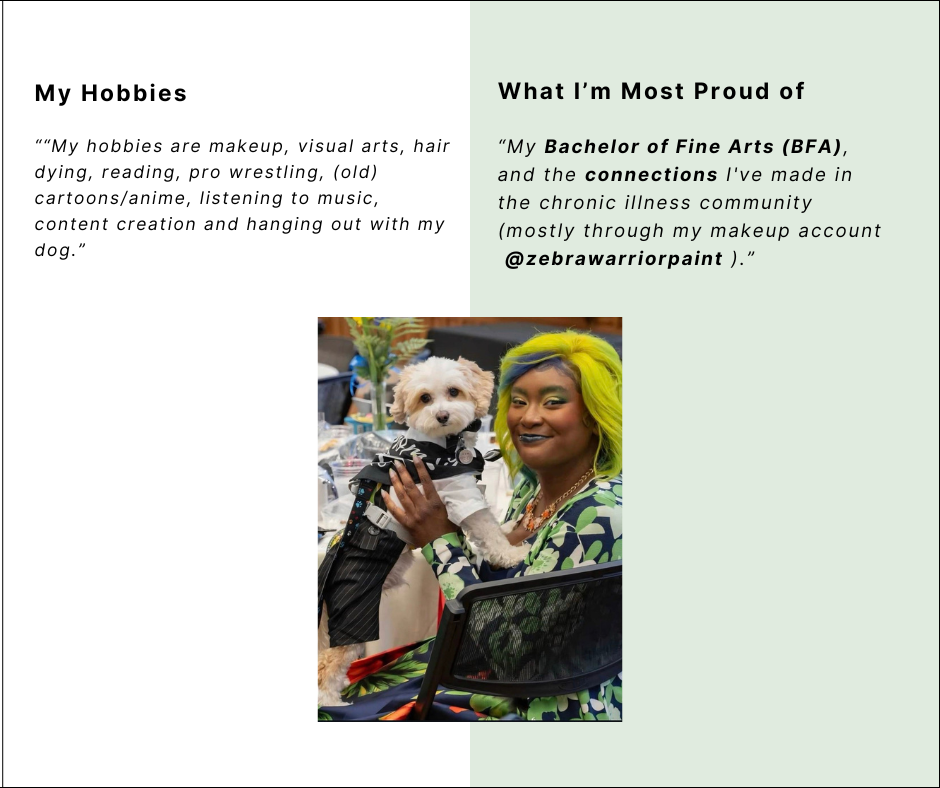
The psychological toll of being denied one’s experience by peers and medical professionals is profound. For Kaleena, the physical reality is equally taxing; she notes that her health management is a full-time, 24/7 job that has rendered her unable to maintain traditional employment. Her journey highlights that the "zebra" of EDS—the symbol for rare disease—does not discriminate by race, yet the healthcare system often does.
Myth: “EDS is Just Being a Bit ‘Bendy’”
The Reality: Krista Brack
Perhaps the most damaging myth is that EDS is simply a benign state of being "bendy." For Krista Brack, who lives with Classical EDS, this could not be further from the truth. Born with symptoms, she waited 30 years for a diagnosis. Her medical history includes Chiari Malformation, internal organ issues like Gastroparesis, and life-altering surgeries.
Krista spends six hours a day on health maintenance, a routine she describes as a "full-time job with no vacation days." Her experience highlights a critical systemic failure: the lack of knowledge in emergency departments. "My pain is left uncontrolled, surrounded by doctors who have little to no knowledge of any type of EDS," she says. "That lack of understanding has put my life at risk multiple times."
Myth: “If You Were Actually Sick, You Would Look Sick”
The Reality: Jacqueline Teti
Jacqueline Teti, Editor-in-Chief and Director of Programs, addresses the "you don’t look sick" bias. Managing HSD along with dysautonomia and various venous disorders, Jacqueline’s life is defined by the invisible effort required to appear "normal."
Her story is one of incredible resilience. In 2018, during the height of her health crisis—characterized by unstable blood pressure and frequent emergency room visits—she entered graduate school. Despite the physical toll, she earned her master’s degree with honors, proving that chronic illness and high achievement can coexist, provided there is grit and a flexible environment.
Chronology of Care: The Diagnostic Gap
The data from these four individuals highlights a systemic failure in early detection. The time taken to receive a diagnosis for these individuals ranges from 19 to 30 years. This "diagnostic odyssey" is not an anomaly but a standard experience for the EDS/HSD community.
| Name | Years to Diagnosis | Daily Time Managing Health |
|---|---|---|
| Jeevan Mann | 19 | 6 Hours |
| Kaleena Deshawn | 24 | All-day activity |
| Krista Brack | 30 | 6 Hours |
| Jacqueline Teti | 21 | 3-4 Hours |
Supporting Data: The Comorbidity Cascade
EDS and HSD rarely travel alone. The profiles underscore a complex web of comorbidities that complicate treatment and increase the burden on the patient:
- Neurological: Chiari Malformation, Tethered Cord, Intracranial Hypertension.
- Autonomic: POTS, Dysautonomia, Tachycardia.
- Immunological: Mast Cell Activation Syndrome (MCAS).
- Gastrointestinal: Celiac Disease, Gastroparesis.
These conditions are not "side effects" of EDS; they are systemic manifestations that require a multidisciplinary approach to care—an approach that remains largely unavailable in most conventional medical settings.
Official Responses and Medical Implications
The medical establishment is slowly beginning to recognize the gravity of connective tissue disorders, yet the gap between research and clinical practice remains wide.
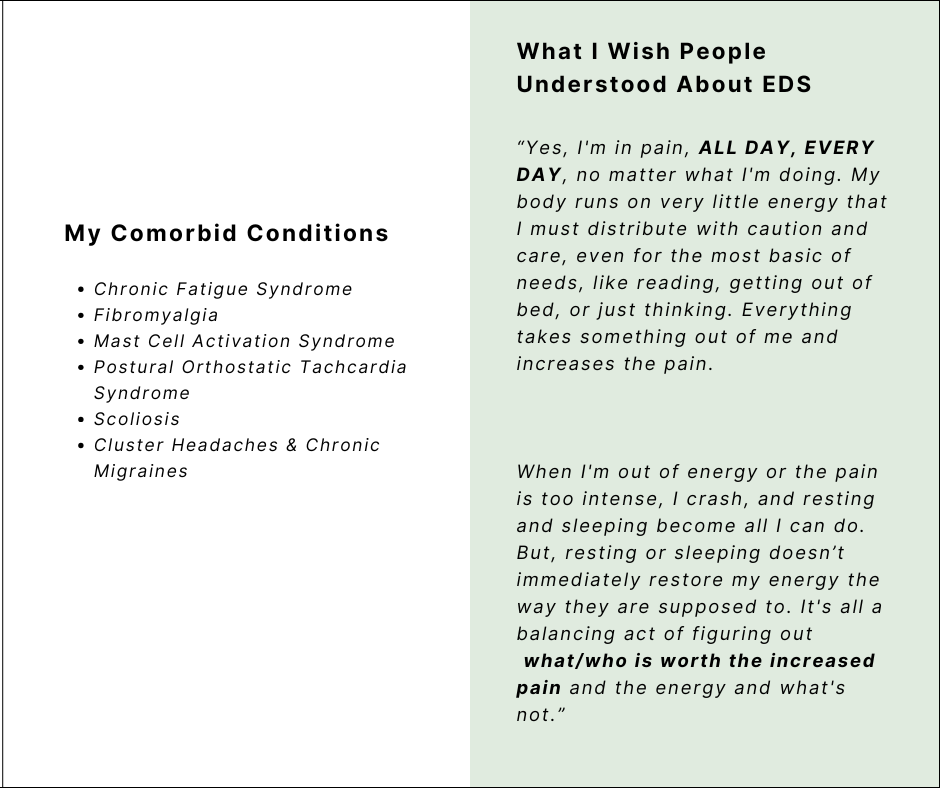
- Clinical Competency: The primary barrier identified by our participants is the lack of specialized training for primary care physicians and emergency staff. When providers do not understand the systemic nature of EDS, patients are often dismissed as "anxious" or "hypochondriacal."
- Health Equity: As Kaleena Deshawn pointed out, the assumption that rare diseases are tied to specific demographics leads to diagnostic delays for patients of color. Addressing this requires a move toward inclusive research and bias training in medical schools.
- The "Invisible" Workload: The healthcare system does not currently account for the 3–6 hours of "unpaid, non-clinical labor" patients perform daily (physical therapy, symptom tracking, medication management, and advocacy).
A Call for Greater Understanding
The stories of Jeevan, Kaleena, Krista, and Jacqueline serve as more than just a snapshot of life with EDS/HSD—they are a call to action. They illustrate that while the physical body may be fragile, the human spirit is often remarkably resilient.
To improve the lives of those with these conditions, we must prioritize:
- Increased Physician Education: Mandatory training on Ehlers-Danlos and Hypermobility Spectrum Disorders in medical and nursing programs.
- Integrated Care Models: Moving away from treating systems in isolation and toward a model that views the patient as a whole.
- Social Validation: Understanding that "looking well" does not equate to "feeling well." The energy required to simply participate in society is often drawn from a deficit, not a surplus.
As we move past Awareness Month, the goal remains the same: to foster a community where individuals with EDS and HSD feel seen, heard, and supported. For these patients, the fight is not just against their biology, but against a system that has historically failed to recognize the reality of their struggle. By sharing these experiences, we hope to ignite the change necessary to ensure that the next generation of patients faces a shorter, more supported journey toward healing.