









For months, 55-year-old Edward (Ed) Waldner lived in a state of quiet alarm. Despite his best efforts to maintain a healthy lifestyle, he felt an unrelenting, bone-deep exhaustion. No matter how much rest he captured, the fatigue remained, pervasive and heavy. He began to speculate about his health, wondering if sleep apnea or another common ailment was to blame for the fog that seemed to settle over his days.
Then came the physical manifestations that he could no longer ignore: subtle but persistent changes in his gait, specifically a rhythmic dragging of his heels that signaled something was fundamentally wrong. When his symptoms reached a critical threshold, Waldner checked himself into the Emergency Department, seeking answers. He received a diagnosis that would alter the course of his life: a mass on his brain.
The diagnosis was glioblastoma—an aggressive, often terminal form of brain cancer. For Waldner, and for thousands of patients like him, the standard path forward—surgery, radiation, and chemotherapy—felt like a battle with limited weaponry. However, a pioneering clinical trial at the University of Calgary is now offering a flicker of hope, utilizing a common, overlooked tool: high-dose vitamin B3 (niacin).
The Chronology of a Medical Breakthrough
The journey to this clinical trial began years before Waldner walked into the hospital. At the Hotchkiss Brain Institute and the Arnie Charbonneau Cancer Institute, two researchers were asking fundamental questions about how the brain interacts with the immune system.
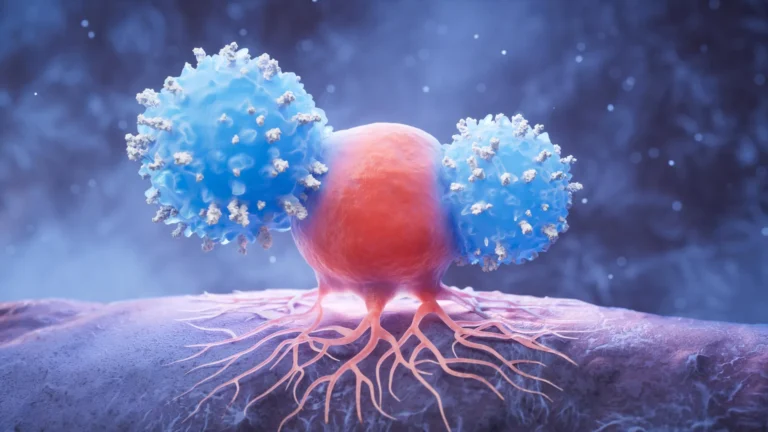
Dr. Wee Yong, a neuroscientist, and Dr. Gloria Roldan Urgoiti, a brain cancer specialist, formed a collaborative partnership that would bridge the gap between bench science and clinical application. Their research focus was clear: glioblastoma is notoriously adept at suppressing the body’s immune system, essentially creating a "cloak of invisibility" that allows tumor cells to proliferate unchecked.
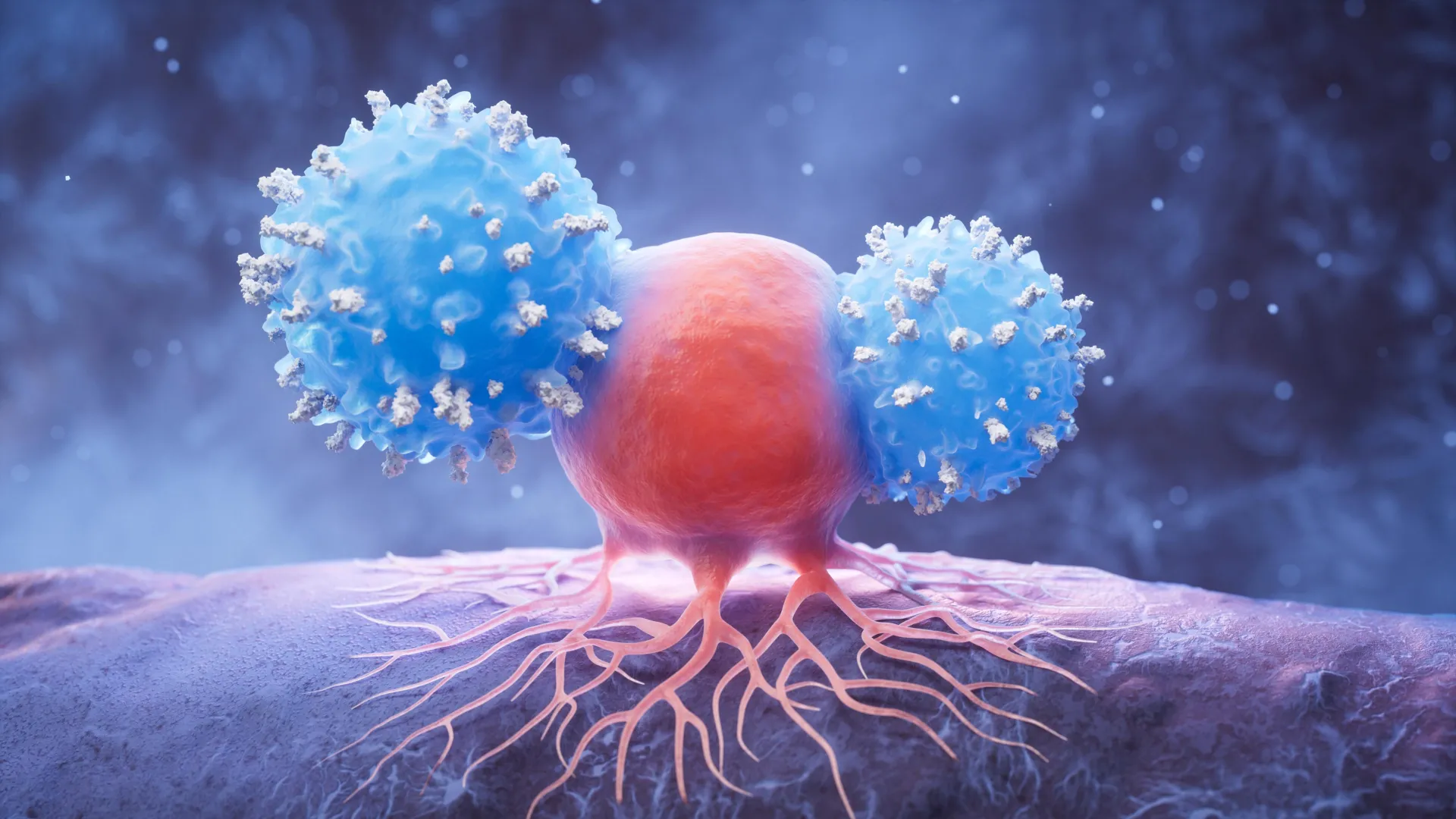
Initial research in Dr. Yong’s laboratory focused on murine models. When the team introduced high doses of niacin, they observed a remarkable phenomenon: the vitamin appeared to "rejuvenate" immune cells that had been rendered dysfunctional by the presence of the tumor. These invigorated cells were once again able to recognize and attack the cancer.
Following these successful pre-clinical results, the team received approval to launch a Phase I and II clinical trial. For patients like Waldner, who had been told by previous providers that the standard-of-care protocol was the "end of the road," this study provided a new front in their personal war against the disease.
The Mechanism: Reawakening the Body’s Defenses
At the heart of the research is the complex relationship between glioblastoma and the immune system. "Normally, the immune system will try to counter and prevent tumor growth, however, this brain cancer suppresses the immune system," explains Dr. Yong, a professor at the Cumming School of Medicine (CSM). "Niacin treatment rejuvenates immune cells so they can do what they are supposed to do: attack and kill the cancer cells. I see it as an ongoing ‘battle for the brain’."
The logic is elegant in its simplicity but complex in its execution. Glioblastoma cells secrete immunosuppressive factors that essentially "exhaust" T-cells, the soldiers of the immune system. By administering controlled-release niacin, the researchers aim to restore metabolic and functional integrity to these exhausted cells.
The clinical trial was designed with rigorous safety parameters. The primary goal was to determine the highest safe dose of niacin that could be administered alongside standard-of-care chemotherapy and radiotherapy. The researchers established a strict benchmark for success: if the progression-free survival (PFS) rate at six months did not improve by at least 20 percent over historical data, the trial would be deemed a failure and halted immediately.
Supporting Data: Exceeding Expectations
The results, published recently in the Journal of Neuro-Oncology, have provided a much-needed morale boost for the oncological community. In an initial cohort of 24 patients, the data surpassed the researchers’ benchmarks.
At the six-month mark, 82 percent of the trial participants showed no signs of disease progression. This represents a 28 percent improvement compared to previous studies—a statistically significant leap in a field where advancements have been notoriously slow. For a condition as aggressive as glioblastoma, where median survival rates have remained stubbornly stagnant for over two decades, these numbers are more than just statistics; they are a sign that a new therapeutic avenue may be viable.
However, the researchers are quick to urge caution. "Glioblastoma is the most aggressive brain cancer in adults," says Dr. Roldan Urgoiti. "Survival of patients with this condition hasn’t changed significantly for 20 years. Anything that may help should be explored, but it requires strict protocols and safety monitoring."
Professional Perspectives and Safety Warnings
While the promise of vitamin B3 is exciting, the medical team emphasizes that this is not a "home remedy" situation. The doses used in the study are pharmacological and far exceed what one would find in a typical daily supplement.
"High doses of vitamins, including niacin, can be toxic and may cause harm if they are not carefully monitored by medical professionals," the study authors warned in their report. Toxicity can include liver damage, skin flushing, and gastrointestinal distress, all of which require the kind of clinical oversight provided within the framework of their trial.
For Dr. Roldan Urgoiti, the trial is a testament to the necessity of pushing boundaries in clinical oncology. By combining traditional treatments—which effectively "debulk" the tumor—with immune-modulating agents like niacin, the team hopes to create a synergistic effect that standard protocols alone cannot achieve.
The Patient Experience: Beyond the Numbers
For Ed Waldner, participating in the study has provided both physical benefits and psychological relief. "I have no problem trying to help anybody. I agreed. I want to help myself too," Waldner says. "I can tell you being part of this research helps me mentally because we’re trying. When I left the hospital after surgery I was told, ‘That’s it, that’s all we can do.’ This trial gave me a path forward."
Today, Waldner reports feeling well. During his routine follow-up scans, he waits for the report from his medical team with the same anxiety every patient faces, but the result has remained consistently positive: "stable." In the world of glioblastoma treatment, "stable" is a word that carries immense weight, signifying that the battle is being fought, and for the moment, won.
Implications and Future Outlook
The implications of these findings extend far beyond niacin. The study suggests that there may be a vast, untapped library of metabolic agents that, when properly harnessed, can bolster the immune system’s ability to fight localized cancers.
As the trial moves toward its next stage, the team is working toward a goal of enrolling 48 participants by the end of 2026 or early 2027. This larger sample size will be critical in confirming the durability of the current findings and establishing long-term safety profiles.
Supported by the Canadian Institutes of Health Research and the Alberta Cancer Foundation, the project is a shining example of collaborative, patient-centered science. It highlights the importance of institutional support in funding high-risk, high-reward research that pharmaceutical giants might overlook.
As the research progresses, the medical community will be watching closely. If the success of the first 24 patients can be replicated across a broader population, the protocol could eventually become a standard component of glioblastoma treatment, offering patients like Ed Waldner more than just "stable" scans—it could offer the hope of a future.
For now, the "battle for the brain" continues in the laboratory and the clinic, one dose of niacin at a time. It is a slow, methodical process, but for those caught in the shadow of this aggressive cancer, the pace of science is finally beginning to match the urgency of their lives.