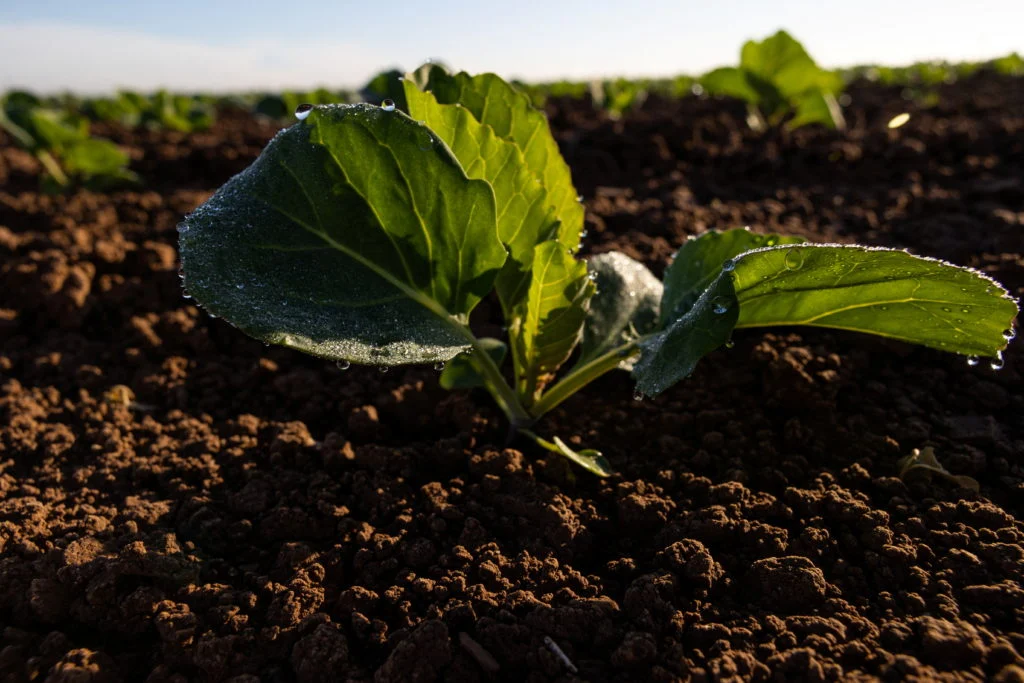
The year 2026 has proven to be a watershed moment of instability for the American produce industry, specifically concerning the ubiquity of lettuce. For restaurant operators and consumers alike, the leafy green that serves as the foundation of the modern salad has become a source of both economic anxiety and public health concern. Beset by extreme weather patterns, logistical bottlenecks, and a widespread Cyclospora outbreak, the lettuce market is currently navigating a period of unprecedented volatility.
The Dual Storm: Economic and Health Pressures
The crisis hitting the restaurant industry is two-pronged. First, there is the lingering impact of an inflationary supply crunch that defined the first half of the year. Unseasonably high temperatures in Arizona—a region responsible for roughly one-third of the nation’s lettuce production—wreaked havoc on harvest cycles, leading to significant supply gaps before California’s production could take over.
This supply chain fragility was exacerbated by global energy instability. According to Elizabeth Canales, an associate professor of agricultural economics at Mississippi State University, the geopolitical tensions in the Middle East—specifically the conflict involving Israel and Iran—have spiked fuel costs. Because lettuce is highly perishable, it requires a constant, energy-intensive "cold chain" from farm to table. Increased diesel and electricity costs for refrigeration have forced prices upward, creating a cost-burden for distributors and restaurateurs that ultimately reached the consumer’s wallet.
However, the economic frustration of high prices has been eclipsed by the specter of foodborne illness. A major Cyclospora outbreak, linked to shredded iceberg lettuce supplied by Taylor Farms, has sickened thousands across the United States. The parasite, which causes intense gastrointestinal distress, has triggered a ripple effect of consumer fear, causing foot traffic in the restaurant sector to plummet as patrons shy away from fresh, raw produce.
Chronology of a Public Health Crisis
The trajectory of the current Cyclospora outbreak illustrates the speed at which a food safety incident can paralyze a national brand.
- Early July: Federal health officials identify a cluster of Cyclospora infections, eventually tracing the source to shredded iceberg lettuce served at Taco Bell locations in the Midwest, specifically Indiana, Kentucky, Michigan, Ohio, and West Virginia.
- July 17: Responding to the identification of the contamination source, Taco Bell moves proactively to remove all shredded iceberg lettuce supplied by Taylor Farms from its U.S. inventory.
- July 18: Taylor Farms issues a formal recall of iceberg lettuce sourced from central Mexico, acknowledging the potential link to the ongoing outbreak.
- July 18–19: Taco Bell experiences a "bottoming out" of sales, as consumer apprehension peaks during the weekend following the widespread media coverage of the recall.
- Late July to Present: Under the guidance of CEO Chris Turner and CFO Ranjith Roy, Taco Bell initiates a recovery strategy, utilizing social media transparency and aggressive promotional pricing, such as $1 Mexican pizzas, to restore customer confidence.
As of late summer, the situation remains fluid. Federal officials have expanded their investigation to include reports from Illinois, Oklahoma, Pennsylvania, and Kansas. Meanwhile, a new, separate investigation involving 72 additional cases was opened by health authorities last week, signaling that the full scope of the parasite’s reach is still being mapped.
The Financial Toll: Market Data and Chain Reactions
The financial implications for major restaurant chains are stark. Yum Brands, the parent company of Taco Bell, reported a 2% decline in U.S. same-store sales for the July-September period. This represents a dramatic reversal of fortune, given that the company had posted a robust 7% increase in the preceding April-June quarter.
The "outbreak effect" is not limited to Taco Bell. The contagion of fear has spread to other players in the fast-casual space, regardless of their direct involvement in the specific supply chain implicated by the FDA. Chipotle Mexican Grill, for instance, has downgraded its quarterly expectations. Initially projecting a 3% increase in same-store sales, the company now expects only a 1% rise, citing a general decline in consumer traffic linked to the broader "lettuce anxiety."
Market research firm Placer.ai noted that foot traffic at the salad-centric chain Chopt dropped by 12% by late July. Similarly, M Science reported that weekly spending at Sweetgreen fell by 10 percentage points compared to the same period in 2025. While Sweetgreen has publicly maintained that its supply chain remains unaffected and that it adheres to rigorous, traceable food safety standards, the data suggests that the "halo effect" of the outbreak is discouraging diners from choosing salad-heavy menus across the entire industry.
Official Responses and Industry Accountability
The U.S. Food and Drug Administration (FDA) remains the primary agency spearheading the investigation. Their role is to determine the precise point of contamination in the complex agricultural supply chain. As food safety researcher Craig Hedberg of the University of Minnesota notes, the complexity of these outbreaks—often involving multiple states and distribution centers—makes rapid containment a Herculean task.
For brands like Taco Bell, the strategy for survival has been centered on "radical transparency." CEO Chris Turner noted that a critical turning point occurred when the public began to differentiate between a brand-specific failure and a broader agricultural supply chain issue. By communicating that the contamination was rooted in a third-party supplier rather than internal kitchen mismanagement, Taco Bell managed to begin a steady, if slow, recovery. By the end of August, the company reported that sales had climbed halfway back to their year-ago levels.
Other companies are taking a more defensive posture. Sweetgreen’s public statement emphasized their ability to "trace ingredients from restaurant to farm," a practice that is becoming an industry standard as companies attempt to insulate themselves from future recalls.
Implications for the Future of Produce
The agricultural sector is now at a crossroads. The economic data from the USDA paints a picture of a market in flux. While salad mixes have seen some price stability—with some items retailing 7 to 24 cents lower than last year—individual produce items have seen double-digit percentage spikes.
- Retail Price Trends: As of August, the average price for a head of iceberg lettuce was $1.86, a 25-cent increase year-over-year. Red leaf lettuce saw an even steeper climb, up 52 cents to $1.66, while romaine prices jumped $1.55 to reach an average of $2.49.
- The Climate Variable: With Arizona’s climate becoming increasingly unpredictable, experts suggest that the industry may need to pivot toward more resilient growing regions or invest heavily in indoor, hydroponic, or greenhouse farming to mitigate the risk of weather-induced "maturation spikes."
- Safety Protocols: The recurrence of foodborne illness—reminiscent of the 2018 E. coli outbreaks linked to romaine—suggests that current monitoring, while improved, is still insufficient to prevent wide-scale distribution of contaminated product.
The 2026 lettuce crisis is more than a momentary dip in the stock market; it is a diagnostic of a fragile food system. As consumers demand higher transparency and safety, and as climate change continues to disrupt traditional agricultural cycles, the industry faces an imperative to innovate. Whether through advanced supply-chain tracing, diversification of sourcing, or new safety mandates from federal regulators, the "lettuce industry" of tomorrow must be fundamentally different from the one that struggled through the heat and hazards of 2026.
For now, the recovery remains in the hands of the consumers. As confidence slowly returns, the question remains whether the public’s appetite for fresh greens can weather the storm of recurring safety scares and the steady creep of climate-driven inflation. For the millions of Americans who rely on these chains for daily meals, the path forward is paved with caution, a renewed focus on food safety, and an industry working overtime to regain a shattered sense of trust.