For over four decades, the global medical community has been locked in an arduous battle against Human Immunodeficiency Virus (HIV). While the advent of antiretroviral therapy (ART) has transformed the virus from a death sentence into a manageable chronic condition, it remains an elusive target. Millions of people living with HIV must adhere to a lifetime of medication, a regimen that is often hindered by systemic barriers to access, affordability, and the potential for long-term health complications.
However, a landmark study led by researchers at Oregon Health & Science University (OHSU) has unveiled a radical new paradigm: the possibility of a permanent, functional cure. Published in the journal Nature Microbiology, the study suggests that a specific cocktail of three distinct therapies, when administered to newborns within 72 hours of exposure, may be capable of completely purging the virus from the body.
The Core Innovation: A Synergy of Three Approaches
The breakthrough lies not in a new, singular “magic bullet,” but in the sophisticated orchestration of three established therapeutic modalities. Researchers tested a combination of standard antiretroviral therapy (ART), broadly neutralizing antibodies, and an experimental monoclonal antibody known as leronlimab.
While each of these components has been studied in isolation for years—often with limited success in achieving a permanent cure—the OHSU team discovered that their combined effect is exponentially more powerful. The researchers utilized a nonhuman primate model to simulate the early stages of infection, a process that allowed them to observe how the virus interacts with the immune system in the critical first hours and days following exposure.
The Mechanism of Action
To understand why this "triple-threat" approach works, researchers have utilized a series of compelling analogies to describe the biological "cleanup" occurring within the host:
- Antiretroviral Therapy (The Faucet): ART acts to inhibit the virus’s ability to replicate. By turning off the "faucet," it minimizes the viral load circulating in the bloodstream, preventing the infection from spiraling out of control.
- Neutralizing Antibodies (The Cleanup): These proteins effectively corral the virus, binding to circulating particles and facilitating their removal from the blood supply.
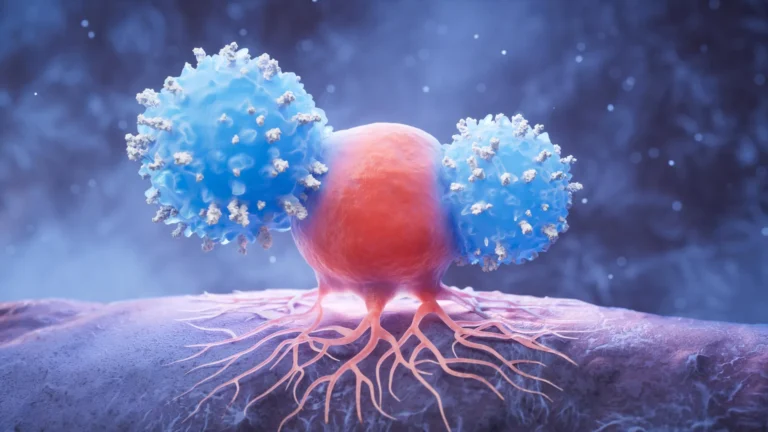
- Leronlimab (The Seal): Perhaps the most critical component, leronlimab blocks the CCR5 receptor—a surface protein on immune cells that serves as a primary gateway for HIV. By "sealing the door," the treatment prevents the virus from finding a reservoir within the immune system, effectively cutting off its fuel supply.
A Chronology of Discovery
The journey to this discovery was one of professional skepticism met with the rigor of scientific collaboration. For years, Jonah Sacha, Ph.D., professor and chief of pathobiology and immunology at OHSU, had been instrumental in developing leronlimab. Despite his deep familiarity with the drug, he was initially doubtful that a simple combination of therapies would yield a permanent cure, given the historical difficulty of clearing the HIV reservoir.
However, his long-time colleague, virologist and immunologist Nancy Haigwood, Ph.D., held a different perspective. Drawing on decades of experience studying HIV antibodies, Haigwood posited that the combination of these three therapies could provide a synergistic effect far greater than the sum of its parts.
The research project was a massive collaborative effort involving experts from the Oregon and California National Primate Research Centers. Over several weeks of rigorous testing on nonhuman primates, the team observed results that exceeded their most optimistic projections. "We were astounded and overjoyed, actually," Haigwood remarked. "It’s a remarkable result."
Supporting Data and Scientific Rationale
The significance of this study is grounded in the timing of the intervention. The researchers focused their efforts on the first 72 hours post-infection, a period that Haigwood identifies as a "dynamic interaction" window.
The Criticality of Early Intervention
The study highlights that the first week of infection is significantly more complex than previously understood. The virus is highly active as it attempts to establish a foothold in the host’s immune system. By intervening within the first three days, the researchers were able to prevent the virus from embedding itself in hard-to-reach reservoirs, which are the primary reason why HIV is so difficult to eliminate in adults who have been living with the virus for years.
Cross-Species Relevance
One of the most important questions regarding this study is its applicability to humans. The scientific team is optimistic, citing the profound anatomical and immunological similarities between nonhuman primates and humans. The use of the CCR5-blocking mechanism is particularly promising because HIV’s reliance on the CCR5 receptor is a universal characteristic of the virus across these species.
Official Responses and Expert Perspectives
The research community has received the findings with a mixture of cautious optimism and genuine excitement. Jonah Sacha, while surprised by the success of the initial trials, has emphasized the need for immediate progression toward clinical applications.
"The really exciting part is that it could go to clinical trials immediately to eliminate HIV infection in newborns," Sacha stated. He noted that the next logical step, following newborn trials, would be to determine if this therapy can be adapted for adults who have been recently exposed to the virus, such as in post-exposure prophylaxis (PEP) scenarios.
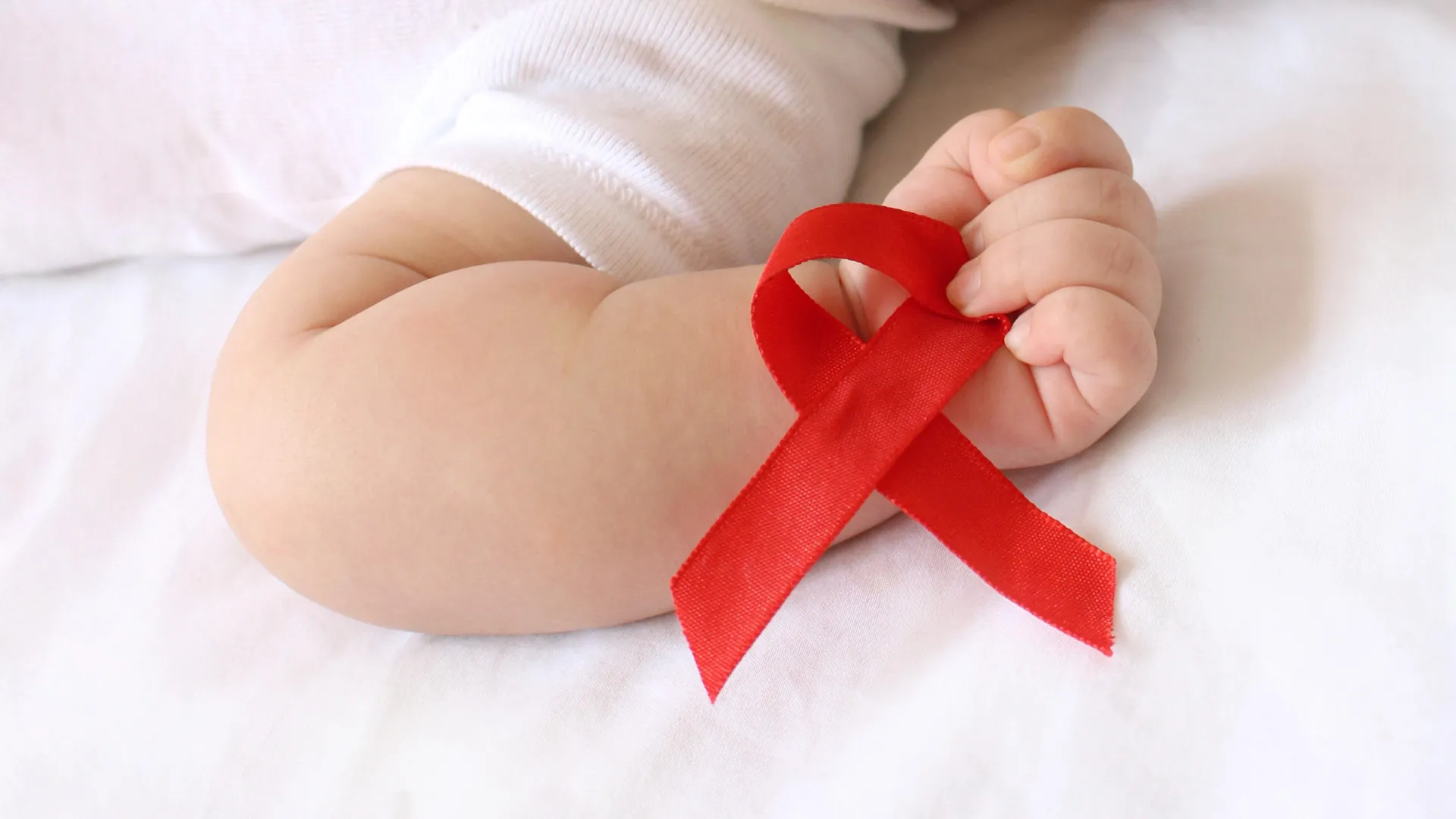
The researchers are clear about the remaining hurdles. Before this treatment can reach the global population—where over 120,000 babies acquire HIV annually—it must undergo stringent human clinical trials. These trials will need to establish safety, dosage, and efficacy, as well as define the limits of the treatment window.
Future Implications and The Road Ahead
The potential implications for public health are staggering. If this regimen can be successfully translated to human infants, it could drastically reduce the number of children born with HIV, potentially shifting the global health landscape away from lifelong dependence on ART.
The Question of the "Treatment Window"
One of the most pressing questions for future research is how far the window of opportunity can be pushed. The OHSU study tested the combination within 72 hours of infection. Researchers are now eager to explore whether this treatment remains effective if administered a week, or even two weeks, after exposure. Answering these questions could determine whether this therapy remains a specialized tool for newborn exposure or a broader public health intervention for recent infections in adults.
Addressing the Global Burden
With approximately 600,000 deaths caused by HIV-related illnesses every year, any step toward a functional cure is a monumental development. The ability to "purge" the virus rather than merely suppress it represents the "holy grail" of HIV research. As the team at OHSU prepares for the next phase of their work, the global scientific community watches with renewed hope.
Acknowledgments and Research Support
This transformative research was made possible through significant funding from the National Institutes of Health (NIH). Key support was provided by the Eunice Kennedy Shriver National Institute of Child Health and Human Development (NICHD), the National Institute of Allergy and Infectious Diseases (NIAID), and the Office of Research Infrastructure Programs (ORIP).
The collaboration between the Oregon and California National Primate Research Centers underscores the importance of multi-institutional, interdisciplinary research in solving the most complex challenges in modern medicine. While the results are promising, the researchers remain committed to the scientific process, noting that the content of their findings represents a significant step forward, even as they continue to refine the protocol for future human application.
In the words of Sacha: "There was no reason to think this would completely clear the virus. It’s one of those things where you test it and, holy cow, it works and you’ve discovered something new." That spirit of discovery, combined with the clear, actionable path toward clinical trials, marks this study as a potential turning point in the long, arduous, and necessary fight to end the HIV epidemic once and for all.