










In a milestone development for sleep medicine, the landscape of narcolepsy treatment has shifted significantly. Takeda Pharmaceutical Company has officially launched ORZEYFUL (oveporexton), the first-ever oral orexin receptor 2 (OX2R) agonist, following the U.S. Drug Enforcement Administration’s (DEA) formal decision to classify the drug under Schedule IV of the Controlled Substances Act. This regulatory hurdle, cleared on November 12, 2026, marks the final step in a rigorous multi-year process to bring this novel therapy to adults suffering from narcolepsy type 1 (NT1).
By directly addressing the biological mechanism of orexin deficiency, ORZEYFUL represents a departure from traditional symptom-management therapies. As clinicians begin prescribing the medication through specialized distribution channels, the medical community is bracing for a potential paradigm shift in how chronic neurological sleep disorders are managed in the United States.
The Core Innovation: Understanding Orexin Deficiency
Narcolepsy type 1 is a debilitating, chronic neurological disorder characterized by a profound loss of orexin-producing neurons in the hypothalamus. Orexin, a neuropeptide, is the master regulator of wakefulness. In individuals with NT1, the absence of this signaling chemical leads to a chaotic sleep-wake architecture, resulting in excessive daytime sleepiness (EDS) and the hallmark symptom of cataplexy—a sudden, temporary loss of muscle tone often triggered by strong emotions.
For decades, the standard of care for narcolepsy has focused on indirect symptom suppression. Traditional treatments, such as stimulants, antidepressants, and sodium oxybate, target downstream neurotransmitter pathways or provide symptomatic relief without addressing the core biological deficit.
ORZEYFUL (oveporexton) changes this dynamic by acting as a selective agonist for the OX2R receptor. By binding to and stimulating these receptors, the drug mimics the body’s natural orexin signaling, effectively "restarting" the wakefulness pathways that are otherwise dormant in patients with NT1. This precision-medicine approach aims to stabilize sleep-wake cycles and dampen the abnormal REM-sleep-like phenomena that manifest as cataplexy.
Chronology of Development and Regulatory Approval
The path to the commercial launch of ORZEYFUL has been marked by meticulous clinical validation and careful regulatory oversight.
- August 2026: The U.S. Food and Drug Administration (FDA) granted approval for ORZEYFUL for the treatment of NT1 in adults. This approval was contingent upon the DEA’s final scheduling determination to ensure appropriate monitoring of the drug’s potential for misuse.
- November 12, 2026: The DEA finalized its classification, placing oveporexton into Schedule IV of the Controlled Substances Act via an interim final rule. This action allowed Takeda to initiate immediate commercial distribution.
- Post-Approval Phase: The rule remains open for public comment through December 14, 2026, as part of the standard federal rulemaking process, though the immediate effective date allows for uninterrupted patient access.
The DEA’s decision followed a comprehensive eight-factor review conducted in conjunction with the Department of Health and Human Services (HHS). This evaluation focused on the drug’s abuse potential, physical and psychological dependence profiles, and pharmacological safety. Investigators utilized human abuse-potential studies, comparing supratherapeutic doses of oveporexton against established substances like phentermine. The results indicated that while the drug does possess a degree of "drug-liking" similar to current schedule IV stimulants, it carries a low risk for severe dependence, justifying its placement in the less-restrictive Schedule IV category.
Supporting Clinical Data and Efficacy
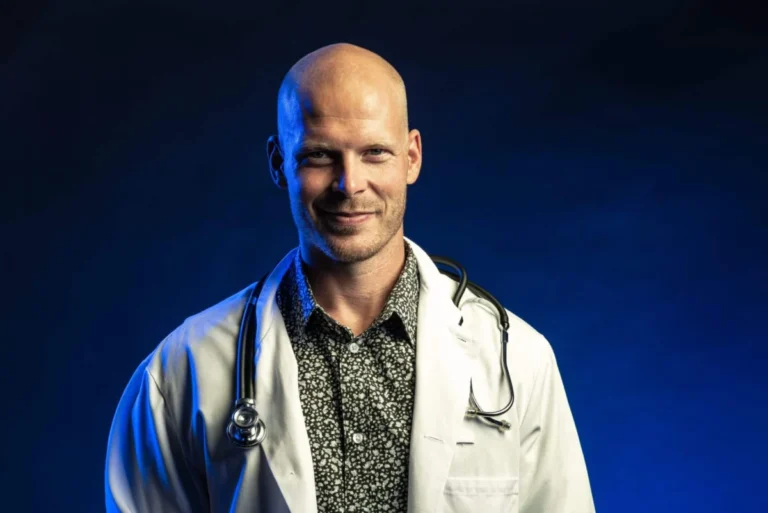
The clinical efficacy of ORZEYFUL was established through a robust Phase 3 development program. The study, led by principal investigator Emmanuel Mignot, MD, PhD, sought to determine whether restoring orexin signaling could provide superior outcomes compared to placebo.
The findings were definitive: participants reported significant improvements in both the frequency of cataplectic attacks and the severity of daytime sleepiness. Unlike stimulants, which can often lead to "crash-and-burn" cycles or jitters, the targeted nature of an OX2R agonist allows for a more sustained, naturalistic maintenance of alertness.
"Clinical trials showed ORZEYFUL improved the full range of symptoms, and now we can bring those results into real-world practice," Dr. Mignot stated in a press release. He emphasized that the drug’s ability to target the underlying cause of NT1 allows for a more constructive, proactive dialogue between physician and patient, moving away from the reactive prescribing habits that have dominated sleep medicine for years.
Official Responses and Industry Impact
The introduction of ORZEYFUL has been met with optimism by both clinical researchers and Takeda’s leadership. The move is viewed as a testament to the company’s long-term investment in neuroscience.
"We work for decades toward the defining moments that have the potential to make a real difference for patients," said Rhonda Pacheco, president of Takeda’s U.S. business unit. "Bringing ORZEYFUL, a first-in-class medicine, to people living with narcolepsy type 1 in the US is one of those moments. We’re incredibly proud to be here, and equally focused on what comes next: supporting care and access for patients prescribed ORZEYFUL."
Industry analysts note that while the market for narcolepsy treatments is crowded, the "first-in-class" designation for an orexin agonist gives Takeda a significant competitive advantage. By focusing on the biological mechanism of the disease rather than merely managing symptoms, the drug is positioned to become the new gold standard for newly diagnosed patients and those who have failed to respond to traditional therapies.
Implications for Patients and Clinical Practice
For patients living with NT1, the implications of this launch are profound. The disorder is not merely about "feeling tired"; it is a systemic failure of the brain’s ability to regulate the boundary between wakefulness and sleep. The unpredictable nature of cataplexy often forces patients to limit their social, professional, and physical activities.
Implementation and Safety Monitoring
To ensure safe and effective use, Takeda has partnered with Accredo Specialty Pharmacy, a part of Evernorth Health Services, to manage the distribution of the medication. This centralized system is intended to provide patients with dedicated support, adherence tracking, and clinical counseling.
Clinicians are advised to monitor patients closely for the most common side effects identified during clinical trials, which include:
- Insomnia: The potent wake-promoting effect of the drug can lead to difficulty falling asleep if taken too late in the day.
- Urinary issues: Patients have reported increased urinary frequency and urgency, which necessitates careful monitoring of bladder health during the titration period.
- Excessive Saliva: A noted, though generally manageable, side effect of the treatment.
The Future of Sleep Medicine
The arrival of ORZEYFUL serves as a catalyst for further research into orexin-related pathways. Researchers are already exploring whether similar pharmacological approaches might be effective for other sleep-wake disorders, such as narcolepsy type 2 or idiopathic hypersomnia.
As the medical community shifts its gaze toward the next generation of sleep medicine, the success or failure of ORZEYFUL in the real-world setting will likely dictate the speed of innovation for years to come. By moving from symptomatic band-aids to restorative, pathway-specific treatment, Takeda has provided the field of neurology with a tangible example of how understanding the molecular basis of a disease can lead to life-altering outcomes.
For the estimated thousands of Americans currently struggling with the daily burden of narcolepsy type 1, the availability of ORZEYFUL is more than just a regulatory milestone—it is the possibility of a life reclaimed from the constant, shifting fog of a broken sleep system. The coming months of real-world data collection will be critical, but for now, the mood in the clinical sleep community is one of cautious, well-earned celebration.