




As February 22 approaches, the global medical and patient-advocacy communities prepare to observe Heart Valve Disease Awareness Day, a date that carries extra weight in 2026. This year marks the 10th anniversary of a movement that has fundamentally shifted how the medical community and the general public perceive one of the most silent yet pervasive threats to cardiovascular health.
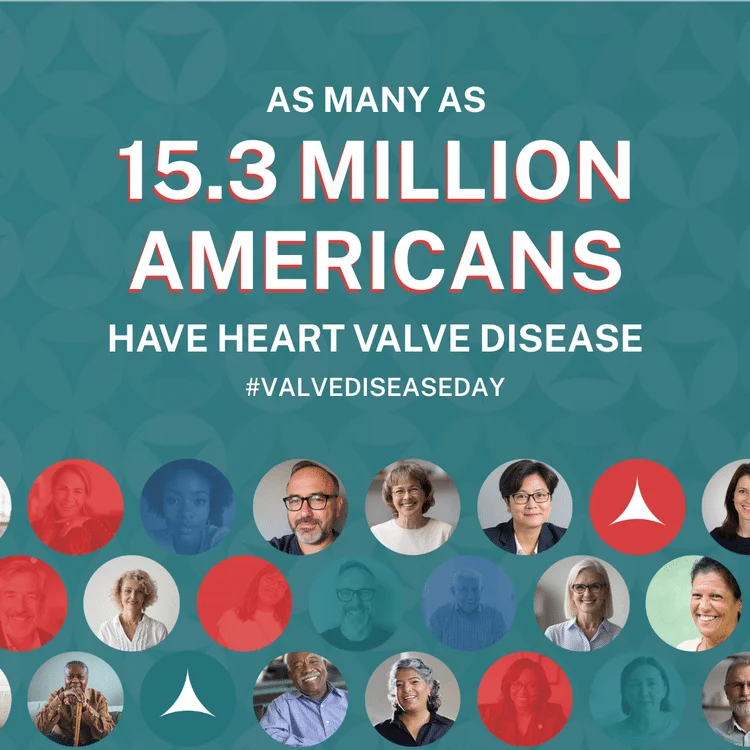
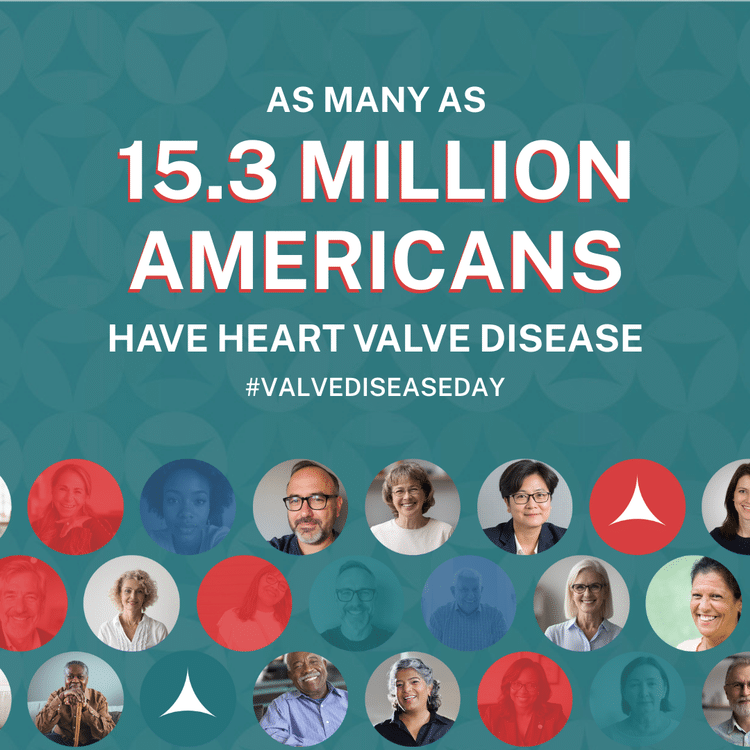
Despite a decade of tireless education, heart valve disease (HVD) remains a critical health challenge. Affecting an estimated 15.3 million Americans, the condition is often overlooked, underdiagnosed, and misunderstood. By providing a platform for patient voices and emphasizing the necessity of early detection, the campaign aims to bridge the gap between initial symptoms and life-saving interventions.
The Core Mission: Understanding the Silent Threat
Heart valve disease occurs when any of the heart’s four valves—the mitral, tricuspid, pulmonary, or aortic—fail to function correctly. These valves act as the heart’s traffic controllers, ensuring that blood flows in the right direction at the right time. When these valves become damaged or diseased, they can narrow (stenosis) or fail to close properly (regurgitation), causing the heart to work harder to pump blood to the rest of the body.
The symptoms of HVD are notoriously deceptive. Many patients mistake early warning signs—such as shortness of breath, fatigue, lightheadedness, or heart palpitations—for normal signs of aging or a sedentary lifestyle. This "normalization of decline" is exactly what the Heart Valve Disease Awareness Day campaign has fought against for the past ten years. By encouraging individuals to "Listen to Your Heart," the initiative seeks to prompt earlier, more informed conversations between patients and their healthcare providers.
A Chronology of Advocacy: Ten Years of Impact
The journey of the Awareness Day campaign is a testament to the power of organized advocacy.
The Foundational Years (2016–2018)
The campaign was established to address the significant lack of public knowledge regarding HVD. In its infancy, the primary goal was nomenclature: getting the term "heart valve disease" into the common vernacular. During this period, the campaign focused on clinical partnerships and the creation of basic educational assets to help primary care physicians identify the early markers of valve dysfunction.
The Expansion of Patient Voices (2019–2022)
By the middle of the decade, the campaign shifted toward the "human element." Recognizing that clinical data alone rarely drives policy change, the organization began amplifying the stories of those living with valve disease. This was a turning point, as it humanized the statistics, showing that HVD is not just a disease of the elderly, but a condition that impacts individuals across various demographics.
Digital Transformation and Global Reach (2023–2026)
With the launch of the newly redesigned website and a sophisticated Social Press Kit, the campaign has entered its most technologically advanced phase. The move toward digital-first resources allows for rapid, global dissemination of information. Today, the movement is not just a "day," but a year-round engine for patient advocacy and clinical education.

The Data Behind the Disease
The scale of the crisis is reflected in the numbers. With 15.3 million Americans currently affected, the prevalence of HVD is rising as the population ages.
Why Early Detection Matters
Data consistently shows that the prognosis for heart valve disease is significantly better when identified in its early stages.
- The Diagnostic Gap: A significant portion of the population remains asymptomatic until the disease is in an advanced stage.
- The Treatment Landscape: Over the last decade, advancements in Transcatheter Aortic Valve Replacement (TAVR) and other minimally invasive procedures have revolutionized care. However, these innovations are only effective if the patient reaches a cardiologist in time.
- Public Awareness: Surveys conducted by the campaign suggest that while general awareness of heart disease is high, specific knowledge regarding the "valves" of the heart remains dangerously low compared to knowledge about heart attacks or strokes.
Revamping the Tools of Engagement
To commemorate the 10th anniversary, the campaign has overhauled its digital infrastructure. The new website is designed as a centralized hub, stripping away the friction that often prevents patients from seeking help.
The Redesigned Digital Experience
The revamped portal features:
- Patient Narratives: A dedicated section where survivors share their journey from symptom onset to diagnosis and recovery.
- Simplified Educational Resources: Plain-language explainers that decode complex medical terminology, making it easier for patients to explain their condition to family members and caregivers.
- Event Coordination: Tools for grassroots organizers to host local screening events, town halls, or awareness walks.
The Social Press Kit
Recognizing that modern advocacy happens in the digital square, the campaign’s updated Social Press Kit is a game-changer. It provides:
- Ready-to-use graphics: High-impact visuals optimized for platforms like Instagram, LinkedIn, and Facebook.
- Prewritten messaging: Content that ensures medical accuracy while maintaining an urgent, call-to-action tone.
- Hashtag Strategy: By uniting under #ValveDiseaseDay and #ListenToYourHeart, the campaign creates a measurable digital footprint, allowing them to track the reach of their message in real-time.
Official Responses and The Road to the Capitol
The 10th anniversary is not merely a digital celebration; it is a call for legislative and clinical action. On February 25, the campaign will host a flagship reception at the U.S. Capitol Visitor Center in Washington, D.C.
This event serves as a high-level intersection for:
- Policymakers: To discuss the economic burden of untreated HVD on the healthcare system and the importance of supporting heart health initiatives.
- Medical Partners: To showcase the latest in surgical innovation and diagnostic technology.
- Advocates: To share the personal stakes of the movement with those in positions of power.
Katrin Werner-Perez, Director of Health Programs at the Alliance, emphasizes that this event is designed to foster a "collaborative atmosphere." By bringing all stakeholders into one room, the campaign aims to ensure that the next decade is characterized by faster diagnostic times and more equitable access to care.
Implications for the Next Decade: Looking Ahead
As the campaign enters its second decade, the focus is shifting from "awareness" to "actionable health outcomes."
1. Clinical Integration
The goal for the coming years is to integrate valve screening into routine annual physicals. If primary care providers can be equipped with the tools to perform more robust heart examinations, the diagnostic window could shrink significantly.
2. Addressing Disparities
Heart valve disease, like many chronic conditions, disproportionately affects marginalized communities. The next phase of the campaign will place a renewed focus on healthcare equity, ensuring that underserved populations have access to the same diagnostic tools and life-saving procedures as the rest of the country.
3. Continued Patient Empowerment
The core of the movement remains the patient. By continuing to prioritize the "patient voice," the campaign ensures that the medical establishment does not lose sight of the human experience. The message for the next ten years is clear: listen to your body, understand your heart, and don’t let symptoms go dismissed as "just getting older."
The success of the past ten years provides a solid foundation, but the work is far from finished. As we look toward the future, the Heart Valve Disease Awareness Day campaign stands ready to continue its vital work—transforming the landscape of heart health, one heartbeat at a time.
For more information on how to get involved, host an event, or access the latest educational resources, visit the official website at valvediseaseday.org.