The Democratic Republic of the Congo (DRC) is once again navigating the harrowing terrain of an infectious disease outbreak, but this time, the enemy is a rare and particularly elusive strain of the Ebola virus family: the Bundibugyo virus. As the suspected death toll climbs past 200, the international medical community faces a stark challenge. Unlike the more common Zaire ebolavirus, which has been the subject of extensive pharmaceutical research and vaccine development, the Bundibugyo strain remains an epidemiological "orphan," leaving responders without the specialized medical armor that proved vital in recent years.
The Nature of the Threat: Understanding Bundibugyo
While the world is familiar with the name "Ebola," the virus is actually a complex genus. The Bundibugyo virus, first identified in 2007 by researchers at the U.S. Centers for Disease Control and Prevention (CDC), is one of the rarer species within this group. Other members of the family include the Zaire ebolavirus, the Sudan virus, and the Taï Forest virus.
Dr. Tom Ksiazek, a renowned virologist and veterinarian at the University of Texas Medical Branch who directed the CDC’s Special Pathogens Branch during the virus’s discovery, notes that Bundibugyo outbreaks are historically confined to the Congo River basin. Because these outbreaks occur infrequently, there has been little commercial incentive or logistical urgency to develop bespoke vaccines or therapies.
This creates a "therapeutic vacuum." As Dr. Celine Gounder, an infectious disease specialist and epidemiologist who served on the front lines during the West Africa epidemic (2014–2016), observes, "There’s nothing even close to ready for clinical trials. That means responders, healthcare workers, and other aid workers are really back to the basics."
A Chronology of the Crisis
The emergence of this outbreak has triggered a rapid, albeit constrained, response from global health authorities.
- Initial Detection: Health officials in the DRC identified a surge in suspicious, hemorrhagic-like symptoms, initially alarming local clinics.
- The Identification: Laboratory analysis confirmed the pathogen as the Bundibugyo species, a diagnosis that immediately shifted the strategy from routine Ebola protocols to more specialized containment, given the lack of existing vaccines.
- The Border Response: Recognizing the cross-border risk, neighboring Uganda took the proactive measure of closing its border with the affected region in the Congo to prevent the migration of the virus.
- The WHO Intervention: The World Health Organization (WHO) mobilized quickly, with its director arriving on the ground to coordinate with local health ministries. By Thursday, WHO advisory groups had identified a slate of potential therapeutics to move into clinical trials, though they emphasized that these remain experimental and require rigorous safety testing.
Supporting Data: Transmission and Lethality
The Bundibugyo virus is transmitted through direct contact with the bodily fluids—blood, sweat, feces, or vomit—of infected individuals, both living and deceased. This reality places the burden of risk squarely on the shoulders of frontline healthcare workers and the family members of the afflicted.
"Very often, we see doctors and nurses among the first to be infected and to die," Dr. Gounder notes. This cycle is often accelerated by traditional burial practices, where the physical handling of the deceased—who remain highly infectious—can cause localized clusters of transmission.
Regarding the mortality rate, while data is less abundant than for the Zaire strain, experts estimate a fatality rate exceeding 30%. While this is statistically lower than the terrifying 50% to 90% mortality rates seen in some Zaire ebolavirus outbreaks, it remains a devastatingly high figure for any public health system to manage. "I think a 30%-plus mortality rate is still quite scary," Gounder adds, "but it’s hard to say with a lot of precision because we don’t have a lot of experience."
Official Responses and the Quest for Therapeutics
The WHO’s response is multifaceted, focusing on containment and the identification of potential medical interventions. Because no "off-the-shelf" vaccine exists for Bundibugyo, the organization has pivoted to prioritizing clinical trials for therapies that have shown promise in other contexts.
The Prioritized Therapies:
- MBP134 (Mapp Biopharmaceutical): An experimental antibody treatment designed to target multiple forms of the Ebola virus, including Bundibugyo. It represents one of the few targeted weapons in the current arsenal.
- Maftivimab (Regeneron): A component of the FDA-approved treatment Inmazeb. While Inmazeb was developed for the Zaire strain, its ability to neutralize other Ebola-related viruses makes it a high-priority candidate for testing.
- Remdesivir (Gilead Sciences): Sold under the brand name Veklury and widely known for its use during the COVID-19 pandemic, this antiviral is being evaluated for its efficacy against the Bundibugyo strain.
- Obeldesivir (Gilead Sciences): An experimental antiviral currently in mid-stage clinical trials. The WHO has recommended this drug be studied specifically for "ring prophylaxis"—a strategy of treating the close contacts of infected individuals to prevent the virus from gaining a foothold in the community.
Implications: The "Back to Basics" Strategy
With no magic bullet in the form of a vaccine, public health officials are leaning heavily on the "tried-and-true" methods that have successfully halted every one of the 17 previous Ebola outbreaks in the DRC.
The Pillars of Containment:
- Supportive Care: In the absence of a cure, aggressive supportive care—specifically the administration of intravenous (IV) or oral fluids—drastically improves survival rates. By stabilizing the patient’s hydration and electrolyte balance, the body has a better chance of fighting off the infection.
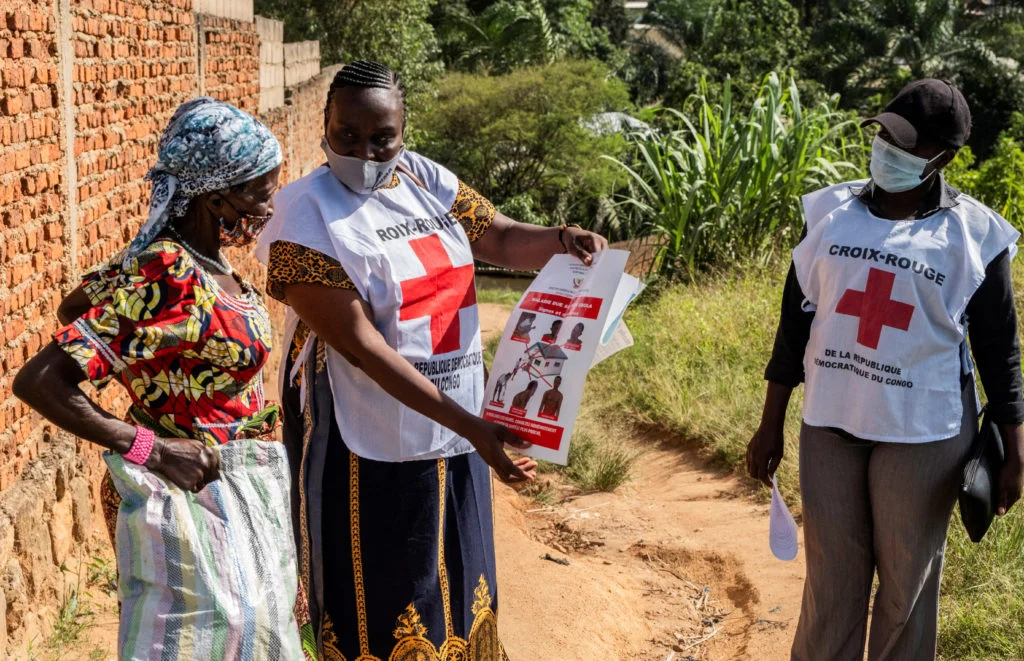
- Contact Tracing and Isolation: The core of the response remains the identification of every person who has come into contact with a patient. These individuals must be monitored for symptoms and, if necessary, quarantined to break the chain of transmission.
- Safe Burials: As learned in West Africa, modifying traditional funeral rites to prevent physical contact with the deceased is paramount. Education campaigns are working to replace these practices with dignified, safe alternatives.
- Healthcare Infrastructure: Providing doctors and nurses with adequate Personal Protective Equipment (PPE) is the single most effective way to prevent the collapse of the medical system during the outbreak.
Looking Forward: A Hopeful Outlook
Despite the gravity of the situation, experts remain cautiously optimistic. Lina Moses, an epidemiologist and disease ecologist at Tulane University, points to a track record of resilience. "It’s important to keep in mind that every single Ebola outbreak that has occurred in the DRC—we’re on our 17th now—has been stopped," she notes.
The challenge, however, is that as the virus continues to evolve or appear in rare forms, the international community must address the systemic gap in research for "neglected" pathogens. While the world focused on the Zaire strain, the Bundibugyo virus lingered in the shadows of the Congo River basin.
The current crisis serves as a sobering reminder that our global health security is only as strong as our ability to respond to the rarest of threats. For the people of the Congo, the focus remains on the present: tracing contacts, hydrating the sick, and relying on the bedrock of public health education to turn the tide. As the international community mobilizes to test new therapeutics, the primary victory will not be found in a lab, but in the painstaking, human-to-human effort to contain the virus at the source.