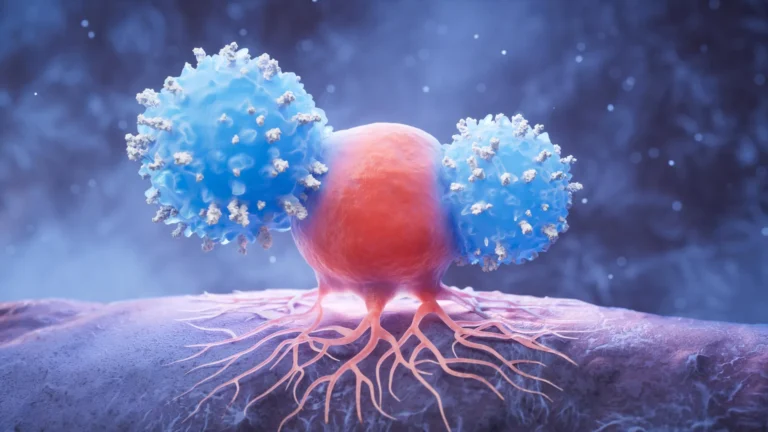
In a landmark preclinical study that could redefine the clinical paradigm for oncology, researchers at Weill Cornell Medicine and the Cornell Duffield College of Engineering have unveiled a novel therapeutic approach utilizing ultrasmall silica nanoparticles. These engineered particles, capable of both directly destroying prostate tumor cells and recalibrating the body’s immune system to attack cancer, have achieved remarkable rates of complete remission in aggressive mouse models. The findings, published June 15 in the journal Cancer Research, offer a promising roadmap for future human clinical trials in the fight against one of the most common malignancies in men.
The Core Innovation: What Are Cornell Prime Dots?
At the heart of this medical advancement are "C’ dots"—ultrasmall fluorescent core-shell silica nanoparticles. Unlike complex synthetic polymers, these particles are derived from amorphous silica, a naturally occurring form of silicon dioxide found in various food sources and the fossilized remains of microscopic organisms.
Originally engineered by the laboratory of Dr. Ulrich Wiesner—the Spencer T. Olin Professor in the Department of Materials Science and Engineering at Cornell—these nanoparticles were initially conceptualized as high-precision tools for medical imaging. Their ultrasmall size allows them to circulate effectively through the bloodstream, penetrate deep into tumor tissues, and be cleared by the kidneys, minimizing long-term accumulation in the body. Because of their unique physical properties, these particles have already begun navigating late-stage clinical trials for image-guided surgery and other diagnostic applications.
However, the recent discovery by Dr. Wiesner and his collaborator, Dr. Michelle Bradbury, suggests that these inert-appearing dots possess an inherent biological potency that transcends mere imaging. When functionalized to target prostate-specific membrane antigen (PSMA)—a protein highly expressed on the surface of prostate cancer cells—the C’ dots act as "Trojan horses," selectively damaging malignant cells while leaving healthy, surrounding tissue untouched.
Chronology of a Scientific Discovery
The path to this discovery was neither linear nor singular; it was the product of a long-standing interdisciplinary collaboration between the fields of radiology, materials science, and oncology.
- Initial Development: The C’ dots were first characterized for their diagnostic potential, specifically their ability to light up tumor margins for surgeons.
- The Serendipitous Finding: During routine testing, researchers noted that the nanoparticles appeared to have an unexpected impact on tumor cell viability. This sparked a multi-year investigation into the biological mechanisms governing these interactions.
- Mechanistic Mapping: The team began testing the dots in mouse models of aggressive prostate cancer. They observed a dual effect: the particles induced cell death and simultaneously altered the tumor microenvironment.
- Synergy Trials: Recognizing that the particles altered the immune landscape, the team hypothesized that combining the dots with standard immunotherapy would yield superior results.
- June 2024 Publication: The findings were formally published in Cancer Research, detailing the success of the particles in achieving complete remission in half of the treated subjects in combination trials.
Supporting Data: The Mechanism of "Ferroptosis" and Immune Remodeling
The efficacy of the C’ dots appears to stem from a sophisticated, multi-pronged attack strategy. One of the most intriguing mechanisms identified is ferroptosis. Unlike apoptosis (programmed cell death), ferroptosis is a specialized, iron-dependent process characterized by intense lipid peroxidation.
Triggering Cellular Collapse
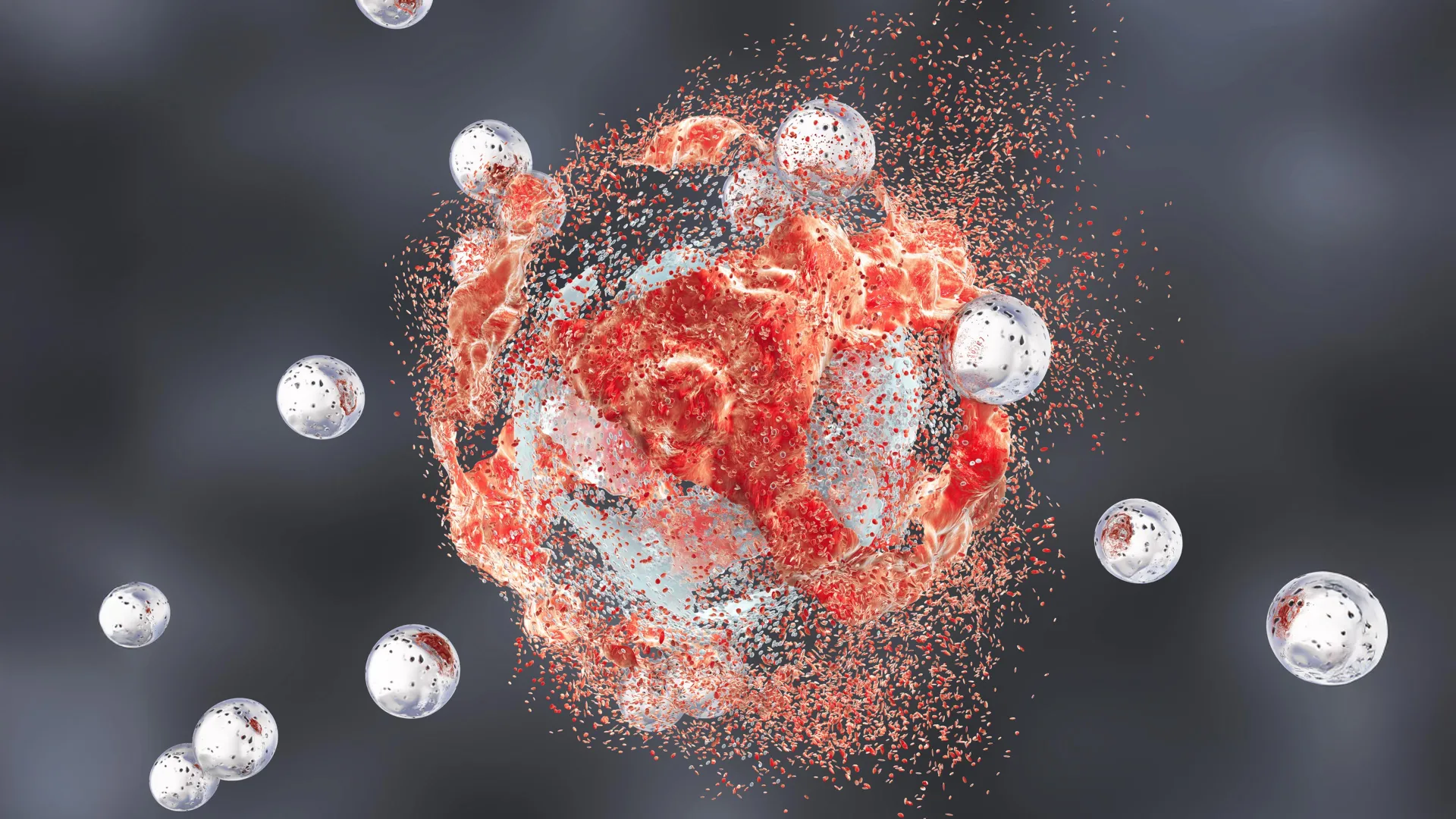
Researchers found that the silica nanoparticles act as conduits, collecting positively charged iron ions from the bloodstream and ferrying them directly into the tumor cells. Once inside, these iron ions catalyze a cascade of oxidation that destroys the fatty molecules within cell membranes, essentially causing the tumor cell to break down from the inside out.
"Heating Up" the Immune System
Perhaps even more significant than the direct killing of cancer cells is the ability of these particles to "reawaken" the immune system. Prostate tumors are often "cold," meaning they possess an immunosuppressive microenvironment that hides them from the body’s natural defense mechanisms.
The study data revealed that C’ dots shift this environment into a "hot" state. T cells, macrophages, and other immune components—previously rendered inactive or suppressed by the tumor—were observed shifting into active, cancer-fighting phenotypes. By disrupting the metabolic processes that support tumor growth and modifying the immune landscape, the nanoparticles render the cancer significantly more vulnerable to conventional immunotherapy drugs.
Survival Statistics
The efficacy of this approach was most clearly demonstrated in survival studies. Mice treated with C’ dots alone saw a modest improvement in survival, as did those treated with immunotherapy alone. However, the combination of C’ dots and immune checkpoint blockade resulted in complete or near-complete remission in 40% of the subjects. By adding a third therapeutic layer—a CSF-1R blockade aimed at modulating tumor-associated macrophages—the researchers pushed the remission rate to 50%, with several mice showing indefinite survival.
Official Responses and Expert Perspective
The research team, led by Dr. Michelle Bradbury, the Endowed Professor of Imaging Research in Radiology and director of the Molecular Imaging Innovations Institute at Weill Cornell Medicine, views these results as a potential paradigm shift.
"We’re very encouraged by these results; a treatment that directly induces tumor-cell death while transforming the immune microenvironment, as this does, would represent a new clinical paradigm," Dr. Bradbury stated.
Dr. Ulrich Wiesner, reflecting on the surprising potency of the silica, noted the harmony between the synthetic dots and biological systems. "It seems unreal—how is it possible that rather than a single pathway we see all these effects happening simultaneously and only in tumors and not in healthy tissues?" he asked. "I have to wonder whether ultrasmall silica’s very early and ubiquitous presence in the environment and foods like leafy greens or cereal grains has given it a connection to biology that we’re only beginning to glimpse."
Dr. Jedd Wolchok, a co-author and director of the Parker Institute for Cancer Immunotherapy at Weill Cornell, emphasized the importance of these findings for prostate cancer, a disease where durable immunotherapy responses have historically been elusive. "One of the most intriguing aspects of this work is the convergence of direct tumor cell killing with broad immune remodeling," Dr. Wolchok said. "By creating conditions that support a more effective antitumor immune response, these particles may help unlock the full potential of immunotherapy."
Implications for Future Cancer Therapy
The implications of this research extend far beyond prostate cancer. The researchers believe the C’ dots represent a new class of "theranostic" agents—tools that perform both therapy and diagnosis—that can simultaneously influence inflammatory, immune, and metabolic pathways.
The Path to Human Trials
The next major milestone for the team is the transition to human clinical trials. While preclinical results in mouse models are highly encouraging, the team must now evaluate the safety, pharmacokinetics, and dosage requirements for human patients. Given the particles’ favorable safety profile in previous imaging trials, the researchers are optimistic that they can demonstrate similar success in an oncological context.
A Holistic Approach to Oncology
This study underscores the necessity of interdisciplinary research. By combining materials science (the engineering of the nanoparticles) with advanced oncology and immunology, the Cornell team has managed to sidestep the resistance mechanisms that often cause conventional cancer treatments to fail.
The success of the combination therapy—using the dots as a "primer" to make the cancer susceptible to immunotherapy—suggests that the future of cancer treatment may lie not in a "magic bullet," but in systems-level interventions that re-educate the body’s own biological defenses. As the team moves toward human testing, the global medical community will be watching closely, hoping that this small silica particle might provide the "big" breakthrough that prostate cancer patients have long awaited.
The research was made possible through funding from the Department of Defense (PC220534), the National Cancer Institute, and the Parker Institute for Cancer Immunotherapy.