In a landmark development for patients suffering from thyroid eye disease (TED), the U.S. Food and Drug Administration (FDA) has officially granted approval to Waltham, Massachusetts-based Viridian Therapeutics for its flagship drug, Lumvoa (veligrotug-vvze). This milestone marks the first commercial product for the biotech firm and introduces a formidable competitor to the existing standard of care, Amgen’s Tepezza. As the second therapy ever approved for this debilitating inflammatory condition, Lumvoa is poised to disrupt a multi-billion-dollar market by offering significant improvements in dosing efficiency and treatment duration.
The Nature of Thyroid Eye Disease
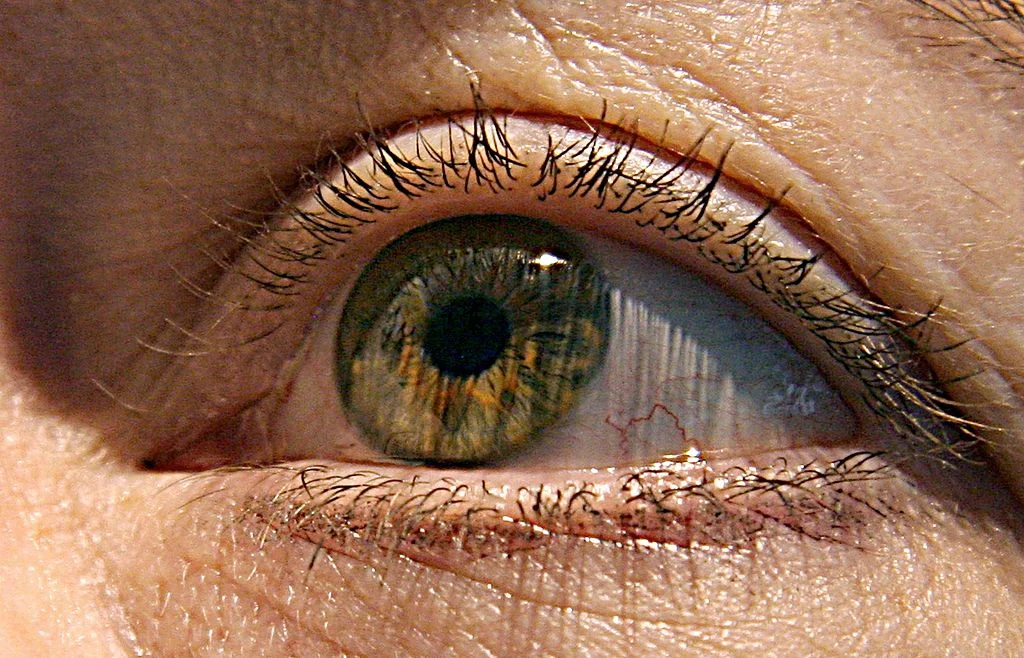
Thyroid eye disease is a complex, progressive autoimmune disorder typically associated with Graves’ disease. The condition triggers an aggressive inflammatory response in the orbital tissues—the area surrounding and behind the eyes. As the disease advances, patients experience severe eye pain, extreme redness, persistent irritation, and significant vision impairment.
The hallmark of TED is proptosis, a condition where the eyeballs bulge forward due to the inflammation of orbital muscles and fat. The disease progresses through two distinct phases:
- The Active Phase: Characterized by acute inflammation that can span months to years, causing rapid physical changes to the eyes.
- The Chronic Phase: A stable, yet persistent period where symptoms, including permanent vision changes and physical disfigurement, remain despite the reduction in active inflammation.
Biologically, TED is driven by the overexpression of the insulin-like growth factor-1 (IGF-1) receptor. This growth hormone acts as a catalyst for the inflammatory cascade that damages orbital tissues. Lumvoa functions as a monoclonal antibody specifically designed to bind to and block the signaling of this IGF-1 receptor, effectively halting the mechanism that drives the disease.
Chronology: From Clinical Development to Market Entry
The journey to FDA approval for Lumvoa was rooted in rigorous clinical testing and strategic development. Viridian’s regulatory submission was anchored by two pivotal, placebo-controlled Phase 3 clinical trials—one targeting patients in the active phase and the other focusing on those in the chronic phase.
- Clinical Success: Data from these trials were highly compelling, demonstrating statistically significant and clinically meaningful improvements in TED symptoms by the 15-week mark. Notably, clinicians observed a reduction in proptosis as early as three weeks after the initial infusion.
- Approval Announcement: Following the close of markets on Friday, Viridian confirmed the FDA’s green light. The company has signaled an immediate commercial launch, transitioning from a clinical-stage entity to a commercial biotech firm overnight.
- Future Pipeline: Looking ahead, Viridian is already preparing for the next iteration of its treatment, known as elegrobart. Last month, the company released positive topline data from its Phase 3 "REVEAL2" trial, which tested a subcutaneously injectable version of the drug. Viridian expects to file a Biologics License Application (BLA) for this version in the first quarter of 2027, with the long-term goal of offering a convenient, at-home autoinjection device for patients.
Supporting Data: Efficiency and Safety Profile
The primary value proposition for Lumvoa lies in its "best-in-class" potential. When compared to the existing incumbent, Amgen’s Tepezza, the clinical data suggests that Viridian has successfully reduced the treatment burden for patients.
Comparative Dosing Regimens
The most significant competitive advantage of Lumvoa is its shortened infusion schedule:
- Lumvoa: Administered via intravenous infusion over a period of 30 to 45 minutes. The full course consists of five infusions, spaced three weeks apart.
- Tepezza: Administered via intravenous infusion over a period of 60 to 90 minutes. The full course requires eight infusions, also spaced three weeks apart.
By reducing the total number of infusions from eight to five and cutting the duration of each session by half, Viridian is targeting both patient convenience and lower clinical administration costs—a significant draw for hospital systems and infusion centers.
Safety and Adverse Events
Both drugs target the IGF-1 receptor, and consequently, they share a similar safety profile. Clinical trials for Lumvoa identified common adverse reactions, including muscle spasms and headaches. Most notably, both Lumvoa and Tepezza carry a risk of hearing impairment.
In the Lumvoa clinical trials, 17% of participants reported hearing issues, compared to 6% in the placebo group. Because of this, the FDA-approved label for Lumvoa explicitly mandates that clinicians perform rigorous audiological assessments before, during, and after the treatment cycle to monitor for potential—and potentially permanent—hearing loss.
Industry Implications and Market Dynamics
The entry of Lumvoa into the market threatens a lucrative revenue stream for Amgen. Since acquiring Horizon Therapeutics for $28 billion in 2023, Amgen has relied on Tepezza as a cornerstone of its portfolio. In 2025 alone, Tepezza generated $1.9 billion in revenue, reflecting a 3% year-over-year growth.
The Analyst Perspective
Thomas Smith, an analyst at Leerink Partners, suggests that Viridian is exceptionally well-positioned to capture market share. In a note to investors, Smith highlighted the "rapid onset of effect, durability, and a lower dosing burden" as the key differentiators that will likely lead to physician adoption.
"Overall, we believe Viridian is well positioned to compete in the multi-billion-dollar TED market," Smith noted. "Veli has a best-in-class profile that appears differentiated from Tepezza on efficacy, safety, and convenience."
Pricing Expectations
While official pricing has not been released, industry observers expect Viridian to price Lumvoa competitively with Tepezza. Tepezza currently holds a list price exceeding $18,000 per vial. A comparable pricing strategy would allow Viridian to enter the market at parity while utilizing its clinical advantages—fewer infusions and shorter chair time—as the primary levers for gaining hospital formulary access and physician preference.
Official Responses and Strategic Outlook
Viridian has scheduled an investor conference call for 8 a.m. Monday to detail its commercialization strategy. This call is expected to clarify the rollout, including geographic distribution and support programs for patients to navigate insurance and access.
The market is also watching for how Amgen responds. The pharmaceutical giant is not standing still; it is currently evaluating a next-generation, subcutaneously injectable antibody in a Phase 1/2 trial. This candidate is designed to offer enhanced binding affinity and a longer half-life, which could potentially neutralize the convenience advantage Viridian currently enjoys.
However, for the immediate future, the approval of Lumvoa represents a victory for patients who have historically had few options beyond off-label corticosteroid use or the intensive, multi-month commitment required by Tepezza. As Viridian shifts its focus to the commercial launch and the development of its subcutaneous elegrobart, the company has effectively signaled that the era of a single-player market in thyroid eye disease has come to an end.
The success of Viridian will ultimately be determined by its ability to scale manufacturing and navigate the complex landscape of health insurance coverage. Should the company successfully roll out Lumvoa while maintaining its projected timeline for the autoinjectable elegrobart, Viridian may well establish itself as the new standard-bearer in the treatment of TED.