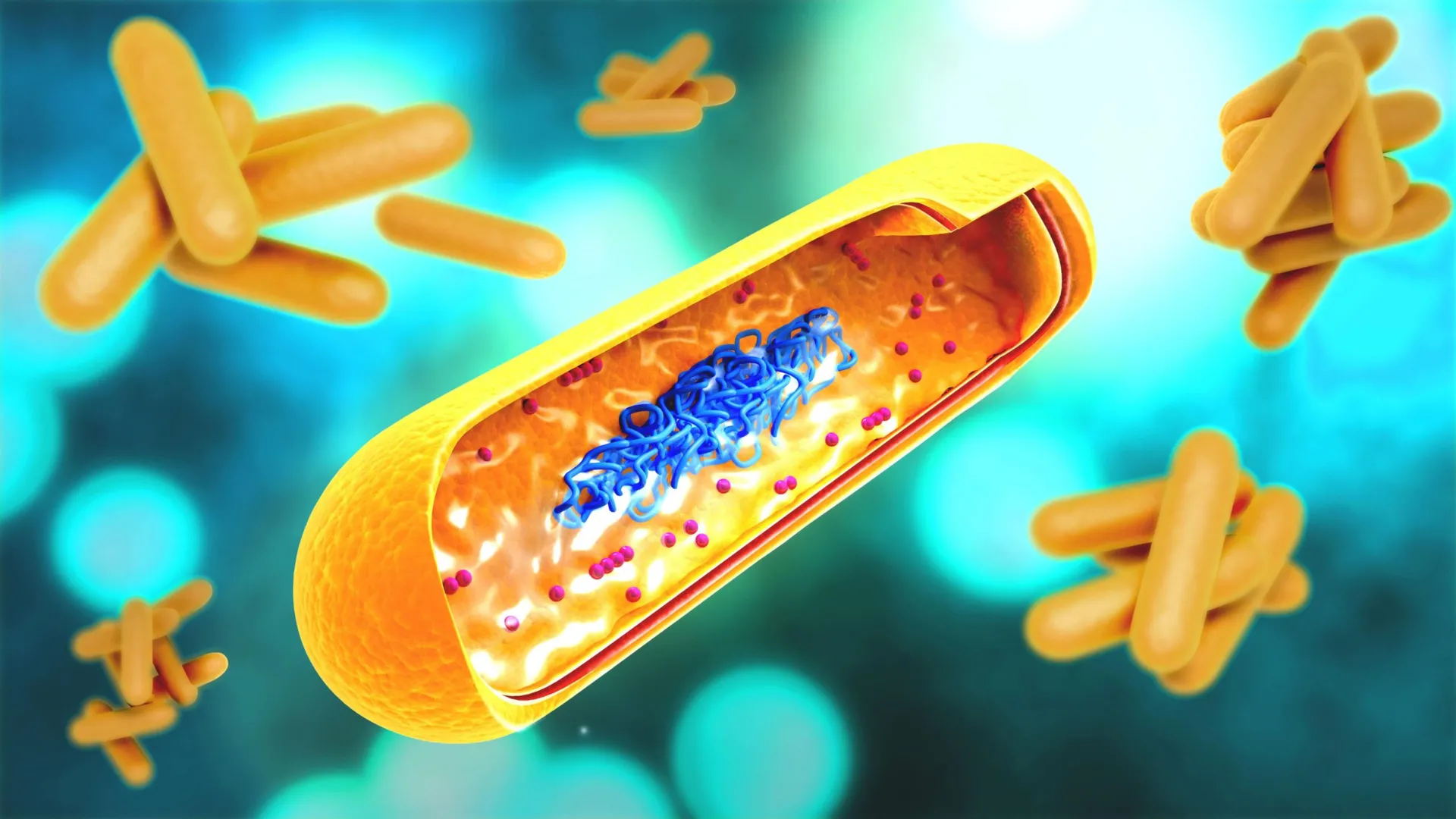
For over 6,000 years, Mycobacterium tuberculosis has haunted humanity, evolving alongside us to become one of the most resilient and lethal pathogens in history. Despite global health initiatives and the widespread use of antibiotics, tuberculosis (TB) remains a formidable adversary. Today, however, a team of researchers from Johns Hopkins Medicine and the Johns Hopkins Bloomberg School of Public Health has unveiled a breakthrough that could fundamentally shift the paradigm of TB treatment: an experimental, intranasally delivered DNA vaccine designed to hunt down the "persisters" that allow the disease to survive and return.
The findings, published in the Journal of Clinical Investigation, detail a dual-action therapeutic approach that not only enhances the efficacy of existing drug regimens but also arms the immune system to tackle the most stubborn, drug-tolerant forms of the infection.
The Persistent Shadow: Why TB Remains a Global Crisis
To understand the magnitude of this breakthrough, one must first recognize the scale of the crisis. According to the World Health Organization (WHO), TB remains the world’s leading cause of death from a single infectious pathogen. Approximately two billion people—one-quarter of the global population—carry a latent TB infection. While these individuals may currently be asymptomatic, they serve as a massive reservoir for potential active disease.
In 2024 alone, more than 10 million people developed active TB, resulting in 1.2 million deaths. The primary challenge in controlling the disease is the nature of the M. tuberculosis bacteria itself. Standard treatment involves a grueling, months-long regimen of antibiotics. Many patients struggle to complete these long courses, and the bacteria have evolved to include multidrug-resistant (MDR) strains that are increasingly difficult to eradicate.
The most frustrating hurdle for clinicians is the phenomenon of "persisters"—a sub-population of TB bacteria that enter a dormant, drug-tolerant state. These bacteria survive the initial assault of antibiotics, hiding in the host’s tissues, only to reactivate months or years later. This is the primary driver of relapse and a major obstacle in global efforts to eliminate the disease.
Chronology of a Scientific Breakthrough
The development of the Mip3α/relMtb vaccine was not an overnight success but the result of a deliberate, multi-year investigation into the intersection of immunology and microbiology.
Phase 1: Conceptualization and Genetic Fusion
The research team, led by Dr. Styliani Karanika, began by identifying the specific biological mechanisms that allow TB to survive harsh environments. They focused on the relMtb gene, which is essential for the bacteria to enter their dormant, drug-tolerant state. By fusing this gene with the Mip3α gene—a signaling molecule that recruits immune cells—the researchers created a "homing beacon" for the body’s defenses.
Phase 2: Murine Efficacy Studies
The team first tested the vaccine in mouse models. The results were striking: when administered intranasally in conjunction with first-line TB drug therapy, the vaccine helped the immune system clear the infection faster than drug therapy alone. Furthermore, it significantly reduced lung inflammation and, critically, prevented the relapse of the disease once treatment concluded.
Phase 3: Nonhuman Primate Validation
Recognizing the limitations of mouse models, the team moved to rhesus macaques. The goal was to determine if the vaccine could generate measurable, durable TB-specific immune responses in a system more biologically similar to humans. The intranasal delivery proved successful, inducing strong immune responses in both the bloodstream and the respiratory airways that lasted for at least six months. This provided the essential "translational bridge" required to consider future human clinical trials.
Supporting Data: Mechanisms of Action
The brilliance of the Johns Hopkins approach lies in its site-specific delivery and its recruitment of the body’s most effective immune sentinels: dendritic cells.
Targeting the Respiratory Mucosa
Traditional vaccines often focus on systemic immune responses, but TB is an airborne disease that primarily infects the lungs. By delivering the DNA vaccine through the nose, the researchers targeted the respiratory mucosa directly. This encourages the formation of "resident" T cells that remain in the lungs and airways, creating a localized, vigilant defense force that is ready to engage the bacteria the moment it attempts to establish or re-establish an infection.
The Power of Dendritic Cells
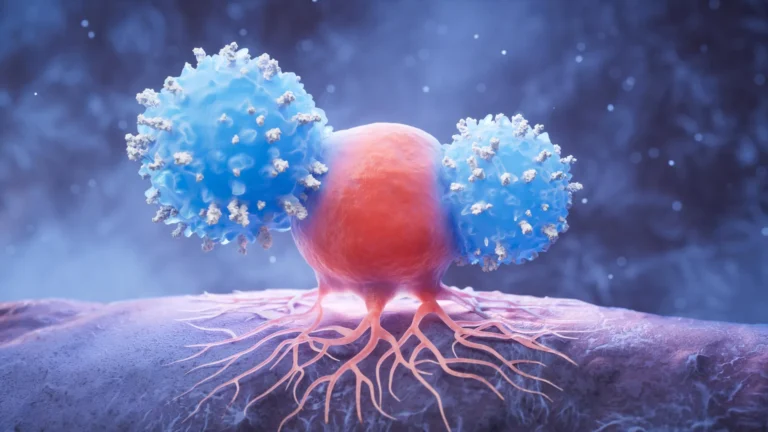
The vaccine’s design is a masterclass in immune manipulation. The fusion of the relMtb protein with Mip3α creates a chemical signal that actively recruits immature dendritic cells. These cells act as the "intelligence officers" of the immune system. They capture TB proteins and "present" them to T cells—the "soldiers" of the immune system—coordinating a highly specific and lethal strike against the bacteria.
In the mouse studies, the team observed:
- Increased Recruitment: A higher volume of dendritic cells congregating at the site of infection.
- Improved Organization: Better spatial coordination between dendritic cells and T cells within lung tissue, creating "hot zones" of immune activity.
- Durable Responses: The generation of both CD4 (helper) and CD8 (killer) T cells that remained active and responsive over time.
Official Responses and Expert Commentary
Dr. Styliani Karanika, lead author and assistant professor at the Johns Hopkins University School of Medicine, emphasizes that this vaccine is not intended to replace antibiotics, but rather to act as a force multiplier.
"Administered together with first-line TB drug therapy, our intranasal DNA fusion vaccine helped infected mice clear the disease bacteria faster," Dr. Karanika stated. "The vaccine also helped the powerful TB drug combination of bedaquiline, pretomanid and linezolid work better, suggesting it could be used with treatments against drug-resistant TB to help the body fight the disease, even hard-to-treat cases."
The implications for clinical practice are profound. By shortening the duration of treatment, this vaccine could improve patient compliance—a major factor in the rise of drug-resistant TB. Furthermore, the stability of DNA vaccines makes them a highly practical candidate for distribution, even in resource-limited settings where the TB burden is highest.
While the results are promising, the research team remains cautious. "These nonhuman primate data are encouraging," Karanika noted, "but they show that the vaccine can generate durable, antigen-stimulated immune responses in an animal model whose immune system more closely resembles that of humans. We still need to conduct further preclinical work before we can advance to human clinical trials."
Implications for Global Health
The development of this therapeutic vaccine represents a significant pivot in the fight against tuberculosis. For decades, the strategy has been almost exclusively focused on pharmacological "search and destroy" missions. By adding an immunotherapeutic component, scientists are essentially upgrading the host’s ability to "see" and "eliminate" the bacteria that have evolved to remain invisible to standard antibiotics.
Addressing the Relapse Problem
The ability to prevent relapse is perhaps the most significant potential outcome of this study. If a therapeutic vaccine can eliminate the "persister" pool, it would not only prevent individual disease recurrence but could also curb the transmission of TB in communities, as patients would be cured more definitively and in less time.
A New Class of Therapeutics
If this approach succeeds in human trials, it could pave the way for a new class of "adjuvant vaccines." These would not necessarily be preventative vaccines (given to healthy people) but therapeutic vaccines (given to those already infected) to augment the efficacy of standard drugs. This could prove essential in treating MDR-TB, where the current standard of care is often toxic and ineffective.
Looking Ahead: The Path to Clinical Trials
The research team, which includes a vast array of experts from the Johns Hopkins Center for Tuberculosis Research, has established a solid foundation for the next steps. With federal funding from the National Institutes of Health and support from several specialized research foundations, the project is well-positioned for the rigorous preclinical testing required by regulatory agencies.
As the team prepares for the next phase of research, the global health community will be watching closely. The Mip3α/relMtb vaccine offers a rare combination of scientific innovation and practical utility. By leveraging the body’s own immune architecture to target the most elusive remnants of the TB bacteria, Johns Hopkins researchers have provided a glimmer of hope that the 6,000-year reign of this deadly pathogen might finally be coming to an end.
Funding and Disclosure:
The research was supported by the National Institutes of Health (grants R01AI148710, K24AI143447, P30AI18436, K08AI174959, and P30CA006973), with additional support from the Gilead HIV Research Scholar Award, the Johns Hopkins University Tuberculosis Research Advancement Center, and other institutional grants. Dr. Karanika and her colleagues have filed a patent (PCT/US2023/065584) related to the Mip3α/relMtb vaccine technology.