The landscape of oncology is undergoing a seismic shift. In a week marked by two monumental developments, researchers have unveiled a potent new weapon against one of the deadliest forms of cancer and provided a glimpse into the future of preventative, personalized medicine. With the FDA’s approval of a novel treatment for advanced pancreatic cancer and promising clinical trial data surrounding an mRNA-based vaccine for melanoma, the medical community is moving toward a new era where previously "undruggable" targets and the body’s own immune system become the primary defense against malignancy.
The Main Facts: A Dual Breakthrough in Oncology
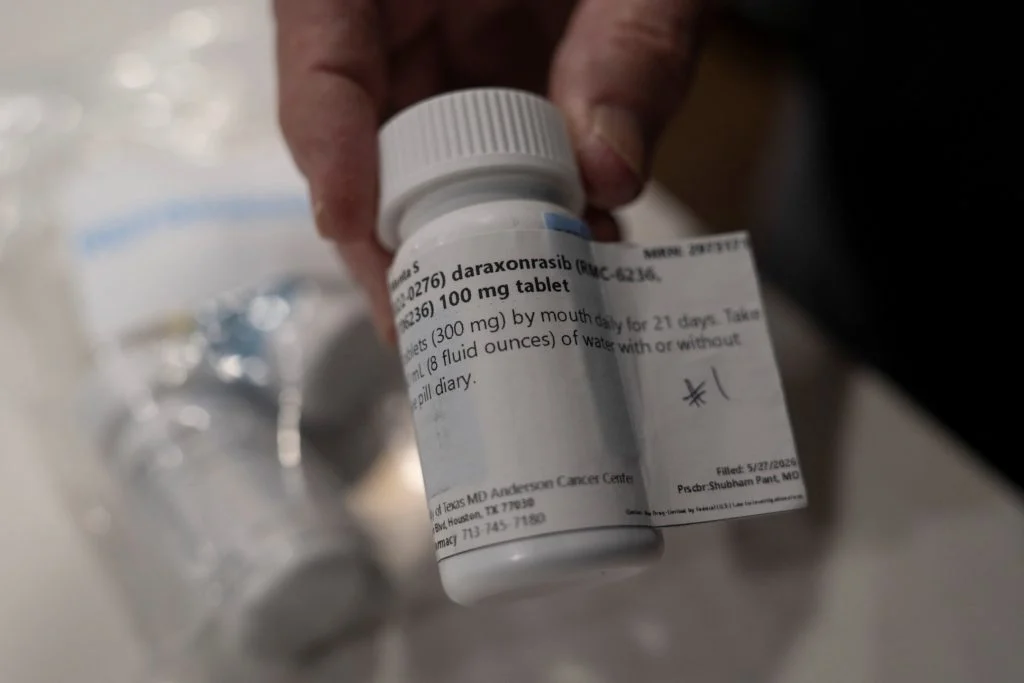
This week, the medical community celebrated two distinct, high-impact advancements. First, the U.S. Food and Drug Administration (FDA) granted approval for daraxonrasib, a breakthrough pill designed specifically to treat advanced pancreatic cancer. Pancreatic cancer has historically been categorized as one of the most difficult diagnoses to manage, characterized by a dismal five-year survival rate of just 13 percent. Daraxonrasib offers a glimmer of hope: clinical data suggests it can nearly double survival time for patients, all while maintaining a more favorable side-effect profile than traditional chemotherapy regimens.
Simultaneously, researchers announced positive, albeit preliminary, clinical trial results for a personalized mRNA vaccine targeting melanoma. While not yet FDA-approved, the vaccine represents a shift in how clinicians approach patients in remission. By training the immune system to recognize and attack residual tumor cells, the vaccine aims to prevent the high rates of relapse often seen in skin cancer patients.
The Chronology of Discovery
The "Undruggable" Target
For decades, the RAS oncogene—a mutated engine that drives cellular growth—has been the "holy grail" of cancer research. Scientists have long understood that this gene mutation is the catalyst for pancreatic cancer and numerous other tumor types, but conventional chemistry failed to inhibit it effectively. Because the protein is smooth and lacks the deep "pockets" that most drugs require to bind, it was long considered "undruggable."
The breakthrough arrived through a new category of chemistry known as "molecular glue." This technology acts like a biological adhesive, gumming up the mutated engine room of the cancer cell. As the cell attempts to replicate, the "glue" forces the machinery to a halt, effectively starving the cancer of the signals it needs to proliferate.
The Rise of mRNA Vaccines
The second major development involves the application of mRNA technology—the same platform used for the COVID-19 vaccines—to the field of cancer immunotherapy. For years, the dream of immunology has been to create a vaccine that specifically identifies a patient’s unique tumor profile. Following successful clinical trials, the developers of this melanoma vaccine have demonstrated that an immune response can be harnessed to seek out and eliminate tumor-specific mutations that remain in the body after initial treatment.
Supporting Data: By the Numbers
To understand the magnitude of these developments, one must look at the current statistical reality of oncology.
- Pancreatic Cancer Survival: With a baseline five-year survival rate of 13 percent, the introduction of a drug that effectively doubles survival time is a paradigm shift. For patients with advanced stages, this represents a significant extension of quality of life and longevity.
- Melanoma Relapse: The efficacy of the new mRNA vaccine is being measured by its ability to prevent recurrence in patients who are currently in remission. By targeting specific mutations found in the patient’s own tumor, the vaccine acts as a secondary "insurance policy" for the immune system.
- Global Impact: The transition from general chemotherapy to precision medicine—using molecular glues and personalized mRNA—moves oncology away from the "carpet bombing" approach of the past, where healthy cells were often collateral damage, toward surgical, molecular precision.
Official Responses and Expert Analysis
Dr. Robert Vonderheide, director of the Abramson Cancer Center at Penn Medicine and president-elect of the American Association for Cancer Research (AACR), views these developments as the dawn of a new age.
"I think we have only seen the beginning," Dr. Vonderheide stated in a recent interview. "The FDA approval for daraxonrasib is just the first step. The opportunity now exists to bring this drug forward to patients in earlier stages of diagnosis. I believe we will see this medicine have a massive impact on those grim statistics we’ve lived with for so long."
Regarding the mRNA vaccine, Dr. Vonderheide noted that while the scientific community is waiting for the full, detailed data report from the manufacturers, the preliminary indicators are robust. "We are looking for two things," he explained. "First, the magnitude of the effect: exactly how much has survival been increased? And second, does it work as designed by generating a powerful T-cell immune response? If the data holds, we are looking at the first of a wave of cancer vaccines."
Implications: A New Standard of Care
The successful deployment of these technologies suggests a future where cancer management is vastly different from the current standard of care.
The Future of Prevention
The most profound implication of these advancements is the potential for cancer prevention. Dr. Vonderheide suggests that as we become more adept at harnessing the immune system, we may reach a point where we can vaccinate high-risk individuals against specific cancer-causing mutations before a tumor ever forms. This is the ultimate goal of oncology: moving from reactive treatment to proactive prevention.
Debunking mRNA Myths
In the wake of the recent political discourse surrounding mRNA technology, there has been public concern regarding the safety and validity of this platform. Dr. Vonderheide is clear on the science: "mRNA vaccines were developed and tested with unprecedented rigor during the COVID pandemic, with hundreds of millions of doses administered worldwide. The safety data is exhaustive. We are looking at a technology that is highly effective against viruses, and now, it is proving to be a revolutionary tool against cancer. We should be eager to take advantage of what this technology can do to improve the health of our patients."
The "Molecular Glue" Revolution
The success of daraxonrasib proves that "undruggable" is a temporary label. The development of molecular glues provides a template for future drug discovery. By targeting the protein-to-protein interactions rather than just the active sites of enzymes, pharmaceutical researchers now have a blueprint to attack mutations that were previously thought to be impervious to treatment.
Conclusion: A Turning Point
The convergence of molecular chemistry and mRNA immunotherapy represents a watershed moment for modern medicine. While pancreatic cancer and melanoma continue to pose significant threats to global health, the tools available to clinicians are becoming sharper, faster, and more personalized.
The road ahead remains long. Clinical trials must continue to scale, and equitable access to these high-cost, high-tech therapies must be addressed. However, for the millions of families impacted by these diseases, the news of this past week offers more than just clinical data—it offers tangible, evidence-based hope. As we move forward, the focus will shift from simply managing terminal disease to, in many cases, providing long-term remission and even prevention.
The integration of these therapies into the standard clinical toolkit will likely take years of further research, but the path is now illuminated. The "molecular glue" has held, the vaccines are showing promise, and the science of the immune system is finally beginning to deliver on its decades-long promise. We are witnessing not just an incremental improvement in cancer care, but a fundamental redesign of how we fight the disease itself.