In a significant development for cardiovascular medicine, an international research team has unveiled findings suggesting that an experimental therapeutic agent, IC7Fc, may provide a robust defense against heart disease. Originally developed as a potential intervention for type 2 diabetes, the drug has demonstrated a unique capacity to lower cholesterol levels and mitigate systemic inflammation—two of the primary biological drivers of cardiovascular decline.
The study, published in the peer-reviewed journal Science Advances, highlights a potential breakthrough in how medical science approaches the treatment of atherosclerosis, the "clogging" of arteries that serves as the leading cause of death globally. By targeting the underlying mechanisms of plaque buildup, IC7Fc could represent a shift toward more holistic, multi-faceted metabolic therapies.
The Core Facts: A Dual-Action Breakthrough
The recent preclinical study, spearheaded by researchers at the Leiden University Medical Centre in the Netherlands and the Monash Institute of Pharmaceutical Sciences (MIPS) in Australia, centered on the therapeutic potential of the engineered protein IC7Fc.
Unlike conventional statins or antihypertensive medications that primarily focus on isolated markers of cardiovascular risk, IC7Fc appears to influence the broader metabolic environment. In the trial, mice genetically predisposed to heart disease were administered the drug. The results were striking: the compound significantly curtailed the accumulation of fatty plaques within arterial walls and reduced the levels of circulating triglycerides and cholesterol.
Crucially, the study suggests that the drug’s efficacy is not merely a byproduct of weight loss. While earlier trials indicated that IC7Fc could assist in appetite suppression and fat reduction in obese subjects, the current research demonstrated that the drug maintained its protective cardiovascular benefits in lean, high-cholesterol-prone models without inducing weight loss or altering food intake. This distinction is vital, as it implies that the cardiovascular protection provided by IC7Fc may be independent of metabolic body mass changes, potentially benefiting a broader patient population.
Chronological Development of IC7Fc
The journey of IC7Fc from a laboratory concept to a promising therapeutic candidate has been a multi-year effort involving interdisciplinary collaboration.
Phase 1: Metabolic Foundations (2018–2020)
The initial investigation into IC7Fc began with a focus on metabolic syndrome and type 2 diabetes. Researchers identified the protein as a potent regulator of cellular signaling pathways related to glucose metabolism. During these early stages, the drug was observed to improve insulin sensitivity and stabilize blood glucose levels, positioning it as a prospective treatment for patients whose bodies struggle to regulate energy intake.
Phase 2: Identifying the Obesity Link (2021)
Subsequent studies sought to understand how IC7Fc interacted with appetite-regulating hormones. It was during this period that investigators noted a secondary benefit: the drug acted as a "satiety signal," helping obese mice reduce caloric intake and shed excess body fat. This led to the classification of IC7Fc as a promising tool for weight management, sparking interest in its potential to address the comorbidities associated with obesity, such as hypertension and metabolic inflammation.
Phase 3: The Cardiovascular Shift (2022–2024)
Recognizing that metabolic health and cardiovascular integrity are inextricably linked, the research team transitioned to investigating the drug’s impact on atherosclerosis. By moving from obese models to lean, genetically prone models, the researchers isolated the drug’s direct impact on arterial health. The findings published in Science Advances represent the culmination of this phase, providing empirical evidence that the drug protects the heart even in the absence of obesity-driven risk factors.
Supporting Data: Understanding the Mechanisms
The efficacy of IC7Fc rests on its complex pharmacological design. The drug is engineered to activate receptors that govern both metabolic energy expenditure and inflammatory responses.
Plaque Mitigation and Artery Health
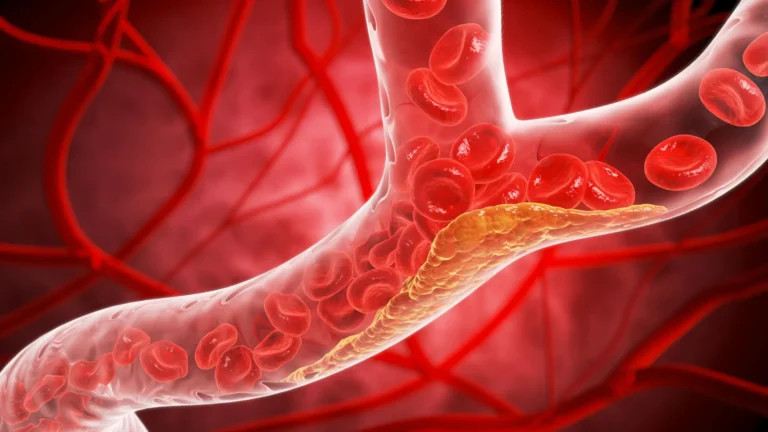
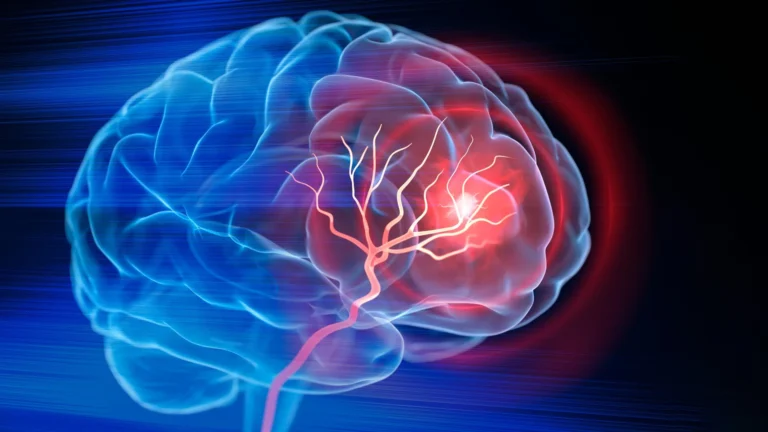
Atherosclerosis occurs when cholesterol, fatty substances, and cellular debris accumulate in the arterial lining, forming plaques that restrict blood flow. If these plaques rupture, they can cause heart attacks or strokes. The study data indicates that IC7Fc not only lowers the "bad" cholesterol circulating in the blood but also appears to stabilize existing plaques and reduce the inflammation that triggers their rupture.
The Lean vs. Obese Distinction
One of the most critical datasets in the recent study was the comparative analysis between two distinct cohorts of mice:
- The Obese Cohort: In this group, IC7Fc demonstrated a "triple threat" effect: it improved glycemic control, reduced body weight, and improved lipid profiles.
- The Lean Cohort: In this group, weight and appetite remained unchanged, yet the drug still successfully lowered cholesterol and restricted the development of arterial lesions.
This data suggests that the drug functions via a mechanism that is "weight-neutral" in lean subjects, suggesting that the cardiovascular benefits are a primary pharmacological effect rather than a secondary result of weight loss.
Official Perspectives: Expert Insights
Professor Mark Febbraio, the lead researcher from the Monash Institute of Pharmaceutical Sciences, has been the primary architect of the IC7Fc development program. His commentary on the findings underscores both the excitement of the discovery and the cautious optimism required in early-stage pharmaceutical research.
"Our earlier studies showed IC7Fc could help manage type 2 diabetes, a metabolic disease," Professor Febbraio stated. "This new research shows it can also reduce atherosclerosis, meaning it slows the ‘clogging’ of the arteries, where fatty deposits build up and restrict blood flow to the heart."
Addressing the limitations of modern medicine, Professor Febbraio noted, "Heart disease remains the world’s biggest killer, driven largely by atherosclerosis. Even with common treatments that lower blood pressure and cholesterol, many people are still at risk, showing there’s more work to do."
The collaborative nature of this project—linking European expertise in vascular health with Australian innovation in pharmaceutical science—reflects the global priority placed on solving the cardiovascular crisis. Other contributing partners have emphasized that the versatility of the drug makes it an "exciting candidate" for future human trials, as it addresses a spectrum of metabolic risks simultaneously.
Clinical Implications and Future Directions
The implications of these findings are profound. If the results can be replicated in human clinical trials, IC7Fc could fill a significant gap in the current cardiovascular toolkit.
1. A Personalized Medicine Approach
Because IC7Fc displays distinct effects based on the patient’s metabolic profile, clinicians may one day use it as a precision tool. An obese patient with type 2 diabetes might receive the drug to manage weight and blood sugar while simultaneously protecting their heart. A lean patient with high cholesterol might receive the same drug primarily to stabilize arterial plaque.
2. Addressing "Residual Risk"
Even among patients currently managed with statins, a significant percentage suffer from "residual risk"—a state where cardiovascular events occur despite ostensibly "normal" cholesterol levels. Because IC7Fc also targets inflammation, it may provide protection for these patients, addressing the inflammatory component of atherosclerosis that statins often leave unaddressed.
3. The Path to Human Trials
While the preclinical data is compelling, the path to clinical use remains rigorous. The next steps for the research team involve:
- Safety and Toxicity Profiling: Ensuring that the systemic activation of the target receptors does not produce adverse long-term effects.
- Dose-Response Studies: Determining the optimal concentration of IC7Fc for humans to maximize efficacy while minimizing off-target reactions.
- Clinical Trials: Moving from animal models to human cohorts to assess whether the mechanisms observed in mice translate to the complex physiology of human cardiovascular systems.
Conclusion
The research surrounding IC7Fc serves as a potent reminder of how far medical science has come in understanding the root causes of chronic disease. By shifting the focus from treating isolated symptoms to addressing the systemic crosstalk between metabolism and the heart, scientists are moving closer to a more integrated approach to healthcare. While the road to the pharmacy shelf is long, the potential of IC7Fc to act as a dual-action therapy offers a glimmer of hope for millions living with the constant threat of heart disease. As the global community continues to grapple with the rising prevalence of metabolic and cardiovascular disorders, innovations like IC7Fc represent the vanguard of a new, more effective era in medicine.