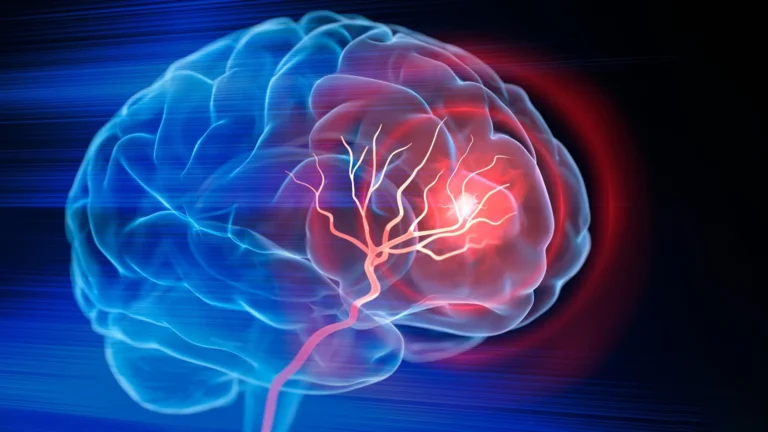
In a landmark development for cardiovascular health, a new experimental medication called enlicitide has demonstrated the ability to slash "bad" cholesterol levels by as much as 60%. The findings, published in The New England Journal of Medicine, represent a potential paradigm shift in the treatment of atherosclerotic cardiovascular disease—a leading cause of mortality worldwide. If granted approval by the U.S. Food and Drug Administration (FDA), this once-daily oral pill could provide a long-awaited, accessible alternative to current injectable therapies, offering millions of Americans a more convenient pathway to reducing their risk of heart attacks and strokes.
The Magnitude of the Discovery: Main Facts
The phase three clinical trial, which enrolled 2,909 participants, focused on individuals with established atherosclerosis or those at high risk due to underlying health conditions. Despite being on existing cholesterol-lowering regimens, primarily statins, these patients struggled to meet clinical targets.
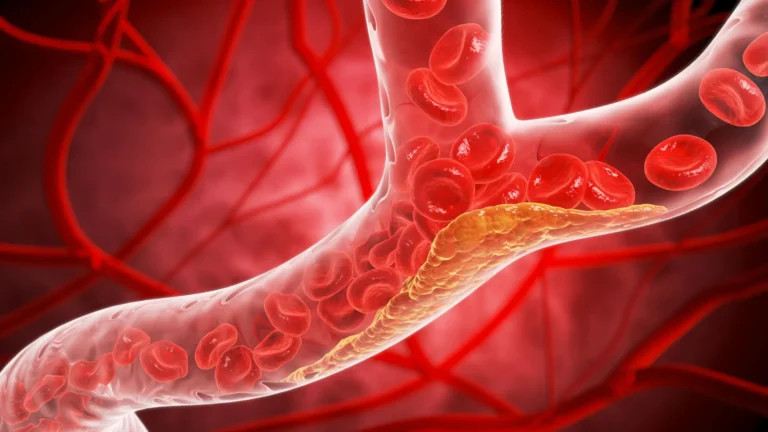
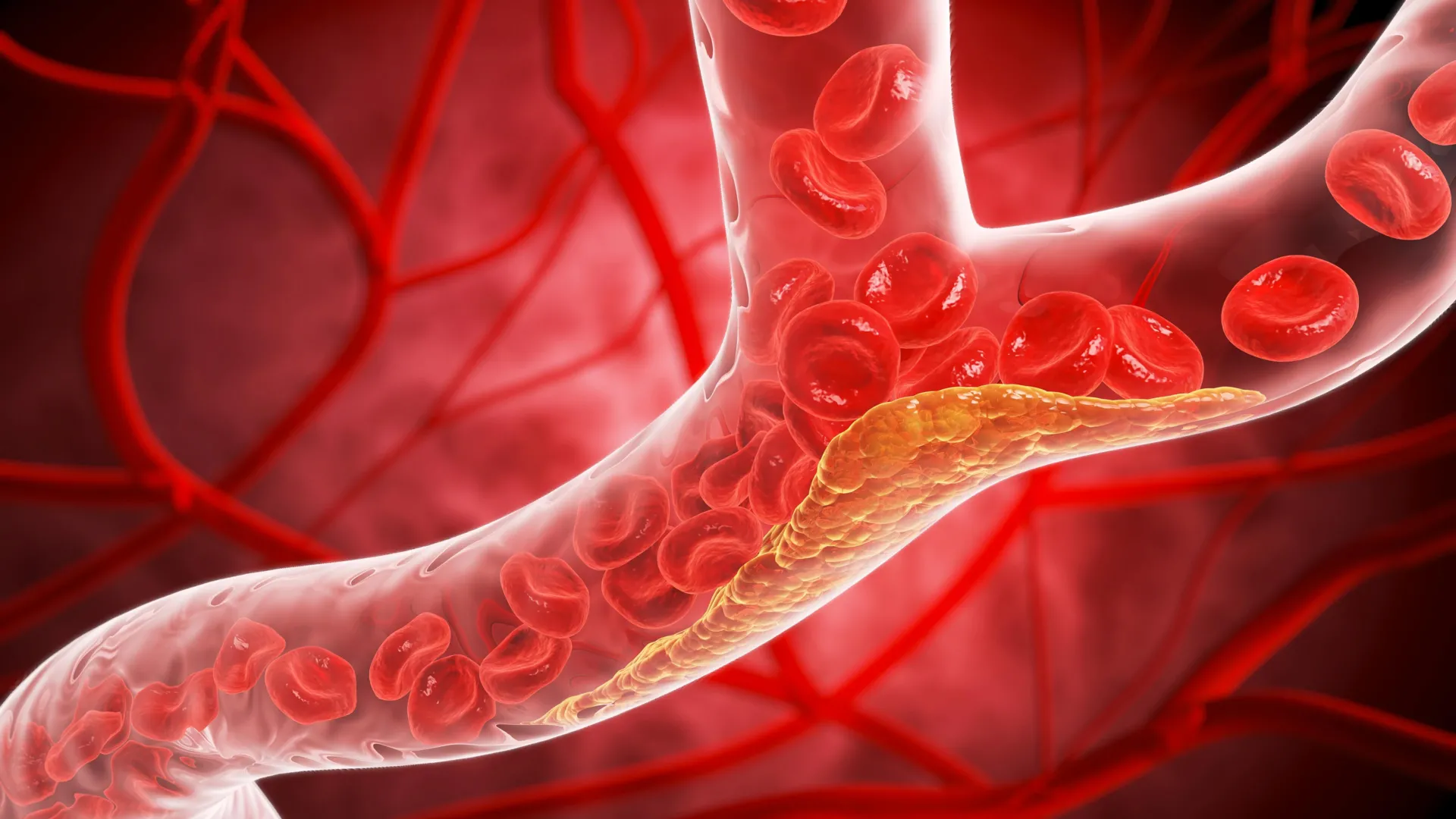
The results were striking: after 24 weeks, patients administered enlicitide saw their low-density lipoprotein (LDL) cholesterol levels drop by approximately 60% compared to those receiving a placebo. Beyond LDL, the drug also significantly lowered other critical cardiovascular markers, including non-HDL cholesterol, apolipoprotein B, and lipoprotein(a). Most importantly, these gains were sustained over a full year of follow-up, suggesting that enlicitide could provide long-term protection against the arterial plaque buildup that leads to catastrophic cardiac events.
A Legacy of Innovation: The Chronology of Cholesterol Science
The development of enlicitide is not a sudden breakthrough but rather the culmination of decades of rigorous scientific inquiry, much of which originated at UT Southwestern Medical Center.
The Nobel Prize Foundation (1985)
The story begins with the pioneering work of Drs. Michael Brown and Joseph Goldstein. Their identification of the LDL receptor on liver cells—the mechanism responsible for clearing cholesterol from the bloodstream—earned them the 1985 Nobel Prize in Physiology or Medicine. Their research provided the foundational science for the development of statins, which have been the gold standard for cholesterol management for over 30 years.
The Dallas Heart Study and the PCSK9 Breakthrough
In the early 2000s, researchers Helen Hobbs and Jonathan Cohen leveraged the Dallas Heart Study to identify genetic variations that naturally lower cholesterol. Their work revealed that individuals with specific mutations that suppress the PCSK9 protein—a protein that interferes with the liver’s ability to clear LDL—enjoyed naturally lower cholesterol levels and reduced cardiovascular risk. This genetic "shortcut" led to the development of injectable PCSK9 inhibitors, such as evolocumab and alirocumab, which also achieve 60% reductions in LDL.
The Current Milestone: The Oral Transition
While injectable therapies proved highly effective, they faced adoption hurdles. Patients often found injections cumbersome, and healthcare providers faced insurance and administrative barriers that limited their use. Enlicitide represents the third major evolutionary step: a daily oral pill that mimics the effectiveness of the injectable PCSK9 inhibitors while removing the physical and psychological burden of needles.
Why Current Treatments Fail to Reach the Target: Supporting Data
The clinical need for enlicitide is underscored by a persistent gap in patient care. Dr. Ann Marie Navar, the lead investigator of the trial and an Associate Professor of Internal Medicine at UT Southwestern, highlights that fewer than half of patients with established cardiovascular disease currently reach their LDL cholesterol goals.
The trial participants were a representative cross-section of the clinical population: most were already on statin therapy, yet their average LDL level remained at 96 mg/dl. This is significantly higher than the recommended targets of 70 mg/dl for patients with atherosclerosis, and even more concerning for those at the highest risk, who should ideally be below 55 mg/dl.
"The study population reflects what we see in clinical practice," Dr. Navar noted. "Even the highest intensity statins are often not enough to get people to their cholesterol goals." By providing a potent, oral, and once-daily alternative, enlicitide addresses the limitations of current high-intensity statin regimens and the barriers associated with injectables.
Official Perspectives and Expert Insight
The medical community has greeted the results with cautious optimism. Dr. Navar emphasized that the efficacy of enlicitide is unprecedented in the history of oral lipid-lowering therapies since the advent of statins.
"An oral therapy this effective has the potential to dramatically improve our ability to prevent heart attacks and strokes on a population level," said Dr. Navar. By targeting the PCSK9 pathway directly in the bloodstream, the pill helps the body’s natural liver receptors clear out cholesterol more efficiently.
However, transparency regarding the funding and development of the drug remains a core component of the scientific discourse. The study was sponsored by Merck & Co. Inc., and Dr. Navar has disclosed receiving consulting fees from Merck and other pharmaceutical companies involved in lipid-lowering research. This disclosure is standard in high-impact medical journals to ensure that the scientific community can evaluate the findings with full awareness of the financial landscape surrounding the drug’s development.
Implications for Public Health
The potential impact of enlicitide on public health cannot be overstated. Cardiovascular disease remains the leading cause of death in the United States and globally. The ability to lower LDL cholesterol by 60% in a simple, pill-based format could fundamentally change the strategy for secondary prevention.
Overcoming the "Injection Barrier"
Many patients are hesitant to initiate injectable treatments due to fear of needles or the perceived inconvenience of keeping biologics refrigerated. A pill that can be taken alongside a morning coffee removes these obstacles, which researchers believe will significantly improve patient adherence. Long-term compliance is the single most important factor in the success of cholesterol-lowering therapy.
Future Clinical Outcomes
While the reduction in LDL cholesterol is a proven surrogate marker for improved heart health, the medical community is now looking toward the next phase of research. A larger outcomes trial is currently underway to definitively prove that these numerical reductions in cholesterol translate into a reduction in clinical events, such as hospitalizations for myocardial infarction (heart attack) and stroke.
The Broader Scientific Landscape
The researchers involved in the study—including Drs. Brown, Goldstein, Hobbs, and Cohen—represent the upper echelon of metabolic research. Their collective work has transformed our understanding of human genetics and lipid biology. The fact that enlicitide is the latest product of this lineage of scientific inquiry provides clinicians with a high degree of confidence in the underlying mechanism of the drug.
Conclusion: A New Chapter in Cardiology
As we look toward the future, enlicitide stands as a testament to the power of decades of foundational research. By marrying the potent efficacy of PCSK9-inhibiting science with the simplicity of an oral medication, it promises to bridge the gap between clinical guidelines and real-world outcomes.
If the ongoing clinical trials confirm that this 60% reduction in LDL leads to a corresponding drop in heart attacks and strokes, the medical community may soon have a new, indispensable tool in the fight against heart disease. For the millions of Americans currently struggling to reach their cholesterol targets, the prospect of a more effective, easier-to-use treatment is not just a scientific victory—it is a potential lifeline. As the FDA review process looms on the horizon, the medical community remains focused on the final, crucial step: proving that this pill does more than just lower numbers—it saves lives.