











By Medical News Desk
August 25, 2026
In a landmark development for the millions of individuals living with diabetes, the U.S. Food and Drug Administration (FDA) has officially authorized the Libre Duo 10 Day Continuous Dual Glucose-Ketone Monitoring System. Developed by Abbott, this pioneering wearable device marks the first time that patients can simultaneously track both blood glucose and ketone levels in real time, a technological leap that promises to fundamentally shift the management of diabetes and the prevention of its most dangerous complications.
The authorization, announced Tuesday, applies to individuals ages 2 years and older, offering a proactive tool for those at higher risk of diabetic ketoacidosis (DKA)—a life-threatening condition that occurs when the body, deprived of sufficient insulin, begins to break down fat for fuel, causing an acidic buildup of ketones in the bloodstream.
The Core Innovation: Moving Beyond Point-in-Time Testing
For decades, the standard of care for monitoring ketones has been reactive. Patients experiencing high glucose levels or symptoms of illness have historically relied on single-point "snapshot" tests—either through finger-stick blood analysis or urine strips. While these tests provide an essential data point, they suffer from a critical limitation: they offer no context. They cannot indicate whether ketone levels are stable, rapidly rising, or beginning to decline.
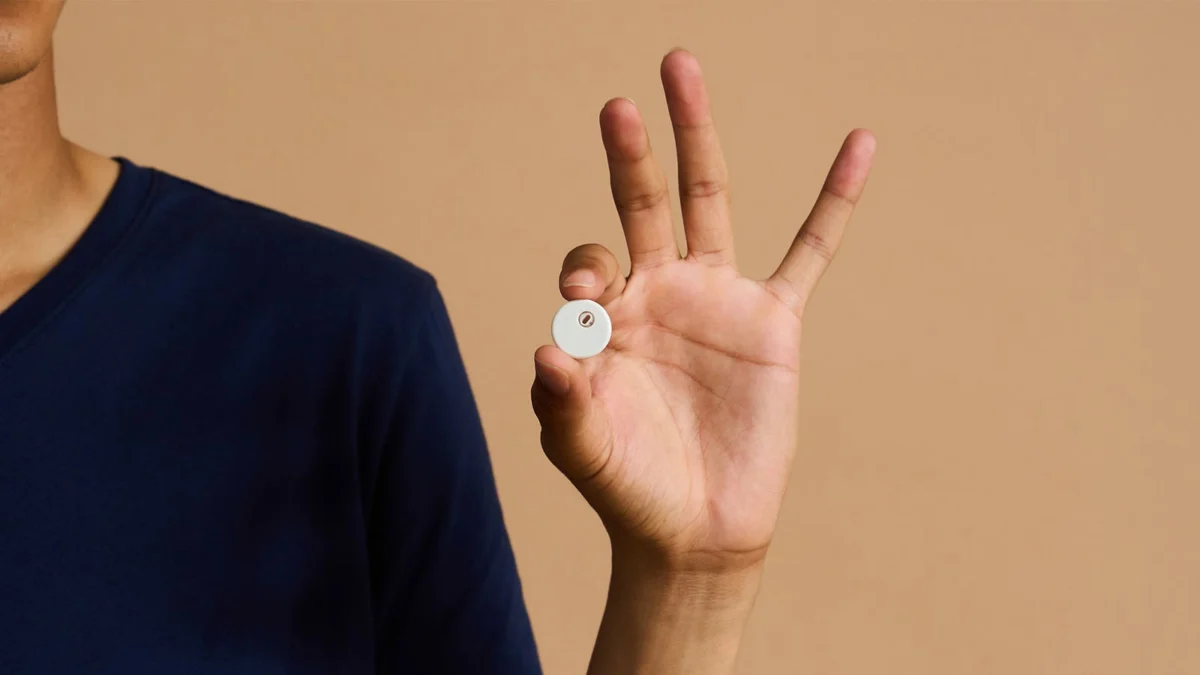
The Libre Duo 10 Day system dismantles this limitation. By utilizing a sensor placed in the interstitial fluid just beneath the skin, the device streams data to a smartphone application every 60 seconds. This continuous stream provides not just a number, but a trajectory.
"Until now, people who needed to monitor ketones had to do so separately, using tests that could only provide a single measurement at one point in time," the FDA stated in its official press release. "Early detection of rising ketone levels is critical."
By identifying a rising trend in ketones, the system provides patients, parents, and caregivers with a "lead time" window. This window is the difference between a simple at-home intervention—such as administering a corrective dose of insulin or adjusting hydration—and a trip to the emergency room.
Chronology of Development and Clinical Validation
The road to the Libre Duo’s approval was paved by a rigorous, multi-year clinical program conducted by Abbott. The development process was designed to ensure that the device could meet the stringent accuracy requirements necessary for a clinical tool intended to prevent medical emergencies.
The Research Pipeline
The authorization was anchored in data from six distinct clinical and performance studies. The program was expansive, enrolling over 600 participants across diverse age groups, ranging from young children to adults. The goal was twofold: to confirm the accuracy of the dual-sensing technology against laboratory gold standards and to prove that the device remained stable and reliable over its full 10-day wear duration.
Key Performance Milestones
- Initial Feasibility (Years 1-2): Development of the dual-sensing electrochemical biosensor capable of measuring glucose oxidase and ketone-sensing enzymes on a single filament.
- Safety and Efficacy Trials (Years 3-4): Large-scale testing to ensure the device could effectively alert users to clinically meaningful shifts in ketones.
- The 600-Participant Study (2025): The final pivot, demonstrating that the device could reliably capture elevated ketone levels before they reached the thresholds typically associated with the onset of DKA.
The data submitted to the FDA indicated that the sensor’s performance remained robust even during periods of significant glucose fluctuation, a common challenge in diabetes management. By capturing these metrics simultaneously, the device effectively mirrors the metabolic interplay between glucose and ketones.
Understanding the Threat: The Mechanics of DKA
To appreciate the significance of this technology, one must understand the physiology of Diabetic Ketoacidosis. DKA is a metabolic emergency characterized by extreme hyperglycemia, dehydration, and ketoacidosis.
When the body lacks insulin, it cannot utilize glucose for energy. To compensate, the liver begins to break down fat cells, producing ketones as a byproduct. While the body can handle small amounts of ketones, an excess creates a toxic, acidic environment in the blood. If left unchecked, DKA can lead to cerebral edema, coma, and death.
The current challenge for clinicians is that DKA symptoms—nausea, vomiting, abdominal pain, and confusion—are often late-stage indicators. By the time a patient presents with these symptoms, the concentration of ketones is often already at a crisis level.
The Libre Duo 10 Day changes the paradigm from "emergency management" to "preemptive management." By receiving an automatic alert when ketone levels begin to deviate from a baseline, users are empowered to act before the body reaches a state of metabolic acidosis.
Official Responses and Clinical Implications
The FDA’s endorsement of the Libre Duo 10 Day is being hailed as a major milestone by healthcare professionals and patient advocacy groups alike.
The FDA’s Perspective
Dr. Michelle Tarver, MD, PhD, director of the FDA’s Center for Devices and Radiological Health, emphasized the protective nature of the device in her statement regarding the authorization.
"Today’s authorization is a breakthrough for the safety of children and adults living with diabetes," Dr. Tarver noted. "Knowing that ketone levels are rising, and having that information in real time, around the clock, can be the difference between early intervention and a life-threatening emergency."
The FDA, however, included a critical caveat in its announcement: the device is a tool for support, not a replacement for clinical judgment. The agency stressed that users must evaluate ketone trends alongside their current glucose readings and overall physical symptoms. The sensor is meant to provide data to inform decision-making, but it does not replace the need for traditional diabetes management protocols or professional medical consultation.
Implications for Pediatric Care
For parents of children with Type 1 diabetes, the technology provides a form of "digital security." Nighttime monitoring, often the most stressful period for families of children with diabetes, becomes significantly safer. With real-time alerts, parents can be notified via their smartphones if their child’s ketone levels begin to rise while they sleep, allowing for swift intervention.
The Path Forward: What’s Next for Libre Duo?
As Abbott prepares to launch the Libre Duo 10 Day later this year, the medical community is already discussing how this will be integrated into standard treatment plans.
Integration with Existing Systems
The Libre Duo is expected to interface with existing diabetes management software and electronic health records. This allows endocrinologists to review 10-day reports that visualize the relationship between a patient’s insulin regimen, their glucose levels, and their ketone production. Such longitudinal data will likely lead to more personalized insulin dosing, as doctors can see exactly how a patient’s metabolism responds to specific lifestyle triggers.
Economic and Accessibility Considerations
While the technology is revolutionary, the conversation is now shifting toward accessibility. The cost of dual-sensing technology compared to standard continuous glucose monitors (CGMs) remains a point of interest for insurance providers. However, health economists argue that the cost-benefit ratio is strongly in favor of the device; a single emergency room visit for DKA often costs thousands of dollars, whereas the preventive use of the Libre Duo could dramatically reduce hospital readmission rates.
Future Research
Researchers are already looking at how this technology might be utilized beyond standard Type 1 and Type 2 diabetes. There is significant interest in how real-time ketone monitoring might benefit patients in critical care settings, post-operative recovery, or those managing metabolic disorders that require tight control of blood acidity.
Conclusion: A New Standard of Safety
The authorization of the Libre Duo 10 Day is more than just a regulatory milestone; it represents a fundamental shift in the patient-centered approach to chronic disease. By providing patients with the ability to "see" their metabolic state in real time, the FDA and Abbott have provided a vital shield against one of the most frightening complications of diabetes.
As the device rolls out in the coming months, the focus will shift to user education and clinical implementation. The goal is clear: to ensure that for millions of people, the "D" in DKA—Diabetic—no longer has to be associated with the "K" for Ketoacidosis as a looming, constant threat. With the right technology in hand, the management of diabetes is becoming, for the first time, truly proactive.