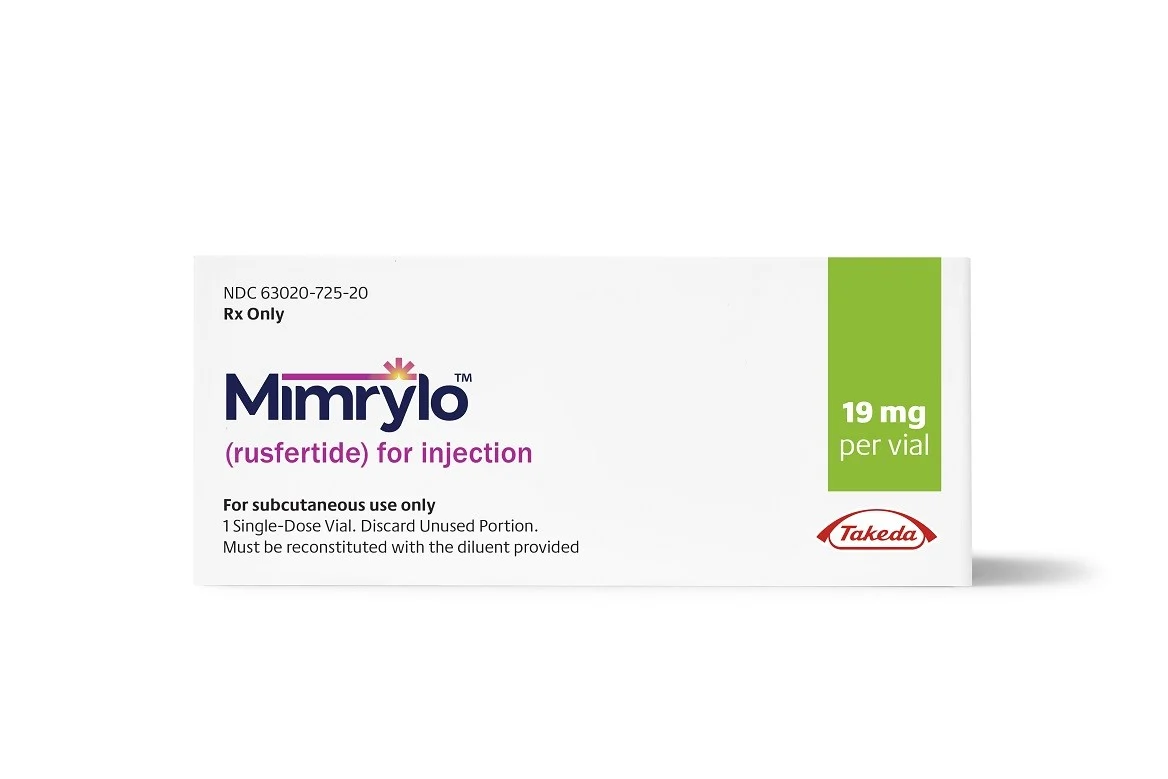
In a landmark decision that promises to reshape the standard of care for thousands of patients, the U.S. Food and Drug Administration (FDA) has granted approval to Mimrylo (rusfertide), a first-in-class therapeutic developed by Takeda Pharmaceutical. The drug, which was born from the innovative laboratories of Protagonist Therapeutics, is designed to treat erythrocytosis in adults living with polycythemia vera (PV).
Polycythemia vera is a rare, chronic myeloproliferative neoplasm—a form of blood cancer—characterized by the bone marrow’s overproduction of red blood cells. For decades, the primary management strategy has been "therapeutic phlebotomy," a manual process of blood removal that is as taxing on the patient as it is archaic in medical methodology. With the arrival of Mimrylo, the hematology community now possesses a targeted, mechanism-based intervention that addresses the disease at its physiological source.
The Science of Control: Mimrylo’s Unique Mechanism
Polycythemia vera stems from acquired genetic mutations that force the bone marrow into overdrive. The resulting excess of red blood cells causes blood to thicken, leading to a precarious increase in the risk of life-threatening cardiovascular events, including strokes and heart attacks. Beyond these acute risks, patients suffer from a debilitating quality-of-life burden, often plagued by chronic headaches, dizziness, and profound, persistent fatigue.
Mimrylo represents a sophisticated biological approach to this pathology. The drug is an engineered peptide mimetic of hepcidin, a hormone naturally produced by the liver that acts as the body’s master regulator of iron. In a healthy system, hepcidin governs the availability of iron to the bone marrow. By sequestering iron, the hormone prevents the overproduction of red blood cells.
"Hepcidin as it’s found naturally in the body is not a very good drug," explained Dinesh Patel, CEO of Protagonist Therapeutics, in an interview preceding the approval. "It’s unstable, not soluble, and not very potent." Through their proprietary platform technology, Protagonist engineers optimized peptides that possess superior drug-like properties, effectively creating a stable, potent version of this natural regulator. By mimicking this natural pathway, Mimrylo restricts the iron supply to the bone marrow, curbing the runaway production of red blood cells without the need for manual bloodletting.
A Chronology of Development and Strategic Partnership
The path to FDA approval was defined by a calculated strategic partnership that underscored the confidence both Takeda and Protagonist had in the drug’s potential.
- Initial Development: Protagonist Therapeutics identified the potential of rusfertide early in its research pipeline, leveraging its peptide-engineering platform to solve the stability issues associated with native hepcidin.
- The Takeda Collaboration (February 2024): As the drug progressed into pivotal Phase 3 trials, Takeda entered the fray, paying $300 million upfront to partner with Protagonist. The deal allowed Protagonist to retain the responsibility of completing the pivotal clinical trials.
- Opting for Financial Autonomy (April 2025): In a pivotal move, Protagonist exercised an option to opt out of the profit-sharing arrangement in the U.S. in exchange for significant upfront and milestone cash payments. This decision, valued at hundreds of millions of dollars, was framed by CEO Dinesh Patel as a strategy to secure the company’s R&D independence.
- Regulatory Submission and Approval: Following the submission of robust Phase 3 data, the FDA conducted its review, culminating in the approval announced after the market close on a Friday, signaling a new era for PV patients.
Supporting Data: Clinical Efficacy
The clinical case for Mimrylo is underpinned by compelling Phase 3 trial results. The study, which evaluated the drug in patients with uncontrolled erythrocytosis, focused on the primary endpoint of reducing the necessity for therapeutic phlebotomy.
At the 32-week mark, 76.9% of patients treated with the once-weekly injection of Mimrylo did not require a single therapeutic phlebotomy. This starkly contrasted with the placebo group, where only 32.9% of patients achieved that same stability. Beyond the primary data, the trial demonstrated a favorable safety profile, with the most frequent adverse events being mild to moderate injection site reactions and manageable anemia.
The long-term durability of the drug was highlighted during the American Society of Hematology (ASH) annual meeting last December. Data presented at the conference reinforced the drug’s ability to maintain consistent hematological control over a full year, providing physicians with the confidence to transition patients away from the frequent, intermittent trauma of phlebotomy.
Expert Perspectives and Implications for Practice
Dr. Andrew Kuykendall, a lead investigator in the study and an associate member at Moffitt Cancer Center, believes the approval is nothing short of "practice-changing."
"It’s replacing therapeutic phlebotomy, which is archaic," Dr. Kuykendall noted. "Given that therapeutic phlebotomy is really the mainstay of treatment for everyone at some point in time during their PV course, I think it certainly is something that can be practice-changing."
The current treatment landscape for PV is limited and, for many, fraught with obstacles. While Incyte’s JAK inhibitor, Jakafi, is a standard second-line treatment, it is restricted to patients who have failed hydroxyurea. Furthermore, PharmaEssentia’s Besremi—an interferon alpha-based therapy—has faced challenges in specific patient populations. Interferon therapies are notoriously difficult for patients with underlying mood disorders, as they can exacerbate depression. They are also contraindicated for patients with autoimmune conditions due to the risk of systemic immune overstimulation.
Mimrylo enters the market with a broad, unrestricted label, providing a viable option for a wider swathe of the PV population, including those who cannot tolerate existing therapies.
The Business of Blood: Market Strategy and Outlook
For Takeda, the acquisition of global commercialization rights to Mimrylo is a strategic pillar in its effort to bolster its hematology portfolio. With the patent expiration of its blockbuster inflammatory bowel disease drug, Entyvio, Takeda is under pressure to diversify its revenue streams. Analysts have projected that Mimrylo could eventually reach $2 billion in peak annual revenue, positioning it as a cornerstone asset for the pharmaceutical giant.
The pricing strategy, set at $4,200 per vial, translates to approximately $218,400 per year per patient, assuming standard once-weekly dosing. While this represents a significant investment for payers, the clinical promise of reducing long-term cardiovascular complications and the elimination of ongoing phlebotomy costs could make a compelling case for value-based reimbursement.
For Protagonist, the decision to trade long-term profit-sharing for immediate capital was calculated to preserve the company’s future. "It takes us on a path of financial independence," Patel stated. "Funding our R&D pipeline in a confident manner, and creating value for shareholders without diluting them."
Expanding Horizons: PharmaEssentia’s Besremi Update
As the hematology field celebrates the arrival of Mimrylo, there is simultaneous momentum in related spaces. PharmaEssentia recently secured an additional FDA approval for its own flagship drug, Besremi, for the treatment of essential thrombocythemia (ET).
ET, like PV, is a myeloproliferative neoplasm, though it manifests primarily as an excess of platelets, heightening the risk of blood clots and abnormal bleeding. The approval of Besremi for ET provides a crucial alternative to older treatments like anagrelide, with data suggesting a superior ability to achieve durable responses and reduce clotting events.
"The approval of Besremi provides an important new treatment option that is supported by strong clinical evidence and that also works at the source of the disease rather than solely managing symptoms," said Dr. Ruben Mesa, a principal investigator in the ET study.
Conclusion: A New Standard of Care
The dual developments of Mimrylo’s approval and Besremi’s label expansion signify a transition in hematology from reactive symptom management to proactive disease-source control. As Takeda begins the global rollout of Mimrylo, patients with polycythemia vera can look forward to a future where their condition is managed with precision medicine rather than the antiquated tools of the past. For the scientific community, these milestones serve as a testament to the power of targeted peptide engineering and the ongoing commitment to improving the lives of those suffering from rare, chronic blood disorders.