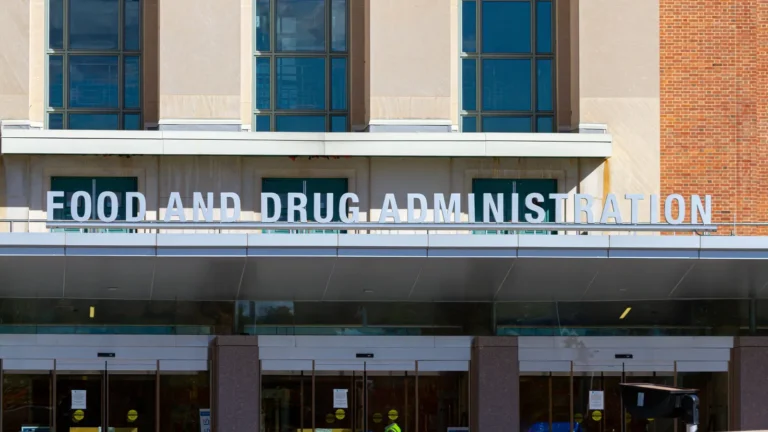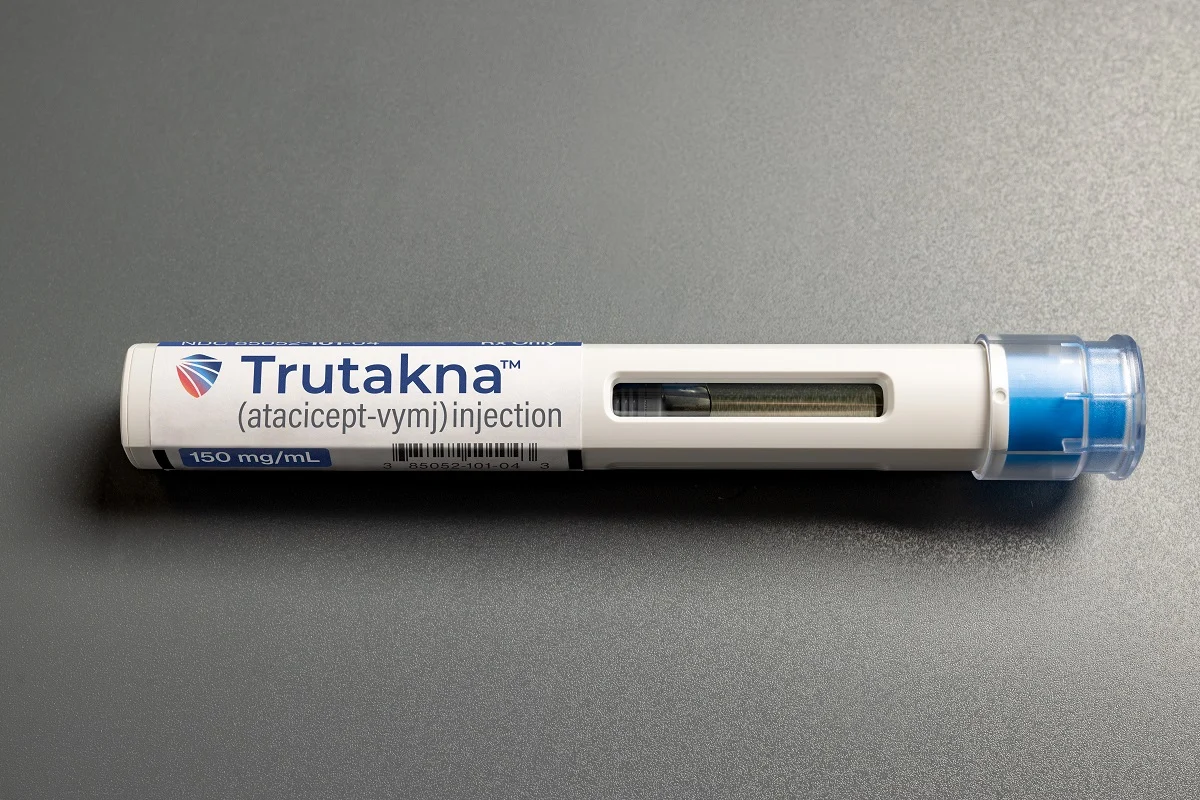
In a landmark decision for patients suffering from rare, progressive autoimmune kidney diseases, the U.S. Food and Drug Administration (FDA) has granted accelerated approval to Trutakna (atacicept). Developed by the Brisbane, California-based biotechnology firm Vera Therapeutics, this first-in-class, dual-target therapy marks a significant departure from traditional management strategies for primary immunoglobulin A nephropathy (IgAN). By simultaneously inhibiting two critical protein pathways—B-cell activating factor (BAFF) and A proliferation-inducing ligand (APRIL)—Trutakna offers a precision-medicine approach to a condition that has historically relied on repurposed, non-specific treatments.
The Evolution of IgAN Management: From Off-Label to Precision Medicine
IgA nephropathy, often referred to as Berger’s disease, is a life-threatening autoimmune condition. It occurs when the body produces rogue IgA antibodies that deposit in the glomeruli—the kidney’s microscopic filtering units. These deposits trigger a cascade of inflammation and scarring, which, if left unchecked, leads to the progressive loss of kidney function and, eventually, end-stage renal disease (ESRD).
For decades, the standard of care for IgAN was rudimentary. Physicians relied on renin-angiotensin system inhibitors (such as ACE inhibitors or ARBs) to manage blood pressure and systemic corticosteroids to dampen the immune system. While effective at slowing the rate of decline, these therapies were never specifically engineered for IgAN, leaving patients and doctors with limited options that often carried significant off-label risks.
The landscape shifted in 2021 with the approval of Calliditas Therapeutics’ Tarpeyo. Since then, the FDA has accelerated the development of a new class of targeted therapies, including Travere Therapeutics’ Filspari and Novartis’ duo of Fabhalta and Vanrafia. However, Vera Therapeutics’ Trutakna represents a distinct clinical strategy: the simultaneous neutralization of BAFF and APRIL. These two proteins are the primary stimulants for the B-cell maturation process; by blocking both, Trutakna seeks to cut off the supply of pathogenic autoantibodies at their source.
Chronology of Development: From Merck KGaA to Commercial Reality
The history of Trutakna is a testament to the long and often complex journey of drug development. The fusion protein molecule that would eventually become Trutakna was originally developed by the German pharmaceutical giant Merck KGaA. Throughout the mid-2010s, it underwent mid-stage clinical testing across a spectrum of autoimmune disorders.
In 2020, Vera Therapeutics identified the potential of this molecule to address the significant unmet needs in nephrology. They licensed the global rights to the drug at a time when no therapies had yet been specifically approved for IgAN. The subsequent years were defined by aggressive clinical advancement:
- 2020: Vera Therapeutics secures global licensing rights for the atacicept molecule.
- 2021–2023: The company initiates and advances a pivotal, placebo-controlled Phase 3 clinical trial aimed at demonstrating the drug’s efficacy in reducing proteinuria.
- November 2024: Detailed results from the Phase 3 trial are published in the New England Journal of Medicine, providing the clinical backbone for regulatory submission.
- Tuesday, [Current Year]: The FDA grants accelerated approval for Trutakna in adults with IgAN who are at risk of disease progression.
Supporting Data: Clinical Efficacy and Safety Profiles
The FDA’s decision was underpinned by data demonstrating the drug’s ability to achieve a statistically significant and clinically meaningful reduction in proteinuria—the presence of excess protein in the urine, which serves as a primary surrogate marker for kidney damage.
In the pivotal Phase 3 study, patients receiving weekly injections of Trutakna achieved a 42% average reduction in proteinuria compared to the placebo group at the nine-month mark. This metric is crucial because the FDA relies on such surrogate endpoints to grant accelerated approvals, allowing patients access to life-altering treatments while the company continues to collect long-term data.
Regarding safety, the drug was reported to be generally well-tolerated. The most frequent adverse events were localized injection site reactions and mild infections. While these side effects are noteworthy, they were deemed manageable within the clinical trial setting, reinforcing the risk-benefit profile of the once-weekly subcutaneous injection.
The Competitive Landscape: Pricing and Market Dynamics
The entry of Trutakna into the market places it in direct competition with Otsuka’s Voyxact, which received its own accelerated approval in November of the previous year. Voyxact, a monoclonal antibody that targets only APRIL, is administered on a monthly basis.
Vera Therapeutics has set an annual list price of $425,000 for Trutakna, positioning it at a premium compared to Voyxact’s $390,000. This pricing strategy reflects Vera’s internal belief that the dual-action mechanism (targeting both BAFF and APRIL) provides superior biological control over the disease.
However, the market is set to become significantly more crowded. Vertex Pharmaceuticals is currently awaiting a regulatory decision on its own candidate, povetacicept, which also targets the BAFF/APRIL pathway. With an FDA target date of November 30, Vertex’s entry into the space could introduce significant pricing and market-share pressures. Povetacicept was brought into the Vertex portfolio via their 2024 acquisition of Alpine Immune Sciences, a move that signaled the high-stakes nature of the autoimmune kidney disease market.
Analyst Perspectives and Future Implications
Industry analysts are closely monitoring the "first-mover" advantage versus "best-in-class" potential. Myles Minter, an analyst at William Blair, suggests that while Trutakna’s dual-inhibition mechanism is scientifically compelling, it must contend with the established presence of Otsuka’s Voyxact.
"While the drugs were not tested head-to-head," Minter noted in a recent research brief, "Trutakna’s results suggest higher rates of injection site reactions compared to its competitors." Despite this, Minter highlights that the lower volume of the Trutakna injection could provide a patient-convenience advantage that may influence physician choice.
Looking further ahead, the field is bracing for a new generation of "half-life extended" antibodies currently in development by companies such as Jade Bio and Climb Bio. These therapies aim to offer even greater efficacy and less frequent dosing, potentially leapfrogging the current generation of IgAN drugs.
Beyond IgAN: A $10 Billion Opportunity
For Vera Therapeutics, the approval of Trutakna for IgAN is merely the first chapter. The company has articulated a vision to establish its dual-inhibitor platform across a broader range of renal conditions. Ongoing mid-stage clinical studies are currently evaluating the drug’s performance in:
- Primary Membranous Nephropathy: A disorder affecting the tiny filters in the kidneys.
- Focal Segmental Glomerulosclerosis (FSGS): A disease where scar tissue develops on the glomeruli.
- Minimal Change Disease: A condition that causes nephrotic syndrome.
Vera’s investor presentations suggest that the total addressable market for dual BAFF/APRIL inhibition could reach $10 billion, spanning at least 11 different autoimmune diseases.
The Road Ahead: Confirmatory Studies
It is important to note that the FDA’s "accelerated approval" designation comes with a significant requirement: the company must conduct a confirmatory Phase 3 trial to verify the clinical benefit of the drug. For Trutakna, this involves a ongoing study focused on the estimated glomerular filtration rate (eGFR)—a more direct measure of long-term kidney function than proteinuria alone. Results from this confirmatory study are expected later this quarter.
As Vera Therapeutics moves to commercialize Trutakna, the medical community will be watching closely to see how this dual-targeted approach translates into real-world patient outcomes. For the thousands of adults struggling with the threat of end-stage renal disease, the availability of Trutakna represents more than just a new drug—it represents a new, scientifically robust path toward preserving the quality of life and avoiding the devastating consequences of kidney failure.