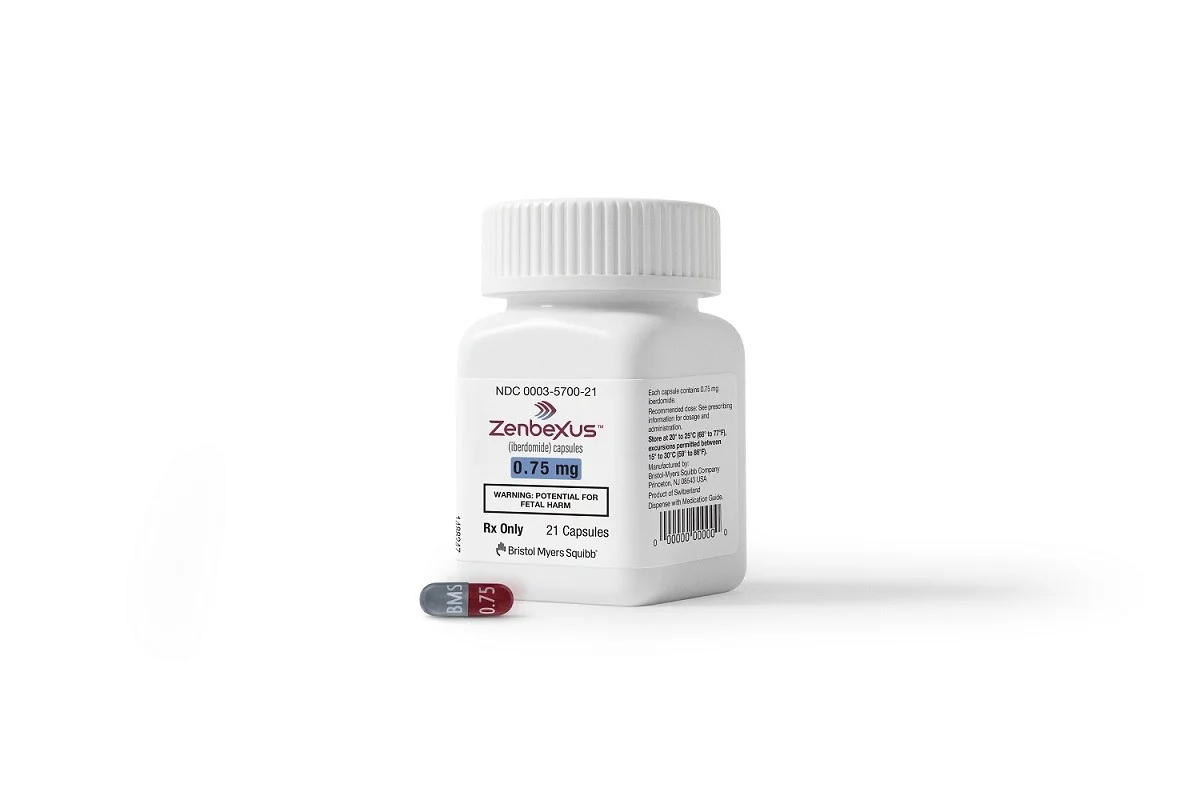
In a landmark development for hematology-oncology, Bristol Myers Squibb (BMS) has received accelerated FDA approval for Zenbexus (iberdomide), a novel therapeutic agent designed to treat adults with multiple myeloma who have undergone at least one prior line of therapy. This regulatory milestone not only introduces a sophisticated new class of medicines to the market but also establishes a new evidentiary benchmark for the evaluation of future blood cancer therapies.
As a pioneer in the "targeted protein degrader" space, Zenbexus represents a sophisticated leap in molecular medicine. By leveraging the cell’s own waste-disposal machinery to dismantle disease-driving proteins, BMS aims to provide a more potent alternative to traditional immunomodulatory treatments.
Main Facts: A Paradigm Shift in Multiple Myeloma Care
Zenbexus is the first FDA-approved cereblon-modulating (CELMoD) agent, marking a significant evolution from legacy immunomodulatory drugs like Revlimid and Pomalyst. Administered as a once-daily oral capsule, Zenbexus is indicated for use in combination with Johnson & Johnson’s Darzalex Faspro (daratumumab and hyaluronidase-fihj) and dexamethasone.
The approval is categorized under the FDA’s accelerated pathway, which allows for the authorization of drugs that treat serious conditions and fill an unmet medical need based on a surrogate endpoint. In this case, the FDA accepted the attainment of "minimal residual disease (MRD)-negative complete response" as a viable predictor of clinical benefit. This decision is noteworthy because Zenbexus is the first therapy in the history of multiple myeloma to be approved specifically based on this measure, setting a new precedent for how clinical trial success is defined in the field.
Chronology: From Acquisition to Commercial Reality
The journey of Zenbexus is deeply rooted in the strategic acquisitions and research legacy of Bristol Myers Squibb.
- 2019: Bristol Myers Squibb completes its landmark acquisition of Celgene, a move that brought a wealth of oncology assets into the BMS pipeline, including the core research that would lead to the development of iberdomide.
- 2024–2025: Throughout the developmental phase, the drug demonstrated superior binding and degradation capabilities compared to older immunomodulatory drugs, leading to its designation as a high-priority asset for the company.
- August 2026: Following a robust Phase 3 trial involving 939 patients, the FDA grants accelerated approval for the combination therapy.
- Post-Approval (August 2026): Analysts, including those at William Blair, begin assessing the market impact, noting the drug’s potential to reach blockbuster status with projected annual U.S. sales exceeding $1 billion by 2031.
BMS continues to manage a pipeline of related CELMoDs, with mezigdomide currently under regulatory review and a decision expected in May 2027.
Supporting Data: Efficacy and Clinical Trial Results
The regulatory submission for Zenbexus was anchored by data from a large-scale Phase 3 clinical trial comparing the Zenbexus-Darzalex-dexamethasone regimen against the current standard-of-care triplet: Darzalex, Velcade, and dexamethasone.
The MRD-Negative Milestone
At a median follow-up of 16 months, the clinical data revealed a compelling efficacy profile. Approximately 41% of patients in the Zenbexus cohort achieved an MRD-negative complete response, compared to 21% in the comparator arm. In clinical terms, an MRD-negative status signifies that cancer cells have been reduced to such negligible levels that they remain undetectable even by ultra-sensitive diagnostic assays.
BMS and the FDA consider this measure a strong proxy for progression-free survival (PFS). While the study continues to collect data on long-term survival outcomes, the success in hitting this early endpoint provided the necessary clinical justification for the FDA’s accelerated approval.
Safety and Tolerability Profile
As with any potent oncology agent, the therapeutic benefits must be balanced against significant risks. The trial reported that 7.8% of patients discontinued the treatment due to adverse reactions. Clinicians and patients are cautioned regarding:
- Severe Neutropenia: A dangerous reduction in white blood cells that increases susceptibility to infection.
- Infection Risks: Including pneumonia and various respiratory tract infections.
- Fatal Events: The trial documented 10 fatal adverse reactions, necessitating careful patient selection and ongoing monitoring.
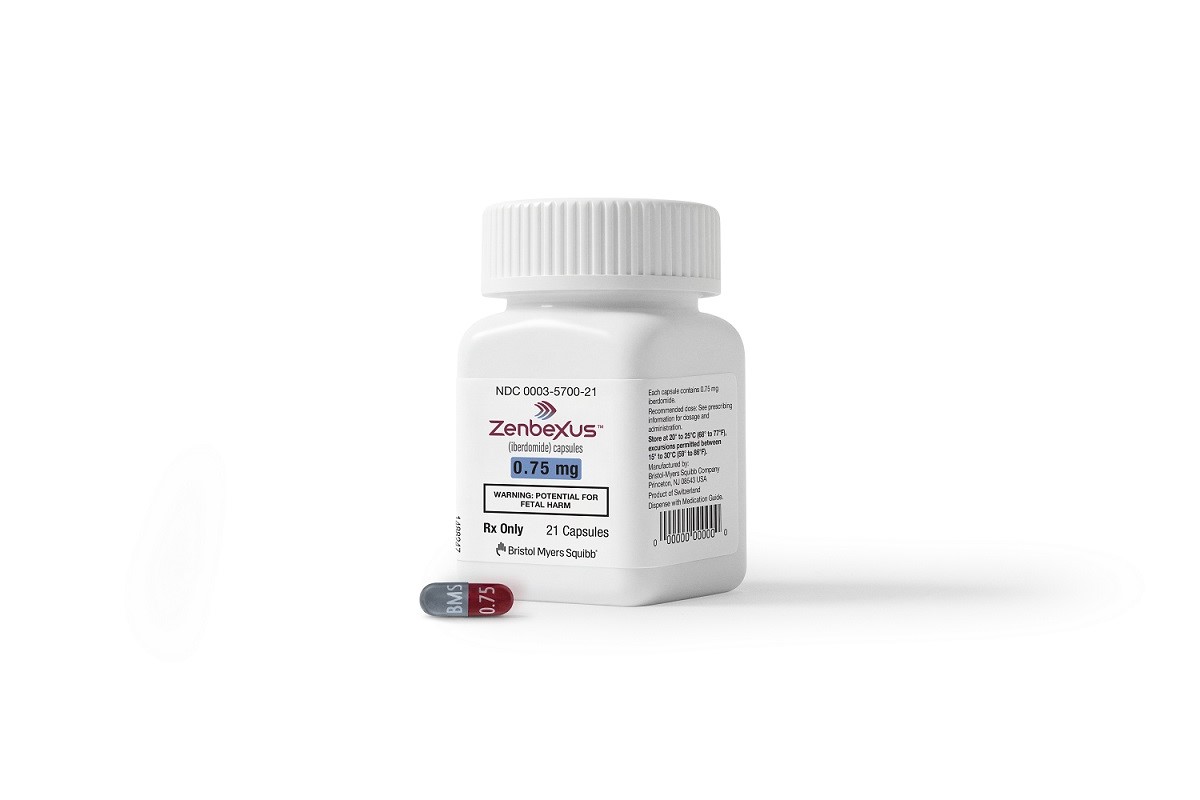
- Black Box Warnings: Due to the drug’s structural relationship to thalidomide, there is a strict contraindication for pregnant patients due to the high risk of severe birth defects. Furthermore, the label includes warnings regarding potential cardiovascular complications, advising the use of anticoagulants where appropriate.
Official Responses: Insights from the Scientific Community
The oncology community has reacted with cautious optimism, viewing Zenbexus as a foundational shift in how the disease is managed. Dr. Sagar Lonial, chief medical officer of the Winship Cancer Institute of Emory University and the lead investigator of the Phase 3 study, highlighted the importance of the drug’s mechanism.
"The strong results observed with the CELMoD-based combination within a familiar triplet approach creates the potential for a new treatment foundation in multiple myeloma," Dr. Lonial stated. He emphasized that the shift from older immunomodulatory agents to the precision-based CELMoD platform allows for "tighter binding and more rapid degradation of disease-driving proteins," which translates to more robust responses for patients who have already failed first-line therapies.
Industry analysts have also weighed in on the economic and strategic implications. Matt Phipps, an analyst at William Blair, noted that the near-doubling of the MRD-negative response rate is "highly encouraging." He pointed to the upcoming progression-free survival data as the next major hurdle that will solidify the drug’s commercial positioning and long-term utility in the competitive multiple myeloma landscape.
Implications: The Future of Multiple Myeloma Treatment
The arrival of Zenbexus has profound implications for both the pharmaceutical industry and the clinical management of multiple myeloma.
A Strategic Pivot for BMS
As the patents for legacy drugs like Revlimid and Pomalyst face increasing pressure from generic manufacturers, BMS is relying on its "next-generation" pipeline to secure its market share. By transitioning patients to CELMoD-based therapies, the company is effectively revitalizing its oncology franchise. Ongoing head-to-head clinical trials comparing iberdomide and mezigdomide against these legacy drugs will be critical in determining whether the company can successfully migrate its current patient base to its newer, more expensive, and more effective offerings.
Pricing and Access
With a list price set at $29,500 per 28-day treatment cycle, Zenbexus enters the market at a premium price point. This pricing strategy reflects the drug’s status as a novel, highly targeted therapy. While this cost is expected to draw scrutiny from payers and health policy experts, the projected $1 billion revenue forecast suggests that the market for high-efficacy, later-line multiple myeloma treatments remains robust.
The New Regulatory Standard
Perhaps the most significant long-term implication is the FDA’s willingness to grant approval based on the MRD-negative complete response rate. This sets a precedent that could accelerate the development of other oncology drugs. If MRD-negative status becomes a widely accepted, reliable surrogate for clinical benefit, the time required to bring life-saving drugs to market could be shortened, providing earlier access to patients facing aggressive malignancies.
Clinical Management
For clinicians, the addition of Zenbexus to the therapeutic toolkit provides a much-needed option for patients who have relapsed. The familiarity of the triplet combination (Zenbexus plus Darzalex and dexamethasone) allows oncologists to integrate this new therapy into existing clinical workflows with relative ease, despite the need for heightened vigilance regarding the specific adverse event profile of the CELMoD class.
As the scientific community awaits the definitive progression-free survival data expected later this year, Zenbexus stands as a testament to the power of targeted protein degradation. It is a therapy that not only targets the machinery of the disease but also reflects a broader shift toward molecular precision, offering a glimmer of hope for patients navigating the complexities of relapsed multiple myeloma.