As the United States grapples with its largest-ever recorded outbreak of Cyclospora cayetanensis—a parasitic infection that has already sickened over 22,000 people and contributed to two tragic deaths in Michigan—public health experts are sounding a desperate alarm. The crisis, which spans at least 15 states, is not merely a food safety failure; it is a systemic indictment of the nation’s water infrastructure and agricultural practices.
According to leading microbiologists and environmental health officials, the current outbreak is almost certainly a direct result of sewage contamination entering the food supply chain. This pathogen, a single-celled protozoan that thrives in the human intestine, has created a self-perpetuating cycle of illness that modern water treatment systems are currently ill-equipped to break.
The Mechanics of an Invisible Threat: A Biological Cycle
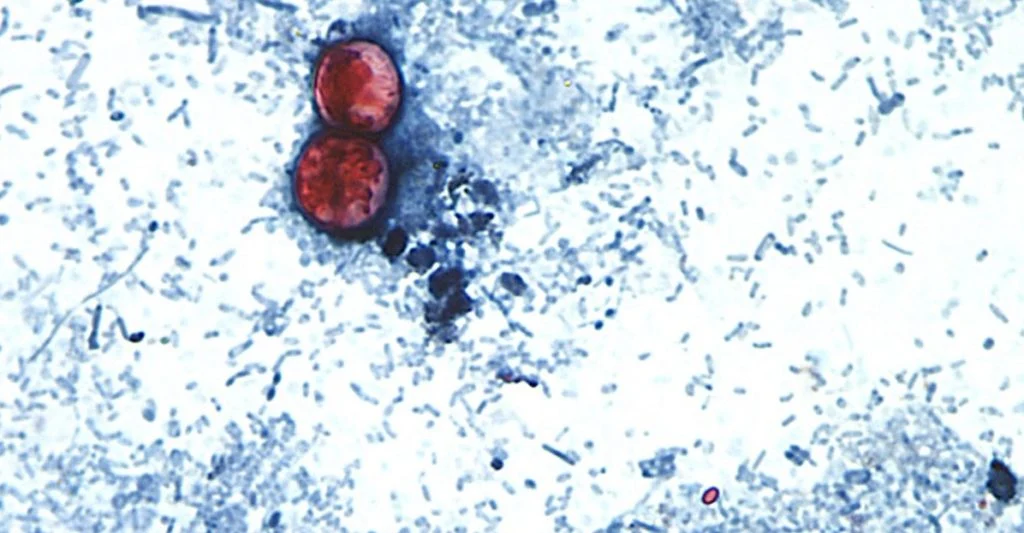
The life cycle of Cyclospora is uniquely tied to human biology and, consequently, our waste management systems. Unlike other pathogens that may originate in livestock, Cyclospora is found exclusively in humans. Once a person ingests the parasite, it replicates within the intestinal tract, causing severe, often debilitating diarrhea. The organism reproduces by releasing oocysts—microscopic, hardy eggs—which are excreted in human feces.
In a typical American household, these feces are flushed into the sewage system. While many states treat wastewater before releasing it back into the environment, standard treatment protocols are frequently insufficient to neutralize these resilient oocysts. Once released into waterways, the treated—yet still contaminated—effluent is often diverted for irrigation on agricultural lands.
In the environment, the oocysts undergo a critical maturation process. Exposure to warm temperatures over the course of a week transforms them into an infectious state. When this water is used to irrigate crops—particularly fresh produce like lettuce or berries—the parasites latch onto the food. A consumer then eats the produce, becomes infected, and the cycle begins anew.
A Chronology of a Growing Crisis
The threat posed by Cyclospora is not new, but its current scale is unprecedented. The first documented U.S. outbreak occurred in 1995, involving 45 cases in Florida. Initially, investigators pointed toward California strawberries, but forensic epidemiological work later traced the source to imported raspberries from Guatemala. These berries were subsequently linked to much larger outbreaks in 1996 and 1997, marking the entry of this obscure protozoan into the national consciousness.
For decades, Cyclospora remained a sporadic nuisance. However, the current 2026 surge represents a dramatic escalation. The infection rate has skyrocketed, and the geographical reach has expanded significantly. As researchers like myself—who have spent decades collecting and testing sewage water—have noted, the shift from localized, imported food contamination to a widespread domestic outbreak suggests that the pathogen has become firmly embedded in the American environmental landscape.
Supporting Data: Why Wastewater Surveillance Matters
There are two primary reasons why public health microbiologists monitor wastewater. First, it serves as a "community pulse." Much like the monitoring of SARS-CoV-2 in sewage helped track the progression of the COVID-19 pandemic and the emergence of new variants, Cyclospora monitoring provides a real-time map of infection prevalence within a population.
Second, it allows researchers to measure the efficacy of sewage treatment plants. Unfortunately, the data is sobering. Detecting Cyclospora oocysts is notoriously difficult; even advanced molecular methods often struggle to identify low concentrations, which are nevertheless enough to cause severe illness. Global studies indicate that up to 25% of sewage samples contain the parasite, with an estimated concentration of 1 to 100 oocysts per liter.
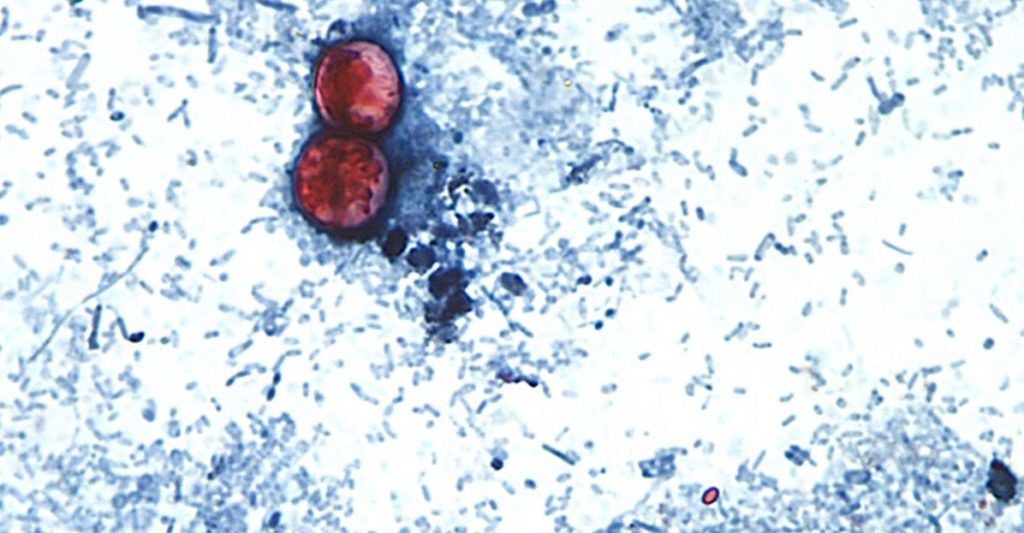
An infected individual can excrete between 100 and 10,000 oocysts per gram of feces for up to 60 days. When these thousands of oocysts enter a treatment plant, the existing infrastructure is often bypassed or overwhelmed. In studies conducted by my laboratory at Michigan State University across Arizona, California, and Florida, we found that while chlorine-based disinfection removes a percentage of protozoa, it does not kill them. They remain intact and infectious, discharged back into the very waterways we rely on for irrigation.
Official Responses and Regulatory Gaps
The response from public health officials has been a mix of caution and calls for systemic change. While the CDC and state health departments have issued guidance on washing produce and monitoring for symptoms, there is a glaring lack of federal regulation regarding the presence of protozoa in treated wastewater.
Across the United States, roughly 200 billion gallons of treated wastewater are repurposed for agricultural irrigation each year. While some operations utilize advanced filtration or ultraviolet (UV) light—which has been shown to effectively inactivate related protozoa like Cryptosporidium—many facilities rely on outdated secondary treatment methods that are powerless against Cyclospora.
Furthermore, there is a lack of transparency regarding the volume of wastewater used for irrigation versus the volume discharged into rivers and reservoirs. State regulators, in many instances, do not require plants to test for these specific parasites, leaving the food supply vulnerable to environmental contamination that is currently invisible to the naked eye.
The Implications of a Changing Climate
The environmental conditions of the mid-2020s are acting as an accelerant for this outbreak. As the United States experiences more frequent and severe weather patterns, the risk of contamination increases. During periods of drought, the demand for recycled wastewater for irrigation rises, increasing the volume of treated effluent placed directly onto crops. Conversely, during periods of extreme flooding, sewage systems often overflow, bypassing treatment plants entirely and dumping raw waste into the surrounding ecosystem.
Moreover, the warming climate is a boon for the parasite. Cyclospora oocysts require heat to mature into their infectious form. As "heat domes" and record-breaking temperatures become more frequent, the environment is effectively incubating these parasites faster and more efficiently than ever before.
The Path Forward: Technology and Oversight
The current crisis is a wake-up call that the traditional separation between human waste management and food production is eroding. To prevent future, larger outbreaks, a two-pronged approach is essential:
- Investment in Advanced Detection: We need to move beyond standard PCR tests. Developing rapid, reliable, and cost-effective methods to detect low levels of Cyclospora in wastewater must be a national priority. This would allow for early warning systems that could trigger a halt in irrigation from specific plants before a contaminated harvest reaches supermarket shelves.
- Infrastructure Upgrades: Sewage treatment plants must be modernized to include technologies that can effectively neutralize protozoan oocysts. UV light disinfection and advanced membrane filtration are no longer optional "add-ons"—they are necessary components of a safe food supply chain.
As we look toward the future, it is clear that the resilience of our public health infrastructure depends on our ability to manage the intersection of water, waste, and food. The Cyclospora outbreak of 2026 is a grim reminder that when we neglect the treatment of our wastewater, we are ultimately serving that waste back to ourselves. Only through rigorous monitoring, modernized treatment, and transparent policy can we hope to break this cycle and restore safety to the American table.