









By Medical News Desk
August 8, 2026
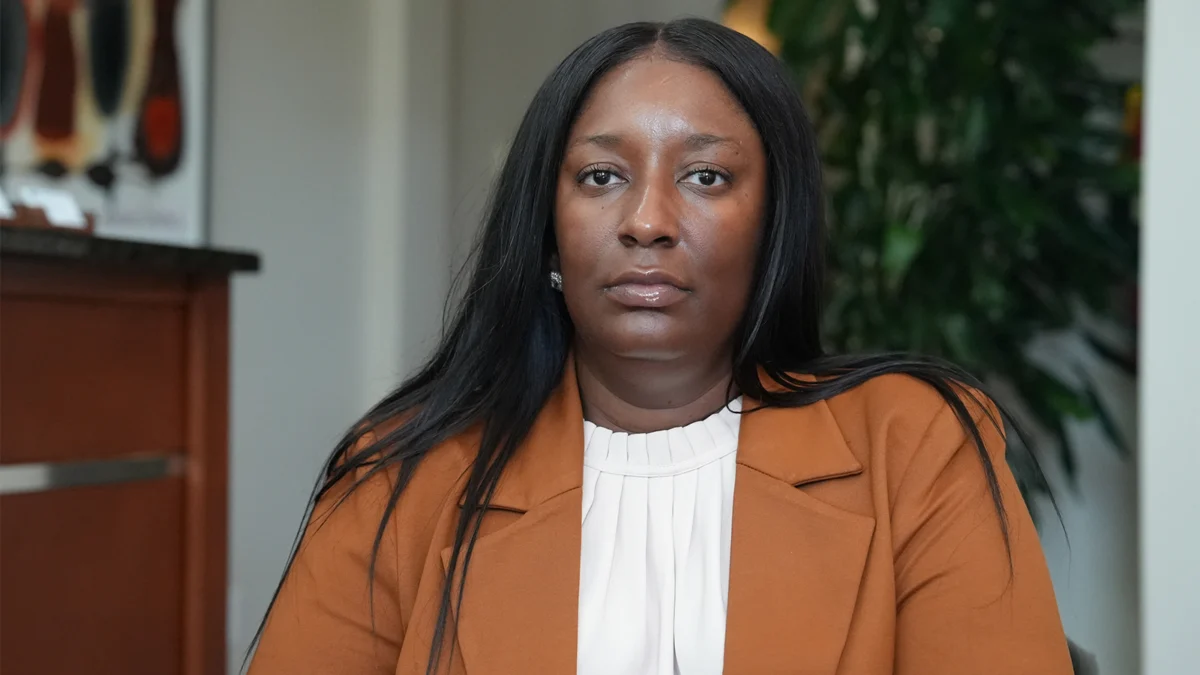
In a harrowing case that underscores the profound, life-altering consequences of laboratory errors, an Atlanta-area woman has filed a lawsuit against Kaiser Permanente, alleging that a catastrophic sample mislabeling led to a life-changing, medically unnecessary surgery. The case of Cassandra Barksdale, a 43-year-old mother who underwent a full hysterectomy based on a diagnosis that belonged to another patient, has ignited a national conversation regarding patient safety, laboratory protocols, and the devastating ripple effects of medical negligence.
The Foundation of a False Diagnosis
The ordeal began in early 2025, when Ms. Barksdale visited the Kaiser Permanente Southwood Comprehensive Medical Center in Jonesboro, Georgia, seeking medical attention for symptoms including heavy bleeding and uterine fibroids—common, noncancerous growths.
On March 10, 2025, Barksdale underwent a routine biopsy. A week later, she received news that would shatter her world: the pathology report indicated she was suffering from an aggressive form of endometrial uterine cancer. What followed was a whirlwind of medical intervention predicated on a fundamental falsehood. Because the medical team believed the pathology results were accurate, they recommended and performed a full hysterectomy on May 15, 2025.
The psychological toll was immediate. Believing she was facing a terminal illness, Barksdale began the agonizing process of preparing for her own death. She spent months in a state of deep emotional distress, grappling with the trauma of her diagnosis and the prospect of leaving her sons motherless. The medical team further compounded this trauma by informing her that she would soon need to begin chemotherapy, an ordeal she was prepared to endure to save her life.
Chronology of a Medical Catastrophe
To understand the scope of the failure, one must look at the timeline of events that stripped a healthy woman of her reproductive organs:
- Early 2025: Barksdale presents to Kaiser Permanente Southwood with symptoms of uterine fibroids.
- March 10, 2025: A diagnostic biopsy is performed at the facility.
- March 17, 2025: Barksdale is informed that the biopsy indicates an aggressive form of endometrial cancer.
- May 15, 2025: A full hysterectomy is performed as a direct result of the misdiagnosis.
- Summer 2025: Barksdale lives in the shadow of a terminal prognosis, preparing her family for her potential death and bracing for chemotherapy.
- September 2025: Barksdale is finally notified that a DNA analysis—conducted months after the surgery—revealed the tissue sample labeled as hers actually belonged to another patient. The cancer diagnosis was entirely erroneous.
The Human Cost: "A Diagnosis That Did Not Belong to Her"
During a press conference following the filing of the lawsuit, Barksdale’s attorney, Shannan Young, articulated the sheer gravity of the situation. "She came into Kaiser Permanente looking for answers, and she left with a diagnosis that did not belong to her," Young stated. "Every step that was taken after that was based off of misinformation."
For Barksdale, the emotional trauma is perhaps as profound as the physical loss. In a statement detailing the months spent in despair, she recounted the heartbreaking conversations she had with her children. "I even started making funeral plans with them to let them know, you know, if I don’t make it out, this is what I want done," Barksdale said.
The surgery, while technically successful in removing the uterus, was entirely unnecessary. The irreversible nature of a hysterectomy means that Barksdale has lost her fertility and undergone a major surgical procedure that carries its own inherent risks, all without the underlying medical justification.
Official Responses and Corporate Accountability
In response to the lawsuit, Kaiser Permanente has issued a public statement acknowledging the gravity of the error. A spokesperson for the healthcare giant stated, "Ms. Barksdale should not have experienced this."
The statement continued: "We have highly trained staff and very thorough processes in place to prevent errors like this from taking place. After this occurred last year, we took immediate steps to ensure it could not happen again. We realize the impact of this incident and are committed to working with Ms. Barksdale and her counsel to resolve this in the most fair and accountable way we can."
However, the question remains as to what specific "immediate steps" were taken and whether these measures are sufficient to protect patients in the future. Because of HIPAA and other medical privacy regulations, the details surrounding the second patient—the individual whose tissue was actually cancerous—remain sealed. It is unknown whether that patient experienced a delay in treatment, a secondary tragedy that could be the direct consequence of the same mislabeling event.
The Silent Crisis: Pathology and Specimen Misidentification
While the Barksdale case is particularly egregious, it is not an isolated incident in the world of modern medicine. Pathology departments are the "hidden" laboratories of healthcare, processing millions of samples annually. When a labeling error occurs, the results are often catastrophic.
A 2011 research paper highlighted the rarity but devastating frequency of specimen misidentification, noting three confirmed cases of prostate biopsy sample mix-ups over just two years in one clinical setting. In 2019, a similar high-profile lawsuit was filed by an Ohio woman who underwent unnecessary lung surgery after a biopsy was mislabeled as malignant.
Medical experts point out that the reliance on manual labeling—even with double-checks—leaves room for human error. The industry has been moving toward automated, barcode-driven tracking systems, which are designed to eliminate the potential for human transcription errors. However, the implementation of these technologies is not universal, and the human element remains a significant variable in the "chain of custody" for biological samples.
Implications for Healthcare Litigation
The lawsuit, which seeks unspecified damages, serves as a litmus test for corporate accountability in medical negligence cases. Attorney Shannan Young emphasized that while financial compensation is the standard legal remedy, it falls short of providing true restitution.
"There’s no amount of money that’s going to return back to her, her healthy organs, or erase the experiences and the pain that she’s had," Young noted. "But our justice system recognizes that when somebody’s negligence harms another person, accountability requires more than ‘I’m sorry.’"
Legal analysts suggest that this case may influence how hospital systems report diagnostic errors. Currently, the pressure to maintain "best-in-class" safety ratings can sometimes lead to an internal culture where errors are handled quietly rather than transparently. By taking this case to court, Barksdale is forcing a public accounting of the systemic failures that allowed her medical records to be compromised.
Looking Forward: Protecting the Patient
The Barksdale incident serves as a stark reminder to both patients and providers. For patients, the ability to advocate for oneself—to ask for second opinions, to confirm the source of pathology reports, and to demand transparency—is more vital than ever. For providers, the case reinforces the necessity of "zero-defect" protocols in the lab.
As the litigation proceeds, the healthcare community will be watching closely. Whether this case leads to stricter federal regulations on specimen handling or simply serves as a cautionary tale remains to be seen. What is certain is that for Cassandra Barksdale, the path forward is one of healing from a trauma that should never have been possible in a modern, sophisticated medical center.
The lawsuit acts as a demand for a higher standard of care—one where a patient’s life is never again defined by a clerical error, and where the sanctity of a diagnosis is treated with the absolute caution it deserves.