







As the global community navigates the lingering ripples of the COVID-19 pandemic—a period defined by profound socioeconomic shifts, isolation, and unprecedented stress—the conversation surrounding public health has shifted from mere survival to long-term vitality. While the pandemic introduced complex challenges ranging from food insecurity to emotional burnout, experts are increasingly highlighting a fundamental truth: the foundation of human resilience lies in the consistent application of core lifestyle habits.
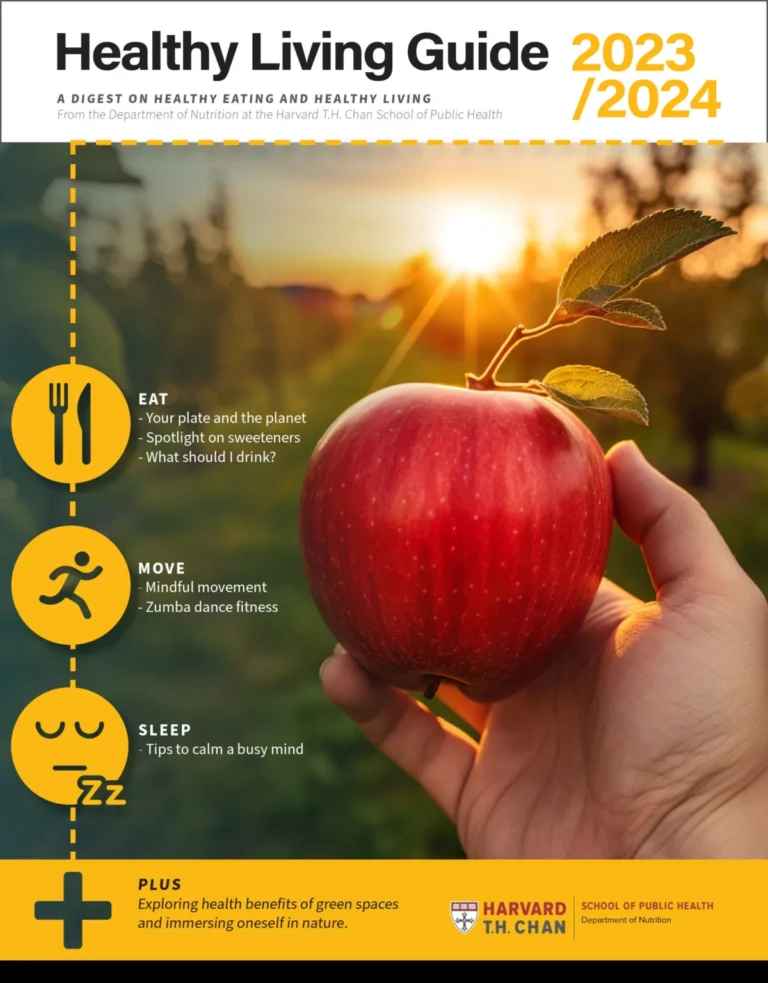
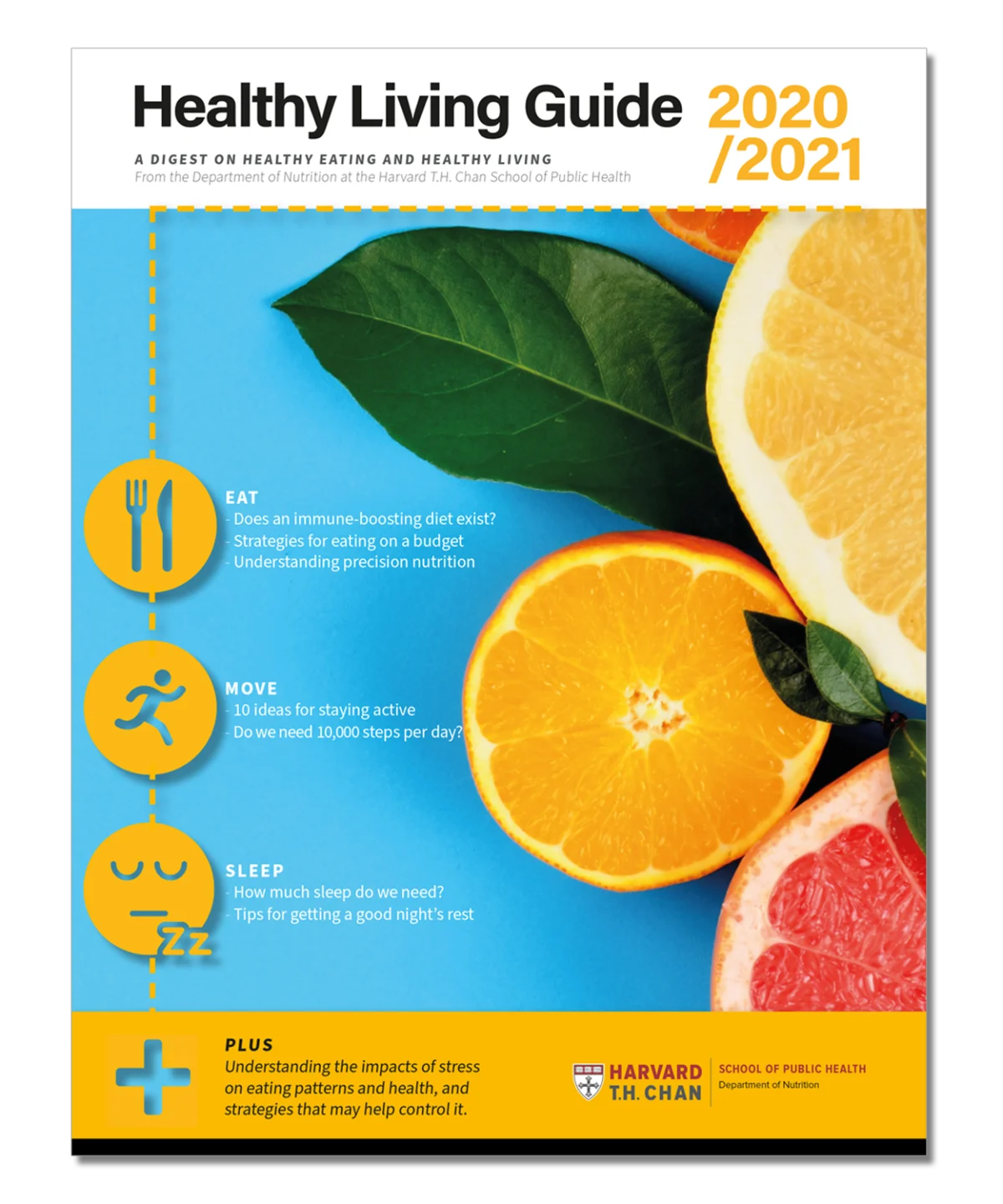
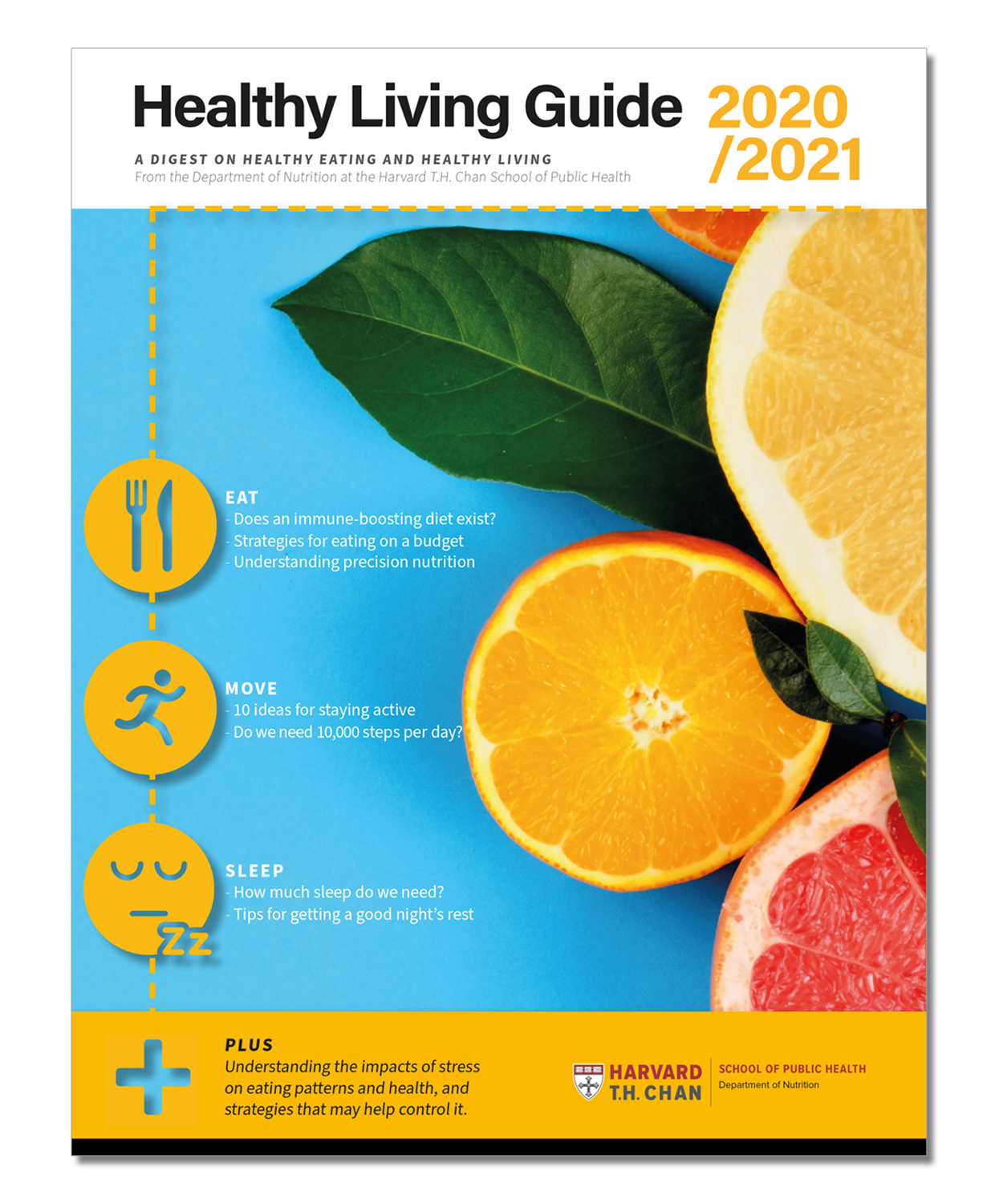
To support the public in navigating these uncertain times, health experts have curated comprehensive resources, such as the Healthy Living Guide, designed to distill complex nutritional science into actionable daily strategies. By prioritizing holistic wellness, individuals are not only better equipped to handle the stresses of the modern era but are also significantly increasing their "healthspan"—the number of years lived free from chronic disease.
The Pillars of Longevity: Main Facts and Scientific Consensus
The scientific consensus on what constitutes a healthy lifestyle is remarkably consistent. While fad diets and exercise trends come and go, research from leading institutions like the Harvard T.H. Chan School of Public Health points to five specific, evidence-based habits that serve as the bedrock of longevity.
These five pillars are:
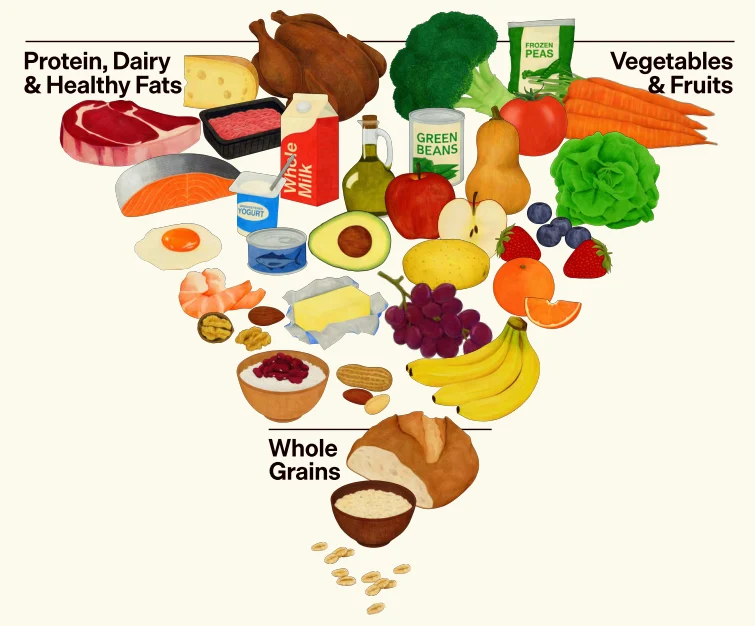
- A Nutrient-Dense Diet: Prioritizing whole foods, including vegetables, fruits, whole grains, and lean proteins, while minimizing processed sugars and trans fats.
- Regular Physical Activity: Engaging in consistent movement that elevates the heart rate and strengthens muscles.
- Maintaining a Healthy Body Weight: Achieving and sustaining a body mass index (BMI) within a range that reduces systemic inflammation and metabolic stress.
- Moderate Alcohol Consumption: Limiting intake to prevent the systemic damage associated with chronic alcohol use.
- Smoking Cessation: Eliminating tobacco use, which remains the single most preventable cause of death globally.
The data supporting these habits is staggering. Studies have consistently demonstrated that individuals who adhere to these five lifestyle behaviors live more than a decade longer than those who do not. Furthermore, the benefit is not merely longevity; it is the quality of those added years. Research indicates that adults who maintain these habits throughout middle age significantly increase their number of years free from debilitating chronic conditions such as type 2 diabetes, cardiovascular disease, and cancer.
A Chronology of the Health Shift
To understand the current focus on these healthy habits, one must look at the timeline of the last few years.
- 2020: The Catalyst of Crisis. The emergence of COVID-19 brought the limitations of public health to the forefront. Lockdowns and social distancing disrupted supply chains, closed gyms, and increased sedentary behavior. The psychological toll of the pandemic led to significant spikes in stress-related eating and a decline in mental health, creating a "secondary pandemic" of lifestyle-related illness.
- 2021: The Pivot to Proactive Wellness. As the world entered 2021, the focus began to shift from emergency response to sustainable recovery. Public health officials recognized that, while there was no "magic pill" to prevent viral infection, the robustness of one’s immune system—bolstered by diet, sleep, and exercise—was a critical variable in health outcomes.
- The Ongoing Present: Today, we are in a phase of integration. The lessons learned during the pandemic have been formalized into resources like the Healthy Living Guide. The current strategy is no longer about temporary fixes, but about building systemic resilience into the fabric of our daily routines.
Supporting Data: The Quantitative Case for Lifestyle Change
The relationship between lifestyle and chronic disease is not anecdotal; it is deeply rooted in longitudinal data. When researchers analyzed the lifestyles of over 78,000 women and 44,000 men over several decades, the findings were transformative.
Those who adopted all five healthy habits were 82% less likely to die from cardiovascular disease and 65% less likely to die from cancer compared to those with none of the healthy habits. The implications for the healthcare system are equally profound. By reducing the incidence of lifestyle-related chronic diseases, we alleviate the massive financial and resource burden placed on medical facilities, a necessity made clear during the peak of the pandemic.
Furthermore, the "Healthy Living Bingo Challenge"—a tool popularized by wellness advocates—provides a practical look at how these data points translate into reality. By gamifying tasks like "eat a green vegetable," "walk for 30 minutes," or "practice mindfulness," the initiative aims to bridge the gap between abstract scientific data and the realities of a busy, often stressful life.
Official Responses and Public Health Guidance
Leading health organizations have moved away from prescriptive, "all-or-nothing" mandates, favoring a more compassionate, behavior-based approach. The overarching message from the medical community is one of accessibility.
"We understand that life is complex," note representatives from various nutrition research departments. "The goal is not to create a standard of perfection, but to encourage incremental improvement."
This shift in communication is vital. Official guidance now emphasizes that even small changes—such as swapping a sugary beverage for water or adding a 10-minute walk to a lunch break—can trigger a cascade of positive physiological changes. These organizations, through the distribution of printable PDFs, tip sheets, and interactive guides, are attempting to democratize health information, ensuring that socioeconomic barriers do not prevent individuals from accessing the tools they need to thrive.
The Implications: Moving Toward a Healthier Future
The implications of this movement toward holistic wellness are far-reaching, affecting both individual quality of life and global public health.
1. The Economic Impact
Chronic diseases are the leading drivers of healthcare costs in developed nations. By investing in preventative lifestyle habits, societies can reduce the long-term reliance on expensive medical interventions, surgical procedures, and lifelong medication for conditions that are, in many cases, reversible or preventable.
2. Mental Health and Cognitive Longevity
It is now well-established that what is good for the heart is good for the brain. The same lifestyle habits that prevent cardiovascular disease are linked to a reduced risk of cognitive decline and dementia. As the global population ages, the preservation of cognitive health through lifestyle becomes a critical priority.
3. Societal Resilience
A population that prioritizes health is inherently more resilient to external shocks. Whether facing future pandemics, economic instability, or environmental stressors, a society with high levels of baseline health is better positioned to maintain its economic and social functions.
4. Personal Agency and Empowerment
Perhaps the most significant implication is the shift in personal agency. Many people feel helpless in the face of modern health crises. The science of healthy living restores a sense of control, demonstrating that individual choices have a profound, quantifiable impact on one’s destiny.
Conclusion: Starting Today
The transition toward a healthier life is rarely a linear path. It is a series of choices, trials, and refinements. Whether you are downloading a printable guide, starting a new exercise regimen, or simply deciding to be more mindful of your nutritional intake, the most important step is the first one.
As we continue to look forward, the synthesis of scientific research and practical application will remain our best defense. The Healthy Living Guide and similar initiatives serve as a reminder that health is not a destination, but a process. By embracing these five key habits, we are not just adding years to our lives; we are ensuring that those years are defined by vitality, purpose, and wellness.
We invite you to explore the available resources, participate in the challenges, and—most importantly—find the joy in taking care of your body. In a world that often feels beyond our control, our health remains the one territory where we can, and should, take a stand.
For those interested in taking the next step, printable tip sheets, bingo challenges, and comprehensive nutritional summaries are available through the Harvard T.H. Chan School of Public Health’s Nutrition Source portal. Start your journey today.