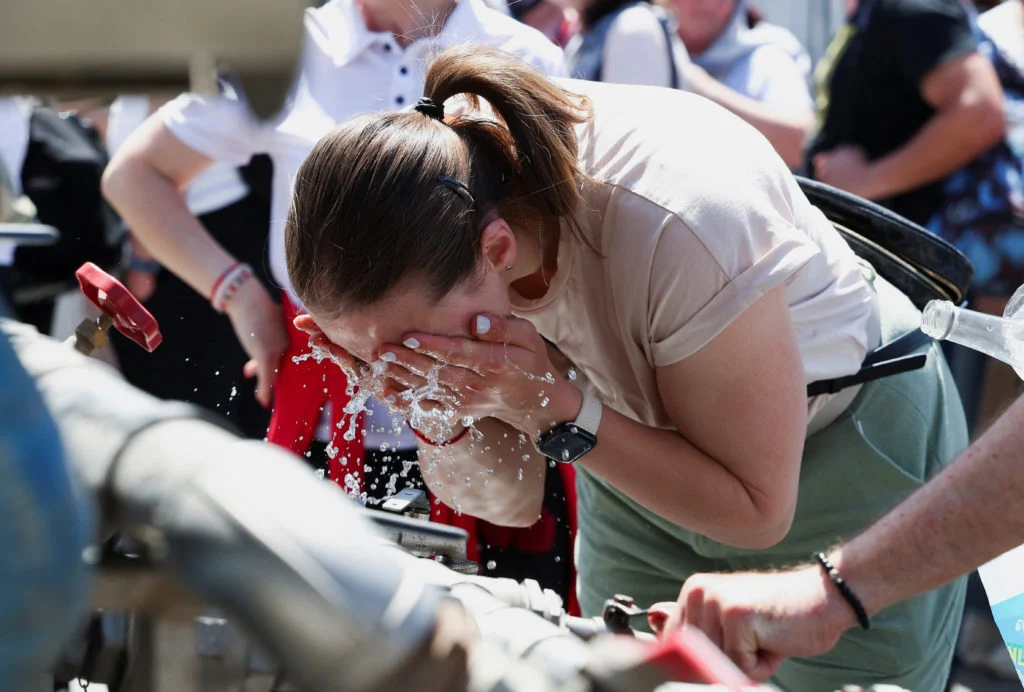
BERLIN — The statistics are not merely figures on a spreadsheet; they are a staggering indictment of a warming world. According to a grim report released Thursday by the World Health Organization (WHO) Europe office, more than 200,000 people across the European continent have perished due to heat-related causes over the past four years. As summer approaches, bringing with it the threat of record-breaking temperatures, health officials are sounding the alarm: extreme heat is no longer a seasonal inconvenience—it is a lethal, recurring public health emergency.
The Escalating Reality: A Mainstream Threat
For decades, heatwaves were categorized as "freak" weather anomalies—statistical outliers that occurred once in a generation. Today, they have become a standard, albeit deadly, fixture of the European climate. The shift is attributed to the compounding effects of long-term climate change, exacerbated by the recent formation of a significant El Niño event in the Pacific Ocean.
"The impacts of climate change are a clear and present danger, and its most immediate and lethal manifestation is extreme heat," stated Dr. Hans Kluge, director of the WHO’s Europe office. "Heatwaves are no longer freak weather anomalies. They are now a recurring crisis inflicting suffering, claiming lives, and fracturing our health systems and infrastructure."
The intersection of human-driven fossil fuel pollution and natural climate cycles like El Niño is creating a "turbocharged" environment, according to meteorologists. With the Pacific warming to historic levels, global temperatures are expected to reach new heights, placing unprecedented stress on both the environment and human biology.
Chronology of a Warming Continent
The escalation of heat-related mortality in Europe is not a sudden phenomenon but a trend that has accelerated significantly since the early 2020s.
- 2022–2023: A series of record-shattering heatwaves saw temperatures in Western and Southern Europe soar past 40 degrees Celsius (104 degrees Fahrenheit). These years marked a tipping point in public perception, as infrastructure in traditionally temperate regions failed to cope with the sustained thermal load.
- Early 2024: Scientific consensus solidified that the frequency of "heat-stress days"—days where the combination of temperature and humidity makes it dangerous to be outdoors—has doubled in major urban centers compared to the 1990s.
- June 2026: The WHO releases its comprehensive analysis of the preceding four-year cycle, confirming the 200,000-death toll. Simultaneously, climate scientists confirm that the current El Niño cycle is likely to reach record strength, suggesting that the coming months could witness even more extreme volatility.
Supporting Data: Who Is Most at Risk?
The WHO’s data suggests that the burden of extreme heat is not distributed equally. Vulnerability is dictated by a complex interplay of geography, socioeconomic status, and health history.
The Vulnerable Demographic
The highest mortality rates are consistently found among those aged 65 and older. This demographic is more susceptible to heat stroke due to diminished physiological cooling mechanisms. However, they are not the only ones at risk:
- Urban and Rural Poor: Populations residing in low-quality housing often lack the insulation required to keep homes cool during the day, creating "heat traps" that stay warm long after the sun sets.
- Manual and Outdoor Workers: Individuals in construction, agriculture, and logistics often lack the flexibility to shift their hours, forcing them to labor during the most dangerous times of the day.
- Individuals with Pre-existing Conditions: Those suffering from cardiovascular, respiratory, or kidney diseases are at a significantly higher risk, as heat stress forces these already compromised systems to work at unsustainable levels.
The Urban Heat Island Effect
Metropolitan areas serve as catalysts for heat-related mortality. The prevalence of asphalt, concrete, and high-density buildings absorbs solar radiation during the day and releases it slowly at night, preventing the cooling necessary for human recovery. The WHO notes that in these environments, nighttime temperatures are becoming just as dangerous as daytime peaks, as the human body is unable to recover from heat stress during sleep.
Official Responses and Strategic Mandates
In response to the mounting death toll, the WHO has issued a clarion call for institutional reform. Dr. Kluge has set a bold, if ambitious, target: zero heat-related deaths.
To achieve this, the organization is demanding that European nations transition from reactive "crisis management" to proactive "heat action plans." These plans include:
- Infrastructure Upgrades: Retrofitting public and private housing to improve passive cooling and ventilation.
- Labor Reforms: Mandating flexible shifts for outdoor workers to avoid the "midday sun," effectively shifting work hours to earlier mornings or later evenings.
- Cooling Centers: Establishing a network of accessible, air-conditioned public spaces where the vulnerable can retreat during peak heat hours.
- Integrated Warning Systems: Utilizing meteorology-linked public alerts that trigger specific health protocols, such as increased welfare checks on the elderly and isolated.
Implications for Public Health and Society
The implications of a hotter Europe are profound. Beyond the direct mortality rates, the health system faces a significant strain on resources. Heat exhaustion, heat stroke, and the exacerbation of chronic illnesses result in thousands of emergency room visits annually, threatening to overwhelm hospitals during the very periods when they are already understaffed.
Furthermore, the economic impact is immense. Productivity losses from outdoor labor, combined with the rising costs of energy for cooling, are forcing governments to rethink urban design. The push for "green cities"—incorporating more canopy cover, water features, and reflective building materials—is moving from a peripheral environmental goal to a central pillar of public safety.
Expert Guidance: How to Mitigate Risk
As the summer months progress, the WHO and climate scientists urge individuals to take personal responsibility for their safety, emphasizing that many heat-related deaths are, in fact, preventable.
1. Master the Daily Schedule
Avoid strenuous activity between 11:00 AM and 4:00 PM. If outdoor movement is necessary, prioritize shaded routes and monitor official heat warnings. Seek out cool environments for at least two to three hours daily.
2. Manage the Home Environment
During the heat of the day, create a barrier against the sun. Close windows, blinds, and shutters. Once the sun sets and the outdoor air cools, open windows to facilitate ventilation. If using air conditioning, set it to 27 degrees Celsius (81 degrees Fahrenheit); combined with an electric fan, this is sufficient to maintain a safe environment without excessive energy consumption.
3. Hydration and Personal Hygiene
Hydration is not just about drinking water; it is about consistency. Aim for at least one cup of water per hour. If cooling options are unavailable, use damp cloths or spray bottles to assist the body’s natural evaporative cooling process. Loose-fitting, lightweight clothing is essential, and linens should be kept similarly breathable.
4. Protecting the Most Vulnerable
The "buddy system" is critical. Check on elderly neighbors, people living alone, and those with disabilities. Perhaps most importantly, never leave children or animals in a vehicle. The temperature inside a parked car can reach lethal levels within minutes, even on days that do not feel exceptionally hot to the adult observer. For infants, avoid covering strollers with thick fabrics, which can trap heat; instead, use breathable materials and ensure proper airflow.
As the globe continues to grapple with the reality of climate change, the message from the WHO is clear: the era of ignoring the heat is over. Adaptation is no longer an option—it is a necessity for survival.