In the United States, the concept of "home" is inextricably linked to independence. Yet, as the population ages, a silent crisis is emerging within our residential infrastructure. Despite millions of older adults expressing a clear preference to age in place—remaining in their own homes rather than transitioning to assisted living—the vast majority of U.S. housing stock remains fundamentally unequipped for the physical realities of growing older.
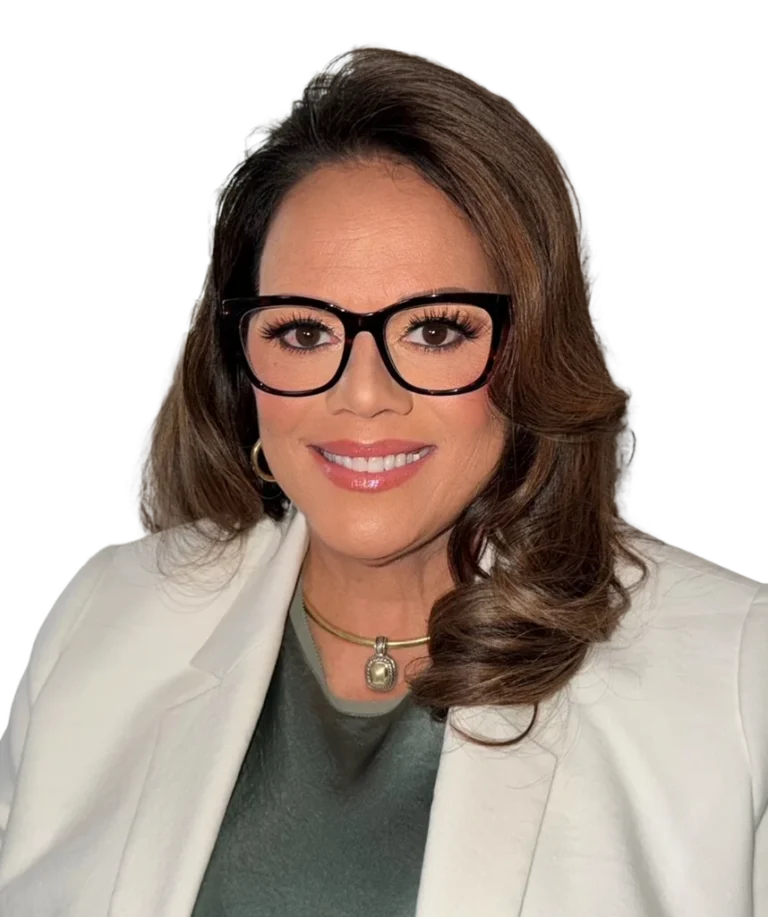
To address this, the latest episode of the Caregiving Club On Air podcast, hosted by renowned gerontologist and author Sherri Snelling, features a deep-dive conversation with Sean Fitzgerald, President of TruBlueAlly. Together, they explore the critical intersection of Older Americans Month and National Home Modification Month, shedding light on a structural deficiency that affects nearly every household in the country.
The "Peter Pan" Home Syndrome: A Structural Crisis
The core of the discussion centers on a startling statistic: of the roughly 100 million homes currently in the United States, only 1% incorporate universal design features.
In her seminal book, ME TIME MONDAY, Snelling coined the term "Peter Pan Home Syndrome." The analogy is poignant: these are homes built for people who, theoretically, will never grow old. They feature steep staircases, narrow doorways, high-maintenance landscaping, and bathrooms that are often death traps for those with mobility challenges. These homes were designed for the "idealized" adult, ignoring the inevitable biological decline that accompanies aging.

"We are building homes as if we are permanent teenagers," Snelling notes. "When the time comes to face the challenges of mobility, vision changes, or cognitive decline, the home suddenly becomes an adversary rather than a sanctuary."
Sean Fitzgerald, through his leadership at TruBlueAlly, is working to dismantle this paradigm. TruBlueAlly specializes in home modifications that prioritize safety without sacrificing the aesthetic or functional value of a property. According to Fitzgerald, the goal is not merely to "medicalize" the home with sterile-looking equipment, but to integrate smart, supportive design that allows older adults to remain in their familiar surroundings safely, independently, and with dignity.
Chronology of the Advocacy Movement
The push for better home modification standards has gained significant momentum over the last decade, evolving from a niche concern for physical therapists to a mainstream public health priority.
- Early 2010s: The "Village Movement" gained traction, focusing on community-based support systems that allowed seniors to pool resources. However, it became clear that social support was insufficient if the physical environment remained hazardous.
- 2016: Increased media attention, including features in Forbes and USA Today by experts like Snelling, began to highlight the necessity of "Dementia-Friendly" design, shifting the focus from physical safety to cognitive accessibility.
- 2023-2025: The rise of the "Sandwich Generation"—adults caring for aging parents while raising their own children—has forced a national conversation on housing. The economic strain of paying for institutional care has made home modification a fiscal necessity for middle-class families.
- May 2026: The current observance of Older Americans Month and National Home Modification Month marks a turning point where policy experts and service providers like TruBlueAlly are joining forces to demand building code updates that favor universal design.
Supporting Data: Why Modification is Not Optional
The implications of failing to adapt our homes are significant, both in human and economic terms. Data from geriatric health organizations consistently points to home-based falls as the leading cause of injury-related death among adults aged 65 and older.

- Fall Prevention: A vast majority of falls occur in bathrooms and on stairways. Simple modifications—such as the installation of grab bars, improved lighting, and walk-in showers—can reduce fall risk by nearly 50%.
- The Economic Reality: The cost of a single fall-related hospitalization can easily exceed the cost of an entire home renovation project. By investing in preventative modifications, homeowners protect their health and their life savings.
- The Mental Health Dividend: Research indicates that adults who age in place report higher levels of psychological well-being and life satisfaction compared to those who are forced to move into institutional care. The psychological tether to one’s home is a powerful buffer against depression and isolation.
The TruBlueAlly Approach: Professional Insights
During the interview, Fitzgerald emphasized that home modification should be viewed as a proactive, not reactive, process. Many families wait until a catastrophic event—a fall or a stroke—to begin thinking about ramps or doorway widenings. By then, the options are often limited by time and emotional stress.
"We look at the home as a holistic ecosystem," Fitzgerald explains. "It’s not just about adding a railing. It’s about assessing how a person moves through their space, how they interact with their kitchen, and how they navigate their entryways. We are removing the friction that prevents people from living their best lives."
TruBlueAlly’s service model is designed to alleviate the burden on caregivers. By providing a "one-stop-shop" for safety assessments and high-quality craftsmanship, they bridge the gap between the healthcare system and the construction industry.
The Evolution of the Caregiving Club
The Caregiving Club On Air podcast itself has become a vital resource for this movement, recently reaching the #3 spot in Feedspot’s rankings for top caregiving podcasts. This milestone reflects the growing demand for expert-led, compassionate, and practical advice on the complexities of caregiving.

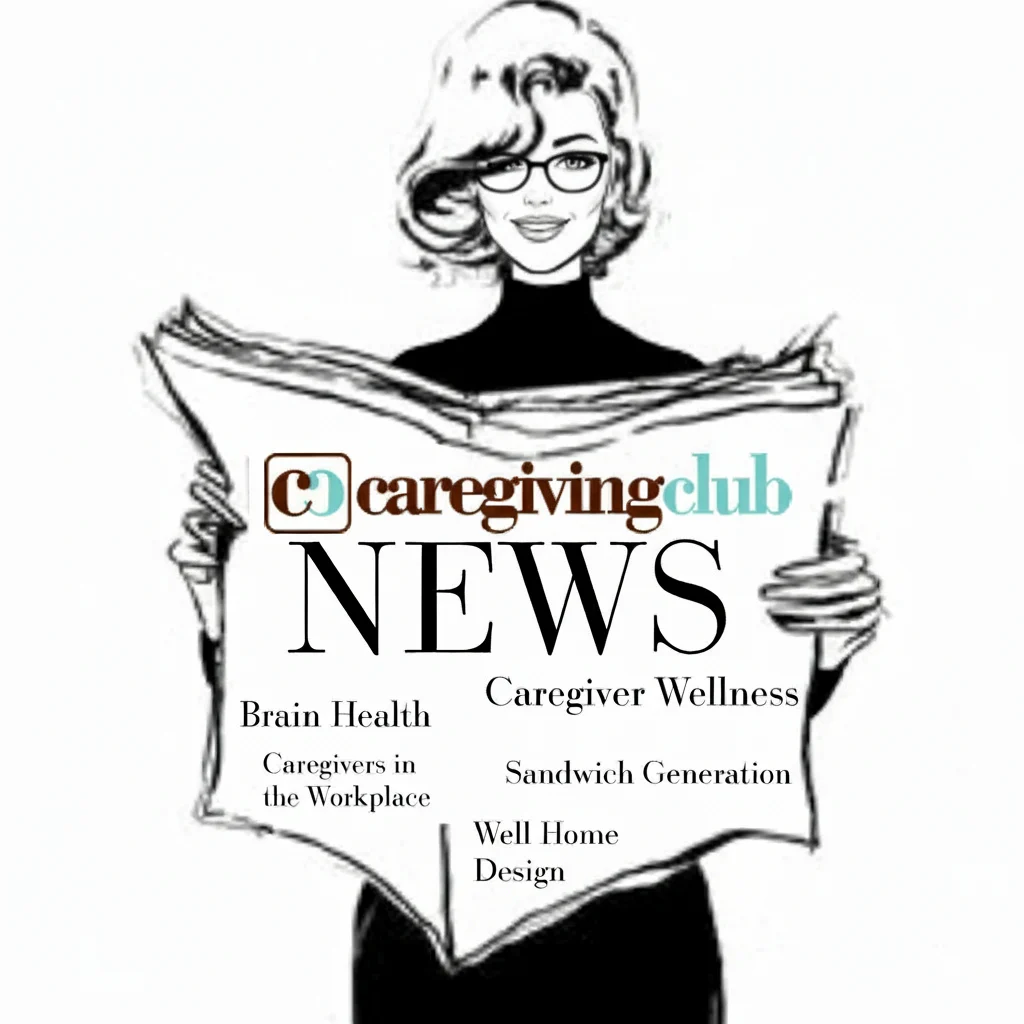
As the program enters its 6th season, the team is expanding its reach. A new dedicated YouTube channel, Caregiving Club News, is set to house segments that were previously part of the podcast, including:
- Well Home Design News: Deep dives into how architecture and design influence health.
- Caregiver Wellness News: Practical hacks and mental health support for those navigating the challenges of care.
- Workplace Advocacy: Strategies for the Sandwich Generation to balance professional responsibilities with caregiving.
Implications for the Future
The message from the episode is clear: we must stop designing homes for the "idealized" self and start designing for the "actual" self. As the U.S. population continues to age, the lack of universal design is a systemic failure that policy, industry, and individual homeowners must rectify together.
The implications of this shift are twofold. First, it requires a cultural change where we view our homes as living, breathing environments that must evolve alongside us. Second, it requires the normalization of home modification as a standard maintenance task, much like repairing a roof or painting a wall.
For those looking to take the first step, the Caregiving Club recommends utilizing resources like the Elder Care Locator (eldercare.gov) to find local professionals and agencies. Whether it is through the "Self-Care in 7 Minutes" video series or reading through the extensive library of articles on biophilic design and fall prevention, the tools to build a safer future are available.

The collaboration between experts like Sherri Snelling and practitioners like Sean Fitzgerald serves as a blueprint for a society that values the independence of its elders. As we observe Older Americans Month, the challenge is simple: look at your own home and ask if it is prepared for the decades to come. If the answer is no, the time to modify is not tomorrow—it is today.
Resource Directory
For readers seeking further guidance on creating a safer, more sustainable home environment, the following resources are recommended:
- TruBlueAlly: trublueally.com – Expert home modification services.
- Elder Care Locator: eldercare.gov – Your portal to local aging-in-place resources.
- Me Time Monday: caregivingclub.com/me-time-monday-book/ – Sherri Snelling’s guide to managing the emotional and physical journey of caregiving.
- Caregiving Club YouTube Channel: youtube.com/@caregivingclub – Ongoing education on wellness, design, and advocacy.
By prioritizing the intersection of health, design, and advocacy, we can ensure that our homes remain places of comfort and safety, no matter what stage of life we are in.