By Investigative Correspondent
For millions of Americans, chronic pain is not merely a physical sensation; it is a structural architect of their daily existence. It builds walls around social interactions, restricts professional mobility, and imposes rigid, non-negotiable routines. For Michele Rice, a long-time advocate within the chronic pain community, these "invisible boundaries" were once a defining feature of her life. However, a recent transition into a leadership role with the U.S. Pain Foundation has challenged the narrative that chronic illness necessitates a life lived within narrow, static lines.
The Architecture of Living with Pain
Chronic pain—defined by the CDC as pain that lasts for three months or longer—affects an estimated 50 million adults in the United States. The implications of this condition extend far beyond the physiological. Patients often report "pain-related isolation," a psychological state where the effort required to navigate a day leaves little room for external connection.
For Rice, mornings were the primary boundary. "Living with chronic pain has a way of quietly drawing lines around your life," she writes. "Some of those lines are physical. Some are emotional. Some are routines we build to survive the day. Over time, those lines can start to feel permanent—like invisible boundaries that define what we can and cannot do."
The inertia of a body dealing with systemic inflammation or nerve pain often makes the early hours of the day the most formidable. For many, the transition from sleep to wakefulness is not a fresh start, but a negotiation with stiffness, fatigue, and the "loud" presence of pain.
A Chronology of Change: From Reluctance to Leadership
The shift in Rice’s trajectory began with a simple, urgent necessity. When the U.S. Pain Foundation found itself in need of a new facilitator for its daily virtual peer support group, the position represented a direct conflict with Rice’s carefully managed morning routine.
- The Impetus: The foundation’s daily morning meetings serve as a critical infrastructure for those who feel alienated by traditional healthcare settings. Without a facilitator, the group risked dissolution.
- The Decision: Rice chose to bypass the typical risk-assessment process. "I didn’t stop to analyze whether I was capable of doing it. I didn’t weigh the pros and cons," she recalls. The decision was rooted in a sense of community responsibility rather than personal comfort.
- The Adjustment Period: The initial weeks were defined by significant physical and mental strain. Adjusting to a strict morning schedule required Rice to override the protective instincts of her own body, which had been conditioned to prioritize rest and energy conservation above all else.
- The Transformation: Over the course of several months, the dynamic shifted. The role evolved from a burdensome task into a symbiotic relationship. Rice discovered that the act of providing support acted as a form of reciprocal healing, effectively blurring the lines she had once assumed were permanent.
Supporting Data: The Efficacy of Peer-Led Intervention
The U.S. Pain Foundation’s model is backed by a growing body of research concerning "peer-to-peer support." According to the Journal of Pain Research, social support is a critical determinant in the management of chronic conditions. It serves as a buffer against the mental health comorbidities often associated with long-term pain, such as clinical depression and anxiety.
Peer support groups provide three distinct benefits:
- Validation: In a world that often minimizes "invisible" illnesses, having one’s experiences acknowledged by peers provides essential psychological grounding.
- Resource Exchange: Participants share practical, non-clinical tips for managing symptoms, ranging from ergonomic adjustments to mindfulness techniques.
- Community Resilience: The collective experience of "showing up" despite physical limitations creates a shared identity that fosters individual endurance.
Data from the Foundation suggests that consistent participation in these groups correlates with higher levels of self-efficacy—the belief in one’s ability to succeed in specific situations or accomplish a task. By logging on daily, participants are not just talking; they are engaging in a behavioral activation therapy that combats the isolation of chronic illness.
Official Perspectives: The Role of Community in Pain Management
Health professionals increasingly recognize that the "biopsychosocial" model of pain management is the gold standard. While medication and physical therapy address the "bio," peer support groups fill the "psycho" and "social" gaps.
"We are seeing a paradigm shift," notes a spokesperson for the U.S. Pain Foundation. "We are moving away from the idea that the patient is a passive recipient of care. When a patient like Michele steps into a leadership role, they become an active participant in their own recovery and a beacon for others. The group doesn’t just survive because of the facilitator; it thrives because of the collective vulnerability of its members."
The Foundation emphasizes that the "infrastructure" of these groups—the daily schedule, the video presence, the guided conversation—provides a sense of normalcy. For those whose lives have been fractured by chronic illness, this predictability is a powerful therapeutic tool.
The Implications of "Growing Outside the Lines"
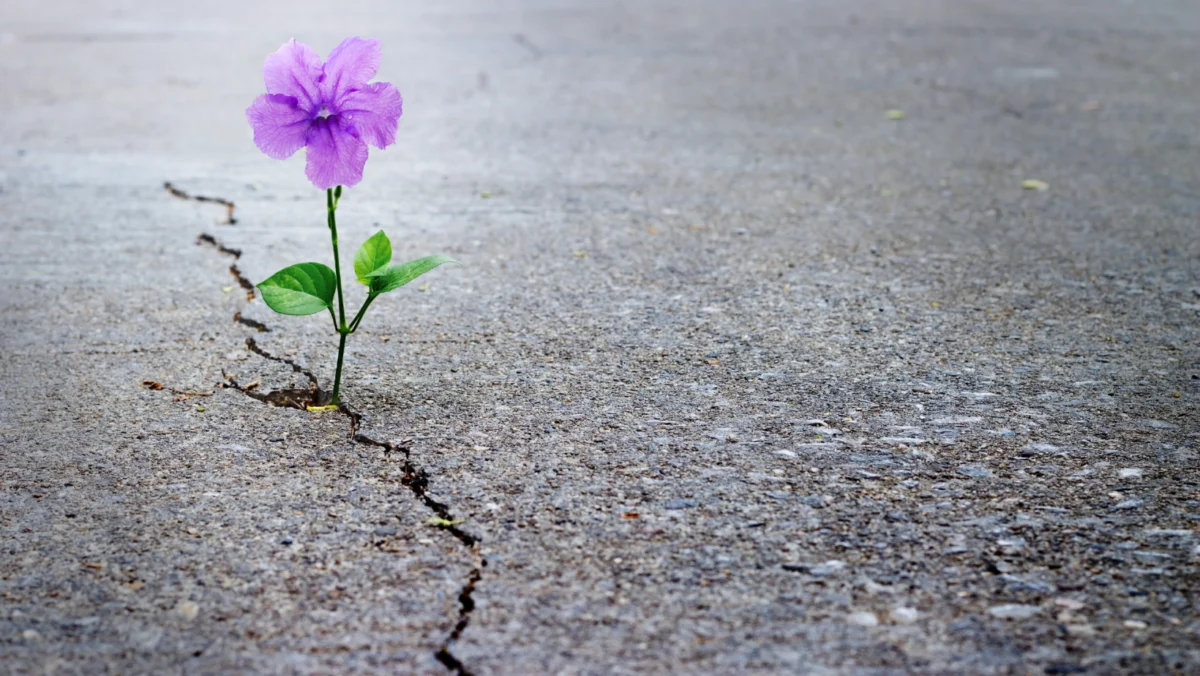
The story of Michele Rice serves as a broader metaphor for the chronic pain community at large. The implication is profound: the boundaries imposed by illness are often more flexible than they appear.
Breaking the Cycle of Isolation
By engaging with others, individuals living with pain can break the cycle of self-imposed isolation. Rice’s experience highlights that the "energy cost" of community engagement is often offset by the emotional and psychological gains. The act of "showing up" acts as an anchor for the rest of the day.
Redefining Growth and Success
Society often defines "growth" through the lens of productivity—climbing ladders, meeting deadlines, or achieving physical milestones. For those with chronic illness, success is often redefined as the ability to maintain one’s humanity and connection in the face of persistent pain. As Rice notes, "Sometimes growth doesn’t look like climbing a mountain or running a marathon. Sometimes growth looks like logging on to a morning support group."
The Reciprocity of Support
Perhaps the most significant takeaway from this experience is the realization that the helper is often helped. In a support group, the "facilitator" is not a superior, but a peer who has agreed to take on a role of service. This creates a horizontal structure of equality where every member contributes to the emotional health of the group.
Conclusion: A New Framework for Living
The chronic pain journey is often characterized by loss—the loss of the life one had, the loss of physical capacity, and the loss of future expectations. However, by stepping outside the rigid lines of her former routine, Michele Rice has discovered a new framework for living.
The U.S. Pain Foundation’s daily meetings prove that chronic illness does not have to be an isolating experience. Through intentional, consistent, and compassionate community building, individuals can rewrite the narrative of their lives. While the pain may remain, its ability to dictate the boundaries of one’s world is significantly diminished when faced with the resilience of a supportive community.
For those currently living within their own "invisible lines," the message is clear: growth is possible. It does not require a cure to find purpose, and it does not require a pain-free day to offer a helping hand. Sometimes, all it takes to start moving beyond the boundaries is a camera, a connection, and the simple, powerful act of saying, "Good morning."