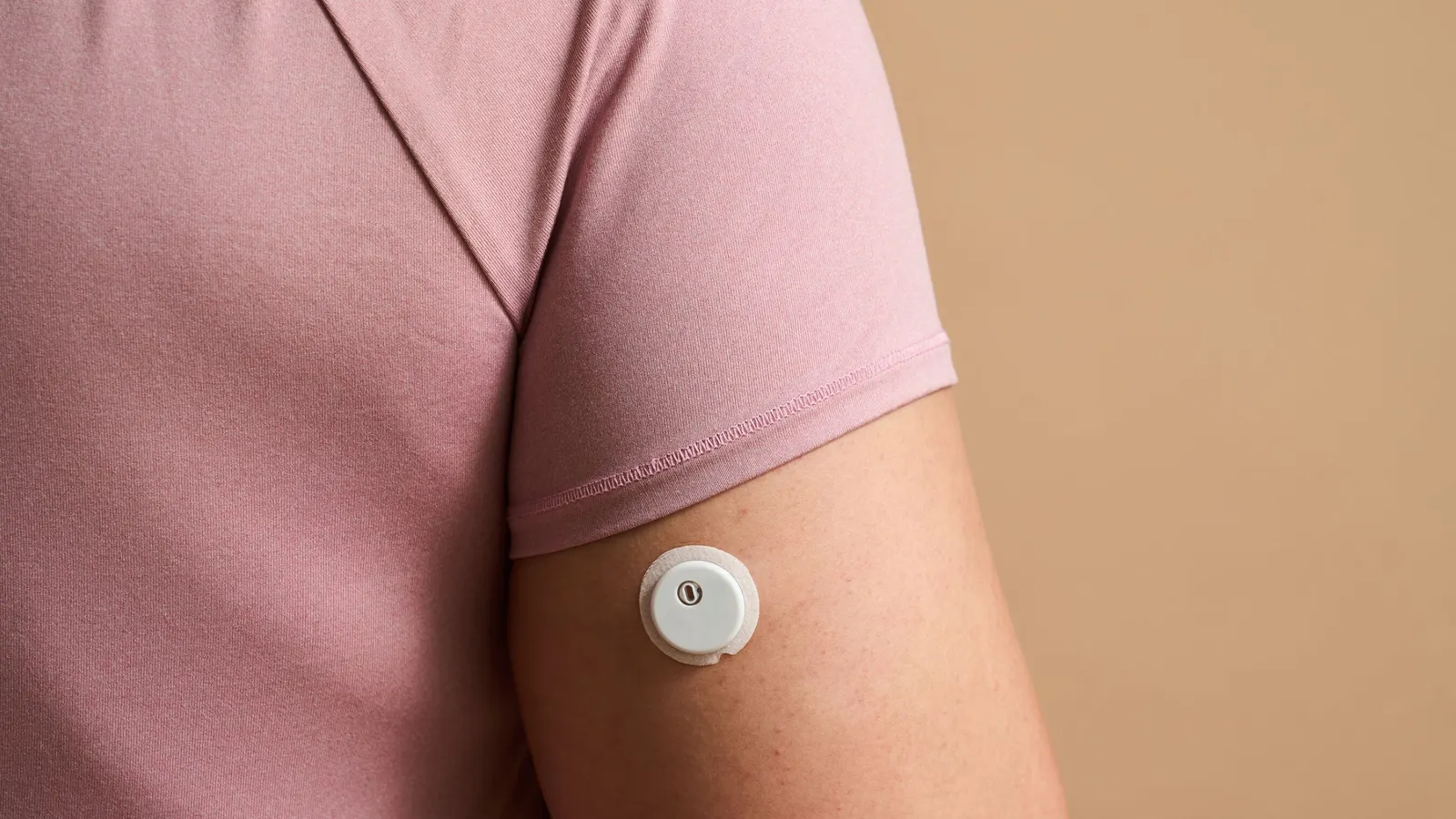
In a landmark advancement for diabetes technology, Abbott has received FDA de novo authorization for the Libre Duo 10 Day, the first continuous monitoring system capable of tracking both glucose and ketones in a single device. This breakthrough represents a significant departure from traditional management strategies, potentially sparing thousands of patients from the life-threatening complications associated with diabetic ketoacidosis (DKA).
Main Facts: The Dual-Analyte Innovation
The Libre Duo 10 Day is a compact, wearable sensor designed for a 10-day wear cycle. Unlike previous iterations of continuous glucose monitors (CGMs) that focus exclusively on glycemic control, the Libre Duo integrates a secondary biosensing capability. By providing real-time, continuous data on ketone levels—a byproduct of fat breakdown that can lead to systemic toxicity when insulin is insufficient—the device offers a proactive rather than reactive safety net.
The device is cleared for use by individuals ages two and older. Its primary objective is to identify "clinically meaningful" shifts in ketone levels long before they progress to DKA. By integrating this functionality into the existing Libre ecosystem, Abbott is streamlining the patient experience, effectively combining two disparate diagnostic workflows into one adhesive patch.
Chronology: The Path to Authorization
The development of the Libre Duo 10 Day follows years of intensive research and regulatory dialogue. The timeline toward this milestone reflects the rigorous safety standards required for "integrated" medical devices:
- Initial Research and Development: Abbott focused on the miniaturization of dual-analyte sensors, aiming to maintain the small form factor of the Libre line while doubling the diagnostic utility.
- Clinical Trial Phase: To secure FDA approval, Abbott conducted six clinical studies involving over 600 participants. These trials were designed to establish not only the accuracy of the glucose readings but the reliability of the ketone sensing mechanism under various physiological conditions.
- Regulatory Submission: Following successful trial outcomes, the data was submitted under the de novo pathway, which is reserved for innovative devices that have no existing predicate.
- FDA Authorization (August 2026): The FDA confirmed that the device met the stringent standards for both integrated continuous glucose monitoring (iCGM) and a new, specialized category for integrated continuous glucose and ketone monitoring.
- The Rollout Strategy: Abbott has announced plans for a phased commercial rollout beginning in late 2026, with major integrations into Automated Insulin Delivery (AID) systems planned through 2027.
Supporting Data: Clinical Efficacy
The clinical significance of the Libre Duo 10 Day lies in its ability to fill a major gap in the current standard of care. Historically, patients were instructed to manually test their ketones using urine strips or blood meters only when they felt ill or observed high glucose readings. This approach is fraught with human error: patients often fail to test, or they mistake early symptoms of DKA—such as nausea, fatigue, or excessive thirst—for the flu or other viral infections.
The data presented to the FDA confirmed that the Libre Duo 10 Day provides:
- Precision Tracking: High correlation with laboratory-grade ketone measurements over the full 10-day duration.
- Early Warning Capability: The system demonstrated an ability to detect elevated ketones before the onset of symptomatic DKA, allowing for clinical intervention—such as hydration, supplemental insulin, or professional medical consultation—to occur at the earliest possible stage.
- Stability in Diverse Demographics: The trial population, spanning ages from toddlers to adults, proved that the sensor’s adhesive and sensing technology remains robust across various activity levels and skin types.
Official Responses: Perspectives from Abbott
Alisa Schiffman, Senior Medical Director for Abbott Diabetes Care, underscored the human element of this technological leap. In an interview, Schiffman highlighted that the primary goal of the Libre Duo 10 Day is to reduce the burden of emergency room visits.
"We are moving the goalposts from managing numbers to preventing crises," Schiffman noted. She emphasized that while the technology is sophisticated, its primary value is its ability to provide peace of mind to patients and caregivers. When asked about accessibility, she acknowledged the elephant in the room: cost and insurance coverage. While specific pricing remains undisclosed, Abbott has indicated a commitment to working with payers to ensure the device is not treated as a luxury, but as a standard-of-care tool for those at risk of DKA.

Implications: The Future of Automated Insulin Delivery (AID)
The Libre Duo 10 Day is not merely a standalone diagnostic tool; it is designed to be the "brain" of the future AID ecosystem. By meeting the FDA’s new standards for integrated systems, the sensor can communicate directly with insulin pumps to adjust delivery based on both glucose trends and ketone presence.
Integration Timeline
The industry is watching closely as Abbott begins its integration partnerships:
- 2026 Partnerships: The device will launch with compatibility for Beta Bionics’ iLet and Sequel Med Tech’s twiist AID systems.
- 2027 Expansion: Further integrations are scheduled for industry giants, including Insulet (Omnipod), Tandem Diabetes Care, and Medtronic (MiniMed).
The partnership with Medtronic is particularly notable, as it involves a bespoke version of the sensor designed exclusively for the MiniMed platform, signaling a strategic consolidation of the CGM market.
Challenges and Considerations: The "Cost" Question
Despite the technological fanfare, the medical community remains cautious regarding the practical implementation of the device. Industry analysts have pointed to three critical areas that will determine the success of the Libre Duo:

- Reimbursement Hurdles: Will private insurers and Medicare classify the dual-analyte sensor as a standard CGM, or will they view it as a higher-cost premium device? If the reimbursement gap is too large, patient adoption could be stifled.
- Alert Fatigue: With continuous monitoring, there is an inherent risk of "alarm fatigue." If the device alerts users too frequently, patients may experience burnout. Abbott must ensure that the software algorithms are tuned to prioritize only clinically actionable alerts.
- Education and Training: The shift from glucose-only management to glucose-and-ketone management requires a paradigm shift in patient education. Healthcare providers will need to be trained on how to interpret this new stream of data to avoid unnecessary clinical interventions.
Conclusion: A New Horizon in Diabetes Care
The introduction of the Libre Duo 10 Day marks a definitive moment in the evolution of digital health. By moving toward a more holistic view of metabolic health—one that accounts for both the sugar fueling the body and the ketones produced when that fuel is improperly processed—Abbott has set a new standard for the industry.
While the coming months will reveal the nuances of pricing and insurance coverage, the clinical promise of the device is undeniable. For millions living with diabetes, the prospect of a "safety net" that monitors their metabolism in the background, offering alerts before a minor issue becomes a medical emergency, is a transformative development. As the device rolls out to the market, it will likely reshape not only how patients manage their daily lives but how physicians approach the long-term treatment of diabetes, shifting the focus from crisis management to sustained, proactive metabolic stability.