In an era defined by economic volatility and the erosion of social safety nets, the struggle to put food on the table has moved from the margins of American discourse to the center of the national policy debate. In September 2025, this critical issue took center stage in Flagstaff, Arizona, where the Flagstaff Family Food Center (FFFC) convened experts and stakeholders to discuss the urgent need for structural change. The gathering served as a backdrop for the release of the organization’s landmark 2025 Northern Arizona Food Equity Report—a document that combines rigorous data analysis with the visceral reality of lived experience to expose the systemic nature of hunger in the American Southwest.
The State of Food Insecurity in 2025: A Chronology of Crisis
The trajectory of food insecurity in Northern Arizona over the past several years has been marked by a transition from temporary pandemic-era instability to chronic, long-term hardship.
In early 2024, the FFFC began observing a shift in their demographic service data. Where previously food bank reliance was tied to sudden job loss or medical emergency, the organization began recording a steady influx of the "working poor"—individuals and families maintaining full-time employment who were nonetheless unable to bridge the gap between their wages and the escalating costs of basic survival.
By late 2024, the FFFC initiated the research project that would culminate in the 2025 Northern Arizona Food Equity Report. This was not merely a logistical survey; it was an ambitious effort to reach into the most isolated rural and tribal communities in the region. Throughout the first half of 2025, the research team conducted outreach, synthesizing quantitative data from government assistance programs with qualitative interviews from those navigating the food landscape.
The culmination of this research was presented in September 2025. The event featured a keynote address titled "Anti-Hunger Politics 2025: Planting Seeds for Resilience," which challenged local and regional leaders to rethink the "charity model" of food distribution and move toward a policy-driven framework that addresses the root causes of hunger.
Unmasking the Data: The Economic Reality of Northern Arizona
The 2025 Northern Arizona Food Equity Report provides a sobering look at a region where economic prosperity for some masks a deepening chasm of inequality for many. The report highlights several key data points that challenge the traditional narrative of food insecurity.
The Myth of the "Living Wage"
The data reveals a "shocking truth," as described by contributors to the report: employment is no longer a guaranteed shield against hunger. In Northern Arizona, the convergence of stagnant wages and hyper-inflated costs for housing, utilities, and fuel has created a "trap" for the working class. Even households with multiple earners are frequently forced to choose between paying rent and purchasing nutritious food.
Vulnerability Among the Most At-Risk
The report underscores that while hunger is a broad societal failure, its most acute effects are concentrated among:
- Children: Food insecurity during developmental years is linked to long-term cognitive and physical health deficits.
- The Elderly: Seniors on fixed incomes, particularly those in rural areas with limited access to grocery stores, are increasingly reliant on food centers.
- The Disabled: This demographic faces the dual burden of high medical costs and limited access to the labor market, making them particularly sensitive to cuts in public assistance.
The Geographic Burden
Unlike urban food insecurity, which is often addressed through proximity to pantries and programs, the rural and tribal communities of Northern Arizona face a "logistics of hunger." Distance from distribution centers, the high cost of transportation, and the unique cultural context of food sovereignty on tribal lands require a nuanced approach that the report argues has been historically neglected by state and federal planners.
Official Perspectives and the "Siege" on Public Assistance
The 2025 Northern Arizona Food Equity Report does not shy away from the political dimensions of the hunger crisis. A central theme throughout the document is the precarious state of government-funded safety nets.
Public assistance programs, specifically the Supplemental Nutrition Assistance Program (SNAP) and the Special Supplemental Nutrition Program for Women, Infants, and Children (WIC), are currently facing intense political pressure. Proponents of austerity have targeted these programs for budget reductions, arguing that they create dependency.
However, the FFFC and its partners argue the opposite: that these programs are the only thing preventing a humanitarian catastrophe. As the report notes, private charitable organizations—despite their best efforts—are fundamentally ill-equipped to replace the scale of federal support. The "charity model," which relies on donations and volunteer labor, is designed to fill temporary gaps, not to sustain an entire population in the face of systemic economic failure.
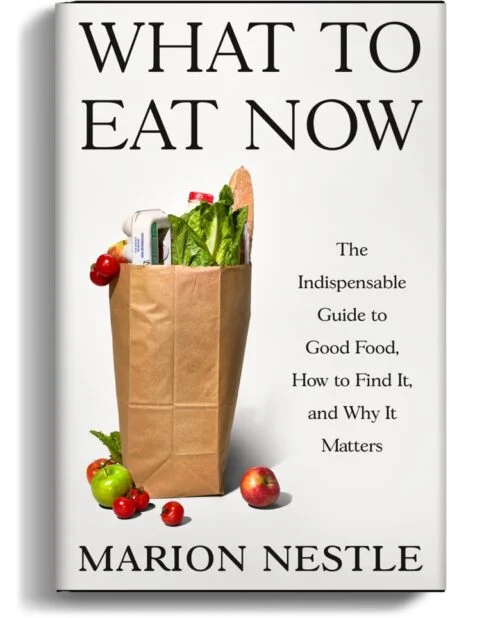
In his Foreword to the report, noted food policy expert Marion Nestle emphasizes this sentiment:
"Today, government food assistance programs like SNAP and WIC are under siege and targeted for cuts, not increases. Private groups like FFFC do the best they can to fill the gaps and meet the ever-increasing demands for food assistance."
Implications: The Path Forward for Policy and Resilience
The implications of the 2025 Northern Arizona Food Equity Report are profound. It suggests that the current trajectory is unsustainable and that a "resilience-based" approach is necessary for the future of the region.
From Charity to Equity
The report advocates for a shift in the philosophy of food justice. Instead of viewing food banks as the primary solution, the authors argue for policy interventions that include:
- Wage Reform: Ensuring that full-time employment provides a sufficient income to cover the "Cost of Living" indices specific to the high-rent environment of Northern Arizona.
- Infrastructure Investment: Improving transportation networks to allow better access to fresh, healthy foods in rural and tribal regions.
- Preserving Public Programs: Defending SNAP and WIC against legislative efforts to limit eligibility or reduce benefit levels, recognizing these programs as the "bedrock" of food security.
The Role of Lived Experience
A defining strength of this report is its integration of "lived experience." Too often, policy decisions are made in bureaucratic boardrooms without input from those who rely on the programs being debated. The FFFC has set a new standard by elevating the voices of community members, ensuring that the proposed solutions are grounded in the actual, day-to-day realities of those struggling with food insecurity.
Conclusion: A Call to Action for Stakeholders
The 2025 Northern Arizona Food Equity Report is more than just a collection of statistics; it is an urgent call to action. It serves as a reminder that hunger is not an inevitability, but a policy choice. As Northern Arizona grapples with these challenges, the work of the Flagstaff Family Food Center stands as a model for how local organizations can leverage data, community trust, and moral clarity to influence the national conversation.
For policymakers, the message is clear: the current "tough times" in America require bold, clear-headed thinking. We cannot continue to ignore the realities of the working poor or the vulnerabilities of our children and elderly. By focusing on food equity, we are not just feeding people today; we are planting the seeds for a more resilient, equitable society for tomorrow.
To read the full findings and explore the data sets, the 2025 Northern Arizona Food Equity Report is available online. It remains an essential document for anyone seeking to understand the complex, evolving, and critical landscape of food security in the 21st century.