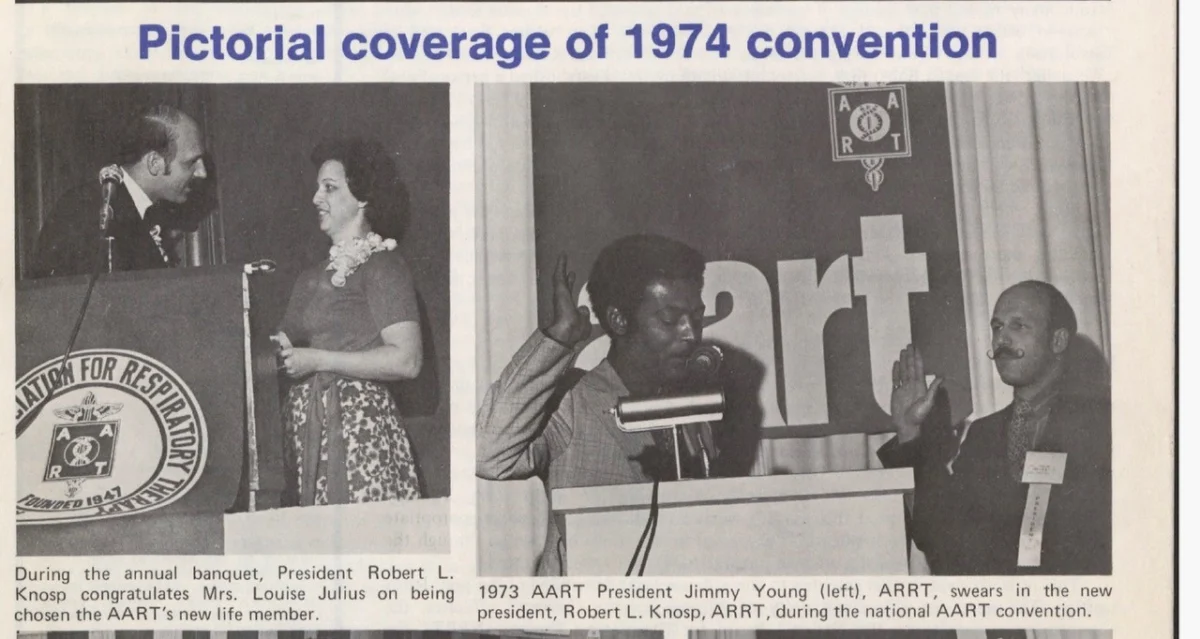
The American Association for Respiratory Care (AARC) has long served as the backbone of pulmonary medicine, and at the pinnacle of its recognition stands the Jimmy A. Young Award. Named in honor of the late AARC president whose visionary leadership transformed the profession, this award is not merely a token of achievement; it is the highest honor the organization bestows. It recognizes those rare individuals who have transcended daily clinical duties to make sustained, systemic contributions that reshape the landscape of respiratory care.
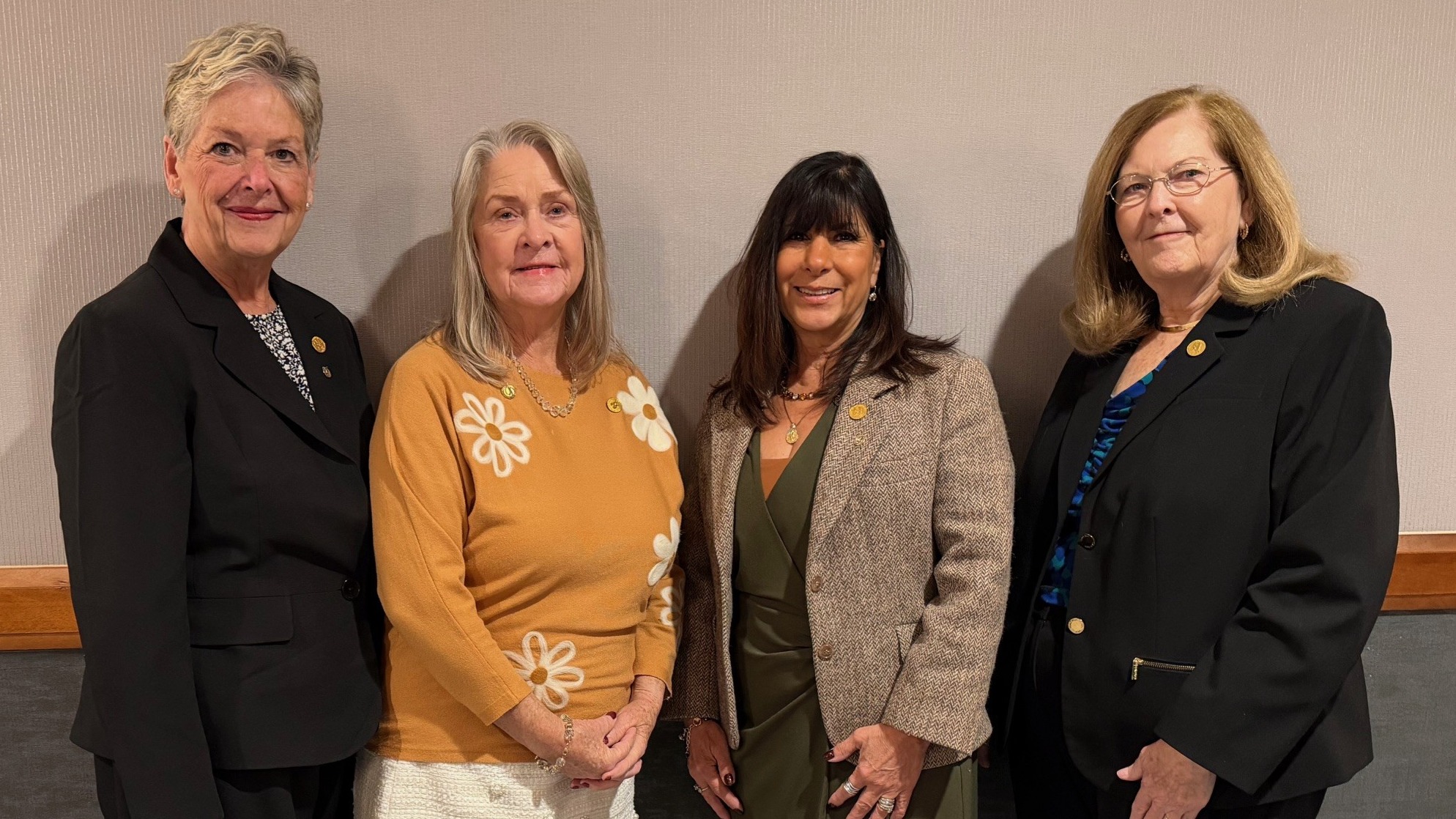
Recently, Lisa Weisenberger, AARC Director of Content and Communications, facilitated a profound retrospective dialogue with four of the five women who have received this prestigious honor: Dianne Lewis, MS, RRT, FAARC (2025); Trudy Watson, BS, RRT, FAARC (2018); Margaret Traband, MEd, RRT, FAARC (2011); and Teresa Volsko, MBA, MHHS, LSSBB, RRT, FAARC (2020). The fifth recipient, Louise Julius, holds a distinct place in history as a 1988 co-recipient alongside her husband, John. This conversation serves as a bridge between the founding pillars of the profession and the future leaders currently entering the workforce.
A Legacy of Service: The Roots of Excellence
For the recipients of the Jimmy A. Young Award, the path to national recognition was rarely a straight line. Instead, it was defined by a quiet, persistent commitment to service that often began in the trenches of local practice.
Dianne Lewis, the most recent recipient in the group, reflects on her early days in the House of Delegates. Her career is marked by a fundamental shift in how the profession communicates standards of care. Lewis was a driving force on the Clinical Practice Guidelines Steering Committee, a body that fundamentally altered the consistency of patient treatment. "My group wrote and published the first clinical practice guideline for the association," Lewis recalled. This was not just a bureaucratic achievement; it was a watershed moment that helped standardize life-saving care for patients across the United States, providing a uniform language for respiratory therapists (RTs) nationwide.
Margaret Traband, who has been an AARC member since 1972, offers a grounded perspective on the nature of ambition. For her, the award was never the target; the work was. "We began with our state societies," Traband explains. "You don’t do it looking for what else you need to check off a list to get an award. You’re just moving ahead where you think you can do the most good." This philosophy—a focus on service over status—remains the hallmark of those who earn the Jimmy A. Young Award.
Breaking the Glass Ceiling: A Changing Landscape
While women represent a vast majority of the healthcare workforce, the history of leadership in respiratory care—like many medical specialties—was once dominated by men. The journey of these four women mirrors the broader shift in gender dynamics within high-stakes medical fields.
Trudy Watson and Teresa Volsko both highlight that the transition to female leadership was not merely a matter of time, but a matter of changing the internal culture of the profession. Volsko, in particular, notes that the scarcity of leadership seats in the late 1970s and 80s created a "scarcity mindset."
"In 1979, if you were invited to the table, you didn’t dare bring another woman up with you because there was only one or two seats," Volsko shared. "Now, we have the power to change that landscape from being competitive to really lifting each other up." This evolution from competitive gatekeeping to collective mentorship has been a defining feature of the AARC’s progress over the last four decades. By fostering an environment where leaders actively "pull up" their successors, the profession has ensured that institutional knowledge is preserved and that the next generation of women is better positioned for success than the last.
The Roadmap for the Next Generation
During their retrospective, the recipients offered a "manifesto" for new RTs. Their advice, born from decades of clinical and administrative experience, focuses on three core pillars: networking, preparedness, and bedside leadership.
1. Mastering the Art of Networking
Trudy Watson emphasizes that professional visibility is essential. In a field as collaborative as respiratory care, being an excellent clinician is not enough if you are unknown to the wider network. Watson encourages young RTs to engage not only within their home institutions but also with allied organizations like the American Lung Association. "Get involved so your name is known and you are trusted within your own organization," Watson advises. Networking is presented here not as self-promotion, but as a mechanism for building the trust required to implement change.
2. The Value of Being Over-Prepared
Margaret Traband recalls the "Journal Clubs" of the 1970s—informal but rigorous gatherings where therapists would dissect the latest research. This commitment to intellectual curiosity remains vital. "Being over-prepared is status quo for most of us," Traband says. In a high-stakes environment where every second counts, a therapist’s ability to articulate the "why" behind their clinical actions is what earns them the respect of the interdisciplinary team.
3. Leading from the Bedside
Perhaps the most empowering lesson offered by the group is that leadership is not a title—it is an action. Teresa Volsko reminds the next generation that the clinical role is the foundation of all respiratory care. "Don’t let the fact that you have the title of a clinical respiratory therapist stop you from doing great things," she says. "Lead where you are." By treating the bedside as a site of leadership, RTs can influence patient outcomes, team dynamics, and hospital policy without waiting for a promotion to executive leadership.
Challenges and the Horizon Ahead
The profession of respiratory care currently stands at a critical juncture. The demand for skilled RTs is growing exponentially, driven by an aging population and an increased focus on chronic lung health. However, this growth comes with significant structural pressures.
Dianne Lewis points out that the next decade offers an unprecedented number of job opportunities, yet the industry faces a potential bottleneck. Trudy Watson highlights the critical issue of recruitment: "Finding the students to fill the seats in the classroom" is a central challenge to meeting the future demand for respiratory services. If the pipeline of talent does not match the growth in demand, the resulting strain on the existing workforce could be severe.
Furthermore, the post-pandemic era has cast a long shadow of burnout. The recipients addressed this with empathy and pragmatism. Margaret Traband, speaking to those currently weathering the storm of high-acuity care, offers a reminder of the inherent value of the profession: "The further away you get from the bedside, the less positive reinforcement happens. Take the time to reflect at the end of the day. Know that you’ve alleviated breathlessness and calmed patients. Steep in that moment."
Implications for the Future of AARC
The Jimmy A. Young Award recipients represent more than just individual success; they represent the institutional memory of the AARC. As the profession navigates the complexities of modern medicine—ranging from advanced ventilator technology to the challenges of remote patient monitoring—the lessons shared by Lewis, Watson, Traband, and Volsko remain evergreen.
The implications for the AARC and the broader profession are clear:
- Mentorship is a Mandate: The transition from "one seat at the table" to a collaborative model must be sustained by current leadership.
- Standardization is Vital: As shown by Lewis’s work on clinical guidelines, the future of the profession relies on creating, implementing, and updating evidence-based protocols.
- Integration is Key: The profession must continue to expand its influence beyond the hospital walls, connecting with public health entities and educational institutions to ensure a steady influx of new talent.
Ultimately, the Jimmy A. Young Award is a tribute to those who refused to accept the status quo. These four women have shown that a lifetime of professional advocacy is built on the simple, persistent act of showing up—at the bedside, in the committee room, and in the classroom. As the profession moves forward, the legacy of these leaders serves as both a foundation and a compass, pointing toward a future where respiratory therapists are not only healers but architects of the healthcare systems they serve.
In the words of these recipients, the path is clear: stay curious, stay prepared, and never underestimate the power of leading from wherever you stand. The future of respiratory care is bright, provided it continues to be guided by the spirit of service that defined Jimmy A. Young himself.