









In the United States, the concept of "home" is intrinsically linked to independence and security. Yet, for millions of older adults, the physical structures they inhabit often become obstacles rather than sanctuaries. As we observe Older Americans Month and National Home Modification Month this May, the spotlight turns to a critical intersection of gerontology, architecture, and personal safety.
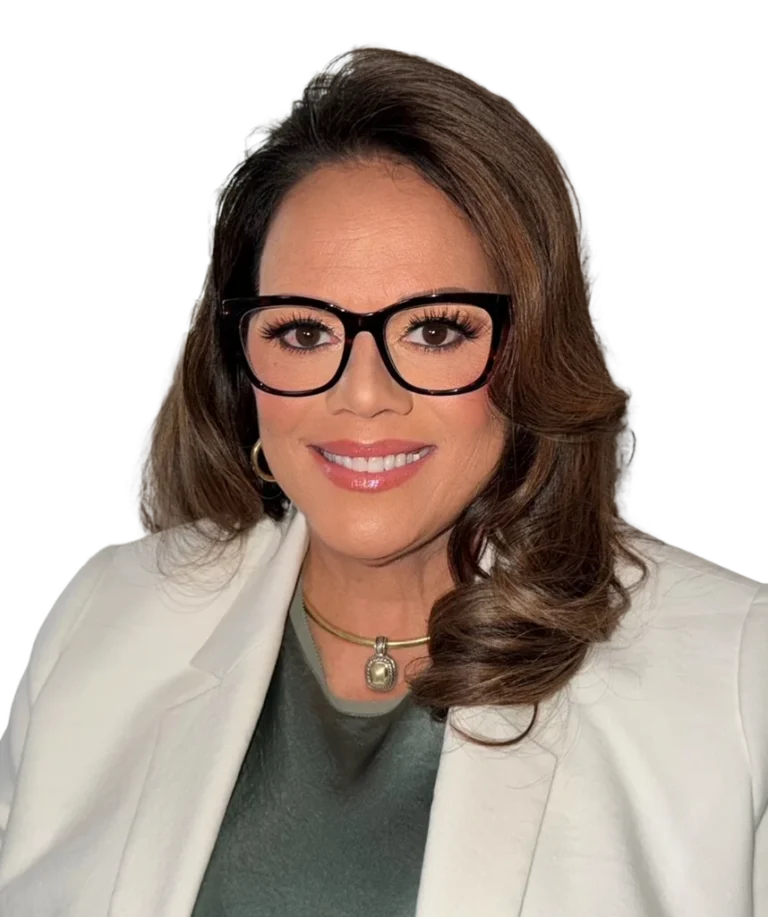
In the latest episode of the Caregiving Club On Air podcast, host Sherri Snelling—a renowned gerontologist, author, and CEO of the Caregiving Club—sits down with Sean Fitzgerald, President of TruBlueAlly. Their conversation strikes at the heart of a national crisis: the dangerous mismatch between our aging population and our built environment.
The "Peter Pan Home Syndrome"
The central theme of the discussion is what Snelling aptly describes in her book, ME TIME MONDAY, as "Peter Pan Home Syndrome." It is a phenomenon where homes are designed for people who will supposedly never grow old.
"We are living in a country with over 100 million homes, yet only 1% of them feature universal design elements," Snelling notes. This staggering statistic reveals a systemic failure in urban planning and residential construction. When homes are built without accessibility in mind—lacking walk-in showers, proper lighting, or stair-free entries—they essentially force older adults into premature institutional care or, worse, expose them to preventable home accidents like falls.

Sean Fitzgerald, through his work at TruBlueAlly, is spearheading the effort to dismantle this syndrome. By integrating professional home modification services with a deep understanding of geriatric needs, TruBlueAlly is transforming traditional houses into environments that support aging in place.
Chronology of a Housing Crisis
To understand why this issue is reaching a boiling point, one must look at the historical trajectory of American housing:
- The Post-War Boom: Much of the current housing stock in the U.S. was built between 1950 and 1980, an era that prioritized aesthetic and economic efficiency over long-term accessibility.
- The Rise of Longevity: Advances in medical science have significantly increased human lifespan. However, the built environment has not evolved at the same pace to accommodate the physical changes associated with aging, such as reduced mobility or vision loss.
- The Modern Caregiving Burden: As the "Sandwich Generation"—those caring for both aging parents and children—has grown, the home has become the primary site of care. The lack of infrastructure in these homes puts immense physical and emotional stress on family caregivers.
- Current Shift: Today, organizations like TruBlueAlly are shifting the narrative from "reactive modification" (making changes only after a fall or injury) to "proactive planning," ensuring that safety features are installed before they are desperately needed.
Supporting Data: The Case for Modification
The data supporting the need for universal design is overwhelming. Falls are the leading cause of injury-related death among older adults in the U.S. According to the CDC, one in four Americans aged 65 and older reports a fall each year.
The economic implications are equally significant. Hospitalization and long-term care facilities carry exorbitant costs for both families and the healthcare system. By investing in home modifications—such as grab bars, wider doorways, smart lighting, and zero-threshold entryways—families can save tens of thousands of dollars annually while significantly improving the quality of life for the resident.

"It is not just about convenience," Fitzgerald explains. "It is about creating a space that works for the human body as it changes. When we remove barriers, we restore the dignity of independence."
Official Responses and Industry Leadership
The Caregiving Club On Air podcast has established itself as a premier voice in this sector, recently reaching the #3 spot among the top 80 caregiving podcasts, according to the ranking firm Feedspot. This recognition highlights the growing appetite for expert guidance on aging.
Sherri Snelling’s commitment to providing accessible, high-quality information has led to the expansion of her media presence. The Caregiving Club has officially launched a new YouTube channel, Caregiving Club News, designed to aggregate essential updates on research, public policy, and wellness resources.
"Our goal is to reach people where they are," says Snelling. "Whether it is through our podcast, our literature, or our new video news series, we want to provide the tools necessary to navigate the complexities of caregiving."

Implications for the Future
The implications of the conversation between Snelling and Fitzgerald are profound. As the "Silver Tsunami"—the massive demographic shift of baby boomers into their later years—continues, the demand for accessible, "future-proofed" housing will only escalate.
The Role of Technology
While physical modifications like ramps and rails are essential, the future of home safety also includes smart technology. Home automation, such as voice-activated climate control, motion-sensor lighting, and health-monitoring sensors, plays a key role in the modern "well-home."
Policy and Advocacy
Beyond individual home modifications, there is a systemic need for policy changes. Advocacy for tax incentives for homeowners who implement universal design features, and stricter building codes for new construction, could prevent the next generation from inheriting the "Peter Pan" problem.
Caregiver Wellness
The physical and mental health of the caregiver is inextricably linked to the home environment. When a home is difficult to navigate, the caregiver’s physical labor increases, leading to higher rates of injury and burnout. By making the home safer for the older adult, we are simultaneously providing relief and protection for the caregiver.

Essential Resources for Families
For those currently navigating the complexities of caregiving, the following resources are recommended by the Caregiving Club:
- TruBlueAlly: A vital resource for professional home assessments and modification services.
- The Elder Care Locator (eldercare.gov): A public service of the U.S. Administration on Aging that connects families with local support resources.
- "Self-Care in 7 Minutes": A video series designed to help caregivers find small, manageable moments for their own mental and physical health.
- Me Time Monday: Sherri Snelling’s book offers a roadmap for balancing the demands of caregiving with personal well-being, focusing on the concept of "caregiver respite."
Conclusion
The dialogue surrounding home modification is no longer a niche topic; it is a fundamental component of public health. As we continue to honor Older Americans Month, it is time to move beyond the aesthetic expectations of home design and prioritize functional, inclusive living spaces.
Through the partnership of experts like Sean Fitzgerald and educators like Sherri Snelling, we are beginning to see a shift toward a more inclusive future. Whether you are a senior looking to stay in your home, or a family member caring for a loved one, the message is clear: your home should be your ally, not your obstacle.
For more insights, expert interviews, and practical advice, listeners are encouraged to subscribe to the Caregiving Club On Air podcast on platforms such as Apple Podcasts, Spotify, and YouTube. By staying informed and taking proactive steps, we can ensure that our homes remain spaces of comfort, safety, and independence for years to come.