In the United States, the concept of "home" is inextricably linked to independence. Yet, as the demographic tide shifts toward an aging population, a silent crisis is emerging within our residential infrastructure. With over 100 million homes across the country, a staggering 99% lack universal design features necessary to accommodate the physical realities of aging. This phenomenon, coined "Peter Pan Home Syndrome" by gerontologist and author Sherri Snelling, describes houses built for people who, theoretically, would never grow old.
To address this critical mismatch, the latest episode of the Caregiving Club On Air podcast features a deep-dive interview with Sean Fitzgerald, President of TruBlueAlly. As May marks both Older Americans Month and National Home Modification Month, the conversation serves as a timely wake-up call for homeowners, caregivers, and policymakers alike.
The "Peter Pan Home Syndrome" and the Housing Crisis
The core of the issue lies in a fundamental design flaw: most American homes are built with the assumption of eternal youth. Stairs, narrow doorways, high-lip showers, and complex lighting systems are standard features, yet they become formidable barriers as mobility, vision, and cognitive function decline.
During the podcast, Sherri Snelling and Sean Fitzgerald discussed how this architectural oversight contributes to premature institutionalization. When a home cannot adapt to the changing needs of its occupants, the result is often an emergency relocation to assisted living facilities—a transition that is frequently traumatic, costly, and avoidable.

"We are essentially living in spaces that are fighting against our biology," Snelling noted during the episode. "If we want to honor the desire of the vast majority of older adults to ‘age in place,’ we must shift our perspective from viewing home modification as an aesthetic renovation to viewing it as a vital health intervention."
TruBlueAlly: A Proactive Approach to Home Safety
TruBlueAlly, under the leadership of Sean Fitzgerald, represents a specialized segment of the home service industry dedicated to closing this gap. Unlike general contractors who focus primarily on cosmetic upgrades or structural expansion, TruBlueAlly focuses on "functional wellness."
The Methodology of Modification
Fitzgerald explains that his team’s approach is rooted in safety assessments that identify "hidden hazards." These include:
- Trip and Fall Hazards: Assessing floor transitions, carpet anchoring, and lighting levels in hallways.
- Accessibility Retrofitting: Installing grab bars, widening doorways for mobility aids, and converting traditional bathtubs into walk-in showers.
- Technology Integration: Implementing smart-home solutions such as voice-activated lighting, automated thermostat control, and medical alert systems that integrate seamlessly into the home environment.
By focusing on these modifications, TruBlueAlly allows families to move from a reactive state—often initiated by a life-altering fall—to a proactive state of home management that prioritizes longevity and independence.

Supporting Data: The Landscape of Caregiving
The urgency of this conversation is bolstered by the success of the Caregiving Club On Air podcast itself. Recently ranked #3 among the top 80 caregiving podcasts by the research firm Feedspot, the program has become a primary touchstone for millions of Americans navigating the complexities of the "Sandwich Generation"—those caring for aging parents while simultaneously managing their own professional and family lives.
The data supports the necessity of these discussions:
- The Aging Wave: According to the U.S. Census Bureau, by 2030, all baby boomers will be age 65 or older. This demographic shift will place unprecedented pressure on existing housing stock.
- The Cost of Inaction: A single hip fracture in an older adult can cost tens of thousands of dollars in medical bills and rehabilitation, often followed by a decline in independence. The cost of a home modification—such as installing a stairlift or ramp—is a fraction of the cost of a single hospital stay.
- The Preference for Home: AARP studies consistently show that over 85% of older adults want to remain in their current homes as long as possible. The infrastructure, however, is not currently aligned with this preference.
A New Era for Caregiver Education: The YouTube Pivot
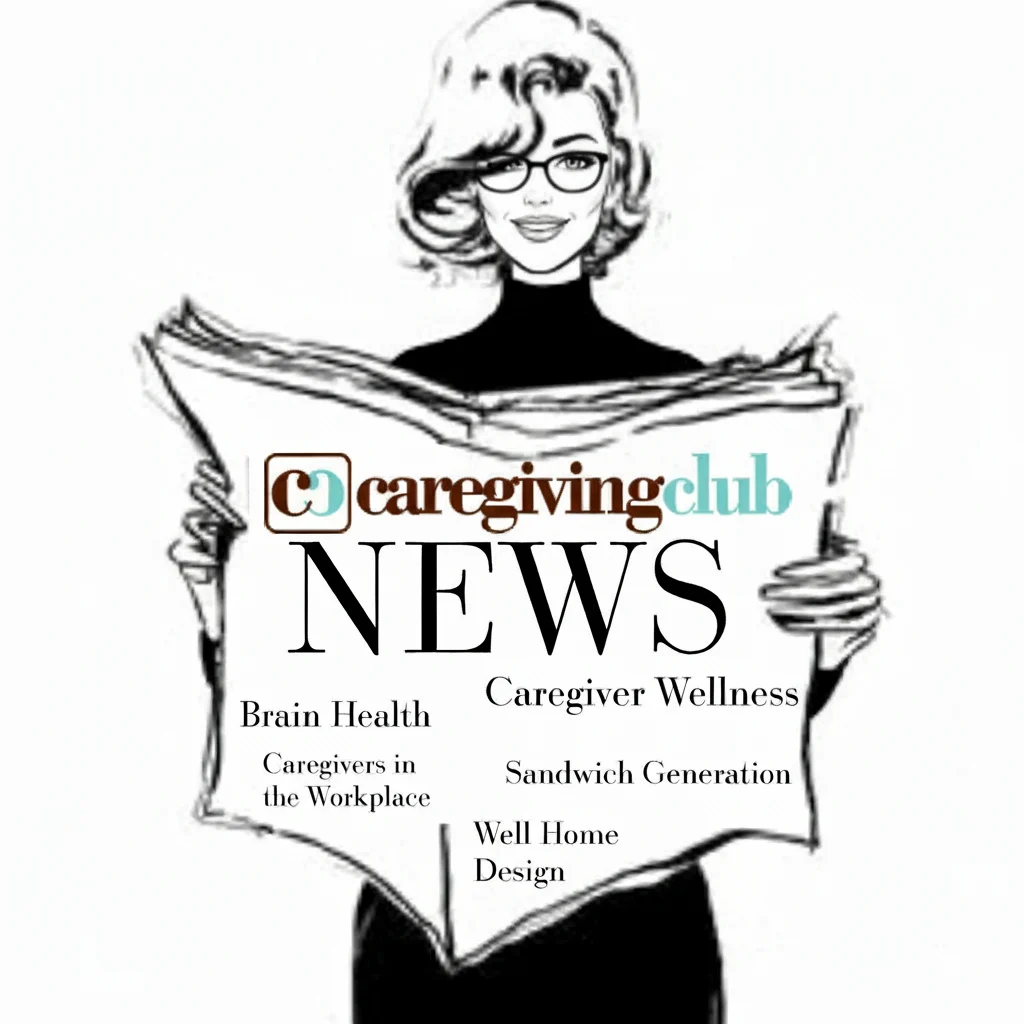
As part of its mission to democratize access to caregiving resources, the Caregiving Club is expanding its digital footprint. Recognizing that visual learning is increasingly preferred by the modern caregiver, the organization is migrating its popular Caregiver Wellness News and Well Home Design News segments to a dedicated YouTube channel.
This pivot is more than just a change in platform; it is a strategic response to the needs of busy caregivers. "We understand that caregivers are often managing time-sensitive crises," says Snelling. "By providing short, actionable, and visual content on YouTube, we are making it easier for them to learn about everything from the latest dementia-friendly design trends to the nuances of Medicare coverage for home modifications."

The new channel will feature bi-weekly updates covering:
- Research & Science: Insights into neuroscience and how home environments impact mental health.
- Pop Culture Analysis: Examining how media portrays aging and the lessons we can learn from home design in film and television.
- Practical Hacks: The "Self-Care in 7 Minutes" series, which provides quick, low-barrier ways for caregivers to manage their own stress levels.
Official Implications: Policy and Personal Responsibility
The dialogue between Snelling and Fitzgerald underscores a crucial reality: the "aging in place" movement is currently a grassroots effort that needs to become a standard of residential planning.
Implications for Homeowners
For individuals and families, the message is clear: do not wait for a crisis to evaluate your home. Conduct a safety audit today. If you are planning a renovation, consult with a Certified Aging-in-Place Specialist (CAPS) or a service provider like TruBlueAlly to ensure that your design choices have longevity in mind.
Implications for the Real Estate Market
The real estate market is beginning to see a shift in value, where homes equipped with "universal design" features command higher resale value. As the population ages, the marketability of homes that can accommodate multi-generational living or aging residents will likely surpass those that do not.

Implications for Public Health
From a broader policy perspective, there is a clear economic argument for home modifications. By keeping older adults in their homes, we reduce the burden on healthcare systems and long-term care facilities. Policymakers should consider incentivizing universal design through tax credits, grants, or low-interest loans for home modifications, viewing these as essential infrastructure investments rather than personal luxury upgrades.
Conclusion: Designing for the Future
The "Peter Pan Home Syndrome" is a challenge, but it is not an insurmountable one. Through the combined efforts of industry experts like Sean Fitzgerald and the educational advocacy of leaders like Sherri Snelling, the tools for transformation are becoming more accessible.
As we move forward, the definition of a "beautiful home" must evolve to include its ability to support its inhabitants at every stage of life. Whether it is through the installation of a simple grab bar or a complete overhaul of a living space to include biophilic design elements, every modification is a step toward a future where aging is not a process of decline, but one of continued comfort, safety, and dignity.
To learn more about these initiatives, listeners are encouraged to subscribe to the Caregiving Club on YouTube and explore the resources provided at CaregivingClub.com and TruBlueAlly.com. In the landscape of caregiving, knowledge is the most powerful tool—and it is time we started building our homes to reflect that.
Resource Directory
- TruBlue Ally: trublueally.com
- Elder Care Locator: eldercare.gov | 1-800-677-1116
- Caregiving Club YouTube Channel: youtube.com/@caregivingclub
- Me Time Monday (Book): Available via Caregiving Club
- Wellness Resources: See the "Self-Care in 7 Minutes" video series on the Caregiving Club YouTube channel for actionable mental health support for caregivers.