






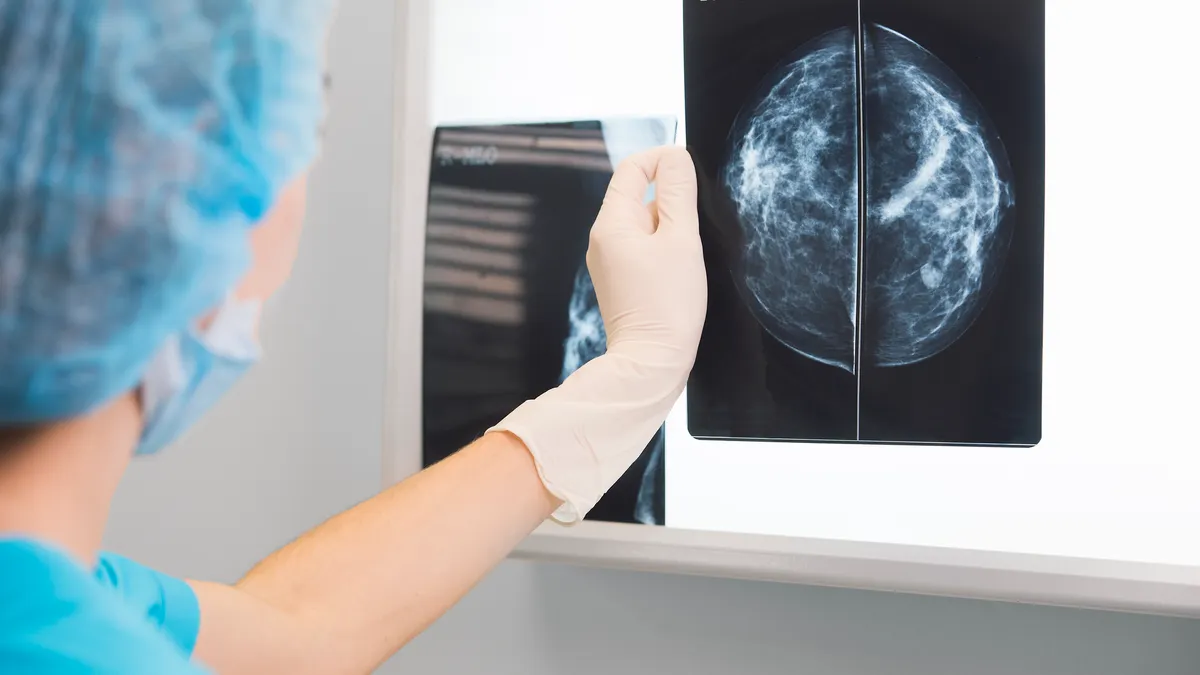
In a landmark development for digital health, the Berlin-based health-tech firm Vara has secured a CE mark under the European Union’s Medical Device Regulation (MDR) for its AI-powered autonomous triage feature. This regulatory milestone permits the device to analyze mammograms and independently clear screenings it identifies as “normal” without the immediate necessity of human radiologist intervention.
The move signals a paradigm shift in breast cancer screening, addressing critical workforce shortages across Europe while maintaining the rigorous safety standards required for high-risk medical diagnostics.
Main Facts: A New Era for Diagnostic Automation
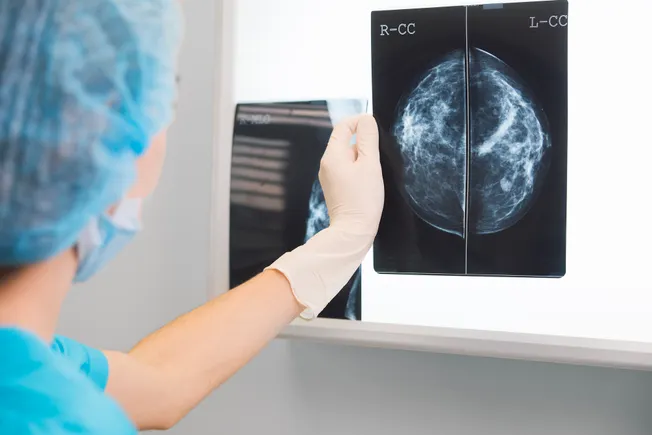
The core innovation lies in the device’s ability to autonomously filter mammography results. Traditionally, the European standard of care for breast cancer screening mandates that two radiologists independently interpret every mammogram. This process, while thorough, is labor-intensive and has become increasingly difficult to sustain as the ratio of radiologists to the aging population widens.
Vara’s newly authorized Class IIb device acts as a digital gatekeeper. By identifying normal cases with high clinical confidence, the AI allows radiologists to redirect their focus toward complex, ambiguous, or suspicious cases that demand human expertise. The deployment of this technology is not intended to replace the radiologist but rather to optimize the distribution of their cognitive load.
The rollout is already underway. Vara has confirmed that the autonomous triage feature is available to screening programs across Europe, contingent upon individual countries’ regulatory guidelines and operational readiness. With more than 50% of Germany’s organized breast screening programs—totaling over 250,000 screenings monthly—already utilizing Vara’s platform, the company is positioned to influence the standard of care on a continental scale.
Chronology: The Path to Autonomy
The journey toward this regulatory authorization was marked by years of clinical validation and iterative software development.
- 2021–2023: Vara conducted a massive, company-funded clinical study involving over 460,000 women. This study served as the bedrock for demonstrating the efficacy of AI-supported diagnostics.
- 2024: The findings of the study were published in the prestigious journal Nature Medicine. The data provided clear evidence that AI-supported double reading significantly outperformed the standard double-reading approach, leading to higher breast cancer detection rates.
- September 2026: Vara officially received the CE mark under the EU’s Medical Device Regulation, transitioning the technology from an experimental support tool to an authorized autonomous triage device.
- Post-Authorization: The immediate focus has shifted to the integration of the "ATMON" (Autonomous-Triage Monitoring) system, a safety-first layer designed to ensure the AI maintains peak performance in real-world clinical environments.
Supporting Data: Why Clinical Validation Matters
The Nature Medicine publication in 2024 remains the primary evidentiary pillar for Vara’s platform. By comparing standard double-reading (two radiologists) against an AI-supported model, researchers were able to quantify the diagnostic uplift.
The study underscored a critical finding: AI does not merely speed up the process; it increases the sensitivity of the screening process. By providing a "second opinion" that is mathematically calibrated to detect anomalies often missed by human fatigue, the AI-supported reading protocol significantly enhanced the detection rates of malignancies.
Furthermore, the data suggests that the implementation of such technology can drastically reduce the “time-to-result” for patients. In a screening environment where waiting for a second radiologist can delay diagnostic clarity, the ability to automate normal findings allows for a more streamlined workflow, ensuring that suspicious cases are prioritized for urgent review.
Official Responses and the "ATMON" Safety Framework
One of the most significant concerns regarding AI in healthcare is the phenomenon of "model drift," where an algorithm’s performance degrades as it encounters data that deviates from its training set. To mitigate this, Vara has introduced the ATMON (Autonomous-Triage Monitoring) system.

"Even the best AI model’s performance can shift once it operates outside the controlled conditions of a study," said Jonas Muff, CEO and co-founder of Vara. "For AI to deliver its positive impact on patient outcomes, we need to notice when this happens."
ATMON serves as a continuous oversight mechanism. It monitors the technical health of the mammography hardware, the stability of the imaging chain, and the daily performance metrics of the AI model. If the system detects that data quality or diagnostic confidence falls outside of pre-defined parameters, it automatically reverts the site to a full, manual radiologist reading. This "fail-safe" architecture is central to the device’s Class IIb regulatory designation, providing both regulators and clinicians with the assurance that the system will not operate blindly in a degraded state.
Crucially, Vara has made ATMON available as a standalone safety tool for all its customers, even those who choose to continue with traditional radiologist workflows rather than the fully autonomous triage model.
Implications for the Future of Radiology
The Workforce Crisis
The most immediate implication of Vara’s breakthrough is the alleviation of pressure on the radiology workforce. Across Europe, the number of radiologists is not keeping pace with the demand for diagnostic imaging. By delegating the interpretation of "normal" screenings to an AI, the industry can prevent burnout and allow specialists to engage in higher-value clinical work, such as interpreting complex biopsies or consulting with patients.
Standardization of Care
AI deployment offers the potential to standardize diagnostic quality across urban and rural settings. In many regions, the quality of breast screening is dependent on the local availability of sub-specialized radiologists. A centralized, rigorously tested AI model ensures that a patient in a remote village receives the same level of diagnostic screening as a patient in a top-tier metropolitan hospital.

Ethical and Legal Considerations
While the clinical benefits are clear, the transition to autonomous triage raises significant ethical questions. Who is responsible for an error made by an autonomous system? The CE mark provides a framework for liability and safety, but the medical community will need to continue developing robust governance protocols. The integration of ATMON is a step in the right direction, acknowledging that AI is a dynamic tool that requires constant supervision rather than a static piece of software.
A New Benchmark for MedTech
Vara’s achievement sets a new benchmark for other AI-based diagnostic companies. The move toward autonomous triage is likely to accelerate as more companies see a clear path to regulatory approval. However, the rigor of the EU’s Medical Device Regulation ensures that this acceleration will be tempered by strict safety requirements.
As the technology continues to evolve, the focus will likely shift from simple "normal vs. abnormal" categorization to more nuanced prognostic insights, potentially identifying early biological markers that are currently invisible to the human eye.
Conclusion
The authorization of Vara’s autonomous triage feature marks a watershed moment in the intersection of artificial intelligence and oncology. By bridging the gap between technological capability and clinical necessity, Vara has provided a blueprint for how AI can be safely and effectively integrated into the backbone of public health. As the rollout continues across Europe, the medical community will be watching closely, not just for the diagnostic results, but for the fundamental changes this shift will bring to the radiologist’s role, the patient’s experience, and the overall efficiency of breast cancer screening programs globally.
The future of radiology is not human versus machine; it is the human empowered by a machine that knows when to act, and more importantly, when to ask for a second human look.