









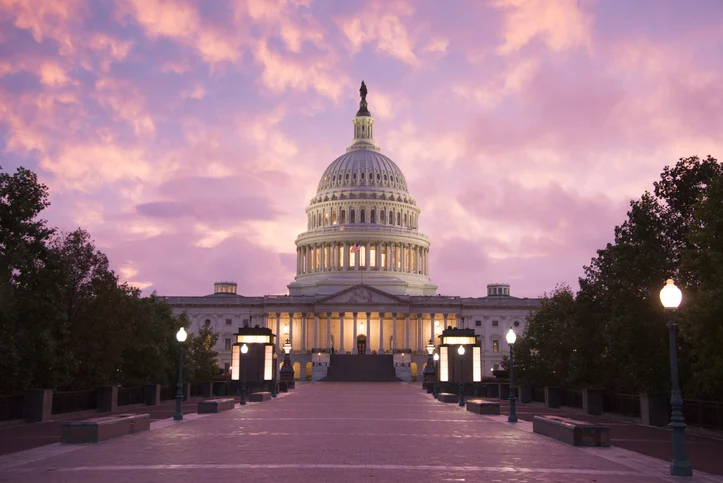
In a rare and dramatic display of bipartisan frustration, the House Veterans’ Affairs Committee has voted unanimously to subpoena top leadership at Oracle—including Chairman and Chief Technology Officer Larry Ellison—to testify regarding the ballooning costs and persistent performance failures of the Department of Veterans Affairs’ (VA) electronic health record (EHR) modernization project.
The 19-0 vote marks a significant escalation in the ongoing legislative battle over one of the most expensive and troubled IT initiatives in the history of the federal government. At the heart of the dispute is a massive surge in the contract’s cost ceiling, which has surged from an original $10 billion projection to a staggering $27 billion. This development has left lawmakers feeling misled, ignored, and determined to force accountability from the tech giant that inherited the project through its 2022 acquisition of Cerner.
A Chronology of a Contractual Quagmire
To understand the current impasse, one must look at the turbulent history of the VA’s transition to a modernized digital health record system.
2018: The Genesis of the Agreement
The project began with high hopes in 2018, when the VA signed a $10 billion contract with Cerner Corporation. The goal was to replace the agency’s aging, homegrown VistA system with a modern, cloud-based platform that would allow for seamless data sharing between the VA and the Department of Defense. At the time, it was hailed as the "holy grail" of veteran healthcare integration.
2022: The Oracle Acquisition
The landscape shifted dramatically in 2022 when Oracle Corporation acquired Cerner for $28.3 billion. Oracle, a titan in enterprise software, inherited the VA’s contract as part of the deal. At the time, Oracle executives—including Mike Sicilia, now CEO—sought to reassure Congress that the transition would not lead to increased costs for taxpayers. During Senate testimony, Sicilia explicitly stated that the company would absorb any financial overruns beyond the original $10 billion ceiling.
2023: The "Reset" and Renegotiation
Shortly after the acquisition, the reality of the project’s technical complexity became undeniable. The VA paused the rollout of the EHR system to conduct a "program reset." During this period, the agency renegotiated the terms to include stricter performance metrics and financial penalties for downtime or errors. While this improved the contractual language, the underlying price tag remained anchored to the original estimate.
2024: The $27 Billion Shock
The current crisis stems from a quiet modification to the contract finalized earlier this year. Without prior notification to the House Veterans’ Affairs Committee, the VA and Oracle agreed to raise the total contract ceiling to $27 billion, extending the project’s timeline until 2031. Lawmakers discovered this change through news reporting, a breach of transparency that sparked immediate outrage.
Supporting Data: The Costs of Complexity
The sheer scale of the financial expansion has drawn intense scrutiny from budget hawks and healthcare advocates alike. The leap from $10 billion to $27 billion represents a 170% increase, a figure that has fundamentally changed the economic justification for the project.
Beyond the raw dollar amounts, the project’s operational metrics have been equally concerning. The EHR system has been plagued by reports of patient safety risks, clinician burnout, and significant downtime at the sites where it has been implemented. Despite these systemic hurdles, more than 160 VA medical centers remain in a state of limbo, waiting for the system to be deployed. The delay until 2031 creates a long-term fiscal commitment that future Congresses will be forced to honor, regardless of the system’s ongoing efficacy.
Official Responses and the Breakdown of Trust
The decision to issue a subpoena was not made lightly. It followed a failed attempt by the committee to solicit testimony from Oracle executives during a formal hearing. Oracle declined to appear, citing "timing constraints," a move the committee viewed as a deliberate attempt to avoid answering for the cost discrepancy.
The Congressional Perspective
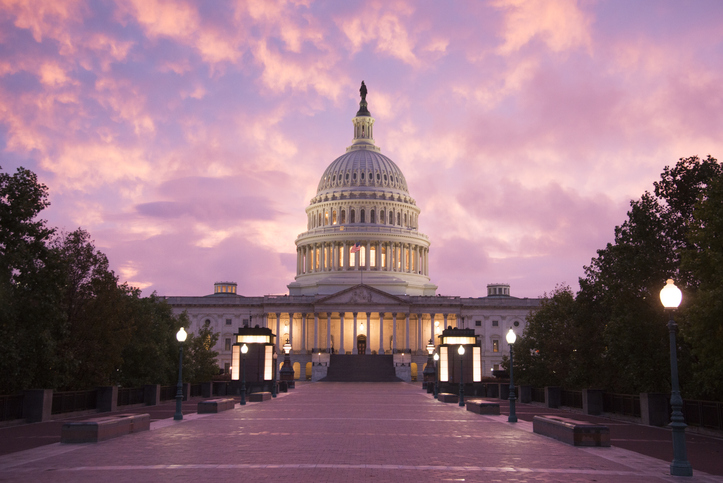
Representative Maxine Dexter (D-Oregon) became the public face of the push for a subpoena, delivering a scathing critique of the company’s lack of transparency. "When the company responsible for a taxpayer-funded contract that could grow from $10 billion to roughly $27 billion refuses to sit before Congress and answer questions, this committee cannot fully do its job," Dexter stated.
She emphasized that private, closed-door roundtables are no substitute for public oversight. "Veterans deserve a health records system that works, and taxpayers deserve to know their money is being spent responsibly," she added. The bipartisan nature of the vote suggests that members of both parties are equally dissatisfied with the "business as usual" approach currently being taken by the project stakeholders.
The Silence from Oracle
As of the time of writing, Oracle has remained largely quiet regarding the subpoena. The company’s previous posture was one of partnership and technical remediation, but the shift to a adversarial relationship with Congress places Larry Ellison and Mike Sicilia in a difficult position. If they comply, they face a high-stakes interrogation regarding their 2022 promises and the technical viability of the current system. If they resist, they risk being held in contempt of Congress, a move that could lead to legal action and significant reputational damage.
Implications for the Future of Government IT
The Oracle-VA standoff serves as a case study in the risks associated with large-scale, long-term government IT procurement.
Erosion of Faith in Public-Private Partnerships
The VA’s EHR project was intended to demonstrate how the private sector could modernize federal infrastructure. Instead, it has become a cautionary tale. The disconnect between executive promises made to Congress and the actual financial outcomes suggests a systemic failure in how federal agencies hold contractors accountable.
The "Sunk Cost" Dilemma
Congress is now facing a classic "sunk cost" dilemma. With $27 billion on the line and thousands of veterans’ health records already integrated into the new system, walking away would be administratively and clinically disastrous. However, continuing to fund a project that has tripled in cost while failing to provide a stable, user-friendly interface for clinicians is equally difficult to justify.
Impact on Clinical Care
Perhaps the most important, yet often overlooked, aspect of this crisis is the impact on frontline healthcare providers. VA medical centers are essentially being asked to operate two systems—or to struggle with a single, underperforming one—while the contractual politics play out in Washington. For the veterans, the promise of a "modernized" health record has, in many cases, translated to increased wait times and confusion during clinical appointments.
What Lies Ahead
The subpoena represents a turning point. Whether or not Ellison or Sicilia appear, the committee has signaled that the era of quiet, incremental contract expansions is over.
- Increased Oversight: Expect more aggressive auditing of the VA’s internal management of the Oracle contract.
- Legislative Pressure: If the subpoenaed executives do not appear, the committee is likely to explore legislative tools to restrict further funding or trigger a formal investigation into the contract’s renegotiation process.
- Operational Transparency: The VA will likely be forced to provide more granular, public-facing data on the performance and implementation status of the system to appease public outrage.
The 2031 deadline looms large, but the battle for the integrity of the VA’s digital future will be fought in the coming months. For now, the spotlight remains firmly on Oracle’s leadership and the question of whether a company can promise one thing to Congress while billing for another. As Rep. Dexter noted, the veterans who rely on these services have no choice but to wait—but Congress has made it clear that it is no longer willing to wait in silence.