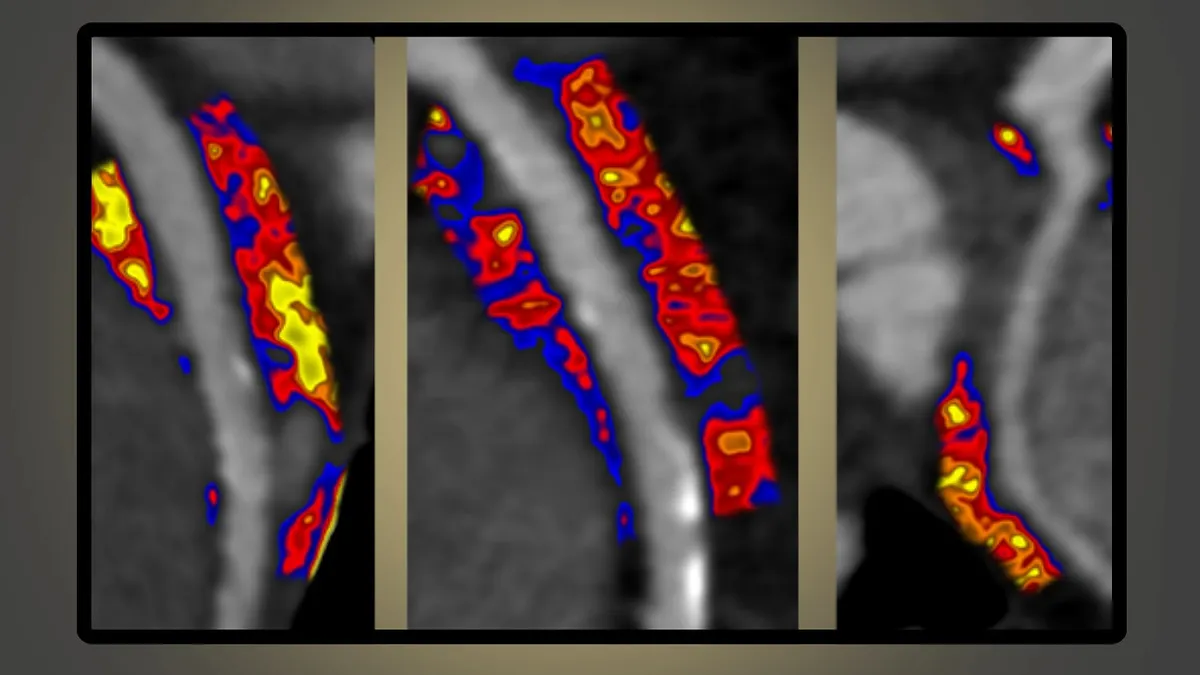
In a significant leap forward for preventive cardiology, Caristo Diagnostics—a high-profile spinout from the University of Oxford—is poised to introduce its groundbreaking artificial intelligence (AI) platform to the United States market. The technology, known as CaRi-Heart, represents a paradigm shift in how clinicians assess heart attack risk, particularly for the vast population of patients who do not exhibit traditional signs of obstructive coronary artery disease (CAD).
As the company prepares for a phased commercial rollout throughout the remainder of the year, the medical community is closely watching. By leveraging existing routine imaging data, Caristo’s platform promises to identify hidden threats that standard diagnostics have historically overlooked, potentially saving thousands of lives annually.
Main Facts: The CaRi-Heart Innovation
The core of Caristo’s technology lies in its ability to analyze Coronary Computed Tomography Angiography (CCTA) images—a standard diagnostic tool used to visualize the heart and its vessels—with a level of granularity previously unattainable by the human eye.
Traditionally, CCTA is used primarily to detect obstructive CAD, characterized by narrowed or blocked arteries. Patients found to have these obstructions are promptly moved into treatment protocols, such as stenting or bypass surgery. However, a major clinical challenge has persisted: many patients who present with clear or non-obstructive arteries still suffer from myocardial infarctions (heart attacks) and other major adverse cardiac events (MACE).
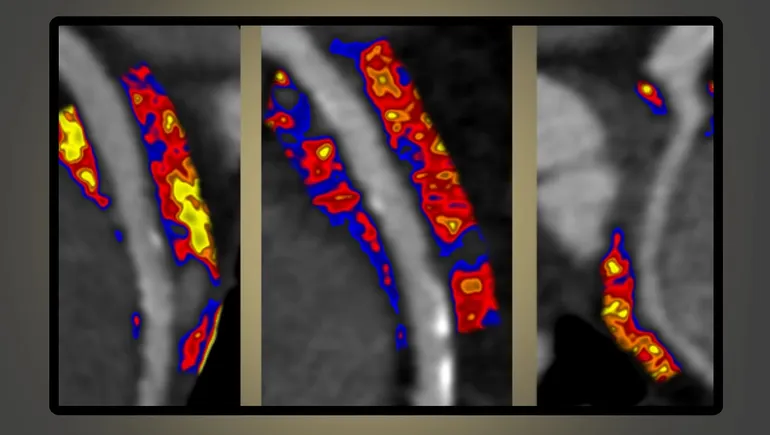
CaRi-Heart functions by quantifying coronary inflammation—a biological marker often referred to as "the fire within." By applying proprietary AI algorithms to these routine scans, the system calculates a score based on inflammation-induced radiological changes, total plaque burden, and traditional clinical risk factors. This generates a comprehensive risk profile, sorting patients into low, medium, or high-risk categories, thereby enabling personalized preventive strategies long before a catastrophic event occurs.
Chronology of Development
The trajectory of Caristo Diagnostics from an Oxford laboratory project to a commercial powerhouse is a testament to the intersection of deep-tech research and clinical necessity.
- Foundation and Research: Born from the research laboratories of the University of Oxford, Caristo sought to address the limitations of visual assessment in cardiac imaging.
- Validation Trials: Between 2021 and 2024, the company conducted extensive longitudinal studies, most notably a large-scale U.K.-based study involving over 40,000 participants. This research provided the empirical bedrock for the technology’s regulatory approval.
- FDA Clearances: In 2023, the U.S. Food and Drug Administration (FDA) cleared CaRi-Plaque for the quantification of coronary plaque and stenosis. Subsequently, the FDA authorized the broader CaRi-Heart technology for the assessment of coronary inflammation.
- Reimbursement Milestones: In January 2024, new reimbursement codes took effect, providing the essential financial framework for hospitals and imaging centers to adopt the technology.
- Executive Expansion: Recognizing the complexity of the U.S. healthcare market, Caristo appointed Stephen Deitsch as CEO in April 2024, followed by the strategic hires of David Vort as Chief Commercial Officer and Chris Louk as CFO in the summer.
- Upcoming Launch: The company is set to initiate its commercial U.S. launch in the current quarter, with a broader market expansion scheduled for the fourth quarter of 2024.
Supporting Data: The Case for Preventive Intervention
The necessity for a tool like CaRi-Heart is underscored by the sobering statistics revealed in recent clinical studies. A landmark study published in The Lancet, which followed over 40,000 patients undergoing CCTA for a median of 2.7 years, provided definitive evidence regarding the risks hidden in "clean" arteries.
The study’s findings were startling: patients without obstructive CAD actually accounted for two-thirds of all MACE and total cardiac deaths in the cohort. This realization highlights a massive diagnostic gap in contemporary cardiology. By traditional metrics, these individuals might have been discharged with a "clean bill of health," despite the presence of underlying inflammatory processes that made them ticking time bombs for cardiac events.
The Caristo technology effectively narrowed this gap, successfully differentiating patients at high risk of mortality from those at low or medium risk. The AI-driven model integrates complex imaging features that quantify the "perivascular fat attenuation index"—a fancy way of saying it measures the inflammatory state of the fat surrounding the coronary arteries. This measurement is an independent predictor of cardiac risk, providing clinicians with a "second opinion" that is mathematically grounded rather than purely subjective.
Official Responses and Leadership Strategy
The leadership team at Caristo Diagnostics, bolstered by recent high-level appointments, has expressed confidence in the company’s ability to reshape cardiac care.
CEO Stephen Deitsch, who previously steered OrganOx to a $1.5 billion acquisition by Terumo, brings a wealth of experience in scaling medical device companies. Deitsch and his team have made it clear that the focus for the remainder of 2024 is twofold: operational excellence in the U.S. and seamless integration into clinical workflows.
David Vort, serving as Chief Commercial Officer, brings experience from high-growth medtech firms like iRhythm Technologies and Cytovale. Vort’s mandate is to ensure that CaRi-Heart is not just a high-tech novelty, but a standard tool in the cardiology toolkit. By leveraging the existing reimbursement infrastructure, Caristo aims to reduce the "friction" that often prevents new medical technologies from reaching the bedside.
"Our goal is to transition from reactive care to proactive prevention," a company representative stated. "By providing actionable, AI-derived insights from tests that are already being performed, we are empowering physicians to intervene early, manage risk factors, and ultimately save lives that would otherwise be lost to undiagnosed, non-obstructive disease."
Implications: The Future of Cardiology
The introduction of CaRi-Heart has profound implications for the global healthcare landscape.

1. Shift in Patient Management
Clinicians will be forced to move away from the "binary" diagnosis of CAD (obstructive vs. non-obstructive). The availability of an inflammatory score means that patients with "normal" scans can now be triaged into aggressive medical therapy (such as statins or anti-inflammatory drugs) based on their quantified risk, rather than waiting for a blockage to appear.
2. Economic Impact
While the initial adoption of AI diagnostics carries a cost, the economic argument for Caristo is strong. A single major cardiac event carries massive direct costs to the healthcare system, including emergency department visits, surgical interventions, and long-term recovery care. By identifying and treating high-risk patients before an event occurs, the system could see a significant reduction in the long-term cost burden of cardiovascular disease.
3. Technological Synergy
Caristo’s success signals a broader trend in medicine: the "AI-fication" of diagnostic imaging. Instead of replacing radiologists or cardiologists, tools like CaRi-Heart serve as an advanced analytic layer, augmenting the physician’s diagnostic capacity. As these tools become more prevalent, we can expect a new generation of imaging that provides biological data—not just anatomical images.
4. Patient Empowerment
Finally, for the millions of patients who experience symptoms such as chest pain only to be told their arteries look "fine," the CaRi-Heart platform offers peace of mind or, if necessary, a clear path to preventive treatment. It removes the uncertainty of vague diagnoses, providing patients with a concrete risk score that can guide lifestyle and medication choices.
As Caristo Diagnostics prepares for its U.S. launch, the medical industry is witnessing the birth of a new standard. By peering into the invisible, inflammatory processes that drive heart disease, the company is ensuring that "non-obstructive" no longer means "no risk." The coming months will be a crucial test of how quickly the U.S. healthcare system can integrate this breakthrough into the daily lives of both clinicians and their patients.