In a landmark policy shift that has sent ripples through the global advertising and environmental sectors, Amsterdam has officially become the first capital city in the world to implement a comprehensive ban on advertisements promoting fossil fuel-related products and meat. As of May 1, 2026, the city’s public spaces—once vibrant canvases for airline promotions and fast-food campaigns—have been cleared of messaging that the local government deems incompatible with its aggressive climate neutrality goals.
This initiative marks a significant escalation in municipal climate policy, moving beyond simple emission reduction targets to actively curbing the cultural and psychological drivers of high-carbon consumption. By targeting the public infrastructure that underpins consumer demand, Amsterdam is testing a provocative hypothesis: can removing the visibility of climate-damaging products effectively shift public behavior and nudge a society toward a more sustainable future?
The Core Mandate: What is Restricted?
The new regulations, enacted by the Amsterdam municipal government, represent a surgical strike against specific industries deemed heavy contributors to global warming. The ban is comprehensive in its thematic scope but targeted in its geographic application.
The Scope of the Prohibition
The ban encompasses two primary categories of commerce:
- Fossil Fuel-Linked Travel: This includes advertisements for commercial airlines, cruise lines, and "faraway destinations" that rely on long-haul aviation or heavy maritime transit. The city argues that these advertisements serve as implicit endorsements of fossil fuel consumption.
- Animal Agriculture: Perhaps the most controversial aspect of the law, advertisements for beef, chicken, pork, and fish are now prohibited. City officials have cited the environmental footprint of animal agriculture—including methane emissions, water usage, and deforestation—as the primary justification for this restriction.
Geographic and Media Limitations
It is important to note the boundaries of this policy. The ban applies strictly to city-owned properties and public spaces. This includes:
- Buses, trams, and metro carriages.
- Bus shelters and public seating areas.
- City-operated billboards and transit station displays.
Crucially, the policy does not extend to the private sector. Advertising within privately owned supermarkets, newspapers, radio broadcasts, and digital media platforms remains exempt. This distinction is vital; it frames the initiative as a government’s effort to ensure that the "public square" reflects the city’s stated commitment to the Paris Agreement, rather than an attempt to suppress private enterprise.
Chronology of a Climate Pivot
The road to this ban was not paved overnight. It is the culmination of years of grassroots activism, academic pressure, and shifting political winds in the Netherlands.
2022–2024: The Grassroots Surge
Long before the city council finalized the legislation, local environmental groups such as Reclame Fossielvrij (Fossil Free Advertising) had been lobbying for a ban. Their argument was rooted in a psychological principle: if tobacco advertising was restricted due to its public health impact, fossil fuel and high-carbon food advertising should be restricted due to their impact on public environmental health.
2025: Political Momentum
By early 2025, the city council began reviewing data regarding the carbon footprint of the city’s transit advertising contracts. Studies presented to the council suggested that the city’s own infrastructure was being used to undermine its "Climate Neutral by 2050" roadmap. The debate intensified as local businesses and advertising agencies raised concerns regarding the economic impact, but public opinion polls showed strong support among Amsterdam’s environmentally conscious electorate.
May 1, 2026: The Ban Takes Effect
On May 1, 2026, the policy was officially codified and implemented. Workers began the process of scrubbing billboards and transit stations of existing campaigns, replacing them with public service announcements or generic art displays. The world watched as Amsterdam moved from rhetoric to reality, marking the first time a capital city has exercised its municipal authority to regulate the content of public advertising based on climate science.
The Scientific Context: Why Meat and Fossil Fuels?
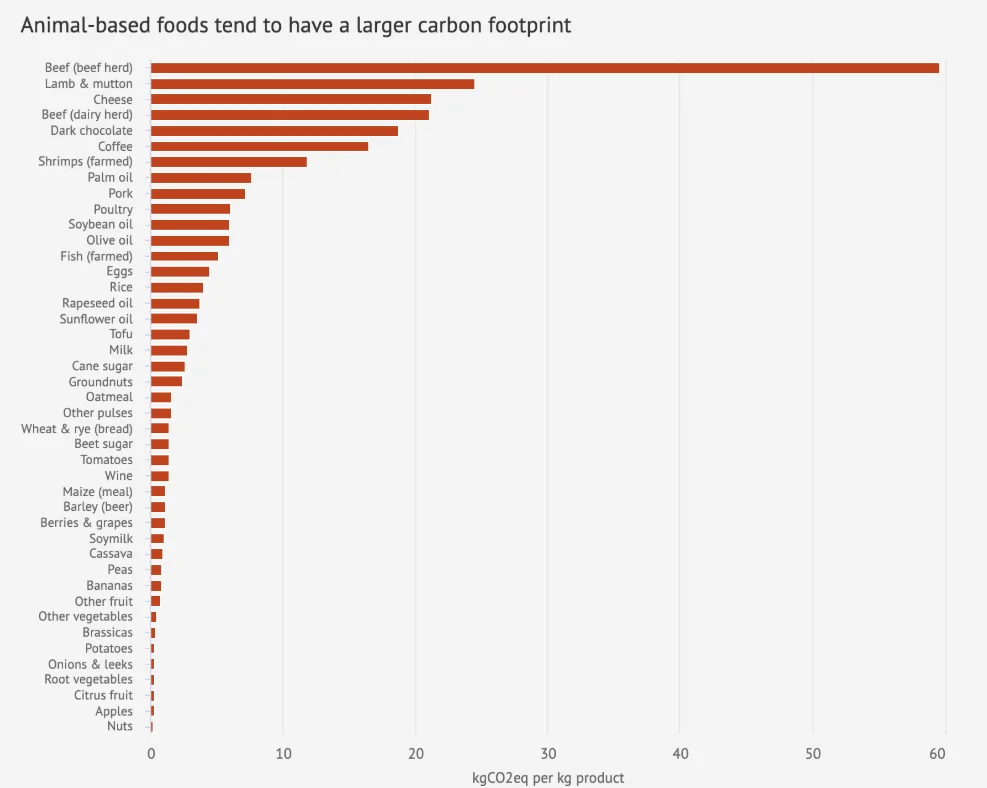
The inclusion of meat alongside fossil fuels in this ban is based on a mounting body of scientific evidence. While fossil fuel combustion is the primary driver of climate change, the food system is responsible for approximately one-third of global greenhouse gas emissions, with animal products accounting for the lion’s share of that impact.
The Carbon Cost of Protein
According to research from institutions like CarbonBrief and the IPCC, the environmental burden of meat production is multi-faceted:
- Methane Emissions: Ruminant livestock (cows and sheep) produce significant quantities of methane, a potent greenhouse gas with a warming potential much higher than carbon dioxide over a 20-year horizon.
- Land Use and Deforestation: Vast swathes of land, particularly in the Amazon and Southeast Asia, are cleared for livestock grazing and the production of soy-based animal feed, leading to massive biodiversity loss and the destruction of critical carbon sinks.
- Resource Intensity: The feed conversion ratio—the amount of feed required to produce one pound of meat—is inherently inefficient compared to direct consumption of plant proteins, leading to disproportionate water and nitrogen usage.
By targeting these industries, Amsterdam is signaling that the climate crisis cannot be solved through energy transition alone; it necessitates a fundamental restructuring of dietary consumption patterns.
Official Responses and Stakeholder Perspectives
The implementation of the ban has elicited a wide range of responses, reflecting the deep polarization inherent in climate policy.
The City’s Justification
City officials have remained steadfast, framing the decision as a moral and practical necessity. A spokesperson for the Amsterdam municipal government stated: "As a city, we have a responsibility to align our public spaces with our climate objectives. We cannot simultaneously declare a climate emergency and use our public infrastructure to promote the very products that are accelerating the crisis."
Industry Pushback
The advertising industry and the meat sector have been vocal in their criticism. Advertising trade groups have argued that the ban restricts commercial speech and sets a dangerous precedent. "If we ban meat today, what is banned tomorrow?" asked a representative from a regional advertising union. "This is a slippery slope toward state-controlled messaging that threatens the economic viability of small businesses and the creative freedom of the industry."
Public Sentiment
Among the public, the reception is mixed. Younger demographics, who have been the primary drivers of climate advocacy in Europe, have largely hailed the decision as "long overdue." Conversely, some older residents and business owners have expressed concern about the "nanny state" approach, arguing that individual dietary choices should remain a private matter rather than a subject of municipal interference.
Implications: A Global Experiment in Behavioral Economics
The question remains: Will this ban actually change behavior? This is the central uncertainty of Amsterdam’s experiment.
The Psychology of Advertising
Advertising is designed to influence preference and trigger consumption. By removing these visual cues from the public space, Amsterdam is effectively trying to reduce the "availability heuristic"—a mental shortcut where people perceive common or visible things as normal and desirable. If meat and long-haul travel become less visible in the daily commute, the theory suggests that they may slowly lose their status as "everyday" choices.
The Need for Rigorous Evaluation
As noted by food policy experts, the success of this policy hinges on the existence of a robust evaluation framework. Is the city tracking meat consumption patterns? Are they surveying commuters to see if the absence of ads has shifted their attitudes toward air travel?
Without a longitudinal study, the city risks implementing a symbolic policy that feels good but achieves little in terms of real-world carbon reduction. There is also the risk of the "rebound effect," where consumers, feeling pushed away from certain products, might seek them out even more aggressively in private spaces—an act of consumer defiance.
A Template for Other Cities?
Amsterdam’s move has already caught the attention of municipal governments in London, Paris, and Berlin. If the data from Amsterdam demonstrates even a marginal shift in public behavior or a measurable reduction in the normalized consumption of high-carbon goods, it is highly probable that other European capitals will follow suit.
Conclusion: The Future of Public Space
Amsterdam’s decision to ban advertisements for meat and fossil fuels is more than just a policy change; it is a fundamental redefinition of the public square. It posits that public space should not be a neutral territory for the highest bidder, but a space that reflects the collective values and survival interests of the community.
As the city enters this new phase, the eyes of the world are fixed on its transit stations and billboards. Whether this leads to a meaningful reduction in carbon emissions or serves as a cautionary tale about the limits of municipal power remains to be seen. However, one thing is certain: the debate over what we promote in our public lives has officially entered the mainstream, and the era of "anything goes" in public advertising is rapidly drawing to a close. The experiment in Amsterdam serves as a litmus test for a world attempting to navigate the complex intersection of personal freedom, corporate interest, and the existential threat of climate change.