











In a significant development for the landscape of sleep medicine, Australian pharmaceutical firm Avecho Biotechnology Limited has received a unanimous green light from an independent data monitoring board (DMB) to proceed to full enrollment for its pivotal Phase III clinical trial. The study, which evaluates the efficacy and safety of a proprietary cannabidiol (CBD) capsule enhanced with tocopheryl phosphate mixture (TPM) technology, has successfully passed its interim analysis, marking a turning point in the company’s efforts to introduce a non-traditional pharmaceutical solution for insomnia.
The independent DMB, a panel comprising experts in clinical safety, biostatistics, and sleep medicine, reviewed unblinded data from the first 244 participants. Finding that the study met all pre-specified criteria for progress, the board recommended that the trial continue toward its target of 519 participants. This development validates the rigorous design of the trial and brings Avecho one step closer to potentially disrupting the existing sleep medication market.
The Core Mechanics of the Trial
At the heart of the research is Avecho’s proprietary TPM technology. While CBD is widely known for its potential therapeutic benefits, its efficacy is often hindered by poor bioavailability—the body’s ability to absorb and utilize the substance. By incorporating TPM, a lipid-based delivery system, Avecho aims to enhance the absorption of CBD, potentially allowing for lower, more effective doses that remain within a favorable safety profile.
The ongoing Phase III study is a multi-center, randomized, double-blind, placebo-controlled trial—the gold standard in clinical research. The trial is currently being conducted across multiple sites in Australia. Participants are randomized into three distinct treatment arms:
- A 150mg CBD TPM-enhanced capsule.
- A 75mg CBD TPM-enhanced capsule.
- A placebo capsule.
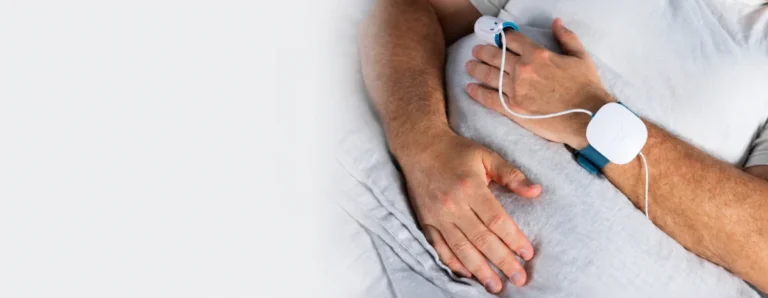
Over an eight-week period, participants monitor their sleep architecture, duration, and subjective quality through a combination of validated clinical questionnaires and daily digital sleep diaries. The trial design was meticulously crafted in consultation with international regulatory bodies, including the Australian Therapeutic Goods Administration (TGA), the US Food and Drug Administration (FDA), and the European Medicines Agency (EMA). This global alignment is intentional, designed to ensure that the data collected can support future international market authorizations.
Chronology of the Development
The path to this interim success has been defined by a strategy of methodical clinical rigor.
- Early Development: Avecho spent years refining the TPM-CBD delivery mechanism, focusing on overcoming the inconsistent bioavailability often associated with oral CBD ingestion.
- Trial Initiation: The Phase III trial (NCT05840822) was launched with a focus on stringent inclusion and exclusion criteria to ensure a clean data set.
- The Interim Analysis Point: Upon reaching the 244-participant mark—roughly half of the total target population—the study reached its pre-planned interim analysis phase. This allowed the DMB to verify that the study was not only safe but also powered correctly to detect the intended clinical signal.
- The Unanimous Recommendation: The DMB’s recent review of unblinded safety and efficacy data provided the definitive endorsement required to continue to the second cohort, signaling that the trial remains on track and within the bounds of the expected safety profile.
- Looking Ahead: Avecho is now accelerating recruitment to reach the full 519-participant milestone, with subsequent plans to initiate formal discussions with global regulatory agencies to map out the path to market.
Supporting Data and Safety Metrics
A critical component of the DMB’s review was the assessment of participant safety. In the treatment of insomnia, where side effects such as next-day drowsiness, cognitive impairment, and dependency are common concerns with traditional benzodiazepines or "Z-drugs" (such as zolpidem or eszopiclone), the safety profile of a new candidate is paramount.
The interim analysis revealed that there were no serious adverse events recorded among the 244 participants who had completed or were currently in the treatment phase. This "clean" safety profile is a major pillar of Avecho’s commercial argument. By demonstrating that the CBD-TPM capsule can improve sleep parameters without the common "hangover" effect or the risk of overdose associated with current pharmacological standards, the company believes it can fill a significant gap in the therapeutic arsenal available to sleep specialists.
Furthermore, the trial design controls heavily for the "placebo effect," a notorious challenge in insomnia studies. By utilizing a rigorous titration schedule and standardized sleep-hygiene protocols, Avecho has sought to isolate the physiological impact of the CBD-TPM formulation from the psychological expectation of improvement.
Official Responses and Strategic Vision
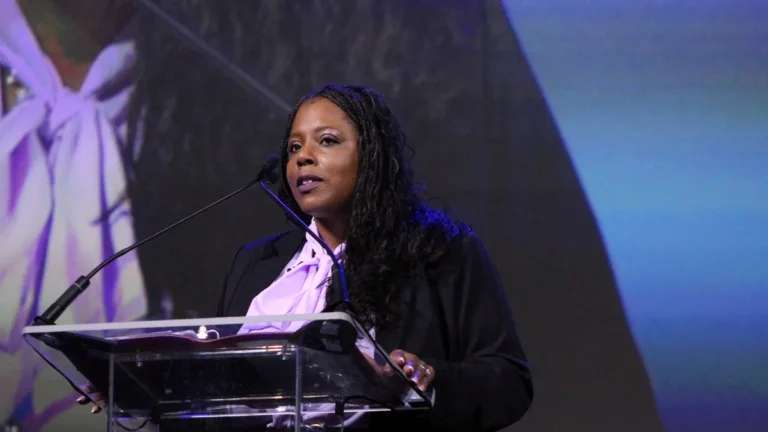
Dr. Paul Gavin, CEO of Avecho Biotechnology, has characterized this milestone as a vindication of the company’s long-term strategy. In a formal statement following the announcement, he noted that the trial’s design—specifically its two independent endpoints and strict patient selection—was intended to provide the clearest possible view of the drug’s efficacy.
"We have always said the trial’s design was its greatest strength in giving the product the best chance to show its effect, and the positive DMB recommendation vindicates that approach," said Dr. Gavin. He emphasized that while the trial remains blinded—meaning the researchers themselves do not yet know which group received the active drug—the recommendation provides a high level of confidence in the final outcome.
Beyond the clinical success, Dr. Gavin pointed toward the shifting focus of the company: commercialization. "Many existing prescription treatments carry well-documented limitations, including next-day impairment and the risk of overdose—concerns that cannabidiol’s safety profile does not share. A treatment that can improve sleep without that safety burden has a clear place in the market," he stated.
This vision aligns with the company’s recent business maneuvers. In 2025, Avecho successfully licensed the Australian commercial rights for its CBD-TPM capsule to Sandoz, a global leader in generic and biosimilar medicines. This partnership serves as a template for how Avecho intends to operate in other territories.
Implications for the Future of Sleep Medicine
The potential success of this trial has profound implications for both the pharmaceutical industry and the broader public health approach to insomnia.
1. Market Positioning
If the trial concludes successfully, the CBD-TPM capsule could be positioned as a "first-line" alternative to traditional sleep aids. By leveraging a naturally derived compound that has been optimized for clinical precision, Avecho is positioning itself to compete with, or potentially replace, drugs that have been in use for decades but suffer from poor safety perceptions.
2. Regulatory Precedent
Because the study was designed in direct consultation with the FDA and the EMA, a positive final result could lead to a streamlined pathway for international approval. This is particularly important in the US, where the regulatory environment for CBD products remains complex and fragmented. A drug-grade, clinical-trial-backed CBD product could provide the FDA with the rigorous data it needs to approve CBD as a legitimate pharmaceutical ingredient.
3. Addressing the "Insomnia Epidemic"
Global sleep health is in a state of crisis, with millions suffering from chronic insomnia. Current options often force patients to choose between sleep quality and the risk of dependence. A medication that offers a cleaner profile could increase patient compliance and lead to better long-term health outcomes for those suffering from chronic sleep disorders.
4. Expansion of the TPM Platform
For Avecho, the success of this trial is also a proof-of-concept for its broader TPM platform. If the technology can successfully enhance the delivery of CBD, it could be applied to a range of other compounds that suffer from similar bioavailability issues, opening the door for a diverse pipeline of improved pharmaceutical products.
Conclusion: The Path to Completion
With the DMB’s recommendation in hand, Avecho is now entering the final, high-intensity phase of the study. The focus has shifted toward the logistics of completing enrollment, maintaining trial integrity, and preparing the regulatory data packages that will eventually be submitted to health authorities.
While the clinical community waits for the final results, the sentiment surrounding the trial is one of cautious optimism. The unanimous backing of the DMB is a rare and powerful endorsement, suggesting that the data—while still blinded—is trending in a positive direction. As Avecho continues its discussions with global partners and regulatory bodies, the potential for a new, safer standard of care for insomnia appears closer to reality than ever before.
The industry will be watching closely as the remaining 275 participants complete their cycles, with the final data set expected to provide one of the most comprehensive looks at the therapeutic potential of CBD in modern medicine.