Published: June 25, 2026
For many, the transition from the stillness of sleep to the demands of a high-paced modern lifestyle is jarring. The "morning fog"—that lingering sense of lethargy and mental static—often necessitates a caffeine-heavy ritual to jumpstart the nervous system. However, emerging movement science and ancient yogic traditions suggest that a more sustainable, physiological approach exists. By prioritizing dynamic, breath-led movement within the first few minutes of waking, practitioners can achieve a level of clarity and energy that transcends the temporary stimulation of a cup of coffee.
This 10-minute morning yoga sequence, demonstrated by instructor Emily Baltzer, is designed to systematically unlock the body’s major energy centers. By fluidly transitioning through poses that target the spine, hips, and shoulders, this practice moves stagnant energy accumulated during sleep, creating the physical and mental space necessary to navigate the day ahead with intention.
The Science of Morning Movement
The primary goal of a morning yoga practice is not flexibility in the traditional sense, but "nervous system regulation." When we wake, our cortisol levels are naturally at their peak, a biological mechanism designed to help us rise. However, stress and anxiety can exacerbate this, leading to a state of hyper-arousal.
Dynamic, breath-synchronized movement—known in yoga as vinyasa—acts as a bridge between the parasympathetic and sympathetic nervous systems. By focusing on the breath, we signal to the brain that we are safe, allowing the body to "open" rather than "force" its way into mobility. This 10-minute routine is an accessible entry point for all levels, requiring no equipment beyond a standard yoga mat and a willingness to engage in a mindful start to the day.
Chronology of the Practice: A Step-by-Step Flow
To derive the maximum benefit from this sequence, practitioners are encouraged to listen to their body’s feedback loop. Move at a pace that feels sustainable, allowing the breath to dictate the rhythm of the transitions.
1. Grounding in Stillness (Thunderbolt Pose)
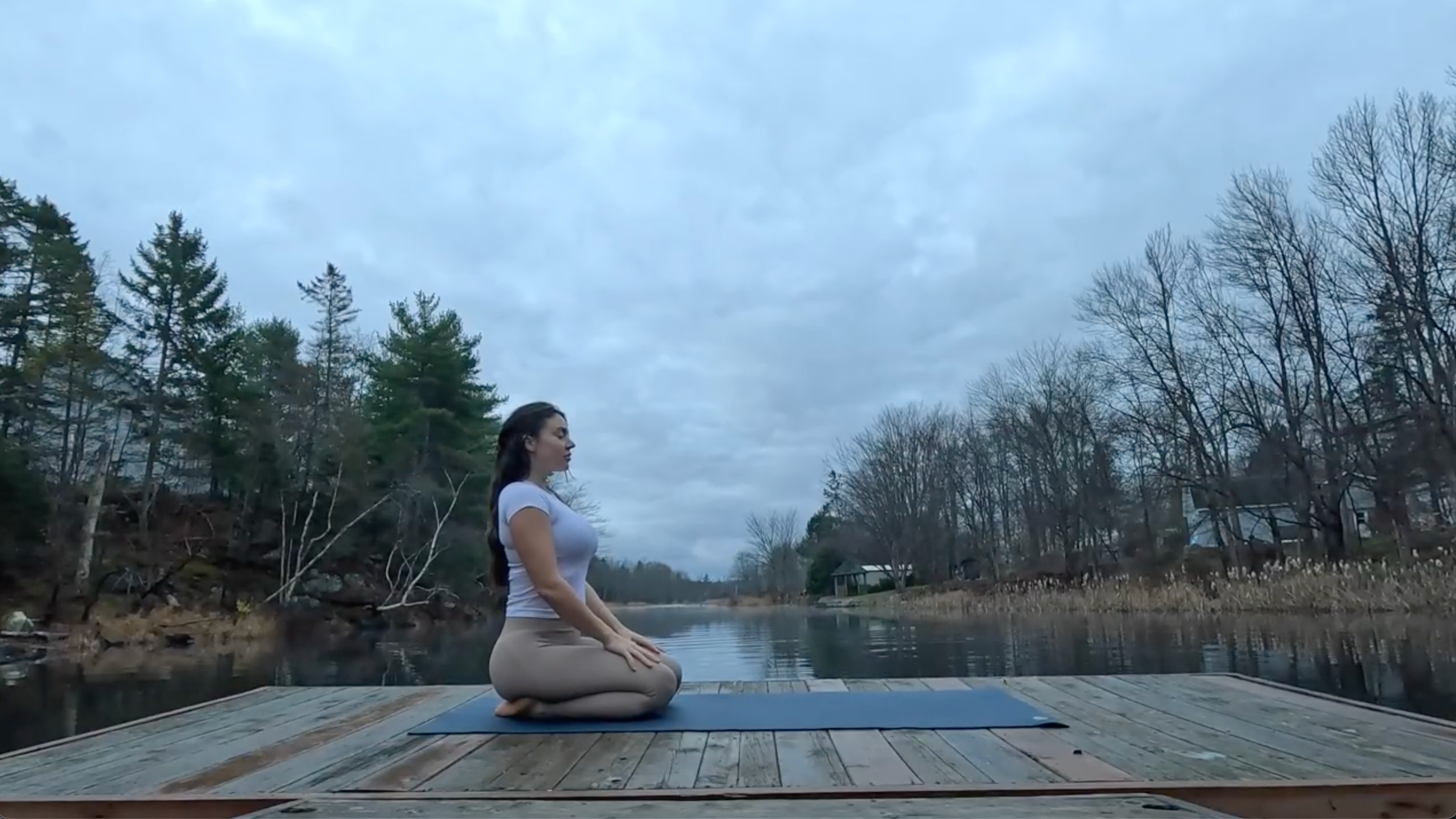
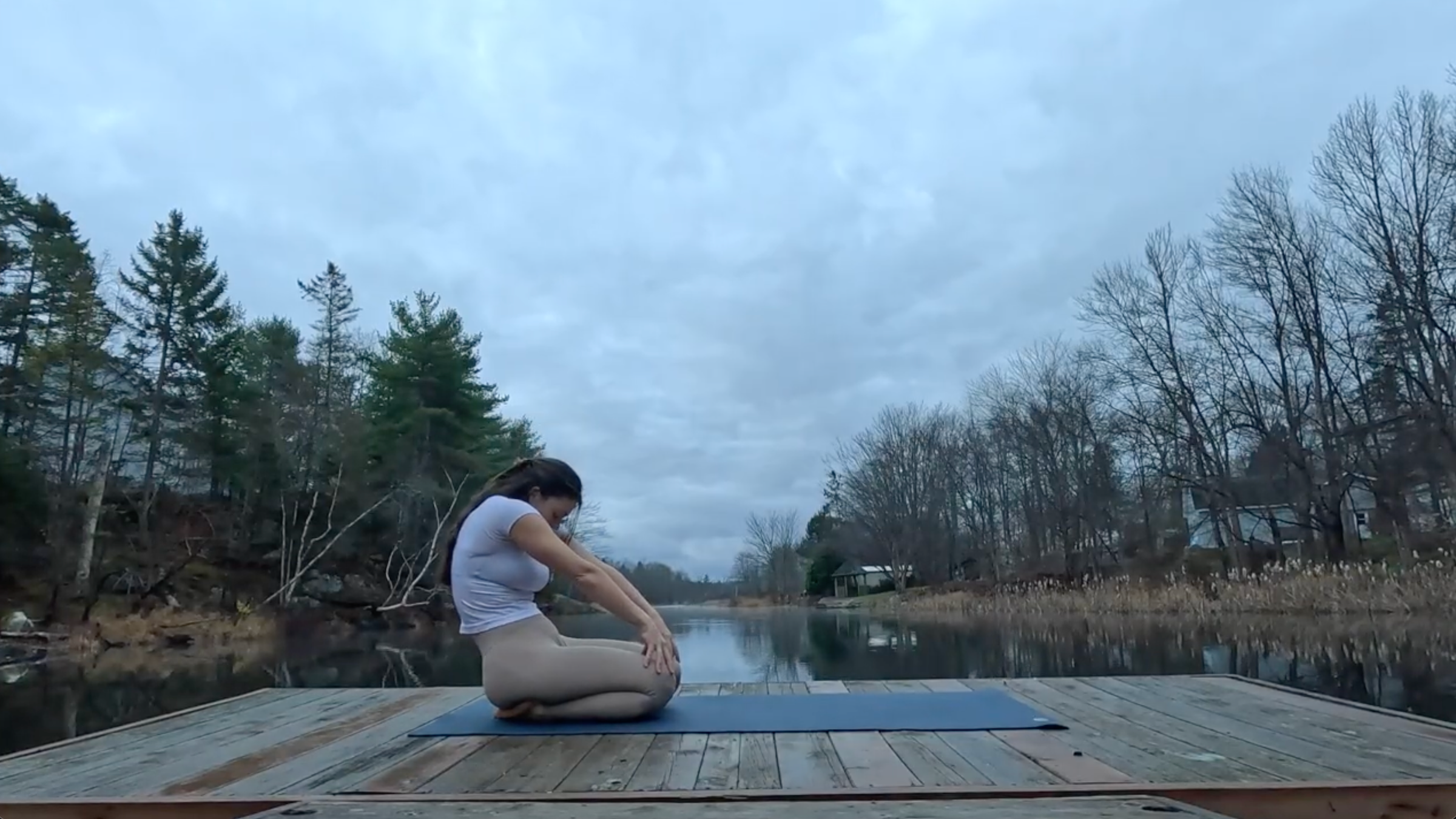
The practice begins with Vajrasana, or Thunderbolt pose. Kneeling with palms resting on the thighs, the practitioner closes their eyes for 30 to 60 seconds. This is a critical psychological reset—a moment to cultivate presence before the physical exertion begins.
2. Spinal Awakening: The Seated Cat-Cow
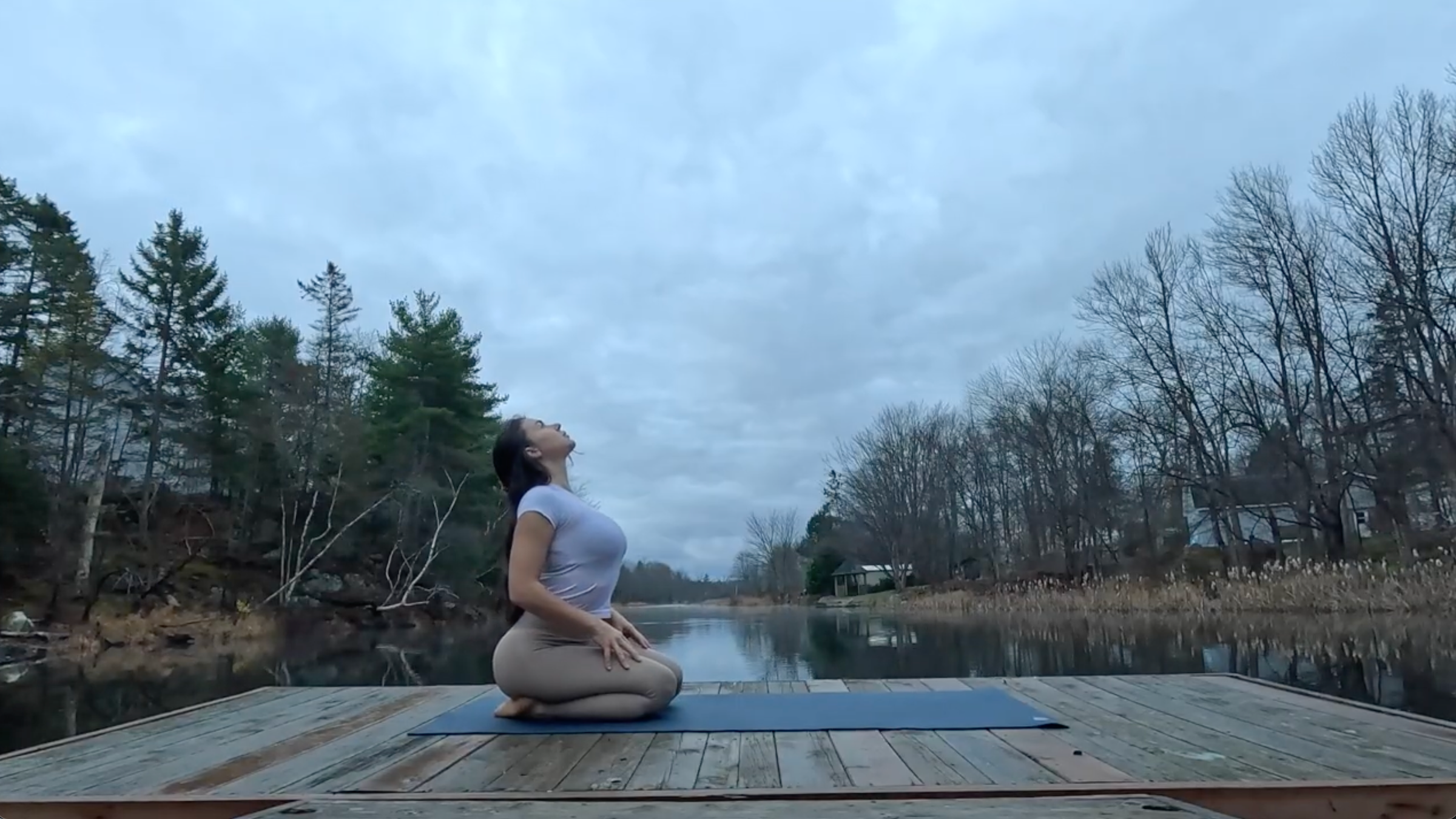
From Thunderbolt, we move into seated versions of Cat and Cow.
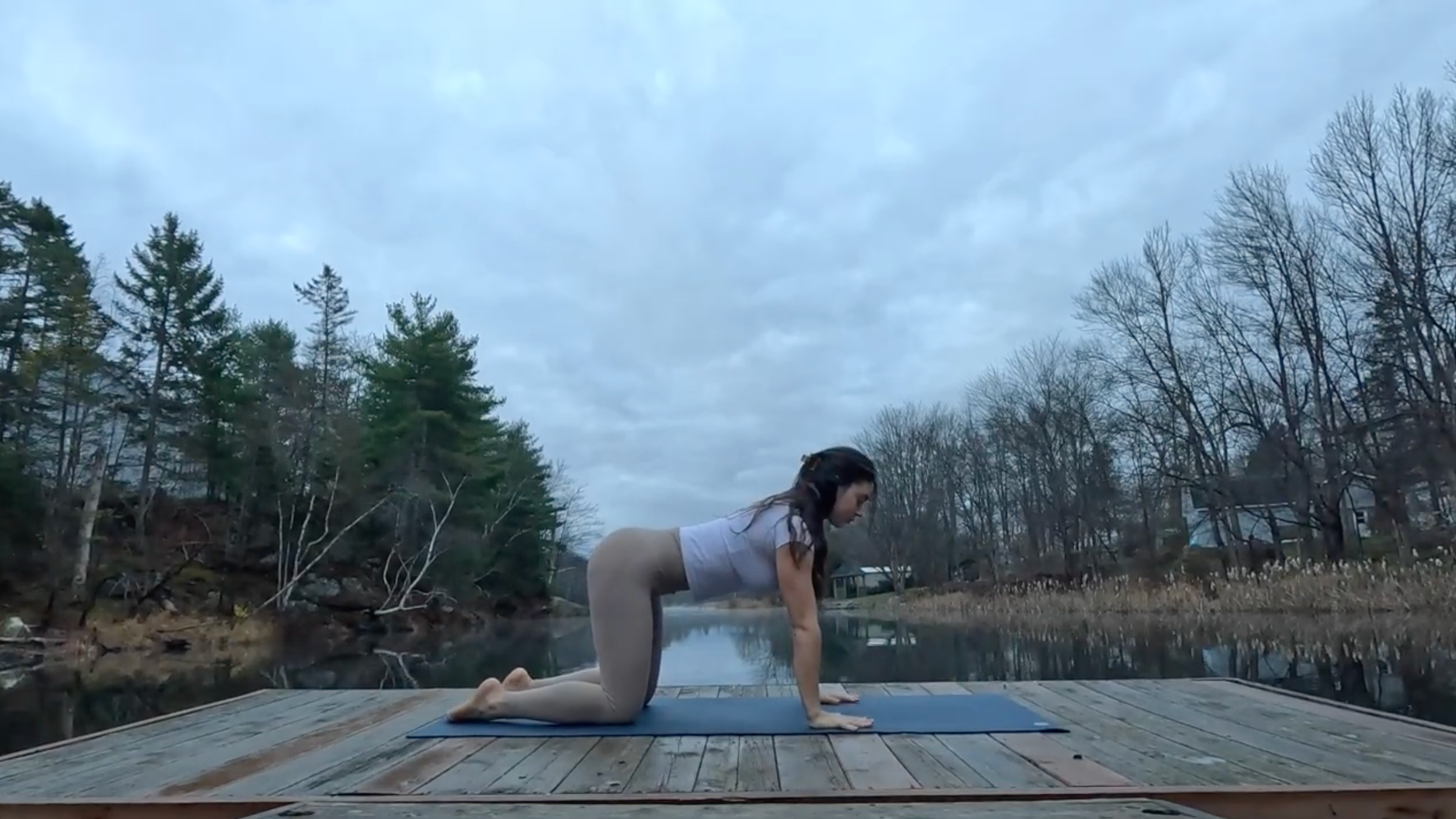
- Seated Cow: On an inhalation, draw the heart forward, lift the gaze, and gently arch the spine.
- Seated Cat: On an exhalation, round the back, tucking the chin to the chest to stretch the posterior chain.
Repeat this cycle six times. This movement lubricates the vertebral column and engages the core muscles immediately.
3. Heart Opening: Puppy Pose
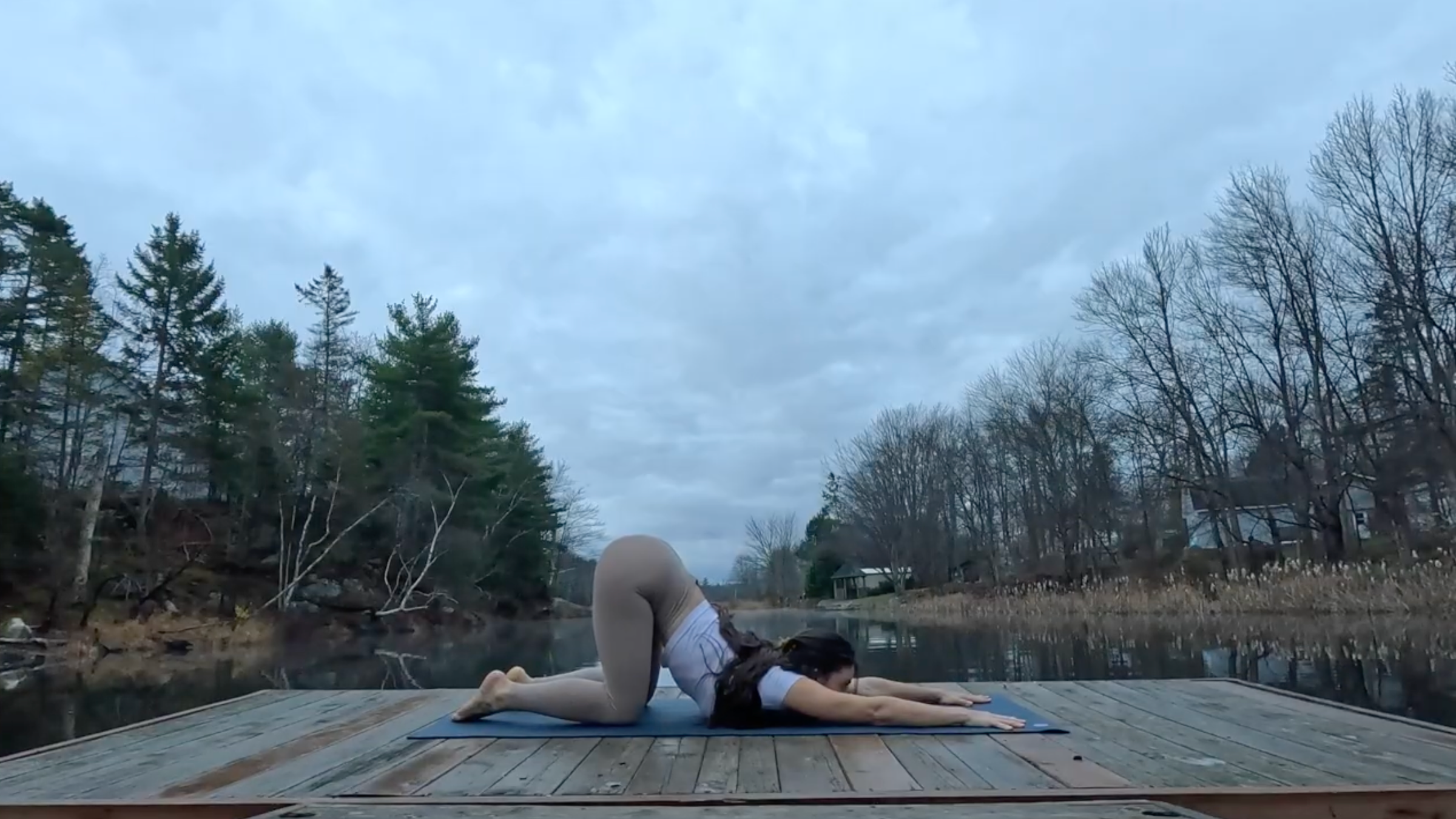
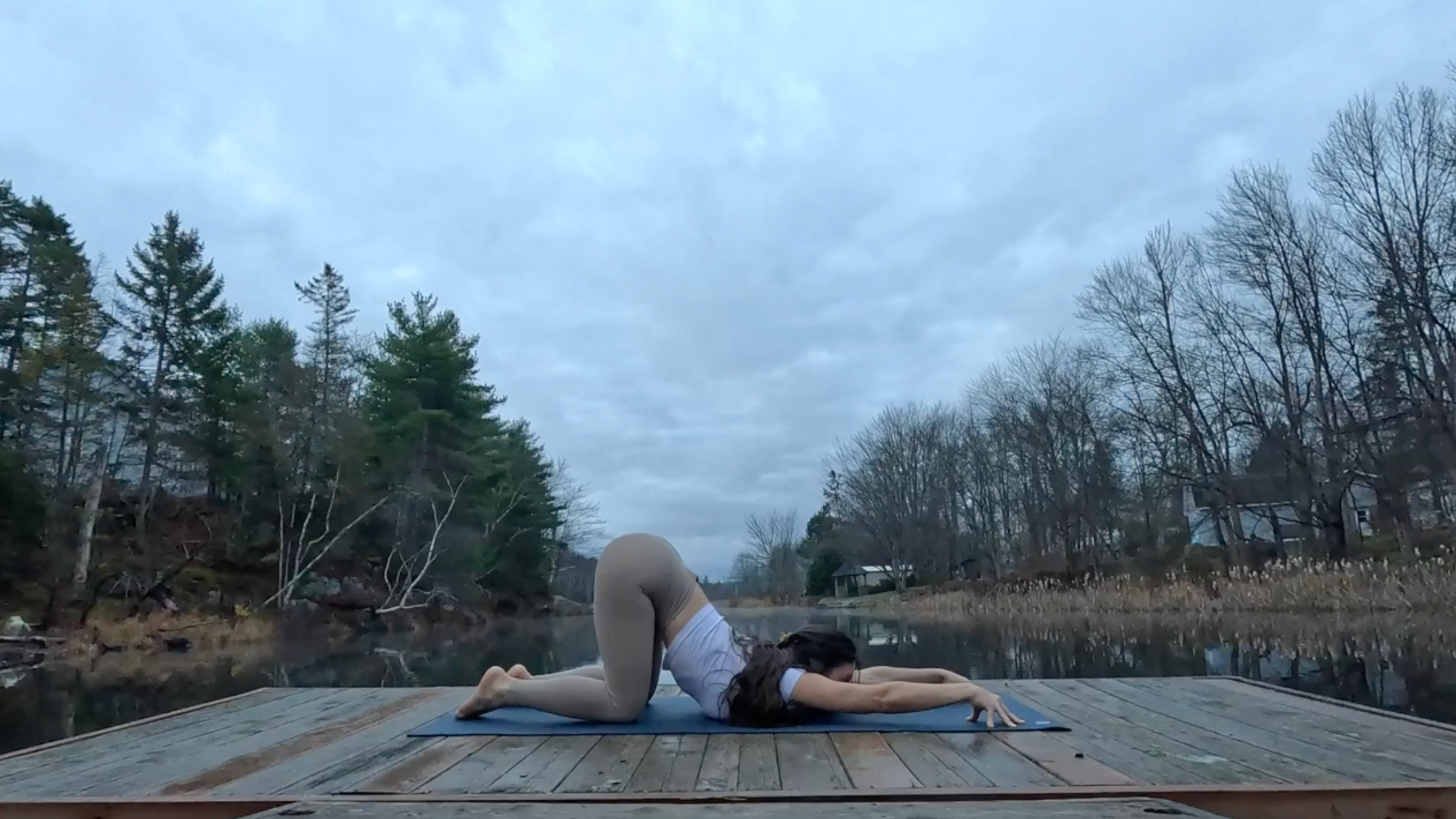
Transitioning through Tabletop into Puppy Pose (anahatasana) allows for a deep opening of the shoulders and thoracic spine. With hips stacked over the knees, walk the hands forward until the heart melts toward the mat. For an advanced variation, rise onto tented fingertips to lift the elbows, deepening the stretch. Dynamic movement—hovering the chest on the inhale and melting on the exhale—repeated five times will prime the upper body for the day’s posture.
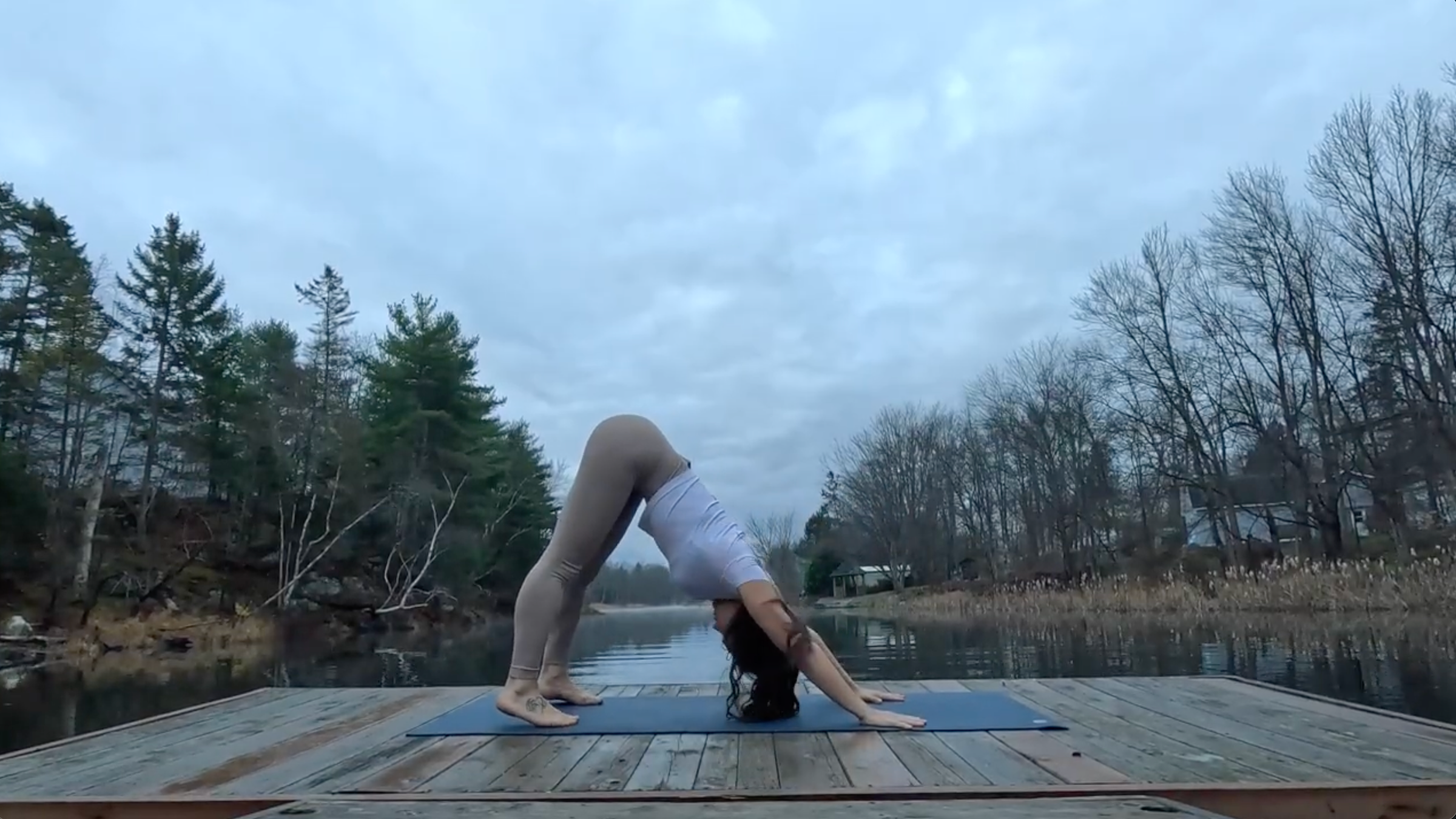
4. Intuitive Movement: Tabletop Circles
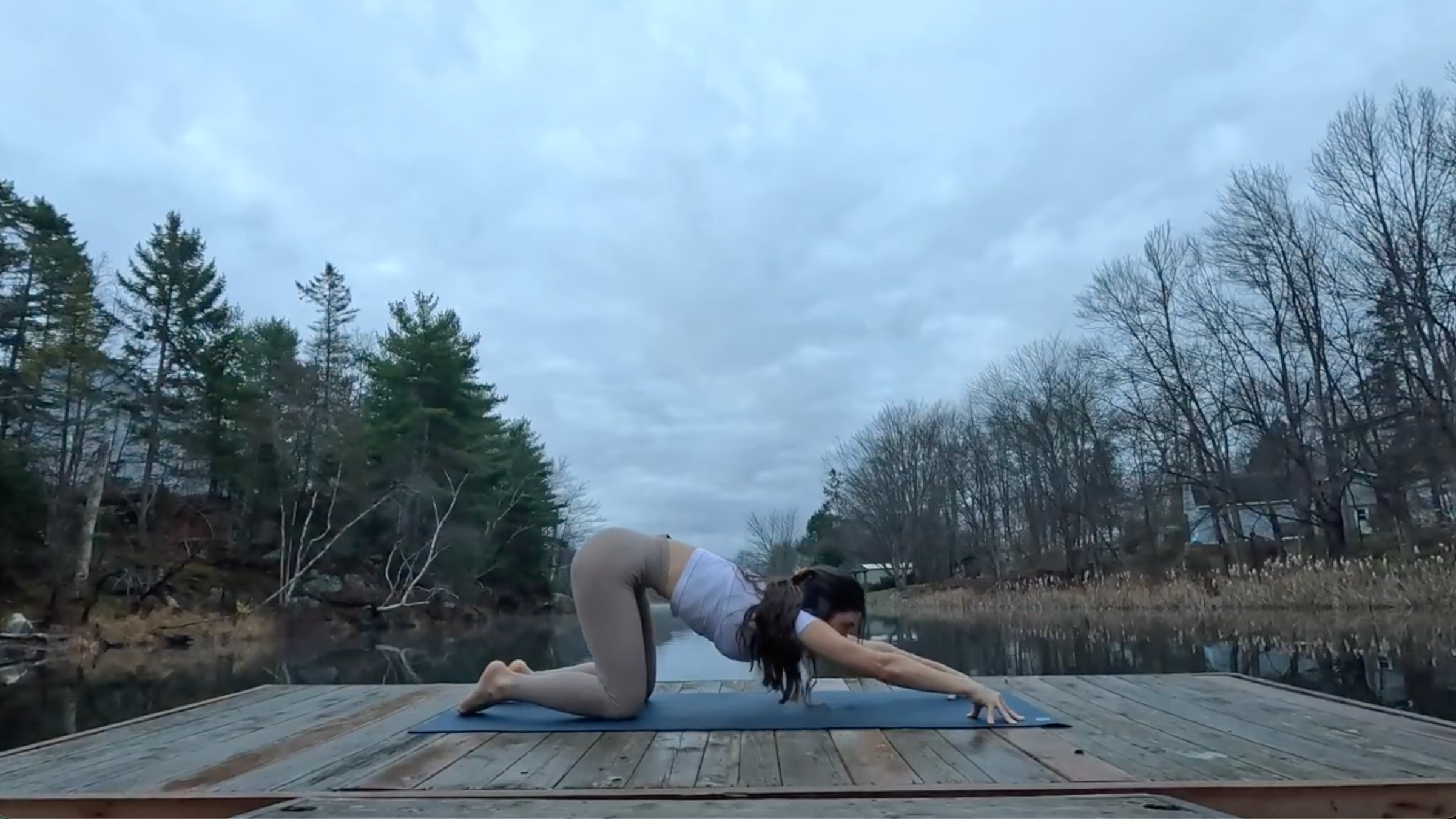
Return to a standard Tabletop position. This is an "intuitive" phase: move the hips in circles, roll through the spine, or sway side to side. Spending six cycles of breath here allows you to identify areas of tightness and address them directly.
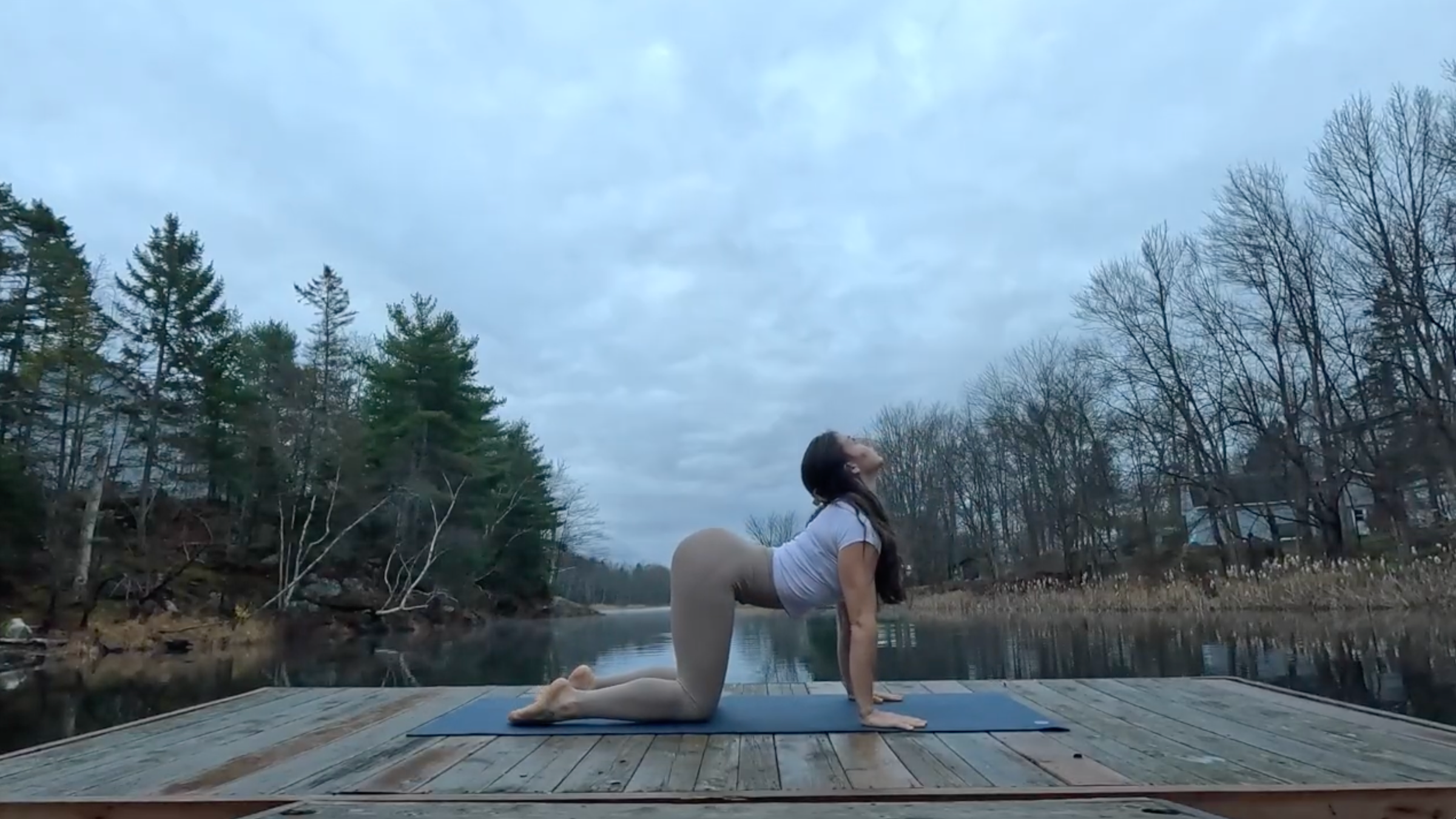
5. Building Heat: Downward-Facing Dog and Flow
Transition into Downward-Facing Dog. This foundational pose builds heat and stretches the hamstrings. From here, incorporate a "Cow-Dog" flow: drop the knees to the mat for Cow, then press back to Downward-Facing Dog. Repeat this six times to build fluid momentum.
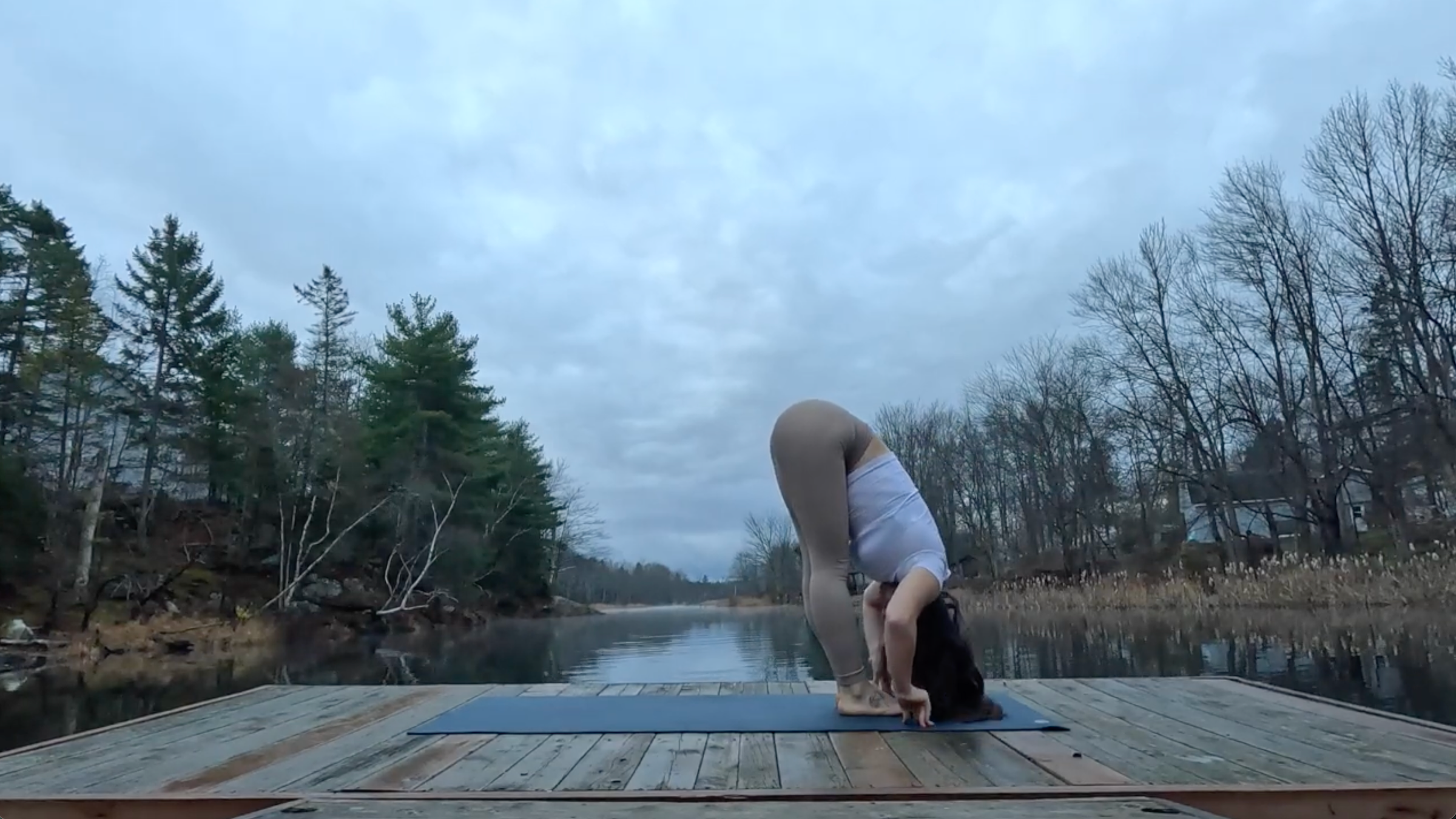
6. The Standing Sequence
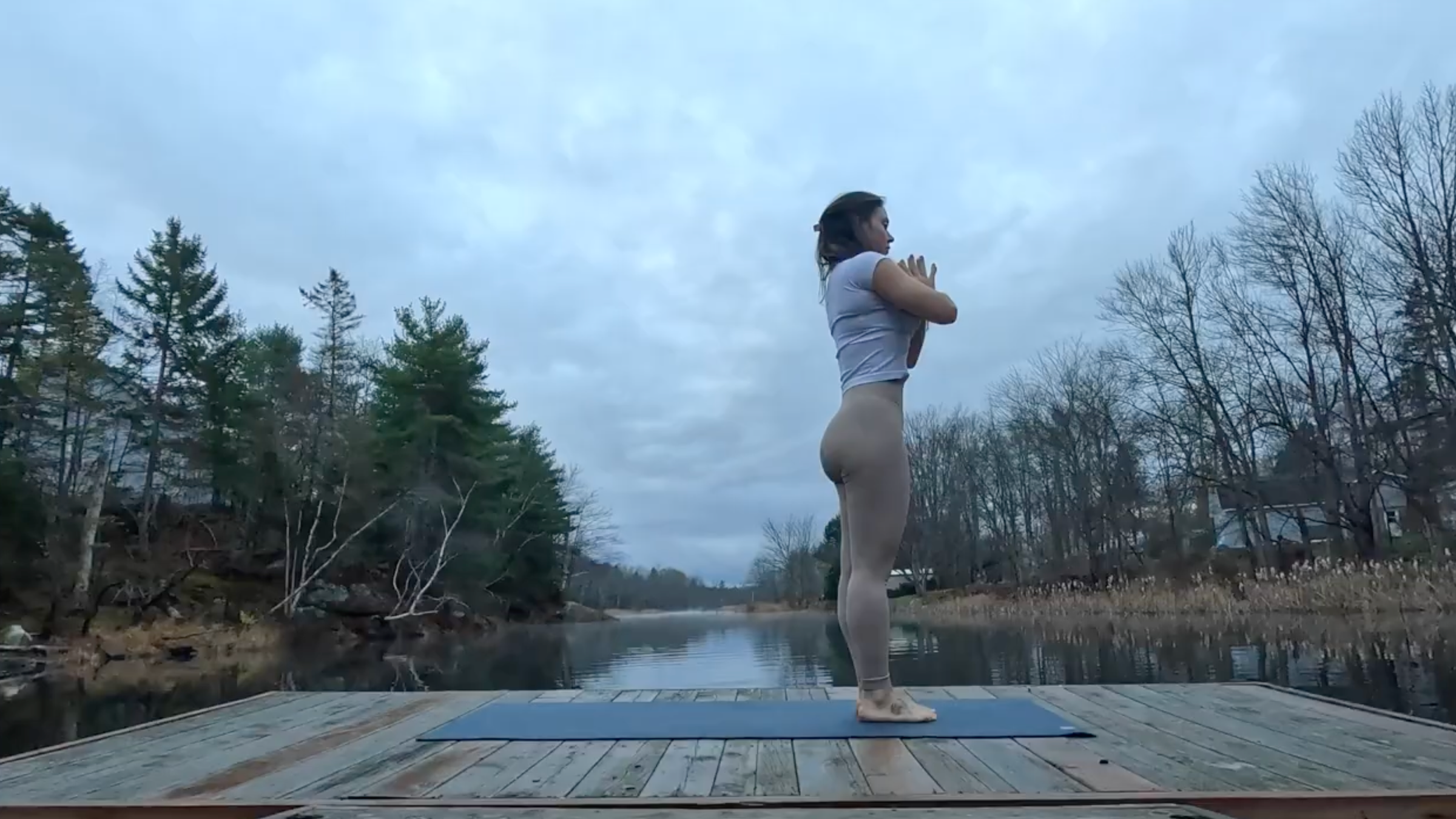
Walk the feet to the hands to enter a Standing Forward Bend. Rise through a Halfway Lift to reach into Mountain Pose (Tadasana), arms overhead, hands meeting at heart center.
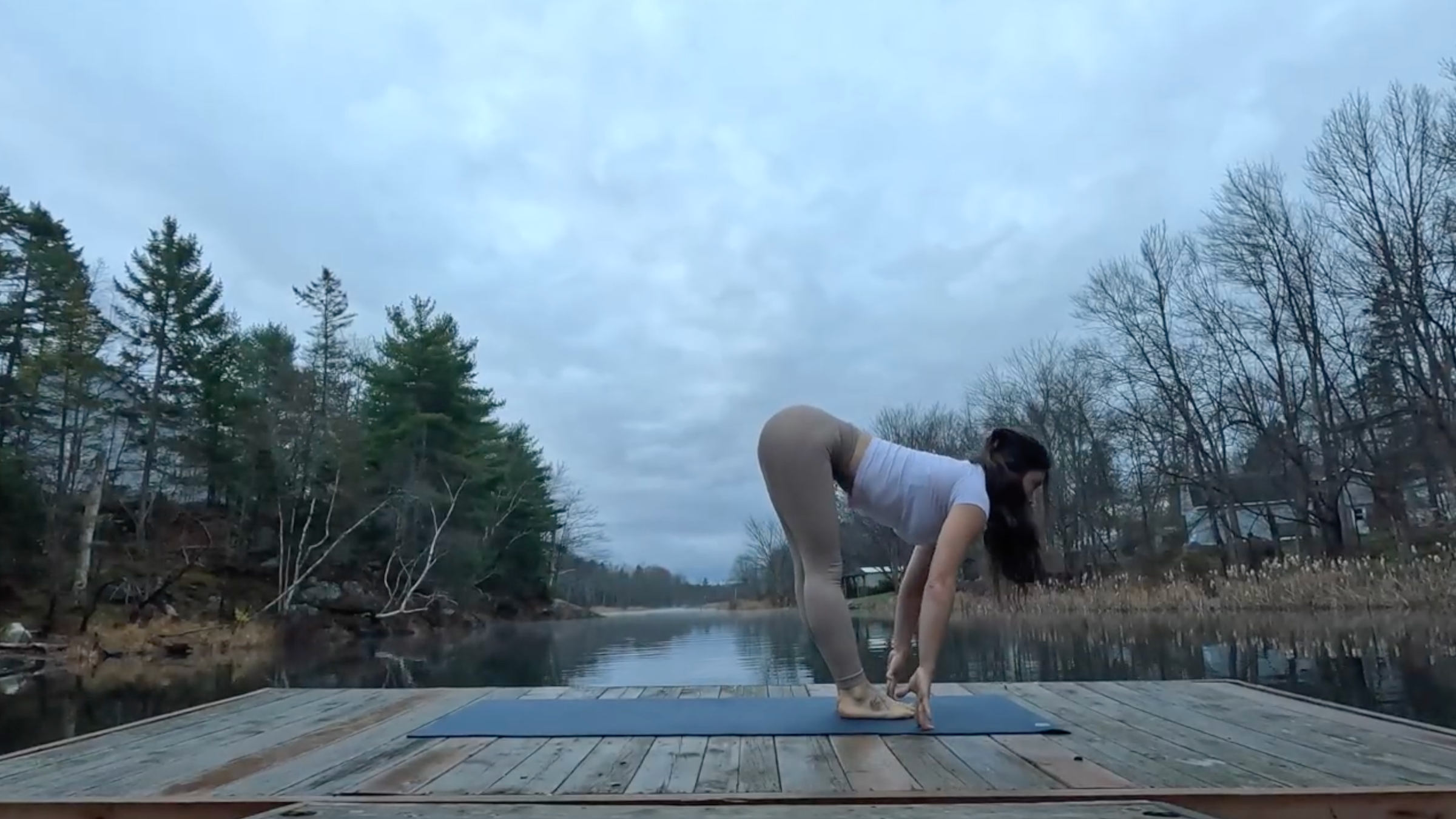
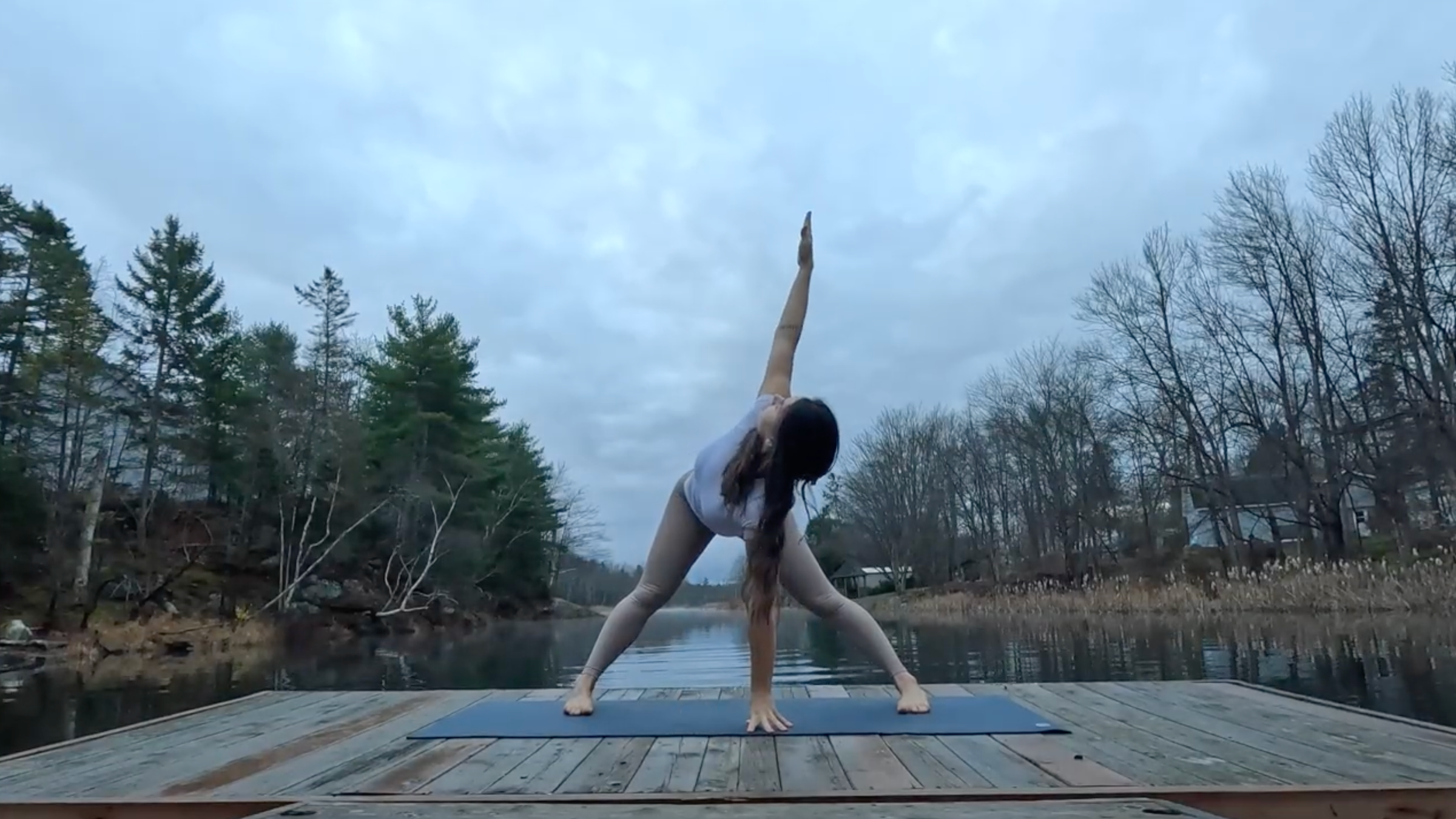
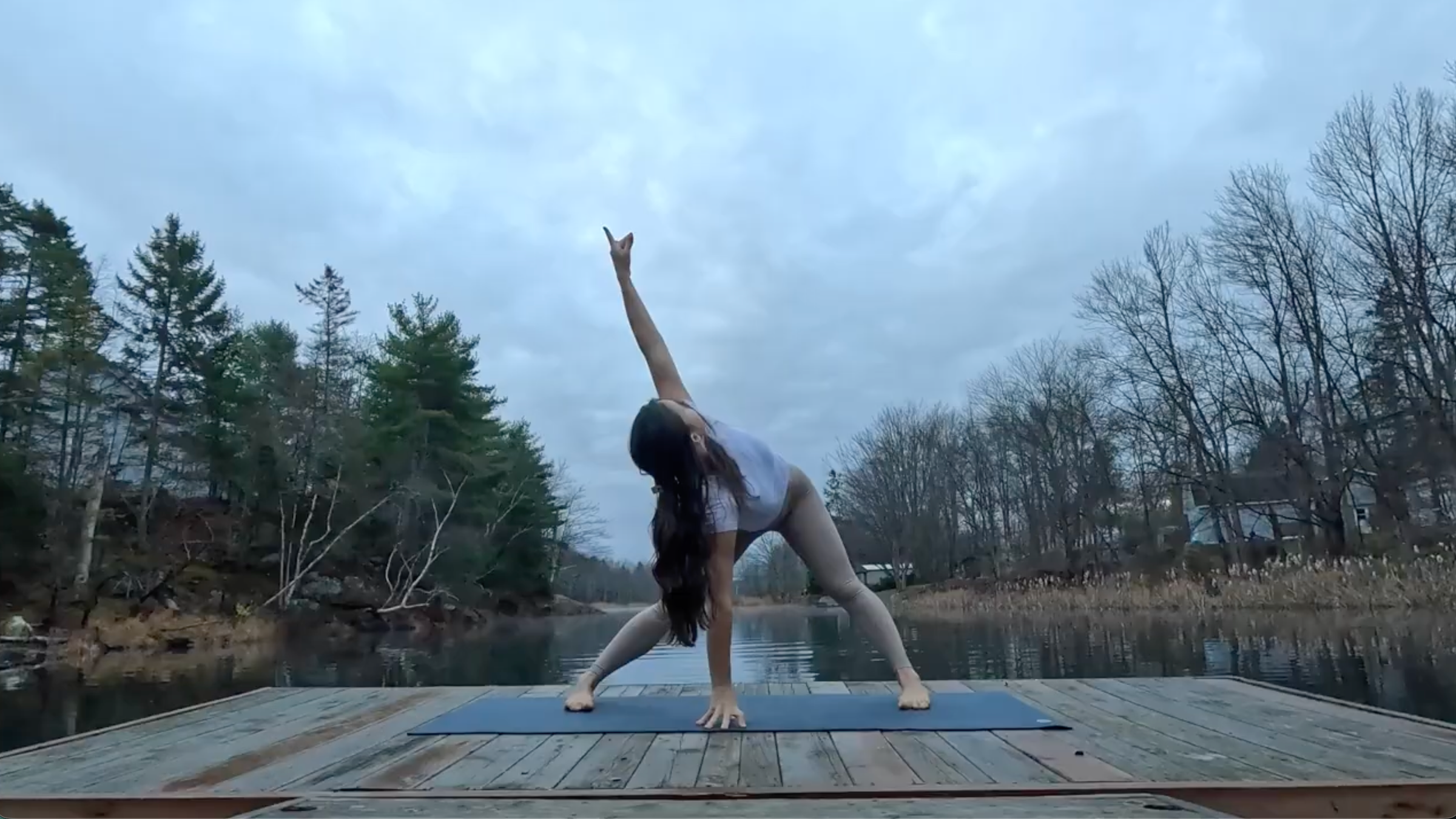
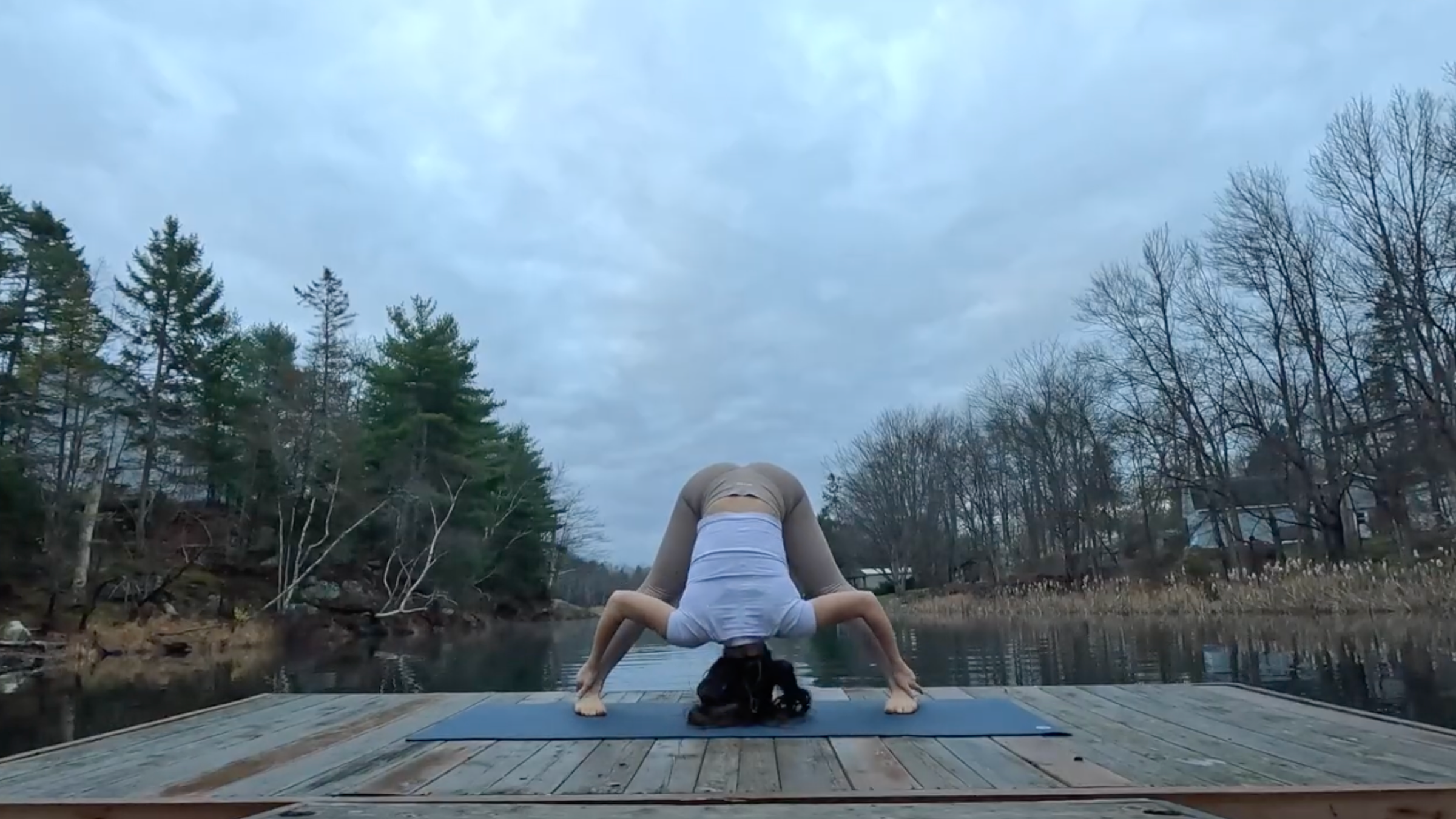
- Wide-Legged Standing Twist: Pivot to the long edge of the mat. With a flat back, fold forward and reach one arm to the sky in a twist. Repeat three times per side.
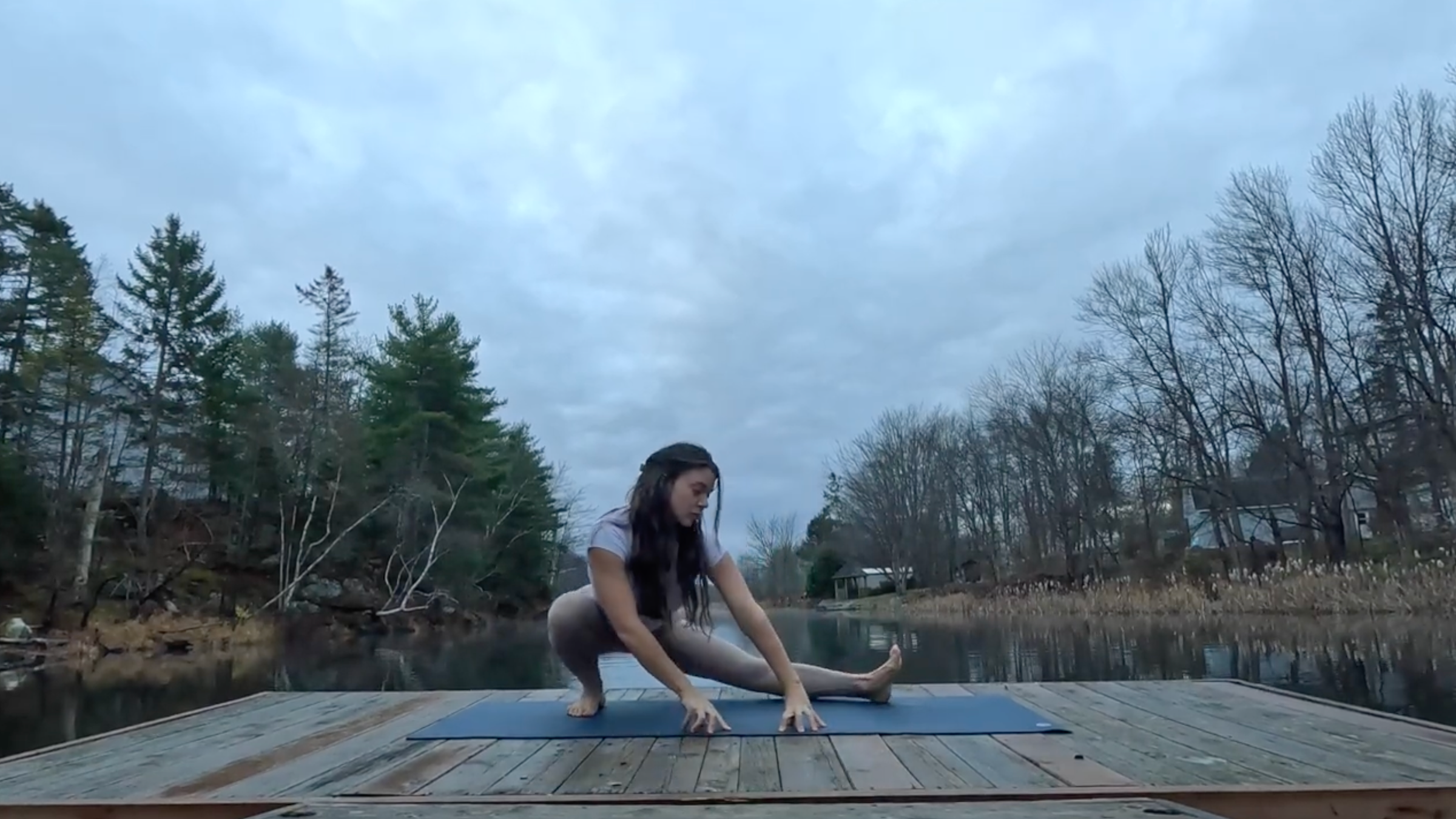
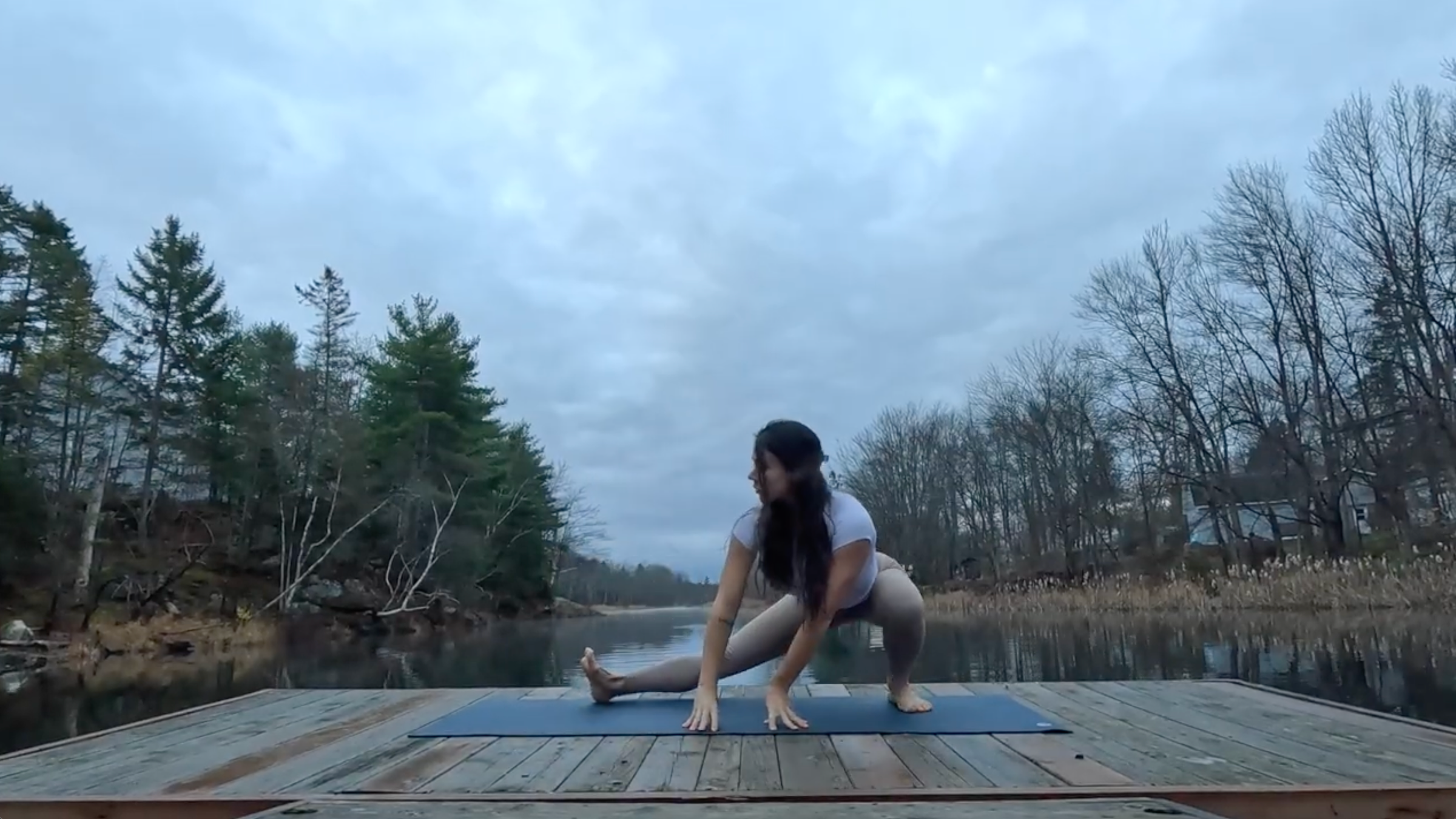
- Skater Pose: Lunge deeply into the right leg, then the left, in a lateral movement that wakes up the adductors and hips.
7. Vinyasa and Grounding
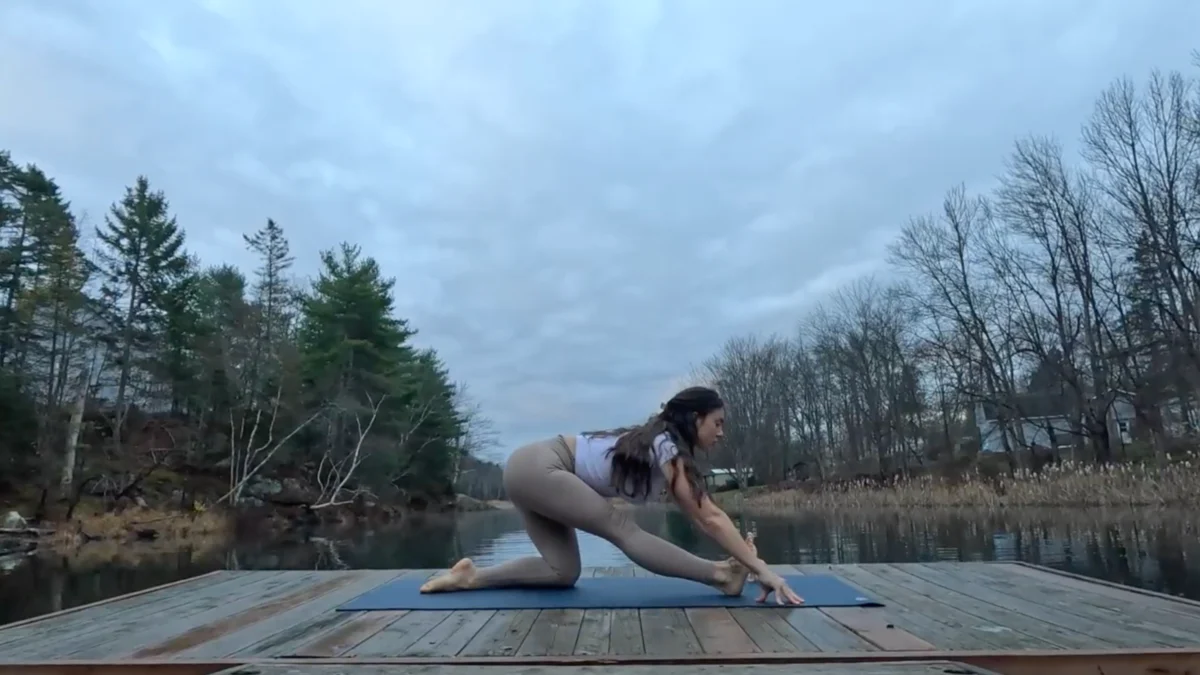
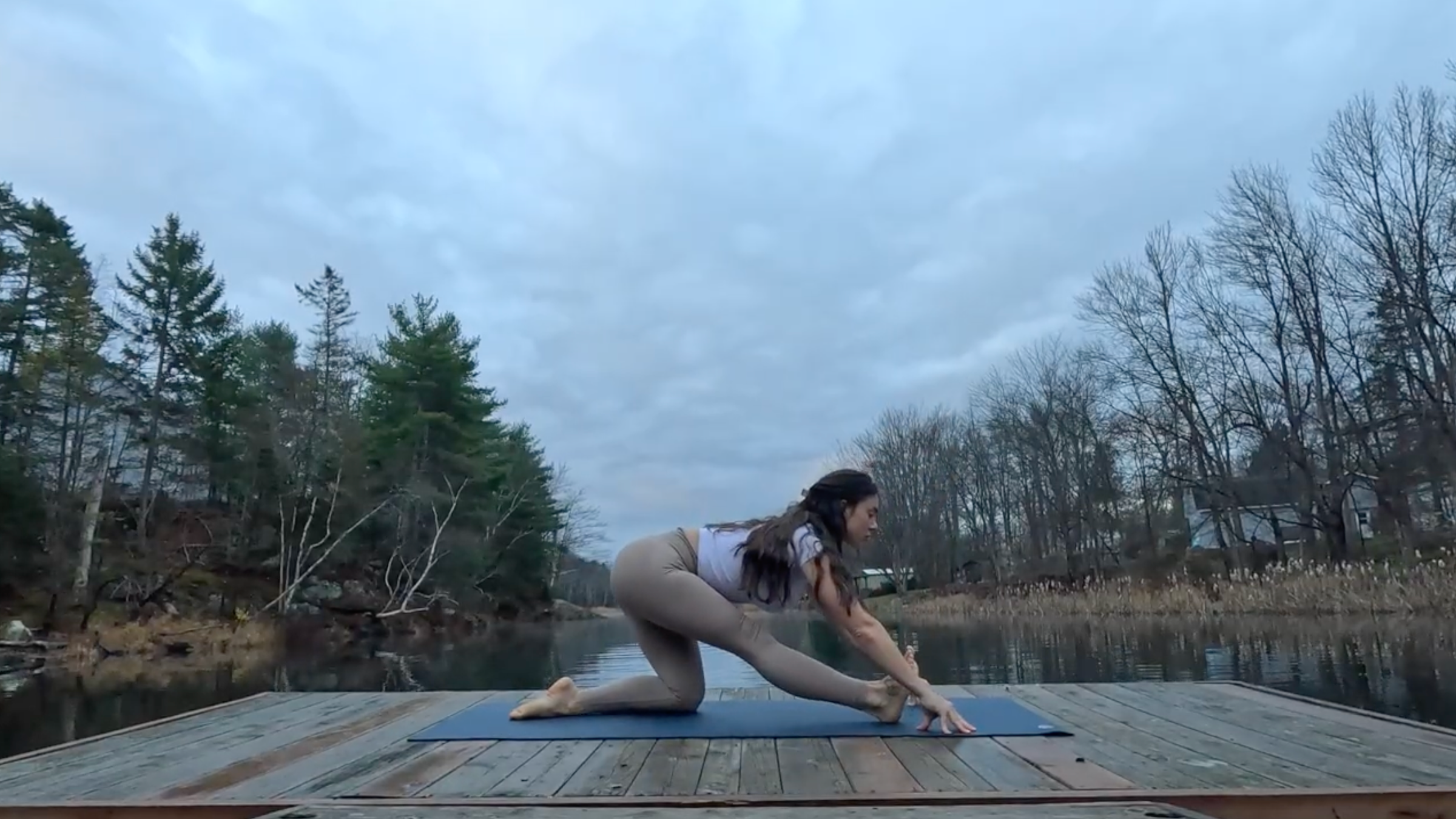
The final sequence involves a classic Vinyasa flow: Three-Legged Dog, stepping into a Low Lunge, and shifting back into Half Splits to stretch the hamstrings. Transition through Plank and Chaturanga into Upward-Facing Dog, then return to a resting Child’s Pose for one to three minutes.
Supporting Data: The Impact of Daily Movement
Studies in the field of movement therapy indicate that consistent, low-intensity morning exercise improves cognitive function throughout the work day. Specifically, the focus on "opening the hips and shoulders" is physiologically significant. The hips are often referred to as the "junk drawer" of the body, where stress-induced tension manifests. The shoulders, conversely, bear the brunt of our modern, desk-bound sedentary habits. By systematically releasing these two areas, practitioners report lower levels of perceived stress and higher levels of workplace focus.
Official Perspectives and Expert Advice
"The beauty of a 10-minute practice is its accessibility," says Emily Baltzer. "You don’t need to be an expert to reset your nervous system. By simply committing to the breath, you are changing your chemical state."
Experts emphasize that the "closing" of the practice is just as important as the movement itself. Taking a moment to bow the head and acknowledge the effort fosters a sense of self-efficacy—a psychological tool that reinforces the habit of self-care. When you thank yourself for showing up, you are effectively programming your brain to view the next day’s practice as a reward rather than a chore.
Implications for Long-Term Wellness
The implications of adopting a 10-minute morning routine are profound. Over time, this consistency leads to:
- Improved Posture: By regularly opening the thoracic spine and stretching the chest, you counteract the "hunching" effect of digital device usage.
- Emotional Resilience: The practice of "moving with the breath" trains the mind to remain calm in the face of physical challenge, a skill that translates directly to stressful work or social situations.
- Metabolic Consistency: Starting the day with movement helps regulate blood sugar levels and jumpstarts the metabolic rate more effectively than sudden spikes from stimulants.
Conclusion: Making It Your Own
The goal of this sequence is not perfection; it is presence. If you find your mind wandering, return to the sensation of your breath. If a pose feels inaccessible, modify it—the mat is a laboratory for your own self-discovery. By dedicating just 600 seconds each morning to this practice, you are not merely stretching your muscles; you are crafting a foundation of strength, clarity, and poise that will sustain you through the complexities of your day.
Whether you are a seasoned yogi or a curious beginner, remember that the most difficult part of the practice is simply stepping onto the mat. Once you are there, the flow takes care of the rest.